What is the Difference between Long Block And Short Block: Key Insights
If you’re working on your car or planning an engine upgrade, understanding the difference between a long block and a short block is crucial. Knowing which one suits your needs can save you time, money, and headaches down the road.
But what exactly sets these two engine parts apart? And how do you decide which is right for your vehicle? Keep reading to get clear answers that will help you make the best choice for your engine project.
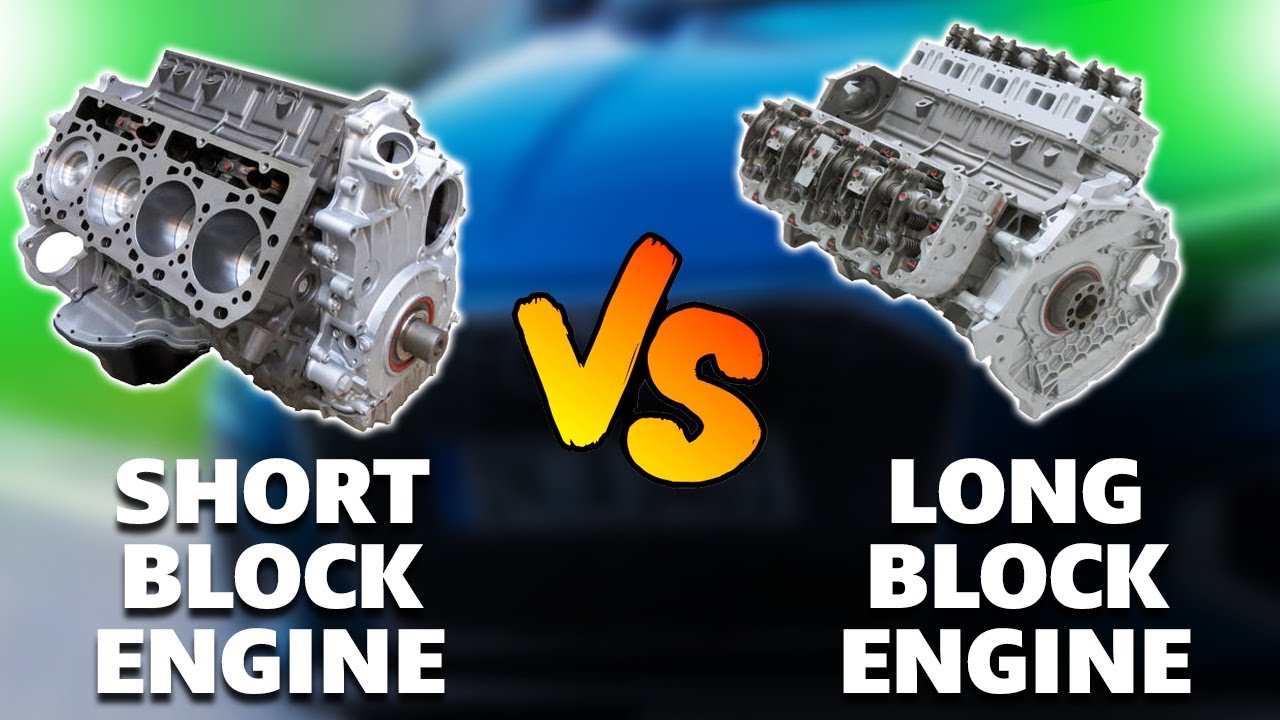
Credit: carfromjapan.com
Engine Block Basics
The engine block is the heart of any car engine. It holds many key parts together. Understanding the engine block helps explain the difference between long block and short block engines.
The block is usually made of cast iron or aluminum. It forms the main structure for the engine. Inside, it has spaces for cylinders, coolant, and oil passages.
What Is An Engine Block?
The engine block is the large metal piece that holds cylinders. Cylinders are where the engine’s pistons move up and down. The block keeps everything aligned and strong.
Materials Used In Engine Blocks
Most engine blocks are made from cast iron or aluminum. Cast iron is heavy but strong. Aluminum is lighter and helps cool the engine faster.
Key Parts Inside The Engine Block
The block contains cylinder bores, coolant channels, and oil passages. These parts help the engine run smoothly and stay cool.
How The Engine Block Supports Other Components
The block holds the crankshaft and camshaft in place. It also supports the cylinder head and other engine parts. This keeps the engine working as a unit.

Credit: www.carparts.com
Components Of A Long Block
A long block is a major engine assembly used in car repairs and rebuilds. It contains many key parts of the engine. These parts come pre-assembled to save time and effort.
This section explains the main components of a long block. Understanding these parts helps you know what you get with a long block engine.
Engine Block
The engine block is the core of the long block. It houses the cylinders where pistons move up and down. Made of strong metal, it supports all other parts.
Crankshaft
The crankshaft converts piston motion into rotational power. It spins inside the engine block and powers the vehicle’s wheels. It is balanced and well-lubricated.
Pistons And Connecting Rods
Pistons fit inside the cylinders. They move up and down as the engine runs. Connecting rods link pistons to the crankshaft to transfer motion.
Cylinder Head
The cylinder head sits on top of the engine block. It holds valves and spark plugs. It controls air and fuel flow in and out of cylinders.
Camshaft
The camshaft opens and closes valves at the right times. It ensures the engine breathes properly. It works with the timing belt or chain.
Valves And Valve Springs
Valves let air and fuel enter the cylinders. They also let exhaust gases exit. Valve springs keep valves tightly closed when needed.
Timing Components
Timing components include the belt or chain and gears. They synchronize the camshaft and crankshaft. Proper timing keeps the engine running smooth.
Components Of A Short Block
A short block is a key part of an engine. It contains many important pieces. These parts work together to make the engine run. Understanding these components helps you know what a short block is. This knowledge is useful for car repairs and upgrades.
The short block includes all the main parts inside the engine block. These parts move and create power. They are essential for the engine’s basic function. Now, let’s look at each component.
The Engine Block
The engine block is the main part of the short block. It holds all the moving parts inside. It has cylinders where the pistons move up and down. The block is usually made of strong metal.
Pistons
Pistons fit inside the cylinders of the engine block. They move up and down to create power. Pistons help turn fuel into energy for the car.
Connecting Rods
Connecting rods link the pistons to the crankshaft. They move the crankshaft when the pistons move. These rods transfer energy inside the engine.
Crankshaft
The crankshaft turns the up and down motion of pistons into spinning motion. This spinning motion moves the car’s wheels. The crankshaft is a key part of the short block.
Camshaft (sometimes Included)
Some short blocks include the camshaft. It controls the opening and closing of engine valves. The camshaft helps the engine breathe and work well.
Bearings
Bearings support the moving parts inside the engine. They reduce friction and wear. Bearings help the engine run smoothly and last longer.
Comparing Long Block And Short Block
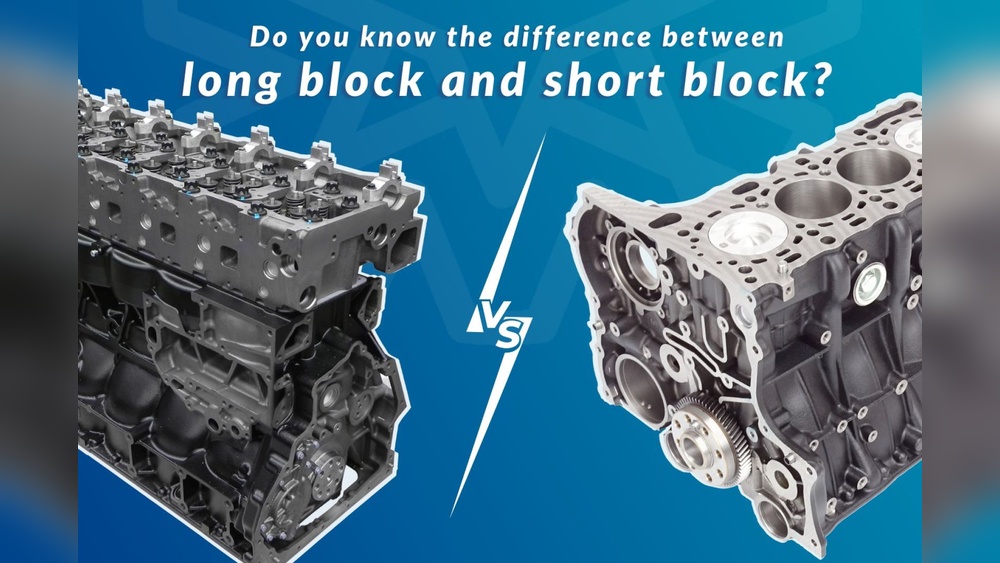
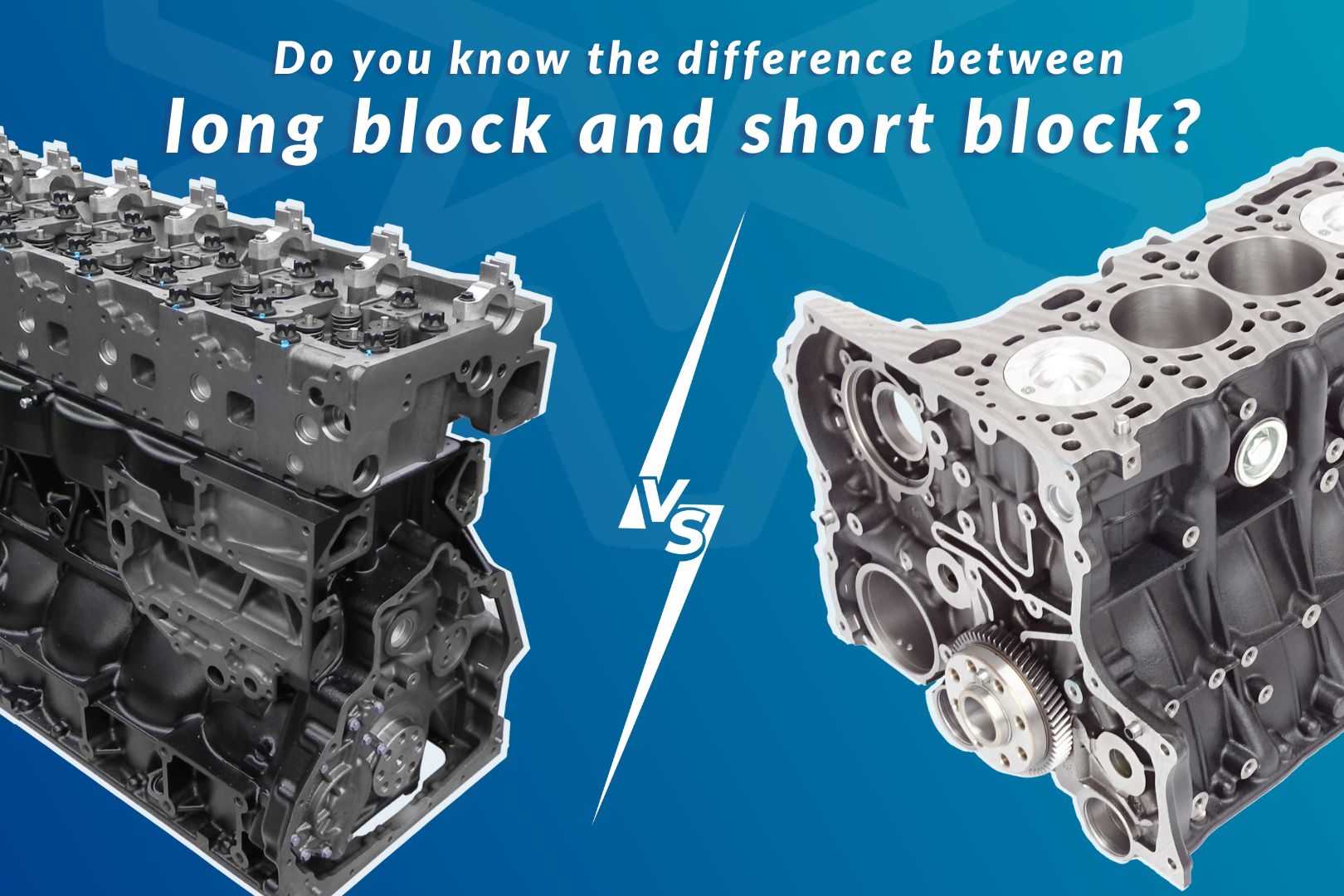
A long block includes the engine block, cylinder head, and internal parts. A short block has only the engine block and some internal parts. This difference affects repair costs and engine rebuilding time.
What Is A Long Block?
A long block is a complete engine assembly. It includes the engine block, cylinder head, and internal parts like pistons and crankshaft. It comes ready to install in most cases. This saves time for people rebuilding engines. It reduces the need to buy many separate parts.
What Is A Short Block?
A short block contains the engine block and internal parts only. It usually includes pistons, rods, and crankshaft. The cylinder head and other components are not included. This option costs less than a long block. It suits projects where cylinder heads stay in good shape.
Key Differences Between Long Block And Short Block
Long blocks are more complete than short blocks. They need less work to install. Short blocks require adding cylinder heads and other parts. Long blocks are heavier and cost more. Short blocks allow more customization during engine rebuilds.
Choosing The Right Option
Choosing the right engine block for your vehicle is important. It affects costs, time, and the work needed. Both long blocks and short blocks have their own uses. Knowing which one fits your needs helps you make a smart choice.
What Does Your Project Need?
Consider what you want to fix or improve in your engine. A long block comes with more parts installed, like the cylinder head and camshaft. It is ready to go but costs more. A short block has fewer parts and needs extra work. Choose based on the parts you already have and the job you want done.
Budget And Time Considerations
Long blocks cost more but save time on assembly. They are good if you want a quick swap or rebuild. Short blocks are less expensive but take longer to finish. You must add parts and do more work yourself. Think about how much money and time you can spend.
Skill Level And Tools
Your experience and tools matter a lot. Long blocks are easier for beginners since many parts are pre-assembled. Short blocks need more skills and tools to add the missing components. Pick the option that matches your mechanical skills and available equipment.
Credit: www.acmonedero.com
Frequently Asked Questions
What Parts Are Included In A Long Block Engine?
A long block engine includes the full engine assembly. It has the cylinder head, camshaft, and valve train. This makes it easier for a full engine rebuild.
How Does A Short Block Differ From A Long Block?
A short block contains only the engine block and rotating parts. It lacks the cylinder head and valve components. This makes it cheaper but needs extra parts to run.
Which Block Is Better For Engine Repairs?
Long blocks are better for major repairs or rebuilds. They come with more parts installed and save installation time. Short blocks suit smaller repairs or budget builds.
Can I Install A Short Block Without Extra Parts?
No, a short block needs cylinder heads and valve parts added. You must install these before running the engine. It requires more time and mechanical skill.
Conclusion
Choosing between a long block and a short block depends on your engine needs. A long block includes more parts like the cylinder head and camshaft. A short block has fewer parts, mainly the engine block and pistons. Both options save time and effort compared to building an engine from scratch.
Think about your budget, repair goals, and engine type before deciding. Understanding these differences helps you make a smart choice for your vehicle. Simple and clear choices lead to better engine repairs.