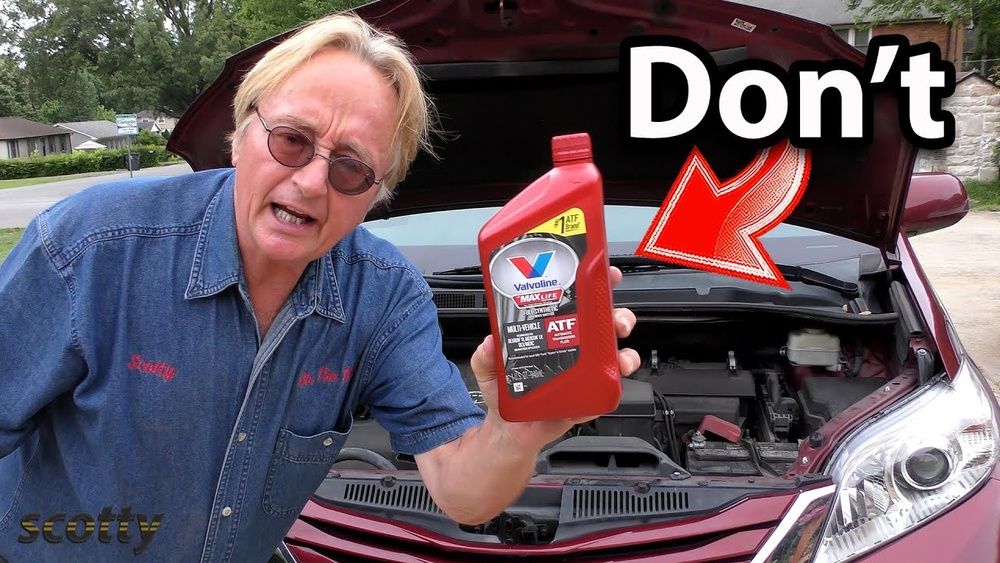
What Happens If You Don’T Change Your Transmission Fluid: Shocking Risks
Have you ever wondered what happens if you don’t change your transmission fluid? You might think it’s not a big deal, but ignoring this simple maintenance step can lead to serious problems for your car.
Your transmission fluid keeps your vehicle running smoothly, and when it gets old or dirty, everything starts to break down. Keep reading to find out why changing your transmission fluid is crucial and what risks you face if you don’t.
Understanding this could save you from costly repairs and keep your car running like new.

Credit: milta.co
Role Of Transmission Fluid
Transmission fluid keeps your car’s gears running smoothly by reducing friction and heat. Neglecting to change it can cause damage, slipping gears, and costly repairs. Clean fluid helps your transmission last longer and work better.
What Transmission Fluid Does
Transmission fluid acts as the lifeblood of your vehicle’s transmission system. It lubricates the moving parts inside the transmission. This lubrication prevents metal parts from grinding against each other.
The fluid also helps to cool the transmission. It carries heat away from the gears and other components. This cooling effect stops the transmission from overheating during use.
How Transmission Fluid Supports Gear Shifts
The fluid helps gears shift smoothly. It provides the right pressure needed for gear changes. Without enough fluid, shifting can become rough or delayed.
Good transmission fluid ensures your car changes gears quietly and quickly. It keeps your driving experience comfortable and safe.
Transmission Fluid’s Role In Cleaning And Protection
Transmission fluid cleans internal parts by carrying away dirt and metal bits. It contains additives that protect against rust and corrosion.
Clean fluid helps the transmission last longer. It stops damage caused by dirt buildup and wear.
Signs Of Old Transmission Fluid
Transmission fluid plays a key role in keeping your vehicle’s transmission healthy. Over time, this fluid breaks down and loses its ability to protect and lubricate. Old transmission fluid can cause serious issues, but you can spot the problem early by watching for certain signs.
Recognizing these signs helps avoid costly repairs and keeps your car running smoothly. Below are common symptoms that show your transmission fluid may need changing.
Dirty Or Dark-colored Fluid
Fresh transmission fluid is usually bright red or pink. As it ages, it turns darker, brown, or even black. Dark fluid means it is contaminated with dirt and metal particles. This reduces its effectiveness.
Unusual Smell
Old transmission fluid often smells burnt. This happens when the fluid overheats and breaks down. A strong, burnt odor warns that the fluid is no longer protecting the transmission properly.
Slipping Gears
When fluid is old or low, your transmission may slip between gears. This causes the car to hesitate or change gears roughly. Slipping gears can damage transmission parts over time.
Delayed Or Harsh Shifting
Transmission fluid helps smooth gear shifts. Old fluid can cause delays or jerky shifts. You might feel a sudden jolt when the car changes gears, which is a clear warning sign.
Transmission Overheating
Fluid cools and lubricates transmission parts. If it is old, it cannot do this well. Overheating can damage the transmission and lead to failure.
Fluid Leaks
Old seals and gaskets can cause transmission fluid leaks. Low fluid levels lead to poor performance and damage. Check under your car for red or brown puddles.
Impact On Transmission Performance
Poor transmission fluid causes rough shifting and delays gear changes. This reduces overall driving smoothness and can lead to costly repairs. Performance drops as fluid loses its ability to cool and lubricate vital parts.
Reduced Shifting Smoothness
Old transmission fluid loses its ability to lubricate parts. This causes gear shifts to feel rough or jerky. The transmission may hesitate or slip during changes. Smooth driving becomes harder to maintain.
Increased Transmission Heat
Dirty fluid cannot cool the transmission effectively. Heat builds up and damages internal parts. Overheating leads to faster wear and tear. The transmission struggles to work properly under stress.
Decreased Fuel Efficiency
A poorly performing transmission forces the engine to work harder. This uses more fuel for the same distance. Worn fluid increases friction inside the system. Fuel costs can rise without obvious signs.
Risk Of Transmission Failure
Old fluid causes sludge and debris buildup inside. This blocks fluid flow and clogs parts. The transmission may fail to engage or stay in gear. Repair costs can be very high or require replacement.

Credit: www.youtube.com
Long-term Damage Risks
Transmission fluid plays a key role in keeping your car’s transmission healthy. Over time, this fluid breaks down and loses its ability to protect the transmission parts. Not changing the fluid can cause serious damage over the years.
The risks build slowly, often without clear warning signs. This makes regular fluid changes crucial for long-term vehicle health.
Worn Transmission Components
Old fluid loses its lubricating power. Metal parts rub against each other more. This causes parts to wear out faster. Gears, bearings, and seals can get damaged. Repairing these parts can be costly.
Overheating Transmission
Fresh fluid cools the transmission effectively. Dirty fluid does not cool well. Heat builds up inside the transmission. High temperatures cause parts to expand and warp. Overheating can lead to total transmission failure.
Clogged Transmission Passages
Used fluid contains dirt and debris. These particles settle inside small channels. Clogged passages reduce fluid flow. Poor flow means less cooling and lubrication. This speeds up damage to internal parts.
Slipping Gears And Poor Performance
Old fluid thickens and loses pressure. Transmission struggles to shift gears smoothly. Gears may slip or hesitate. The car may jerk or lose power. This reduces driving safety and comfort.
Costly Repairs And Replacements
Ignoring fluid changes leads to big problems. Transmission repair or replacement costs thousands. Regular fluid changes cost much less. Preventing damage saves money in the long run.
Costly Repairs And Prevention
Failing to change your transmission fluid can lead to serious and costly damage. Dirty or old fluid loses its ability to lubricate and cool transmission parts. This causes parts to wear out faster and can lead to transmission failure.
Transmission repairs are expensive and time-consuming. Repairing or replacing a transmission can cost thousands of dollars. Preventing damage by changing the fluid regularly saves money and stress.
Signs Of Transmission Fluid Problems
Dark, dirty fluid signals trouble. Fluid that smells burnt is a warning sign. Shifting delays or slipping gears often mean the fluid is not working well. These signs show the transmission needs attention fast.
How Regular Fluid Changes Prevent Damage
Fresh fluid keeps the transmission clean and cool. It helps parts move smoothly without friction. Changing fluid at the recommended intervals stops dirt and debris from building up. This protects the transmission and extends its life.
Costs Of Ignoring Transmission Fluid Changes
Ignoring fluid changes leads to worn and damaged parts. This causes leaks, overheating, and poor shifting. Repairing these issues often costs far more than regular fluid changes. In worst cases, you may need a full transmission replacement.
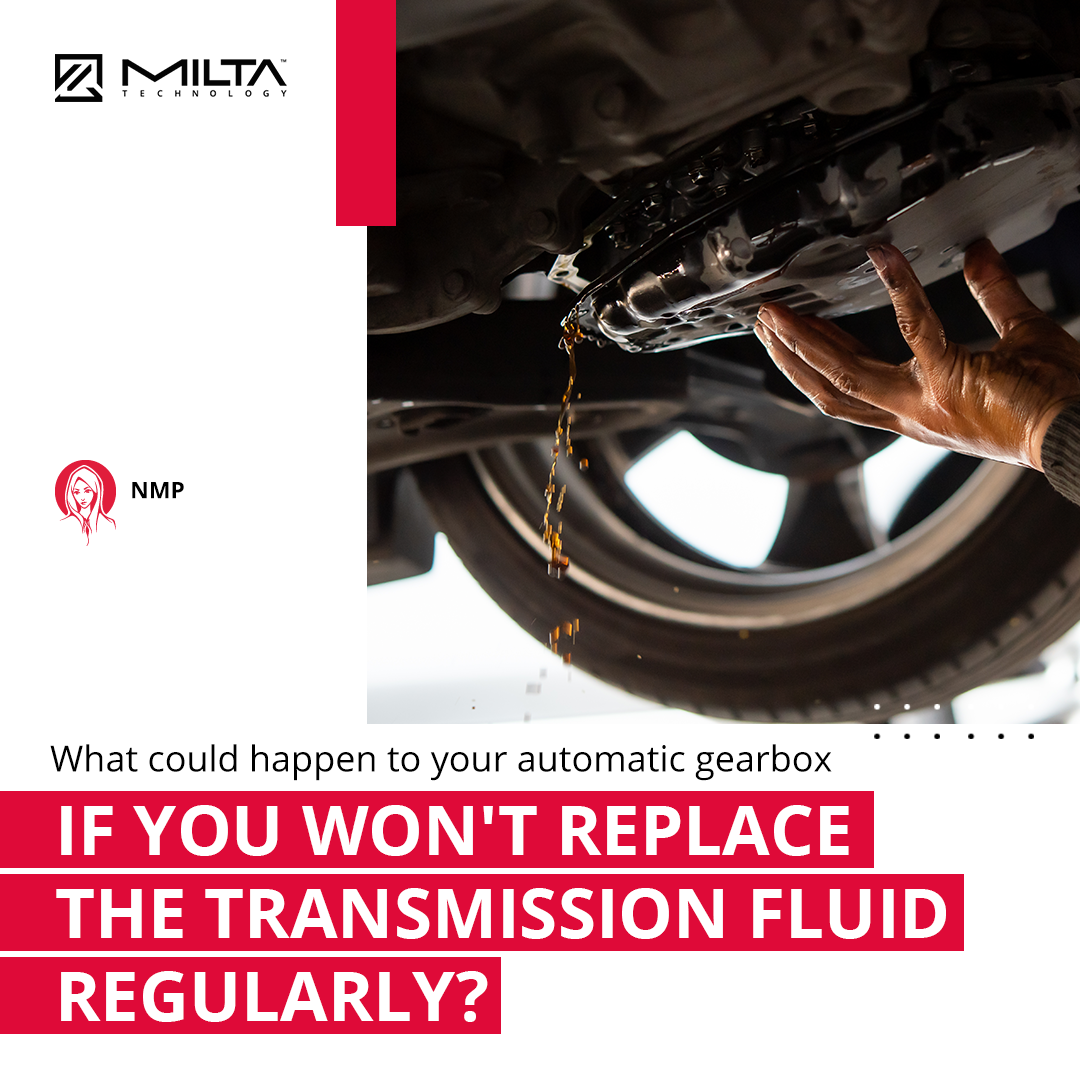
Credit: milta.co
Frequently Asked Questions
What Are The Signs Of Old Transmission Fluid?
Old transmission fluid often looks dark and smells burnt. You may notice rough or delayed gear changes. These signs suggest the fluid needs changing soon.
How Does Dirty Transmission Fluid Affect Car Performance?
Dirty fluid can cause the transmission to overheat. This leads to slipping gears and poor acceleration. It also reduces fuel efficiency and car smoothness.
Can Not Changing Fluid Cause Transmission Failure?
Yes, failing to change fluid can cause serious damage. Worn-out fluid loses its ability to protect parts. This can lead to costly repairs or full transmission failure.
How Often Should Transmission Fluid Be Changed?
Most cars need a fluid change every 30,000 to 60,000 miles. Check your owner’s manual for exact intervals. Regular changes keep your transmission running smoothly.
Conclusion
Neglecting to change transmission fluid causes serious car problems. The fluid gets dirty and loses its ability to protect parts. This leads to increased wear and costly repairs. Your transmission may overheat and fail sooner than expected. Regular fluid changes keep your vehicle running smoothly and save money.
Don’t wait for warning signs to take action. Protect your car by staying on top of maintenance. Good care means better performance and longer life for your transmission. Simple steps today prevent big troubles tomorrow.