What’S the Difference between a Small Block And Big Block: Key Insights
Are you curious about what sets a small block engine apart from a big block? If you’ve ever wondered which one suits your car or project better, you’re in the right place.
Understanding the key differences can save you time, money, and frustration. This isn’t just about size—it’s about power, performance, and what fits your needs best. Keep reading, and you’ll discover exactly how these engines differ and which one might be the perfect match for you.
Credit: www.youtube.com
Engine Size And Design
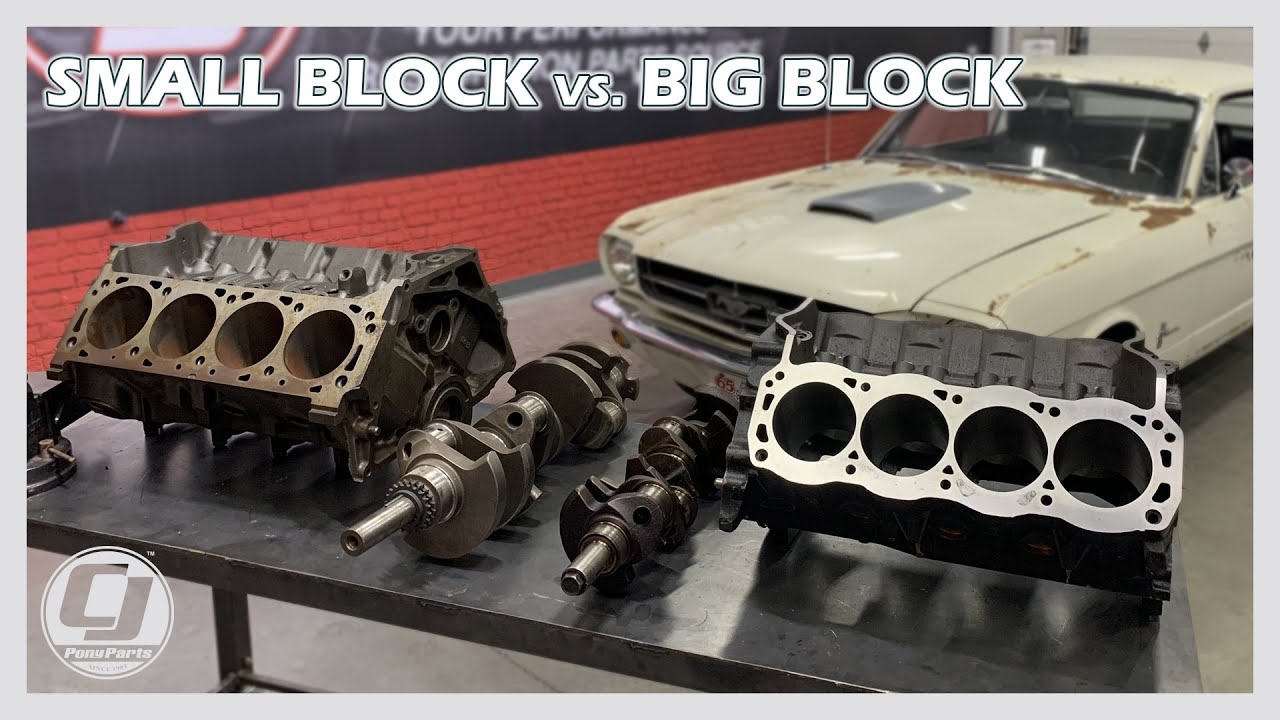
Engine size and design are key factors that set small block and big block engines apart. These differences affect how the engine performs, how much power it produces, and how it fits in a vehicle. Understanding these details helps you see why each engine type suits different needs.
Engine Size
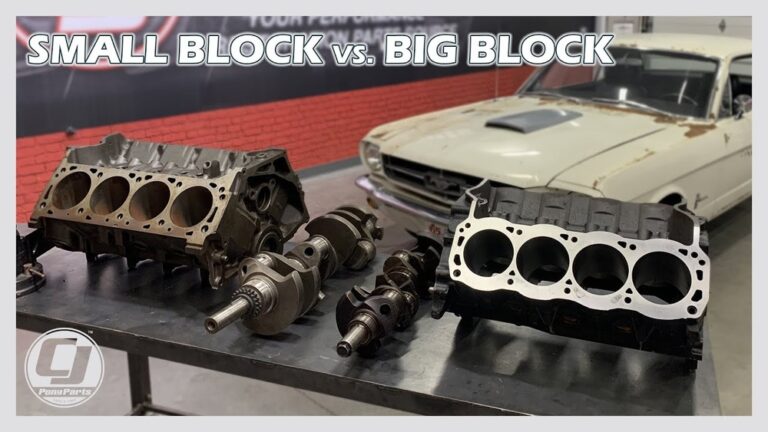
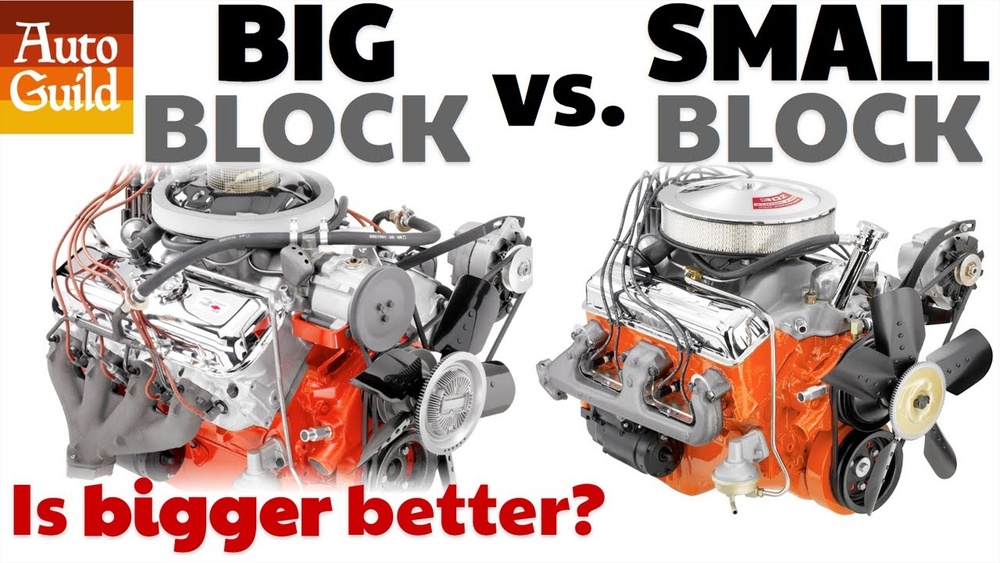
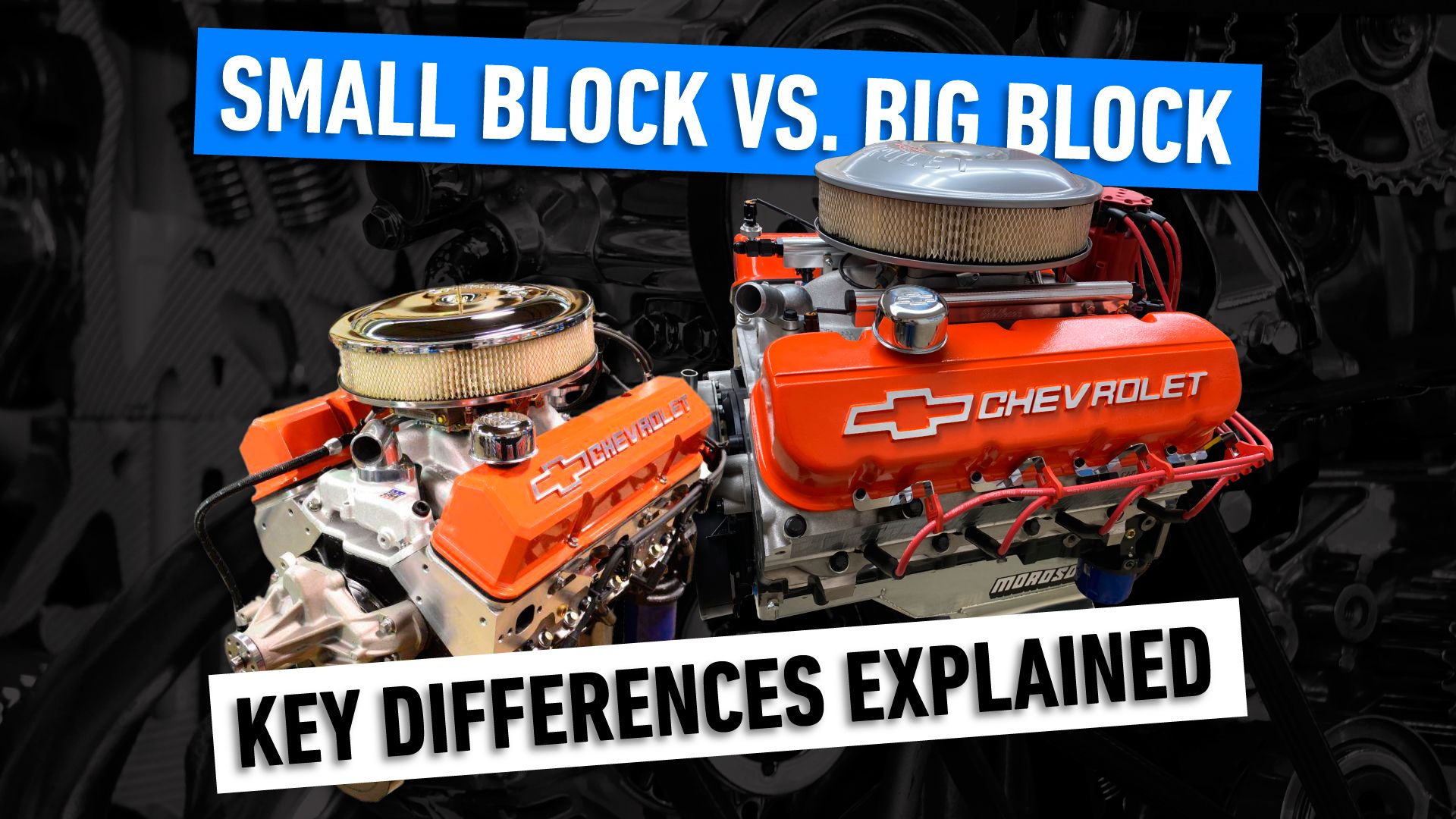
Small block engines usually have a smaller displacement. This means they hold less air and fuel inside their cylinders. Typical sizes range from 265 to 400 cubic inches. Big block engines are much larger. They often start around 400 cubic inches and can go over 500. The bigger size allows them to burn more fuel, creating more power.
Engine Design
Small blocks are more compact and lighter. Their design focuses on efficiency and speed. They use a shorter stroke and smaller bore. Big blocks have a larger bore and longer stroke. This design helps produce higher torque. Their size makes them heavier and bulkier. The design also affects cooling and durability, with big blocks built to handle more stress.
Credit: www.topspeed.com
Power And Performance
Power and performance define the core differences between small block and big block engines. Both have unique strengths that affect how a vehicle drives and responds. Understanding these traits helps in choosing the right engine for specific needs.
Power Output
Big block engines usually produce more power. They have larger cylinders and more displacement. This allows them to burn more fuel and air, creating stronger explosions. The result is higher horsepower and torque numbers.
Small block engines generate less raw power but still offer good performance. Their smaller size makes them lighter and quicker to rev. This can improve acceleration and handling in certain cars.
Torque Delivery
Big blocks excel at low-end torque. This means they provide strong pulling force at lower speeds. Trucks and muscle cars benefit from this feature during towing or quick starts.
Small blocks deliver torque more evenly across the rev range. This smooth power delivery makes them versatile for daily driving and racing.
Rpm Range
Small block engines generally operate at higher RPMs. They can spin faster without damage, providing more power at high speeds. This makes them ideal for sports cars and track use.
Big block engines have lower RPM limits. They produce peak power at slower speeds. Their strength lies in steady, heavy power rather than high revving.
Applications And Uses
Understanding the applications and uses of small block and big block engines helps in choosing the right one. Each engine type fits different needs and vehicle types. Their size, power, and design influence where they perform best.
Small Block Engines In Daily Driving
Small block engines are lighter and more compact. They fit well in smaller cars and trucks. These engines offer good fuel efficiency. They provide enough power for daily driving and commuting. Easy maintenance makes them popular among regular drivers.
Big Block Engines For Heavy-duty Tasks
Big block engines deliver more power and torque. They suit trucks and vehicles that carry heavy loads. These engines handle towing and hauling with ease. They work well in off-road vehicles and large SUVs. Big blocks are often used in racing and muscle cars for high performance.
Performance And Racing Uses
Small blocks are common in street racing and lighter race cars. Their smaller size allows quick acceleration. Big blocks power drag racing and heavy muscle cars. Their large displacement boosts top speed and strength. Both engine types have strong followings in the racing world.
Customization And Restoration
Car enthusiasts choose small blocks for classic car restorations. These engines are easier to modify and tune. Big blocks attract those seeking maximum power and torque. They are often rebuilt with performance parts. Both engines offer options for hobbyists and collectors.
Cost And Maintenance
Cost and maintenance are important factors when choosing between a small block and a big block engine. Both have different needs and expenses that affect your budget. Understanding these differences helps you make a smart decision for your vehicle.
Cost Of Small Block Engines
Small block engines usually cost less than big block engines. They use fewer materials and are easier to produce. Parts for small blocks are often cheaper and more common. This makes repairs and upgrades more affordable.
Cost Of Big Block Engines
Big block engines tend to be more expensive. They have larger parts and need more materials. Custom parts for big blocks cost extra. Insurance might be higher because of the engine size and power.
Maintenance Of Small Block Engines
Small block engines need less maintenance. They run cooler and are simpler inside. Oil changes and tune-ups take less time. Finding service for small blocks is easier due to their popularity.
Maintenance Of Big Block Engines
Big block engines require more attention. They generate more heat and stress. Regular checks on cooling and engine parts are necessary. Maintenance costs can add up over time.
Choosing The Right Engine
Choosing the right engine for your vehicle is crucial. It affects power, fuel use, and driving feel. Small block and big block engines serve different needs. Understanding their differences helps make a better choice.
What You Need From Power
Small block engines deliver good power for daily drives. They run lighter and use less fuel. Big block engines offer more power and torque. They suit heavy vehicles and tough tasks. Choose based on how much power you want.
Fuel Economy Matters
Small block engines consume less fuel. They work well for city and highway driving. Big block engines use more fuel. They perform best in off-road or heavy-duty work. Think about how much fuel you want to spend.
Space And Weight Limits
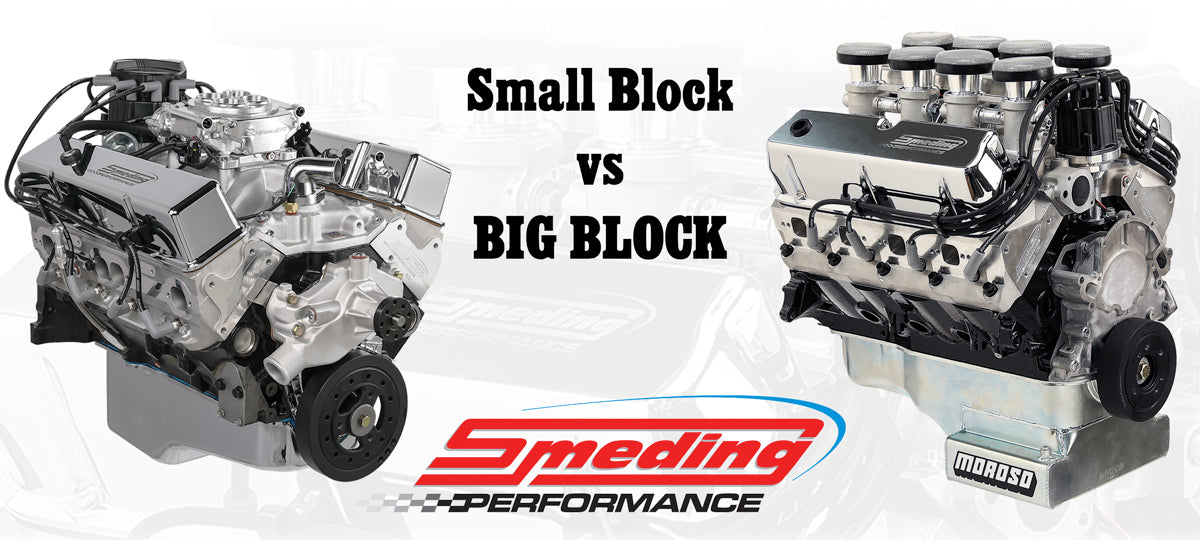
Small block engines fit in tight spaces. They keep the vehicle lighter. Big block engines are larger and heavier. They need more room under the hood. Check your vehicle size before choosing the engine type.
Maintenance And Costs
Small block engines are easier to maintain. Parts are often cheaper and more available. Big block engines may cost more to fix. They might require special care. Consider your budget for repairs and upkeep.
Credit: smedingperformance.com
Frequently Asked Questions
What Is The Main Size Difference Between Small Block And Big Block?
Small blocks have a smaller engine size, usually under 400 cubic inches. Big blocks are larger, often over 400 cubic inches. This size affects power and weight.
How Do Small Block And Big Block Engines Differ In Power?
Big block engines generally produce more power due to larger cylinders. Small blocks offer good power but are lighter and more compact. This impacts car performance differently.
Which Engine Type Is Better For Fuel Efficiency?
Small block engines usually use less fuel because they are smaller and lighter. Big blocks consume more fuel due to their size and power output. Fuel choice depends on driving needs.
Can Small Block And Big Block Engines Fit The Same Vehicles?
Small block engines fit in most cars easily because of their size. Big blocks need more space and are common in trucks or muscle cars. Vehicle design affects engine choice.
Conclusion
Small block and big block engines serve different needs. Small blocks are lighter and fit smaller cars. Big blocks offer more power and size. Each has pros and cons depending on your goals. Choosing the right engine depends on your vehicle and driving style.
Knowing these differences helps you make a smart choice. Both engines have strong followings and proven track records. Your decision should match your budget and performance desires. Understanding these basics simplifies your engine selection process.