What is the Difference between Big Block And Small Block: Key Insights
Are you curious about what sets a big block engine apart from a small block? Whether you’re a car enthusiast or just starting to explore the world of engines, understanding the difference can change how you see performance and power.
This isn’t just about size—it’s about how each engine type affects speed, fuel efficiency, and your driving experience. Keep reading, and you’ll discover the key facts that will help you make smarter choices for your ride. Don’t miss out on what could be the game-changer in your next car decision!
Engine Size And Design
Engine size and design are key differences between big block and small block engines. These factors affect power, weight, and performance. Understanding these helps you know why each engine suits different uses.
Engine Size
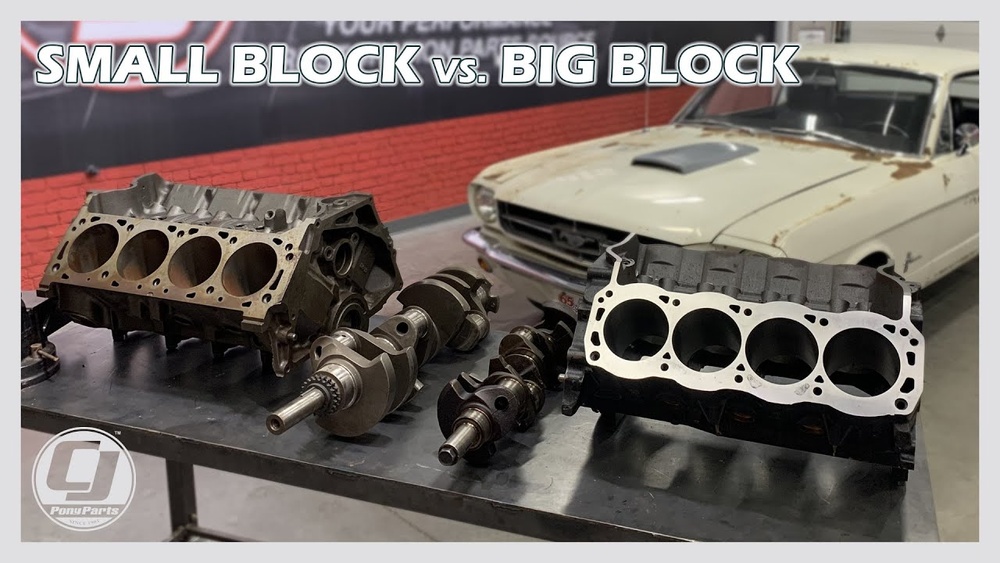
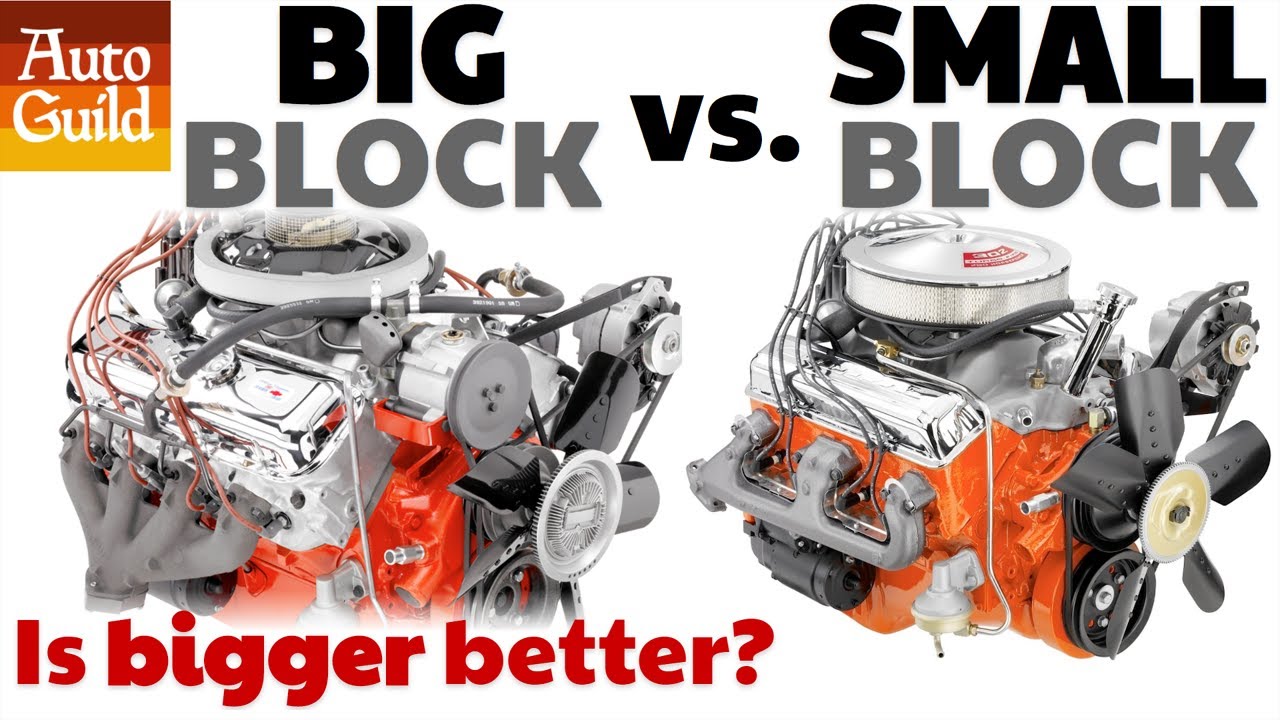
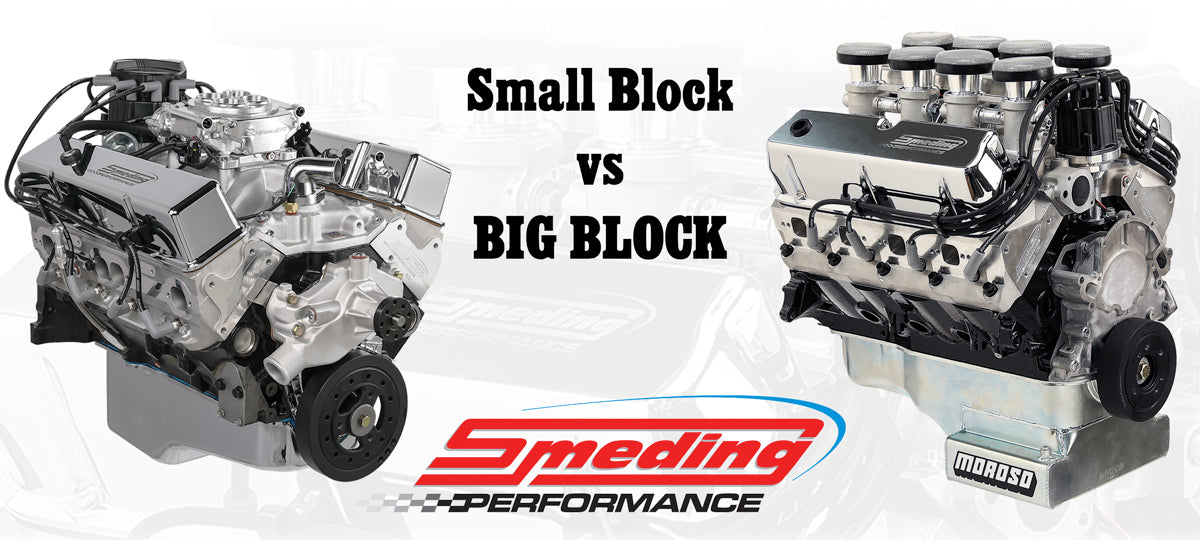
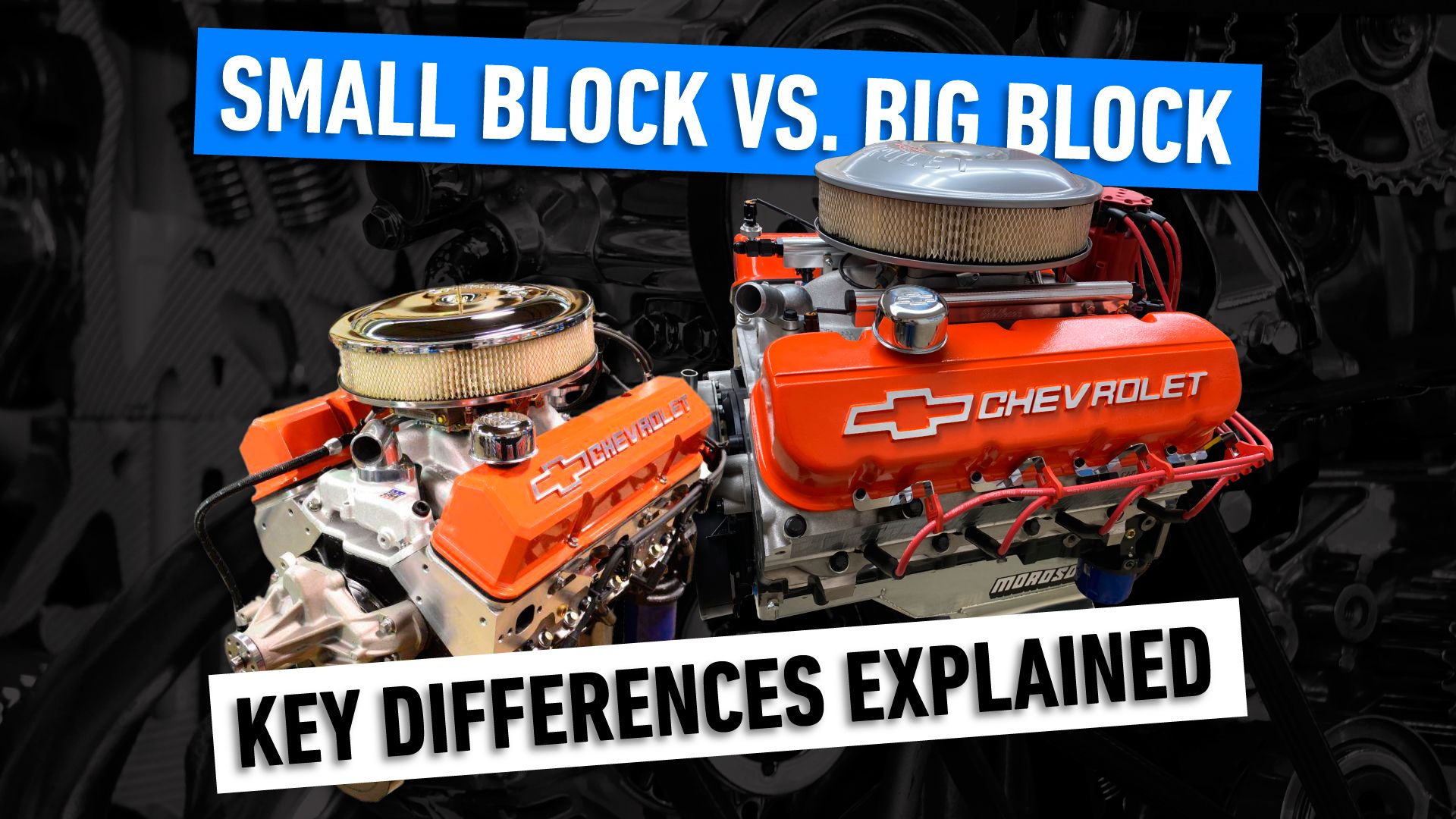
Big block engines have larger displacements. They often range from 400 to over 500 cubic inches. Small block engines usually measure between 260 and 400 cubic inches. Larger size means more air and fuel can enter the engine. This leads to higher power output. Small blocks are lighter and easier to handle. Big blocks are heavier but produce more torque.
Engine Design
Big block engines have a wider and taller design. This allows for bigger cylinders and more space between parts. Small block engines have a more compact and narrower layout. This makes them easier to fit into smaller cars. Big blocks often use thicker cylinder walls for strength. Small blocks focus on efficiency and quick response. The design impacts how the engine performs and fits in vehicles.
Credit: www.youtube.com
Performance And Power Output
Performance and power output are key factors that separate big block engines from small block engines. These two engine types differ in design, size, and how much power they produce. Understanding these differences helps you choose the right engine for your needs.
Big Block Engine Power Output
Big block engines have larger cylinders and more space for air and fuel. This design lets them produce more power and torque. They are great for heavy vehicles and racing cars that need high performance. Big blocks often deliver strong low-end torque for quick acceleration.
Small Block Engine Performance
Small block engines are lighter and smaller. They produce less power but are more efficient. These engines work well in everyday cars and trucks. Small blocks offer better fuel economy and easier handling. They perform well at higher speeds and revs.
Comparing Power And Efficiency
Big blocks give more raw power but use more fuel. Small blocks balance power with better fuel efficiency. The choice depends on whether you want power or economy. Each engine suits different driving styles and vehicle types.
Applications And Vehicle Compatibility
Applications and vehicle compatibility matter a lot when choosing between big block and small block engines. Each type fits different cars and purposes. Knowing their uses helps pick the right engine for a vehicle.
Big Block Engines In Heavy-duty Vehicles
Big block engines work well in trucks and muscle cars. They provide high power and torque needed for heavy loads. These engines suit towing and hauling tasks. They fit large engine bays with space for their size.
Small Block Engines In Everyday Cars
Small block engines are common in regular cars and light trucks. They offer good power with better fuel efficiency. Their smaller size fits compact engine compartments. They suit city driving and daily use.
Performance Uses Of Big Block Engines
Big blocks are popular in racing and performance builds. Their large displacement gives strong acceleration and speed. Racers choose them for drag racing and high horsepower needs.
Small Block Engines For Custom Builds
Small blocks are favored for custom and classic car restorations. They are easier to modify and maintain. Hobbyists like them for street rods and muscle car projects.
Credit: smedingperformance.com
Cost And Maintenance Considerations
Cost and maintenance are key factors when choosing between a big block and a small block engine. Each type has unique needs that affect your wallet over time. Understanding these differences helps you plan your budget and care routine better.
Big Block Engine Costs
Big block engines usually cost more upfront. Their larger size means more materials and complex parts. Fuel expenses also rise due to lower efficiency. Insurance might be higher because of the engine’s power. Repairs can be pricier too, as parts are often harder to find.
Small Block Engine Costs
Small block engines tend to be cheaper to buy. They use less fuel, saving money on gas. Insurance costs are often lower because these engines are less powerful. Replacement parts are common and less expensive. Overall, small blocks are easier on the budget.
Maintenance For Big Block Engines
Big block engines need more care. Their size and power put more stress on parts. Oil changes and tune-ups must be regular. Cooling systems require close attention to avoid overheating. Skilled mechanics might be needed for repairs.
Maintenance For Small Block Engines
Small blocks are simpler to maintain. Regular oil changes keep them running smooth. They face less wear and tear due to smaller size. Cooling and other systems require standard care. Many mechanics can service these engines easily.
Credit: www.topspeed.com
Frequently Asked Questions
What Defines A Big Block Engine?
A big block engine has a larger physical size and more cylinders. It offers higher power and torque than smaller engines. Commonly used in trucks and muscle cars.
How Does A Small Block Engine Differ?
Small block engines are smaller and lighter. They deliver less power but better fuel efficiency. Ideal for daily driving and lighter vehicles.
Which Engine Is Better For Performance?
Big block engines excel in raw power and acceleration. Small blocks provide quicker throttle response and easier handling. Choice depends on vehicle and use.
Are Big Block Engines More Expensive To Maintain?
Big block engines usually cost more to maintain and repair. They have larger parts and consume more fuel. Small blocks are cheaper and easier to service.
Can A Small Block Engine Be Upgraded For Power?
Yes, small block engines can be modified to increase horsepower. Upgrades include better intake, exhaust, and tuning. However, they may not reach big block power levels.
Conclusion
Big block and small block engines serve different needs. Big blocks offer more power but weigh more. Small blocks are lighter and easier to handle. Each has its place depending on your goals. Understanding their differences helps you choose wisely.
Think about your vehicle and driving style first. This way, you get the best engine for your ride.