Is It Normal for Oil Pressure to Fluctuate While Driving? Explained!
Have you ever noticed your oil pressure gauge moving up and down while you’re driving? It can be confusing and a little worrying.
You might wonder if this is normal or if it signals a serious problem with your car. Understanding what causes oil pressure to fluctuate can save you from unexpected repairs and keep your engine running smoothly. You’ll discover why oil pressure changes happen, when you should be concerned, and what steps you can take to protect your vehicle.
Keep reading to get the answers you need and drive with confidence.
Causes Of Oil Pressure Fluctuation
Oil pressure in a car engine can change while driving. These changes often happen due to several common reasons. Knowing these causes helps you understand if the changes are normal or a sign of a problem. Here are the main reasons for oil pressure fluctuation.
Engine Load And Rpm Changes
Oil pressure depends on engine load and speed. When the engine works harder, oil pressure often rises. At higher RPMs, the oil pump spins faster, pushing more oil. During slow driving or idling, pressure may drop. These shifts are normal as the engine changes its effort.
Oil Viscosity And Temperature
Oil thickens when cold and thins when hot. Thick oil causes higher pressure. Thin oil lowers pressure as it flows easier. Temperature changes during driving affect oil thickness. This leads to natural pressure changes. Using the right oil grade helps keep pressure stable.
Oil Pump Performance
The oil pump moves oil through the engine. A strong pump keeps steady pressure. A worn or damaged pump causes pressure to drop or fluctuate. Pump problems need quick attention to avoid engine damage. Regular checks can spot pump issues early.
Oil Level And Quality
Low oil level reduces pressure and causes fluctuations. Dirty or old oil can block passages and affect pressure. Checking oil level and quality is important. Changing oil on time keeps the engine safe and pressure steady. Clean oil moves freely and maintains proper pressure.

Credit: www.reddit.com
When Fluctuations Are Normal
Oil pressure changes inside an engine can happen for normal reasons. These changes do not always signal a problem. Knowing when fluctuations are typical helps avoid unnecessary worry. Some driving conditions naturally cause oil pressure to rise or fall. Understanding these moments can help you monitor your car better.
Cold Starts And Warm-up Periods
When you start a cold engine, oil pressure may be low at first. Cold oil is thicker and moves slower. As the engine warms up, oil thins and flows better. This causes oil pressure to rise and stabilize. It is normal for pressure to jump during this warm-up phase.
High Rpm Driving
Driving at high engine speeds often increases oil pressure. The oil pump spins faster and pushes more oil. This higher flow raises pressure readings. Some fluctuation in pressure at high RPM is typical. It shows the engine is working hard and the oil system is responding.
Temporary Load Variations
Oil pressure can change when the engine load shifts suddenly. For example, going uphill or accelerating hard may alter pressure. The oil pump adjusts to these needs quickly. These brief pressure changes are normal and expected. They protect engine parts under different stresses.
Signs Of Problematic Oil Pressure
Oil pressure is very important for your car’s engine health. It keeps the engine parts lubricated and running smoothly. Sometimes, oil pressure can change while driving. But some changes mean trouble. Knowing the signs of bad oil pressure helps you avoid engine damage. This section explains what to watch for.
Warning Lights And Gauges
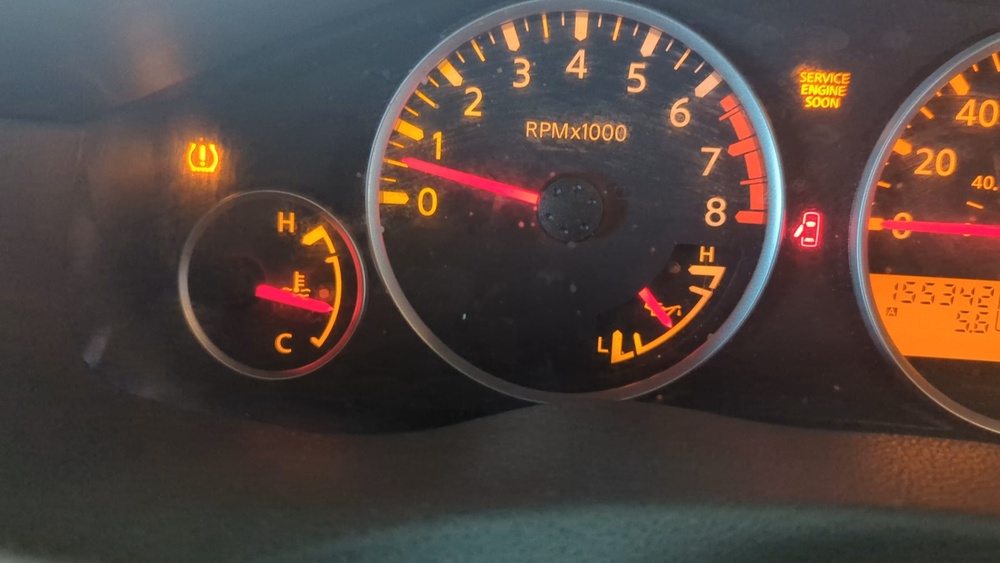
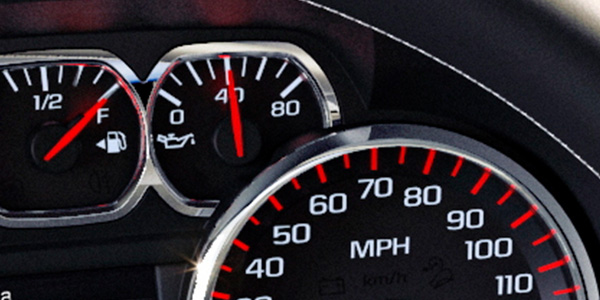
The oil pressure light on your dashboard is the first sign of trouble. It may flicker or stay on. The oil pressure gauge can also show sudden drops or spikes. These signals mean the oil pressure is not steady. Ignoring these signs can cause serious engine damage.
Engine Noise And Performance Issues
Low oil pressure can make your engine noisy. You may hear knocking or ticking sounds. The engine might run rough or lose power. These noises happen because the engine parts are not lubricated well. Pay attention to any strange sounds or poor engine performance.
Visible Leaks Or Smoke
Look under your car for oil spots or leaks. Leaking oil can cause low pressure. Also, check for smoke from the engine area. Blue or gray smoke may mean burning oil. These signs show the oil system might be damaged or clogged.

Credit: www.underhoodservice.com
Steps To Take If Oil Pressure Fluctuates
Oil pressure that changes while driving needs quick attention. Ignoring it can cause serious engine problems. Follow these steps to find the cause and fix it early. These checks help keep your engine safe and running well.
Checking Oil Level And Condition
Start by checking the oil level with the dipstick. Low oil can cause pressure to drop. The oil should be clean and free of dirt. Dark or gritty oil needs changing. Fresh oil helps maintain steady pressure and engine health.
Inspecting The Oil Pump And Filter
The oil pump moves oil through the engine. A faulty pump may cause pressure changes. The oil filter can also clog and block oil flow. Replace the filter regularly to avoid issues. A quick inspection can show if these parts work well.
Consulting A Mechanic
Some oil pressure problems need expert help. A mechanic can test the system with special tools. They find hidden issues that are hard to see. Early professional advice prevents bigger repairs. Trust a mechanic for accurate diagnosis and repair.
Credit: www.underhoodservice.com
Frequently Asked Questions
Why Does Oil Pressure Fluctuate While Driving?
Oil pressure can change due to engine speed, oil temperature, and oil viscosity. These factors cause normal, small pressure shifts during driving.
Is Fluctuating Oil Pressure A Sign Of Engine Trouble?
Small fluctuations are usually normal, but large or sudden drops can signal problems. Watch for other symptoms like warning lights or noises.
How Can I Check If My Oil Pressure Is Safe?
Use a mechanical gauge or monitor the dashboard oil pressure light. Consistent readings within the manufacturer’s range mean the pressure is safe.
Can Low Oil Pressure Damage My Car Engine?
Yes, low oil pressure can cause poor lubrication and engine wear. It’s important to fix low pressure issues quickly.
What Causes Oil Pressure To Drop Suddenly While Driving?
Sudden drops may result from oil leaks, a failing pump, or clogged filters. Quick inspection is needed to avoid engine damage.
Conclusion
Oil pressure can change a little while driving, and that is normal. Small shifts often happen when the engine speed changes. But big, fast drops or spikes need attention. Watch your gauge and listen for unusual sounds. Regular oil checks keep your engine healthy and safe.
Don’t ignore warning lights or strange behavior. Keep your car running smoothly by staying alert to oil pressure changes. Safety and maintenance go hand in hand on every drive.