Can I Go Through a Carwash With a Cracked Windshield? Essential Tips
You might be wondering if it’s safe to take your car through a carwash when your windshield has a crack. After all, keeping your car clean is important, but what if that crack gets worse?
You don’t want to risk damaging your windshield further or facing costly repairs. You’ll learn why going through a carwash with a cracked windshield can be risky, what factors make the crack worse, and what you should do instead to protect your car.
Keep reading to find out how to keep your windshield safe while still getting your car sparkling clean.

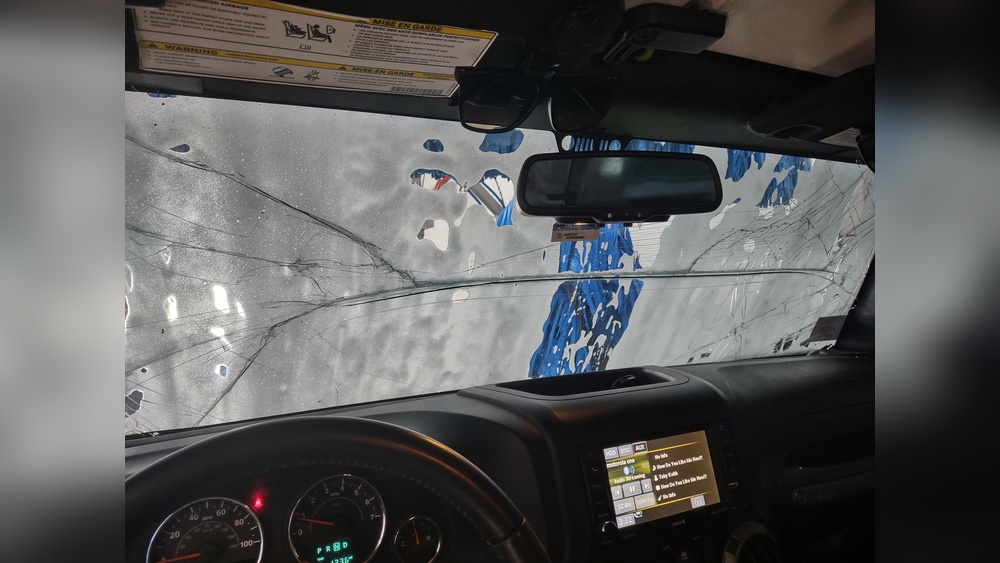
Credit: www.reddit.com
Risks Of Using Carwash With Cracked Windshield
Using a carwash with a cracked windshield carries several risks. The high-pressure water jets and mechanical parts can worsen the crack. Temperature changes during the wash can also affect the glass. Dirt and moisture might enter the damaged area, reducing the windshield’s strength. These factors make it unsafe to use an automatic carwash with a cracked windshield.
Water Pressure Effects
Carwash machines use strong water jets to clean vehicles. This high pressure pushes against the windshield glass. A cracked windshield has weak spots that water pressure can exploit. The force can make existing cracks grow larger. In some cases, the glass may even shatter under pressure.
Thermal Shock Impact
Carwashes often use warm water followed by cold rinse cycles. This sudden temperature change can stress the glass. A cracked windshield is more sensitive to these shifts. Thermal shock causes the glass to expand and contract unevenly. This can cause cracks to spread quickly or worsen.
Debris And Moisture Damage
Water and dirt can enter the cracks during a wash. Moisture trapped inside weakens the glass layers. Dirt particles can cause abrasion inside the crack. These elements reduce the windshield’s strength and clarity. Over time, this damage can lead to further cracking or warping.
Assessing Your Windshield Crack
Before deciding to go through a carwash with a cracked windshield, you must carefully assess the damage. Understanding the crack’s size, location, and condition helps you avoid worsening the problem. A windshield crack might look small but could be fragile and unstable. Evaluating these factors ensures your safety and saves money on future repairs.
Size And Location Matters
Small cracks under six inches often pose less risk in a carwash. Larger cracks or chips can weaken the glass more. Cracks near the edges are more dangerous because they can spread quickly. The center of the windshield usually holds up better, but damage there still needs caution. Knowing the exact size and spot helps you decide if a carwash is safe.
Severity And Stability
Stable cracks that do not move or spread may survive a gentle wash. Unstable cracks worsen with pressure, heat, or vibration. Check if the crack has grown recently or if you feel any glass movement. Severe cracks with spiderweb patterns or deep chips need immediate attention. The windshield’s strength depends on how stable the damage is right now.
When To Avoid Washing
Avoid automatic carwashes when the crack is large or near edges. High-pressure water jets can force water inside the crack, making it bigger. Temperature changes during washing can cause the glass to expand and crack more. Skip any wash that uses brushes or strong chemicals on the windshield. Choose hand washing or wait for a professional repair instead.
Alternatives To Automatic Carwash
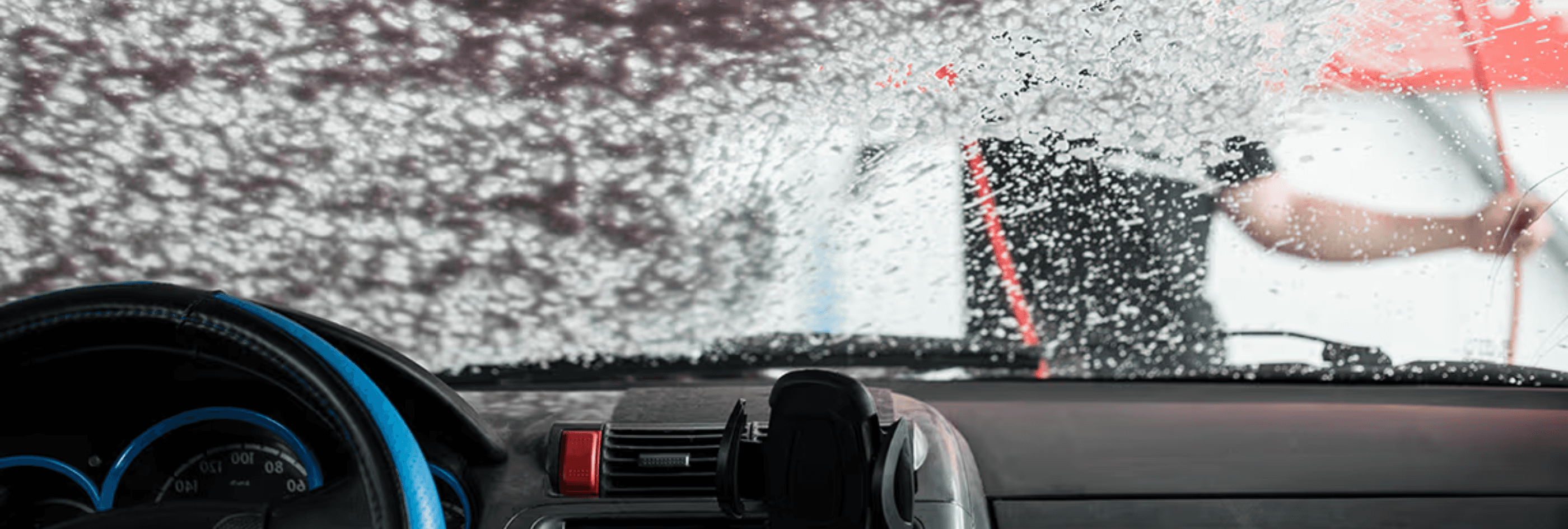
Automatic car washes can harm a cracked windshield. The strong water pressure and moving brushes might worsen the crack. Instead, try safer options that clean your car gently. These methods protect your windshield and still keep your car looking good.
Hand Washing Tips
Hand washing lets you control the water pressure. Use a soft sponge or cloth to avoid scratching. Wash the car slowly, especially near the cracked area. Rinse with low-pressure water to prevent stress on the glass. Dry the car with a soft towel to stop water spots.
Using Gentle Cleaning Methods
Choose mild soap made for cars. Avoid harsh chemicals that can weaken the windshield. Use cool or lukewarm water instead of hot water. Hot water can cause the glass to expand and crack more. Clean the windshield carefully without pressing hard on the crack.
Professional Repair Before Wash
Fix the crack before washing the car. A professional repair can stop the crack from growing. It also protects the windshield from water damage. After the repair, you can clean the car without worry. This step saves money and keeps your car safe.
Credit: www.autoglassnow.com
Preventing Crack Worsening
Preventing a cracked windshield from worsening is essential for safety and cost savings. Small cracks can quickly turn into large ones. This makes the windshield weaker and more dangerous. Taking simple steps can slow down or stop crack growth. These actions protect your vehicle until you can get professional repair.
Temporary Protection Measures
Cover the crack with clear tape to keep out dirt and moisture. Use a windshield repair kit for small chips to prevent spreading. Avoid touching or pressing the cracked area. Clean gently around the damage without applying pressure. These steps help protect the glass until repair.
Avoiding Extreme Temperatures
Heat and cold cause the glass to expand and contract. Avoid parking in direct sunlight or freezing conditions. Use a sunshade to reduce heat inside the car. Warm the vehicle slowly in winter instead of using high heat. This reduces stress on the cracked windshield.
Safe Driving Practices
Drive carefully on rough roads and avoid potholes. Sudden bumps can worsen the crack. Keep a safe distance from other cars to reduce debris impact. Limit driving speed to reduce vibration effects. Smooth driving helps keep the crack stable.
When To Replace Your Windshield
Knowing when to replace your windshield is crucial for your safety and vehicle maintenance. A cracked windshield can worsen over time. Small cracks may seem harmless but can lead to bigger problems. It is essential to recognize the signs that indicate replacement is necessary. Acting early can prevent accidents and costly repairs.
Signs Of Structural Weakness
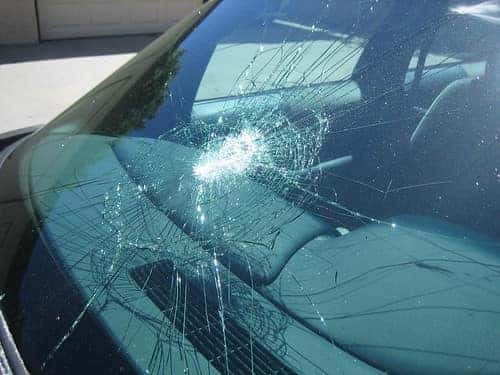
Look for cracks that spread quickly or cover a large area. Chips near the edge of the windshield often weaken the glass. If you notice distortion when driving, the windshield may be compromised. Any crack that blocks the driver’s view needs immediate attention. Weak glass can shatter easily in a collision.
Legal And Safety Considerations
Many states have laws about windshield damage. Driving with a cracked windshield might lead to fines or failed inspections. Cracks can reduce the windshield’s ability to protect you in a crash. The windshield supports the roof during rollovers. Safety is at risk if the glass is damaged.
Choosing A Reliable Repair Service
Find a repair shop with good reviews and trained technicians. Quality repairs restore the strength and clarity of the glass. Ask if they use OEM or high-quality replacement parts. A trustworthy service offers warranties on their work. Proper installation prevents leaks and further damage.
Credit: www.vwofmarion.com
Frequently Asked Questions
Can I Go To Car Wash With A Cracked Windshield?
Avoid automatic car washes with a cracked windshield. High water pressure and temperature changes can worsen the crack. Choose a gentle hand wash instead and repair the windshield promptly.
Can I Go Through A Carwash With A Small Crack In My Windshield And A Small Dent On The Front Bumper?
Avoid automatic car washes with a cracked windshield; high-pressure water can worsen cracks. A small dent on the bumper won’t affect the wash. Choose a gentle hand wash until professional repairs fix the windshield.
How Long Can You Drive A Car With A Cracked Windshield?
You should drive with a cracked windshield only until you can get it repaired. Driving longer risks crack expansion and safety hazards. Replace or fix it promptly to avoid legal and visibility issues.
Can I Get My Car Washed With A Cracked Windscreen?
Avoid automatic car washes with a cracked windshield. High water pressure and temperature changes can worsen the crack or cause shattering. Opt for a gentle hand wash until you repair the glass to prevent further damage and maintain safety.
Can A Carwash Worsen A Cracked Windshield?
High-pressure water in carwashes can make cracks grow. Temperature changes during washing also expand the crack. This can weaken the windshield further.
Conclusion
Avoid using automatic car washes with a cracked windshield. High water pressure can make cracks bigger fast. Temperature changes during washing can also stress the glass. Dirt and moisture might get trapped inside cracks. This weakens the windshield and can cause more damage.
A gentle hand wash is safer until you fix the crack. Repairing your windshield quickly keeps you safe on the road. Clean cars look good, but safety must come first. Take care of your windshield to avoid costly repairs later.