How to Tell If Transmission Fluid is Low on Dipstick: Quick Guide
Wondering how to quickly check if your transmission fluid is running low? You’re in the right place.
Knowing how to read the dipstick for your transmission fluid can save you time, money, and prevent costly repairs down the road. It’s a simple step that helps you catch problems early and keep your car running smoothly. In this guide, you’ll learn exactly how to tell if your transmission fluid is low using the dipstick, what signs to watch for, and tips to make sure you get it right the first time.
Keep reading to protect your vehicle and drive with confidence.
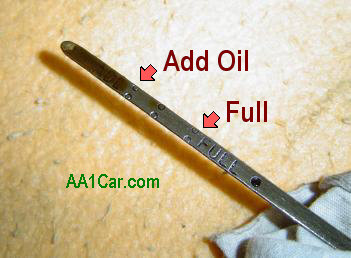
Credit: www.aa1car.com
Locate The Dipstick
Start by opening the hood and locating the transmission dipstick, usually near the engine. It often has a brightly colored handle for easy spotting. Pull it out carefully to check the fluid level and condition.
Finding the transmission fluid dipstick is the first step to checking fluid levels. It looks like a thin metal rod with a loop or handle on top. Usually, it sits near the engine, close to the back or side of the engine bay. The dipstick often has a bright color, like red or yellow, to make it easier to spot.
Open the car hood fully and stand in front of the engine. Look for a handle that stands out from other parts. Your car’s owner’s manual can help identify the exact location of the dipstick. Some vehicles have a separate dipstick just for transmission fluid, while others may not have one at all.
Check the area around the engine carefully. The dipstick is usually marked with “Transmission” or a symbol that looks like a gear. Avoid confusing it with the oil dipstick, which is usually closer to the front of the engine. Knowing where the dipstick is saves time and helps you check the fluid correctly.

Credit: www.reddit.com
Prepare Your Vehicle
Start by warming your vehicle and parking it on level ground. Remove the dipstick, clean it, reinsert fully, then pull it out to check the fluid level. The fluid should be within the marked “Hot” area for an accurate reading.
Park On A Level Surface
Start by parking your vehicle on flat ground. This helps get an accurate fluid reading. Avoid slopes or uneven areas.
Turn off the engine and wait a few minutes. This lets the fluid settle in the transmission.
Warm Up The Engine
Turn on the engine and let it run. Keep the vehicle in park or neutral. Allow it to reach normal operating temperature.
Warm fluid flows better and gives a correct level reading. Cold fluid can give a false low reading on the dipstick.
Engage The Parking Brake
Apply the parking brake for safety. This prevents the car from rolling during the check. It keeps your vehicle stable.
Gather Necessary Tools
Have a clean rag or paper towel ready. You need it to wipe the dipstick clean. Avoid dirt or grease interfering with the reading.
Keep the dipstick handy. This prepares you for a quick fluid level check without delay.
Check Fluid Level On Dipstick
Checking the transmission fluid level on the dipstick is a quick way to spot low fluid. This step helps prevent transmission problems early.
Start by warming your car and parking it on a flat surface. Keep the engine running or off as your owner’s manual instructs. Then, pull out the dipstick carefully.
Locate And Remove The Dipstick
Open the hood and find the transmission dipstick. It usually has a bright handle. Pull it out slowly to avoid spilling fluid.
Clean The Dipstick
Wipe the dipstick clean with a lint-free cloth or paper towel. This removes old fluid and dirt. A clean dipstick gives a clear reading.
Reinsert And Remove The Dipstick Again
Put the dipstick back fully into its tube. Then pull it out once more. This second reading shows the true fluid level.
Read The Fluid Level
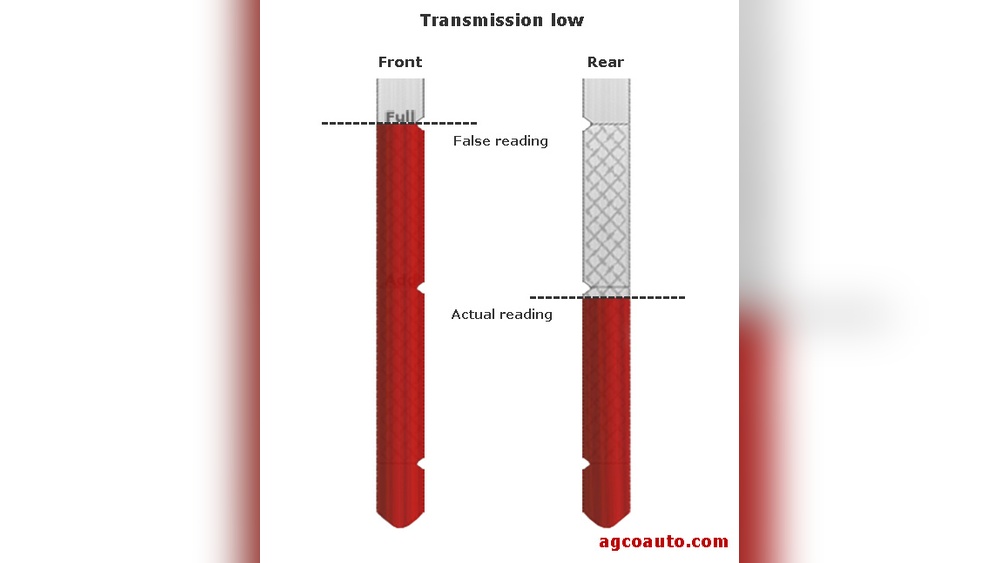
Hold the dipstick horizontally and check the fluid mark. The fluid should be inside the “Hot” or “Cold” marks. The correct mark depends on engine temperature.
Check Fluid Color And Smell
Good transmission fluid is bright red and smells slightly sweet. Dark or burnt-smelling fluid may mean it needs changing.
Note Fluid Level On Both Sides
Fluid can cling unevenly. Look at both sides of the dipstick. Use the lowest clean fluid mark to judge the level.
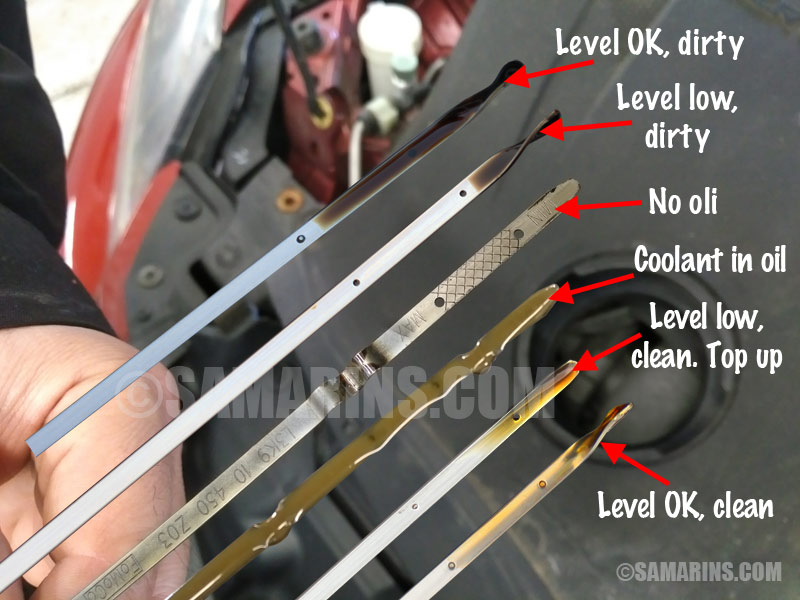
Credit: www.samarins.com
Frequently Asked Questions
How Will A Car Act If It’s Low On Transmission Fluid?
A car low on transmission fluid may slip gears, shift roughly, or hesitate during acceleration. It can also overheat and produce a burning smell.
How To Check Transmission Fluid On A Ford Transit 250?
Park the Ford Transit 250 on level ground and warm up the engine. Locate the transmission dipstick, pull it out, wipe clean, reinsert, and remove it again. Check the fluid level; it should be within the “Hot” marked area. Consult the owner’s manual for exact details.
Can I Just Add Transmission Fluid If It’s Low?
Adding transmission fluid when low helps, but always check your owner’s manual first. Overfilling or using the wrong fluid can cause damage. Fill slowly and recheck the level to avoid overfilling. If unsure, consult a mechanic to prevent transmission problems.
Is It Better To Overfill Or Underfill A Transmission?
Underfilling risks overheating and poor shifting, while overfilling can cause foaming and leaks. Always fill to the manufacturer’s recommended level.
How Do I Know If Transmission Fluid Is Low On Dipstick?
Check the fluid level on the dipstick after warming the car and parking on level ground. The fluid should reach the “Hot” mark or crosshatched area. If it’s below this, the fluid is low.
Conclusion
Checking your transmission fluid regularly keeps your car running smoothly. Warm the engine and park on a flat surface before testing. Wipe and reinsert the dipstick for an accurate reading. Look for the fluid level within the “hot” or “cold” marks, depending on the engine temperature.
Clear, reddish fluid means good condition; dark or burnt smells need attention. Always follow your owner’s manual for specific instructions and fluid types. Small steps like these help avoid costly repairs and improve your vehicle’s lifespan. Keep an eye on your transmission fluid—it matters more than you think.