Can You Mix Synthetic Gear Oil With Regular Gear Oil? Expert Tips
Are you wondering if it’s okay to mix synthetic gear oil with regular gear oil in your vehicle? Whether you’re topping off your differential or handling a last-minute gear oil change, this question probably crossed your mind.
Mixing these oils might seem like a quick fix, but is it really safe? Could it affect your gear system’s performance or cause damage? You’ll discover the truth about combining synthetic and conventional gear oils. By the end, you’ll know when it’s acceptable, what risks to watch out for, and how to keep your gears running smoothly.
Keep reading to protect your vehicle and avoid costly repairs!
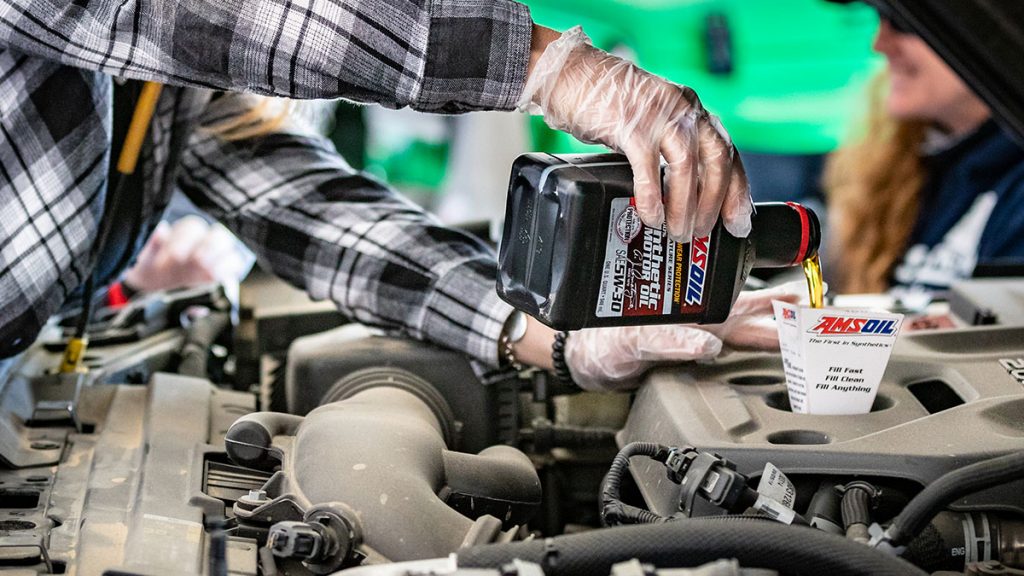
Credit: blog.amsoil.com
Differences Between Synthetic And Regular Gear Oil
Mixing synthetic gear oil with regular gear oil can change how the oil performs. Each type has different additives and base oils. These differences can affect lubrication and protection inside your gearbox.
Some effects of mixing gear oils are not always visible right away. Over time, the mixture may cause changes in oil thickness and chemical stability. This can impact the lifespan of your gears and bearings.
Changes In Lubrication Quality
Synthetic gear oils usually provide better lubrication at extreme temperatures. Mixing with regular oil can reduce this benefit. The combined oil may not flow as smoothly or protect as well under stress.
This can lead to increased wear and tear on gear components. The protective film formed by synthetic oil may weaken. Gears may run hotter and wear faster.
Impact On Oil Additives
Gear oils contain additives to prevent corrosion and reduce friction. Synthetic and regular oils use different additive packages. When mixed, these additives can react and lose effectiveness.
The loss of additive performance can reduce protection against rust and metal-to-metal contact. This may lead to faster gear damage and shorter oil life.
Viscosity And Stability Concerns
Viscosity is the oil’s thickness and flow ability. Synthetic oils often have more stable viscosity over time. Mixing with regular oil can cause uneven thickness changes during use.
This instability can affect gear operation, causing noise or rough shifting. The oil may also break down faster, requiring more frequent changes.
Potential For Deposit Formation
Different gear oils burn and oxidize differently. Mixing can increase the chance of deposits forming inside the gearbox. These deposits can clog oil passages and reduce performance.
Deposits increase friction and wear, harming the gears and bearings. They may also cause overheating, which further damages the oil and parts.
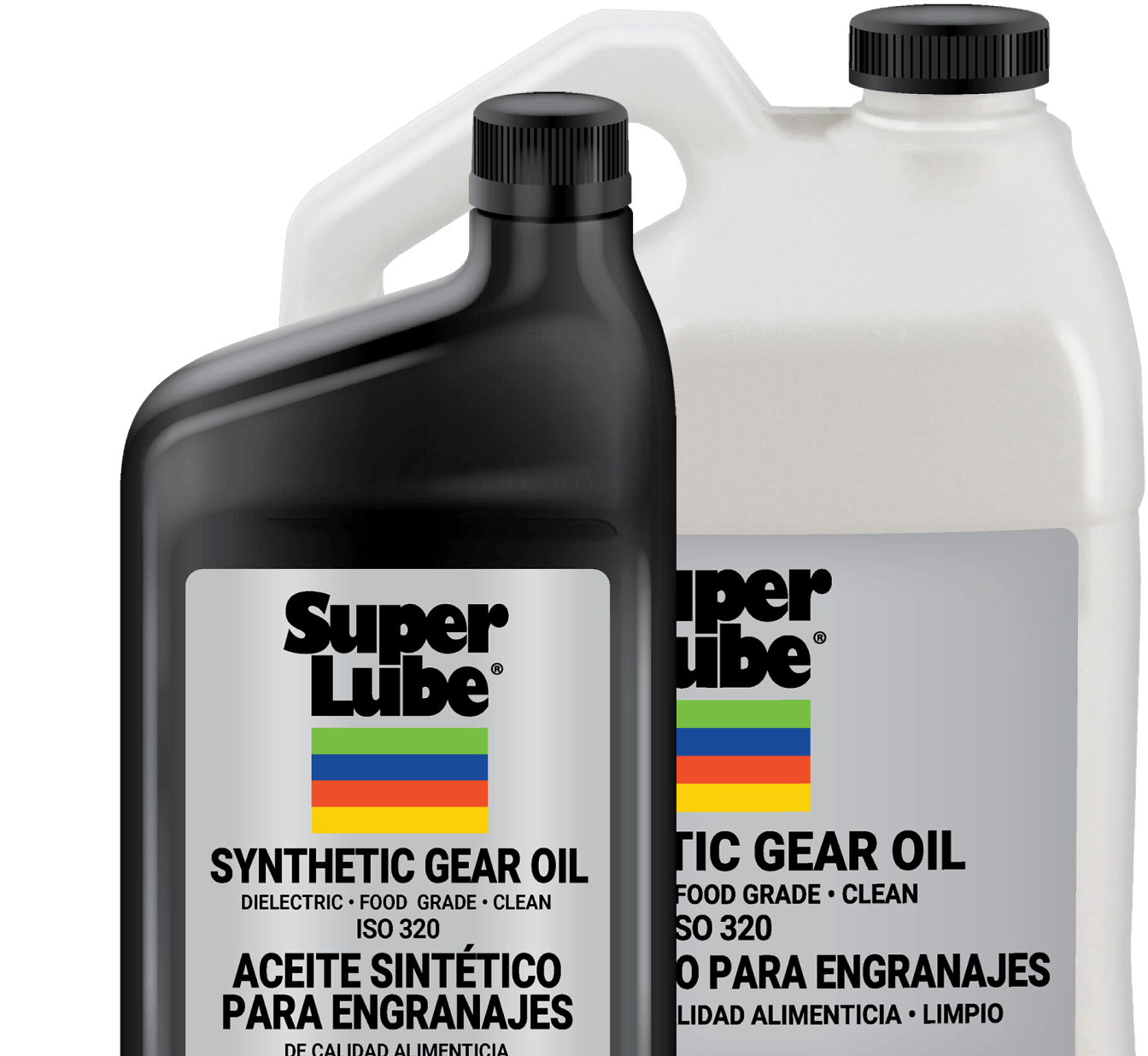
Credit: www.super-lube.com
Compatibility Of Synthetic And Regular Oils
Mixing synthetic gear oil with regular gear oil can be done safely in certain situations. It is not ideal for long-term use but can work during emergencies. Understanding when it is acceptable helps protect your vehicle’s transmission or differential.
Always check your vehicle’s manual before mixing oils. The manufacturer provides specific guidelines on oil type and viscosity. Following these rules ensures proper lubrication and avoids damage.
Matching Viscosity Grades
Only mix gear oils with the same viscosity grade. Different viscosities can cause uneven protection and wear. For example, mixing 75W-90 synthetic with 75W-90 conventional oil is usually safe. Avoid mixing oils with different thicknesses.
Compatible Additive Packages
Gear oils contain additives to improve performance. Mixing oils with incompatible additives can cause chemical reactions. This reduces their effectiveness and may harm your gears. Use oils from the same brand or check compatibility before mixing.
Temporary Use Only
Mixing synthetic and regular gear oil is best for short periods. It can help if you run low and cannot get the exact oil immediately. Plan to replace the mixed oil with the correct type as soon as possible to maintain protection.
Manufacturer Approval
Some manufacturers allow mixing synthetic and conventional oils. Look for this information in your owner’s manual. If mixing is not approved, avoid it to prevent voiding warranties or causing damage.
Effects Of Mixing Gear Oils
Choosing the correct gear oil is essential for your vehicle’s health. The right oil ensures smooth operation and protects gears from wear. It also helps maintain efficiency and extend the life of your transmission or differential.
Several factors affect your choice. These include the type of oil, viscosity, and manufacturer recommendations. Knowing these details helps you make an informed decision and avoid costly repairs.
Check Your Vehicle’s Manual
The owner’s manual gives specific gear oil requirements. It lists the recommended viscosity and oil type. Following these instructions keeps your vehicle running properly. Ignoring them can lead to damage or poor performance.
Understand Viscosity Ratings
Viscosity shows how thick or thin the oil is. It affects how well the oil flows at different temperatures. Using the wrong viscosity can cause poor lubrication or leaks. Choose the viscosity grade recommended for your climate and vehicle.
Consider Synthetic Vs. Conventional Oil
Synthetic oils offer better protection and last longer. They resist breaking down under heat and pressure. Conventional oils cost less but may need more frequent changes. Decide based on your driving style, budget, and vehicle needs.
Look For Industry Certifications
Certifications like API or SAE show the oil meets certain standards. These marks ensure quality and performance. Always pick gear oil with proper certifications for reliability and safety.
Match Oil To Your Driving Conditions
Heavy towing or off-road driving demands stronger gear oil. Normal city driving may allow for standard oils. Adjust your choice based on how and where you drive most often.
Credit: www.super-lube.com
Frequently Asked Questions
Can You Mix 75-90 And 80w-90 Gear Oil?
You can mix 75W-90 and 80W-90 gear oil safely, but stick to the manufacturer’s viscosity and API rating recommendations. Mixing may slightly affect performance.
What Happens If I Mix Synthetic Oil With Regular Oil?
Mixing synthetic oil with regular oil is safe short-term but reduces synthetic oil’s benefits. Always follow manufacturer guidelines for best performance.
Is Synthetic Gear Oil Better Than Regular Gear Oil?
Synthetic gear oil offers better protection, lasts longer, and performs well under extreme temperatures compared to regular gear oil.
Can You Mix Two Different Gear Oils?
Mixing two different gear oils is possible but not recommended. Always match viscosity, base oil type, and manufacturer specifications for best performance.
Can You Mix Synthetic Gear Oil With Regular Gear Oil Safely?
Yes, you can mix synthetic and regular gear oils in emergencies. Ensure both oils have similar viscosity and meet your vehicle’s specifications.
Conclusion
Mixing synthetic and regular gear oil can work in an emergency. Matching viscosity and additive packages is key. Always check your vehicle’s manual before mixing oils. Using the correct oil ensures better gear protection and performance. Avoid long-term mixing to maintain your transmission’s health.
Regular oil changes keep your system running smoothly. Choose the right oil type for the best results. Stay safe on the road with proper gear oil care.