How to Pass Emissions Test With Check Engine Light on: Proven Tips
You’ve got your emissions test coming up, but that stubborn check engine light is on. You might be wondering if that means automatic failure or if there’s still a way to pass.
The good news is, you don’t have to panic. This guide will walk you through simple, effective steps to help you pass your emissions test even with that warning light flashing. Keep reading, because understanding what’s really going on under your hood could save you time, money, and stress.

Credit: www.youtube.com
Causes Of Check Engine Light Activation
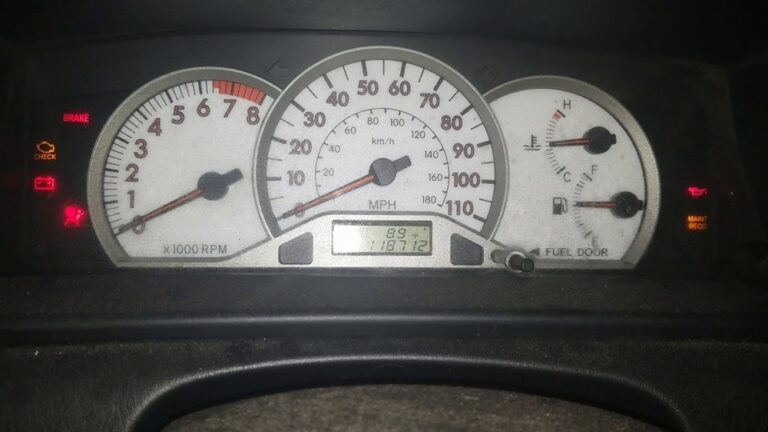
The check engine light turns on for many reasons. It signals that the car’s computer found a problem. This light can appear for small or big issues. Understanding why it turns on helps fix the problem fast. This is key to passing an emissions test with the light on.
Common Engine Issues Triggering The Light
Faulty oxygen sensors often trigger the check engine light. They measure air and fuel mixture in the engine. A bad sensor can cause poor fuel economy and more pollution.
Loose or damaged gas caps are another cause. They let fuel vapors escape, raising emissions. The car detects this and turns on the light.
Problems with spark plugs or ignition coils also set off the light. These parts help the engine start and run smoothly. Faulty ones cause misfires, which increase emissions.
Issues with the catalytic converter can turn the light on. This part reduces harmful gases before they exit the exhaust. A damaged converter raises pollution levels and fails tests.
Impact On Emissions And Test Results
The check engine light means the car may pollute more. Problems that trigger the light often raise harmful emissions. This can cause the car to fail the emissions test.
Test equipment reads data from the car’s computer. A light on shows the system found an error. Many test centers will automatically fail a vehicle with the light on.
Fixing the issue before the test helps reduce emissions. It also turns off the check engine light. This improves the chance to pass the emissions test.

Credit: www.amazon.com
Pre-test Inspection And Repairs
Before taking your car for an emissions test with the check engine light on, a thorough pre-test inspection is essential. This step helps identify and fix problems that might cause your car to fail. Simple checks and repairs can improve your chances of passing the test. Understanding your car’s issues early saves time and money.
Using An Obd-ii Scanner
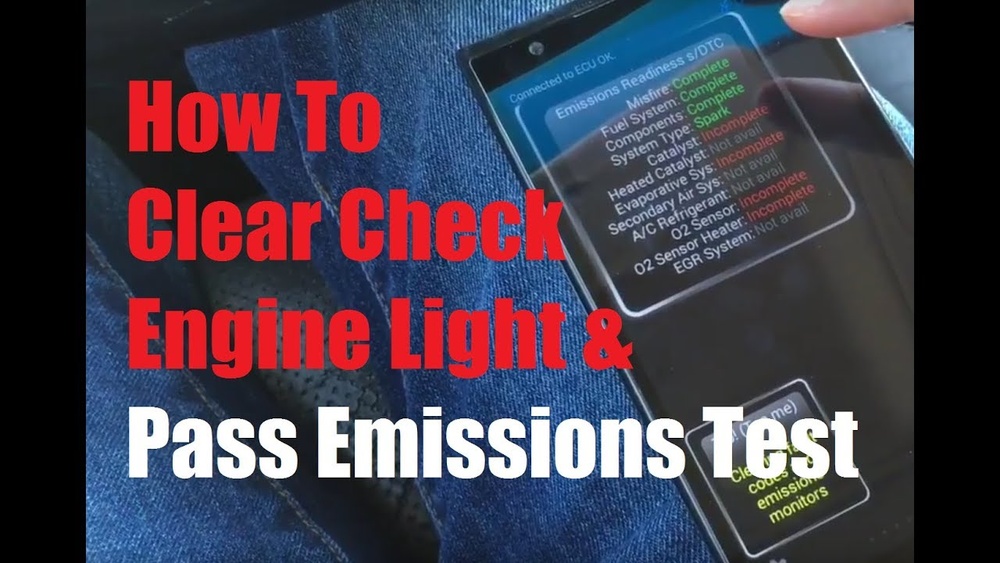
An OBD-II scanner reads trouble codes from your car’s computer. These codes explain why the check engine light is on. You can buy or borrow an OBD-II scanner from many auto stores. Plug the scanner into your car’s port, usually under the dashboard. The scanner shows codes that tell you the problem areas. This tool helps you know what needs fixing before the test.
Fixing Minor Engine Problems
Minor engine problems often cause the check engine light to turn on. Common issues include loose gas caps, bad oxygen sensors, or dirty spark plugs. Start by tightening or replacing the gas cap. Check sensors for dirt or damage and replace them if needed. Clean or change spark plugs for better engine performance. Fixing small issues can turn off the check engine light and improve emissions.
Driving Tips Before The Emissions Test
Preparing your car before an emissions test can improve your chances of passing. Even with the check engine light on, simple driving tips help lower emissions. These tips focus on warming up the engine and driving in the right conditions.
Warm-up Procedures
Start your car and let it run for at least 10 minutes. This warms the engine and the catalytic converter. A warm engine burns fuel more efficiently, reducing harmful gases. Avoid revving the engine too high while warming up. Keep the RPMs steady and moderate. A well-warmed engine lowers emissions and helps the test results.
Optimal Driving Conditions
Drive on smooth, open roads without heavy traffic. Stop-and-go driving raises emissions and affects test results. Maintain a steady speed between 30 and 50 mph. Avoid short trips right before the test. Longer drives help the engine reach full operating temperature. Check tire pressure and keep it at the recommended level. Proper tire inflation improves fuel efficiency and lowers emissions.
Alternative Strategies For Passing
Sometimes the check engine light stays on, but you still need to pass the emissions test. There are a few alternative strategies that might help you get through the test without fixing every issue first. These options can save time and money while you figure out your next steps.
Requesting A Visual Inspection
Some states allow a visual inspection instead of a full emissions test. This means the inspector looks at your car’s emissions system to check for obvious problems. If the system appears intact, your car might pass despite the check engine light. Visual inspections are less strict and faster. They do not measure the actual emissions. Check your state’s rules to see if this option is available. It can be a simple way to pass if your light is on but there is no severe issue.
When To Seek Professional Help
Sometimes the check engine light signals a real problem. In those cases, passing the test is unlikely without repairs. A mechanic can read the error codes in your car’s computer. They will tell you what needs fixing to pass the emissions test. Professionals have tools to reset the check engine light properly after repairs. They can also clear false alarms that might cause the light to stay on. Getting expert help can save you from repeated test failures and costly fines.

Credit: www.reddit.com
Frequently Asked Questions
Can I Pass Emissions With The Check Engine Light On?
Yes, it is sometimes possible. But the light usually means a problem affecting emissions. Fixing the issue helps pass the test.
Why Does The Check Engine Light Affect Emissions Tests?
The light signals a problem with engine or emission systems. This problem can cause more pollution. Inspectors use it to check car health.
What Should I Do Before An Emissions Test With Light On?
Scan the car for trouble codes. Fix any issues the codes show. Clear the codes and drive to reset the system.
Can A Repaired Check Engine Light Turn Off Before Testing?
Yes, after fixing problems, the light can turn off. Drive the car for a few days to reset the system. Then, test the emissions.
Conclusion
Passing an emissions test with the check engine light on takes care and patience. Start by reading your car’s error codes to know the problem. Fix small issues like a loose gas cap or dirty filters first. Drive your car for a while to reset the system.
Stay calm and follow these steps carefully. This way, you can increase your chances of passing the test. Keeping your car healthy helps both the environment and your wallet. Small actions make a big difference in emissions results.