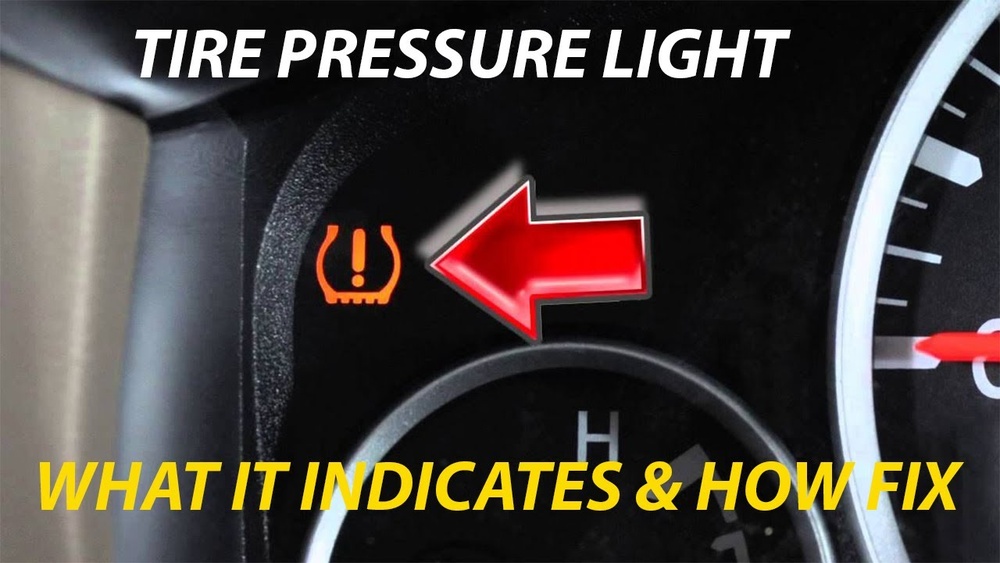
Why is My Tire Pressure Light on After Filling Tires: Quick Fixes
You just filled your tires, yet that pesky tire pressure light is still glowing on your dashboard. It’s confusing and a bit frustrating, right?
You did everything right—or so you thought. But here’s the thing: your tire pressure light doesn’t just react to low air; it’s connected to sensors and systems that need to be perfectly in sync. If you’re wondering why your tire pressure light stays on even after filling your tires, you’re not alone.
The answer could be a simple fix or a sign of something more. Keep reading, and you’ll discover exactly what’s going on under the hood—and how to get that light to turn off for good.
Common Causes Of The Light Staying On
The tire pressure light may stay on even after filling your tires. This can confuse many drivers. Several factors cause the light to remain lit. Understanding these reasons helps you fix the problem quickly.
The tire pressure monitoring system (TPMS) monitors all tires, including the spare. Sometimes, the light stays on due to small issues. Here are the most common causes of the light staying on.
Incorrect Tire Pressure
The TPMS is very sensitive to changes in air pressure. If one or more tires are slightly over or under the recommended pressure, the light stays on. Even a small difference can trigger the warning.
Always check the exact pressure listed on your vehicle’s door jamb sticker. Filling tires to the wrong pressure causes the system to detect a problem.
Faulty Tpms Sensor
Each tire has a sensor that sends pressure data to your car’s computer. Sensors can fail due to age, damage, or battery loss. A faulty sensor may send wrong readings, keeping the light on.
Replacing the sensor usually solves the issue. A mechanic can test the sensors to find the faulty one.
Unreset Tpms System
After filling tires, the TPMS may need a manual reset. Some cars reset automatically, but others require you to press a button or use the car’s display menu. Without resetting, the system may not update the new pressure.
Check your vehicle’s manual for reset instructions. This simple step often turns off the light.
Low Spare Tire Pressure
Some cars include the spare tire in the TPMS. If the spare tire is low, the warning light stays on. People often forget to check the spare tire’s pressure.
Make sure the spare tire is properly inflated to avoid false alerts.
Extreme Weather Conditions
Cold weather causes tire pressure to drop naturally. This can turn on the tire pressure light even if you recently filled the tires. The light may go off once the tires warm up and pressure stabilizes.
Keep an eye on tire pressure during cold months for safety and light control.
Checking Tire Pressure Accuracy
Tire pressure lights may stay on if sensors haven’t updated after filling tires. Incorrect pressure or a low spare tire can also trigger the warning. Checking all tires and sensors helps ensure the light turns off properly.
Using A Reliable Tire Pressure Gauge
Check tire pressure with a reliable gauge. Many gas station gauges are inaccurate. Buy a quality gauge for precise readings. Measure pressure when tires are cold for best results. Warm tires can give false high readings.
Comparing Gauge Readings To Vehicle Recommendations
Match your tire pressure to the vehicle’s recommended level. Find this info on the driver’s door jamb or owner’s manual. The correct pressure differs for front and rear tires. Overinflated or underinflated tires cause the warning light to stay on.
Calibrating The Tire Pressure Monitoring System (tpms)
Some cars need TPMS recalibration after filling tires. Check your owner’s manual for reset instructions. Resetting clears old data and updates the system. Without this, the light may stay on despite correct pressure.
The Role Of The Spare Tire
The spare tire plays a key role in your vehicle’s tire pressure monitoring system (TPMS). Many cars now have sensors in the spare tire, especially if it is full-size. This means the spare tire’s pressure can trigger the tire pressure light on your dashboard.
Even after you fill the main tires, the light may stay on if the spare tire has low air. The TPMS reads all tires with sensors, so a low spare affects the system. Checking the spare tire pressure is important to fully reset the light.
The Spare Tire And Tpms Sensors
Some spare tires have built-in pressure sensors. These sensors send data to the car’s computer. If the spare tire pressure drops, the TPMS alerts the driver with the warning light. This helps avoid surprises if you need to use the spare.
How Low Spare Tire Pressure Affects The Light
A low spare tire can keep the light on after filling other tires. The TPMS detects pressure below the recommended level. The system cannot reset the warning until the spare pressure is corrected. Always check spare tire pressure along with the main tires.
Checking And Filling Your Spare Tire
Locate your spare tire and check its pressure with a gauge. Use the pressure number on the driver’s door sticker as a guide. Fill the spare tire to the correct level. This step often resolves the tire pressure light issue after filling.

Credit: www.youtube.com
Sensor And System Malfunctions
The tire pressure monitoring system (TPMS) relies on sensors to track air levels. These sensors send signals to the car’s computer. Sometimes, these sensors or the system itself can fail. This causes the tire pressure light to stay on after filling the tires.
Sensor and system malfunctions affect the TPMS’s ability to detect correct tire pressure. Even if the tires are properly inflated, the light might not turn off. Understanding common sensor and system issues helps diagnose the problem faster.
Faulty Tire Pressure Sensors
Tire pressure sensors can wear out over time. Dirt, moisture, or damage can cause sensor failure. A broken sensor sends wrong data to the car’s computer. The system then keeps the warning light on. Replacing faulty sensors usually fixes this issue.
Battery Issues In Sensors
Each sensor has a small battery inside. These batteries last around 5 to 10 years. When the battery dies, the sensor stops working. The system cannot read tire pressure correctly. This triggers the tire pressure warning light.
Problems With Tpms Control Module
The TPMS control module processes signals from sensors. Electrical faults or software glitches may cause the module to malfunction. A faulty module can keep the tire pressure light on. Resetting or repairing the module often solves the problem.
Interference And Signal Blockage
Metal parts or electronic devices can block sensor signals. This interference confuses the TPMS. It may show incorrect tire pressure warnings. Avoid placing heavy objects near tires or sensors to reduce interference.
Resetting The Tire Pressure Light
Resetting the tire pressure light is a key step after filling your tires. The light may stay on even after proper inflation. This happens because the system needs to refresh its data. Resetting helps the car recognize the new tire pressure. It also clears any errors from sensors or the system itself.
Some cars reset automatically after driving for a few minutes. Others require a manual reset using buttons or the car’s menu. Knowing how to reset the light can save time and prevent worry. It ensures your car’s safety features work correctly.
How To Manually Reset The Tire Pressure Light
Look for the tire pressure reset button inside your car. It is usually near the steering wheel or under the dashboard. Turn the ignition on but do not start the engine. Press and hold the reset button until the light blinks. Release the button and wait a few minutes. The light should turn off after the system updates.
Resetting The Tire Pressure Light Using The Car Menu
Many modern cars let you reset the light via the settings menu. Turn on the ignition and access the main menu on the display screen. Find the “Vehicle” or “Settings” option. Select “TPMS Calibration” or “Tire Pressure Reset.” Confirm the reset and wait for the light to go off. Drive the car for a short distance to complete the process.
When To Seek Professional Help
The tire pressure light may not reset if a sensor is faulty. Damaged or dead sensors need replacement. If the light blinks or stays on after resetting, visit a mechanic. They can diagnose and fix sensor or system issues. This keeps your driving safe and avoids bigger problems later.
Credit: www.reddit.com

Credit: brausenauto.com
Frequently Asked Questions
How To Reset Tire Pressure Light After Filling Tires?
After filling tires, drive your car for 10-15 minutes to let the system update. Use the vehicle’s reset button or menu if available. Check tire pressures precisely using the recommended PSI on the door jamb sticker. Replace faulty sensors if the light remains on.
Is It Common For Tire Pressure Light To Come On After Getting New Tires?
Yes, the tire pressure light can come on after getting new tires due to sensor resets or incorrect pressure. Check and adjust to the recommended PSI.
Is 40 Psi Too Much For 35 Psi Tires?
Yes, 40 PSI is too high for tires rated at 35 PSI. Overinflation can reduce traction and cause uneven wear. Always inflate tires to the recommended pressure on the vehicle’s door jamb for optimal safety and performance.
Can I Still Drive With My Tire Pressure Light On?
Driving with the tire pressure light on risks tire damage and unsafe handling. Check and correct tire pressure immediately.
Why Does The Tire Pressure Light Stay On After Filling Tires?
The light may stay on because the system hasn’t updated yet. Sensors can take time to reset or detect pressure changes. Also, a faulty sensor or incorrect pressure can keep the light on.
Conclusion
The tire pressure light can stay on even after filling your tires. This happens if the pressure is not exactly right or the system needs time to reset. Sometimes, a sensor may not work properly, or the spare tire pressure is low.
Always check your tire pressure with a reliable gauge and use the recommended PSI on your door jamb sticker. Keep an eye on the light and address any issues quickly to stay safe on the road.