How Can You Tell If the Catalytic Converter is Clogged: Key Signs
Have you noticed your car struggling to accelerate or your engine running hotter than usual? These could be signs that your catalytic converter is clogged.
This vital part helps reduce harmful emissions, but when it gets blocked, your vehicle’s performance suffers. Knowing how to spot a clogged catalytic converter early can save you from costly repairs and keep your car running smoothly. You’ll discover simple ways to tell if your catalytic converter needs attention—helping you take control before small problems turn into big headaches.
Keep reading to learn what to watch for and what steps you can take next.
Credit: www.redexadditives.com
Symptoms Of A Clogged Converter
A clogged catalytic converter can cause several noticeable problems in your vehicle. These symptoms show that the converter is not working properly. Recognizing them early can help avoid costly repairs and keep your car running smoothly.
Watch for changes in how your car drives and sounds. These signs often point to a blockage inside the converter. Ignoring these symptoms can lead to engine damage or poor fuel economy.
Reduced Engine Performance
The engine may feel weak or slow. Acceleration can become sluggish. Your car might struggle to reach high speeds. This happens because exhaust gases cannot flow freely.
Check Engine Light Turns On
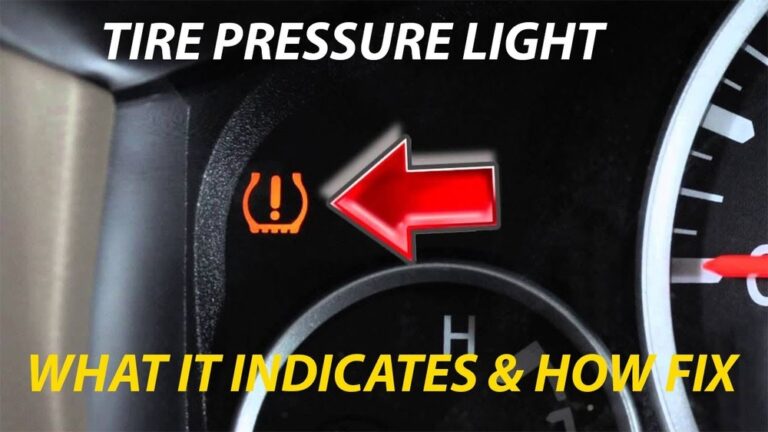
The dashboard warning light may come on. This alerts you to a problem with the emission system. A clogged converter often triggers this light. A diagnostic scan can confirm the issue.
Rattling Noise From Under The Car
You might hear rattling sounds while driving. This noise comes from broken parts inside the converter. The blockage causes internal damage, creating this distinct sound.
Strong Exhaust Smell
A rotten egg or sulfur smell may be noticeable. This odor comes from unburned fuel trapped by the converter. It indicates the converter is not cleaning exhaust gases properly.
Overheating Of The Engine
The engine or the converter itself may get very hot. Excess heat is a sign of blocked exhaust flow. This can cause serious engine problems if not fixed.
Impact On Vehicle Performance
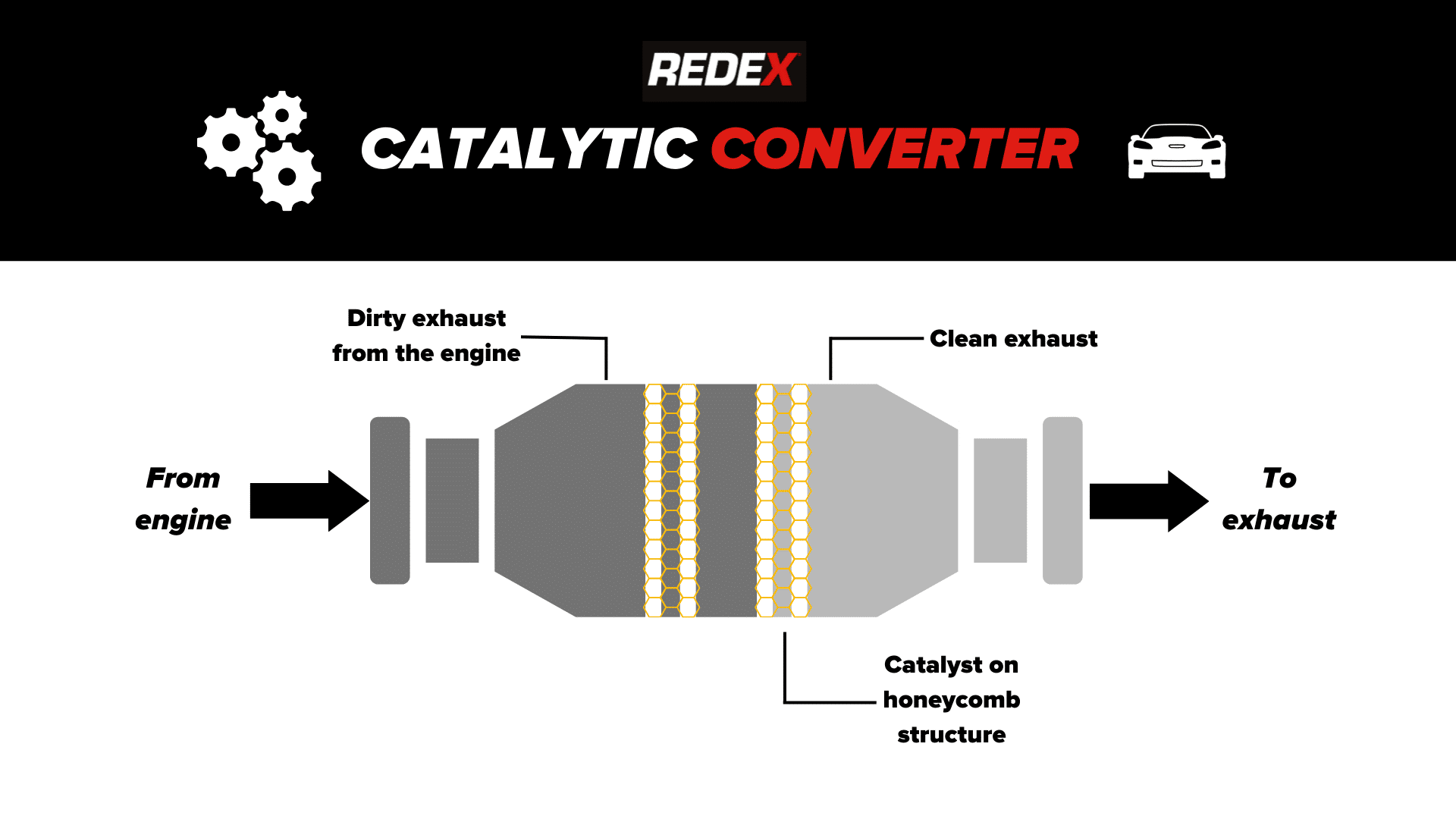
The catalytic converter plays a key role in your car’s exhaust system. It helps reduce harmful emissions. When it clogs, vehicle performance suffers. You may notice several changes in how your car drives.
A clogged catalytic converter blocks exhaust flow. This causes the engine to work harder than usual. The result is less power and slower acceleration. Your car might feel weak or sluggish during drives.
Reduced Engine Power
One of the first signs of a clogged catalytic converter is less engine power. The blockage limits exhaust gases from exiting. This makes the engine struggle to breathe. You may notice difficulty going uphill or merging on highways.
Poor Acceleration
A clogged converter slows down acceleration. Pressing the gas pedal won’t give quick responses. The vehicle may hesitate or lag before speeding up. This can be dangerous in traffic or busy roads.
Engine Misfires And Rough Idling
Exhaust blockage can cause the engine to misfire. You might feel the car shaking or running unevenly at low speeds. The engine may also idle roughly. This happens because fuel combustion is disrupted.
Decreased Fuel Efficiency
Fuel consumption rises with a clogged catalytic converter. The engine works harder and burns more fuel. This leads to more trips to the gas station. You will notice your car uses more gas than before.
Diagnostic Methods
Diagnosing a clogged catalytic converter requires several methods. These help identify if the converter blocks exhaust flow. Using the right method saves time and money on repairs. Below are common diagnostic techniques used by mechanics and car owners alike.
Visual Inspection
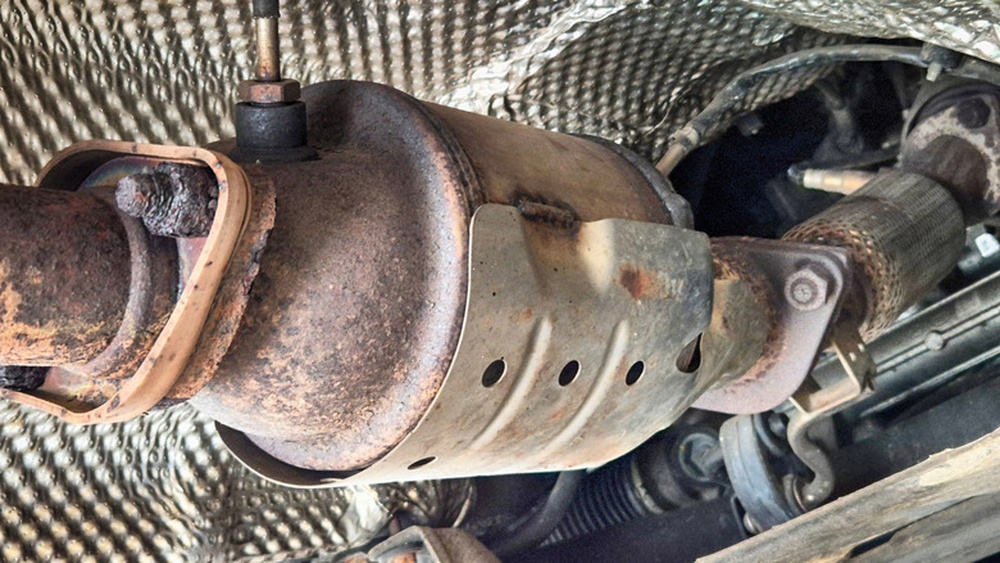
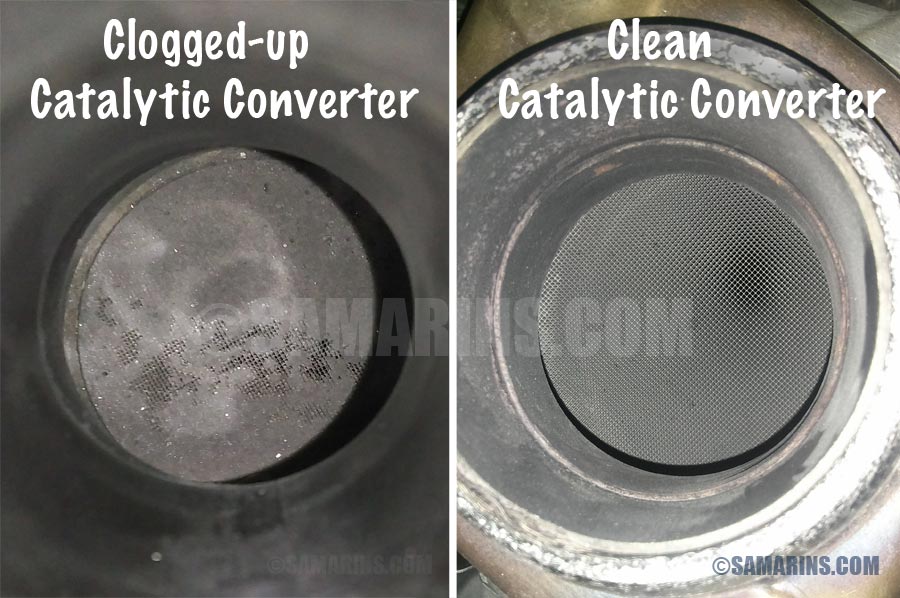
Look under the car at the catalytic converter. Check for dents, rust, or damage on its surface. A damaged converter may cause clogging. Also, check for black soot or melted areas. These signs suggest overheating or blockage inside.
Engine Performance Check
Notice if the engine runs rough or stalls often. Poor acceleration and low power also indicate a clogged converter. These happen because exhaust gases cannot pass freely. The engine struggles to breathe and loses efficiency.
Exhaust Backpressure Test
This test measures pressure in the exhaust system. A gauge attaches before the catalytic converter. High pressure means a blockage inside the converter. This is a reliable way to detect clogging accurately.
Oxygen Sensor Readings
Modern cars have oxygen sensors before and after the converter. These sensors measure exhaust gas levels. If readings differ greatly, it may show a clogged converter. A scan tool can read sensor data quickly.
Temperature Measurement
Use an infrared thermometer to check converter temperature. The outlet should be hotter than the inlet. If both temperatures are similar, the converter may be clogged. Heat builds up inside when exhaust flow is blocked.
Credit: www.samarins.com
Preventive Measures And Maintenance
Keeping your catalytic converter healthy saves money and avoids car troubles. Regular checks and good habits stop clogs early. Simple actions help your car run clean and smooth.
Regular Engine Tune-ups
Check the engine often. A well-tuned engine burns fuel fully. This lowers harmful deposits that block the converter. Replace spark plugs and air filters on time. Clean fuel injectors help the engine run right.
Use The Right Fuel
Choose fuel with the right octane for your car. Poor quality fuel can leave residue inside the converter. Avoid fuels with lead or high sulfur. These can damage the catalytic system fast.
Avoid Short Trips
Short drives do not heat the converter enough. The converter needs high heat to burn off deposits. Longer trips help keep the converter clean. Try to drive at least 15 minutes each time.
Fix Engine Problems Quickly
Watch for engine warning lights. Strange noises or rough running can signal trouble. Fix problems like misfires or rich fuel mix fast. These issues create more deposits and clog the converter.
Keep Exhaust System Tight
Check the exhaust system for leaks or damage. A tight system keeps gases flowing well. Leaks can cause poor converter performance. Replace worn gaskets and broken pipes early.

Credit: www.youtube.com
Frequently Asked Questions
What Are Common Signs Of A Clogged Catalytic Converter?
A clogged catalytic converter often causes poor engine performance and low fuel efficiency. You may notice a loss of power during acceleration and a rough idle.
How Does A Clogged Catalytic Converter Affect Car Exhaust?
A blocked converter can increase exhaust emissions and cause a sulfur or rotten egg smell. It may also trigger the check engine light on your dashboard.
Can A Clogged Catalytic Converter Cause Engine Overheating?
Yes, a clogged converter restricts exhaust flow, which can lead to engine overheating. This can damage engine parts if not fixed quickly.
How Can I Test If My Catalytic Converter Is Clogged?
A mechanic can perform a backpressure test or use a scan tool to check converter efficiency. These tests show if the converter is restricting exhaust flow.
Conclusion
A clogged catalytic converter can cause many car problems. You might notice poor engine performance or strange smells. Also, the check engine light may turn on. These signs help you spot trouble early. Acting fast can save money and avoid bigger damage.
Regular car care keeps your vehicle running well. Pay attention to these warning signals. Stay safe on the road with a healthy catalytic converter.