How Long Can You Drive With Steering Assist is Reduced: Essential Safety Tips
Have you ever noticed your steering feeling a little off, like the assist isn’t working as well as it should? You might be wondering, how long can you safely drive when your steering assist is reduced?
This isn’t just a small inconvenience—it can affect your control, your safety, and your peace of mind. You’ll discover exactly what happens when steering assist drops, how it impacts your driving, and what you need to know before you get back on the road.
Keep reading to protect yourself and your vehicle every time you drive.

Credit: www.youtube.com
Signs Of Reduced Steering Assist
Reduced steering assist can affect your driving safety. It happens when the power steering system weakens or fails. Recognizing the signs early helps you avoid accidents and costly repairs. Watch for changes in how your steering feels and warning lights on the dashboard. These clues tell you something is wrong with your steering system.
Common Warning Indicators
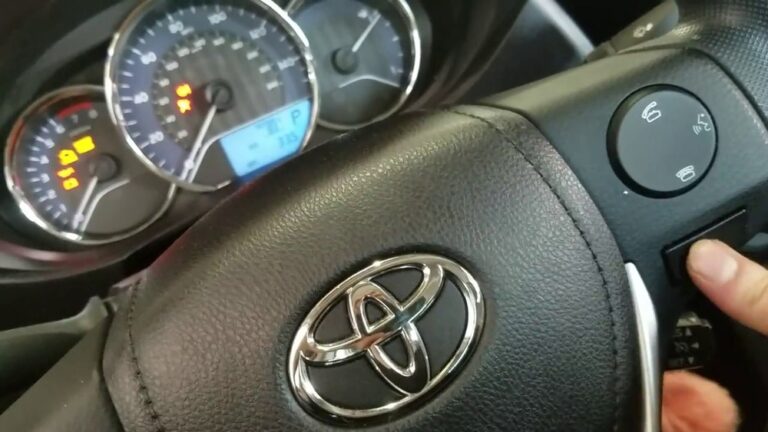
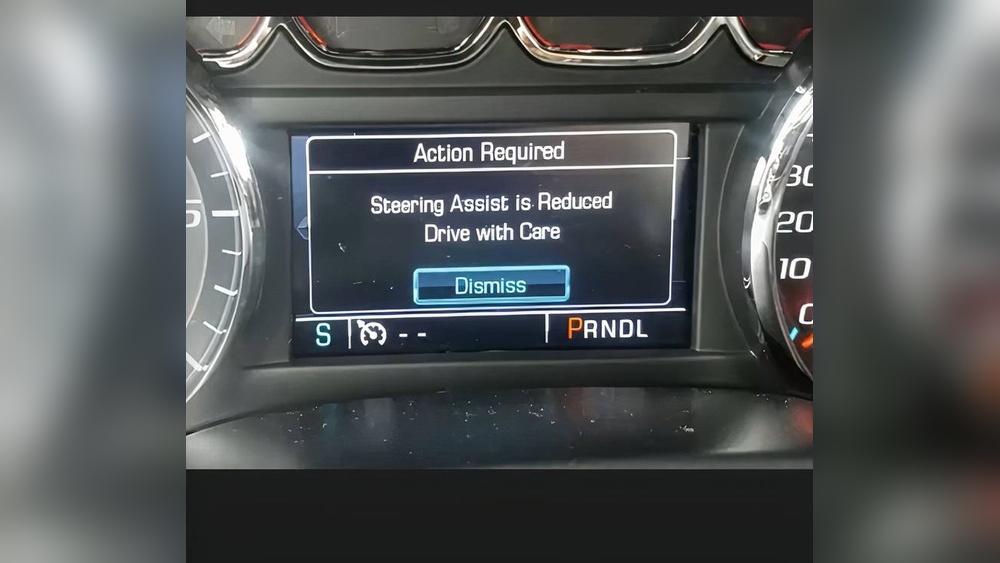
Many cars show warning lights if steering assist reduces. A steering or power steering icon may appear on the dashboard. The light could be yellow or red. It signals a problem with the power steering system. Pay attention to unusual noises like whining or squealing near the steering wheel. These sounds often come from the power steering pump or belt. A burning smell may also indicate overheating in the steering system.
Changes In Steering Feel
The steering wheel may feel heavy or stiff. It becomes harder to turn, especially at low speeds. You might notice jerky or uneven steering movements. The wheel may not return smoothly to the center after a turn. These changes mean the power assist is not working well. The steering may also feel loose or less responsive. Driving in this condition requires more effort and attention.

Credit: www.youtube.com
Risks Of Driving With Limited Steering Assist
Driving with reduced steering assist brings serious risks. The steering system helps you control the car easily. When it weakens, you lose some control. This can make driving unsafe. Understanding these risks helps you stay safer on the road.
Impact On Vehicle Control
Steering assist reduces the effort needed to turn the wheel. With limited assist, steering feels heavy and slow. This makes it harder to react quickly. Precise control becomes difficult, especially at low speeds. Sharp turns and quick maneuvers require more strength. Fatigue can build up faster during long drives. The risk of oversteering or understeering increases.
Potential Safety Hazards
Reduced steering assist can lead to accidents. Drivers may struggle to keep the car on the road. Sudden lane changes or emergency turns become risky. Steering delay can cause loss of control. In tight spots, parking becomes a challenge. Other drivers might not expect your slower reactions. This raises chances of collisions and injuries. Immediate repair of steering issues is crucial.
How Far You Can Safely Drive
Driving with reduced steering assist is risky. It affects how easily you control the car. Knowing how far you can drive safely is important. It helps avoid accidents and damage. This section explains the key points about safe driving distance with less steering assist.
Steering feels heavier and harder to turn. This causes fatigue and slower reaction times. The longer you drive, the more dangerous it becomes. Pay close attention to your car’s behavior and your own comfort.
Factors Affecting Distance
The type of road matters. Smooth highways are easier than rough city streets. Traffic conditions also affect how far you can go. Heavy traffic means more stops and turns. These are harder with reduced assist.
Your car’s speed is crucial. Driving slower helps control the vehicle better. Weather plays a role too. Rain or snow makes steering more difficult. Your own strength and alertness affect control. Fatigue reduces your ability to handle the car safely.
When To Stop Driving
Stop driving if steering feels too heavy or jerky. If you cannot steer smoothly, pull over. Strange noises or warning lights mean a problem. Do not ignore these signs. If you feel tired or stressed, find a safe place to stop.
Do not drive long distances with reduced steering assist. It increases the risk of accidents and injuries. Call for help or get your car checked as soon as possible.

Credit: carbuzz.com
Essential Safety Tips
Driving with reduced steering assist can be risky. It lowers your control and makes handling harder. Safety should be your top concern in this situation. Follow these essential tips to stay safe on the road.
Immediate Actions To Take
Slow down as soon as you notice steering assist is reduced. Avoid sudden turns or sharp movements. Find a safe place to stop and check your vehicle. Turn on your hazard lights to alert other drivers. If you cannot fix the issue, call for roadside help. Do not continue driving long distances with limited steering control.
Preventive Maintenance Advice
Check your power steering fluid regularly. Low fluid can cause steering assist to fail. Inspect belts and hoses for cracks or leaks. Replace worn parts quickly to avoid bigger problems. Schedule routine vehicle checks with a trusted mechanic. Early maintenance helps keep steering systems working well. Clean your steering system components to prevent dirt buildup. Good care reduces chances of sudden steering failure.
Frequently Asked Questions
How Long Is Safe To Drive With Reduced Steering Assist?
Driving with reduced steering assist is safe only for short distances. It depends on your vehicle and road conditions. Always check your owner’s manual for specific advice.
What Risks Come With Driving Reduced Steering Assist?
Reduced steering assist makes steering harder and less responsive. This can cause fatigue and increase accident risks. Drive slowly and carefully until fixed.
How Can I Tell If Steering Assist Is Reduced?
You may feel heavy or stiff steering, especially at low speeds. Warning lights on the dashboard might appear. These signs mean you should get your car checked.
Should I Drive To A Mechanic With Reduced Steering Assist?
Driving a short distance to a mechanic is usually fine. Avoid highways or long trips as steering control is limited. Safety first—consider towing if unsure.
Conclusion
Driving with reduced steering assist is risky and should not last long. Your control over the vehicle decreases, making steering harder. This can lead to accidents, especially at high speeds or in traffic. Stop driving as soon as you notice the problem.
Get your car checked by a mechanic quickly. Safety must come first on the road. Don’t ignore warning signs or delay repairs. Protect yourself and others by acting fast. Staying cautious keeps every trip safer and less stressful.