Is It Necessary to Get an Alignment With New Tires? Expert Advice
You’ve just invested in new tires, and naturally, you want to get the most out of them. But here’s the question: is it really necessary to get an alignment when you put on those fresh tires?
Skipping this step might seem like a way to save time and money, but it could cost you more down the road. Your safety, tire life, and even your car’s performance can be affected if your wheels aren’t properly aligned.
Keep reading to find out why an alignment could be one of the smartest moves you make after getting new tires—and how it protects your investment every mile you drive.
When Alignment Matters
Getting new tires is a big investment in your vehicle’s safety and performance. Aligning your wheels ensures these tires work properly. It helps your car drive straight and smooth. Without alignment, new tires can wear unevenly. This shortens their life and lowers fuel efficiency.
Alignment is not always needed with new tires. It depends on your car’s current condition. Knowing when to get an alignment can save you money and trouble down the road.
Signs Your Tires Need Alignment
Some signs tell you it is time for an alignment. Your car pulls to one side during driving. The steering wheel is off-center when driving straight. You notice uneven or rapid tire wear. The vehicle feels shaky or the steering is loose. Strange noises when turning can also be a sign.
Spotting these signs early prevents damage to your new tires. Checking your alignment regularly keeps your ride safe and comfortable.
Impact Of Misalignment On New Tires
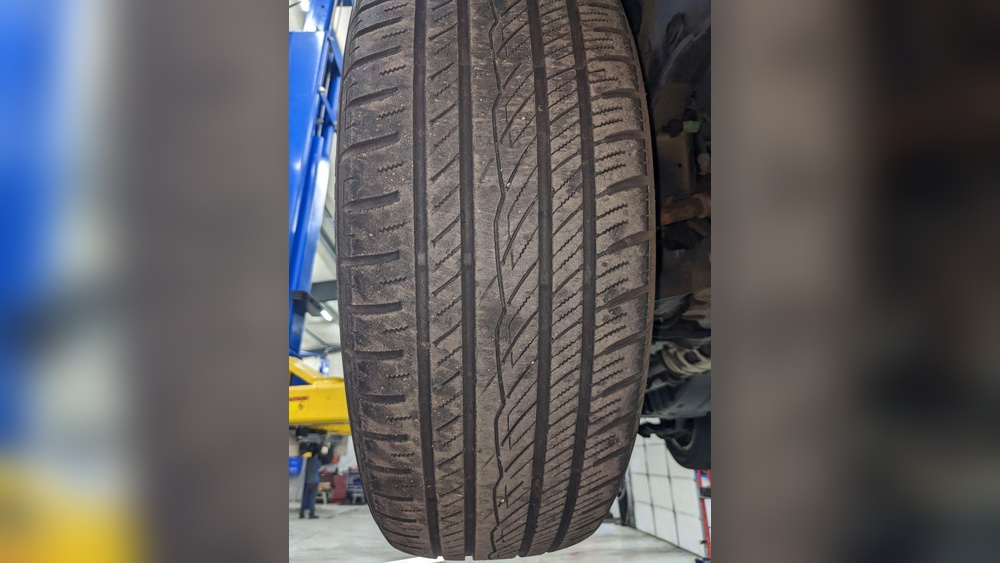
Misaligned wheels cause new tires to wear unevenly. This means parts of the tire tread wear out faster. It reduces tire life and increases replacement costs. Misalignment can also reduce fuel efficiency. Your car has to work harder to move straight.
Proper alignment improves handling and tire performance. It keeps your car stable and responsive on the road. Protect your new tires by ensuring your wheels are aligned. It is a small step that makes a big difference.

Credit: www.reddit.com
Tire Installation And Alignment
Installing new tires is an important step in vehicle maintenance. Proper tire installation improves driving safety and tire life. Aligning your wheels ensures the tires wear evenly and the car handles well.
Skipping alignment may cause uneven tire wear or pulling to one side. This can lead to costly tire replacements and unsafe driving conditions. Understanding the timing and role of alignment helps make the best decision.
Alignment Before Vs After New Tires
Getting an alignment before installing new tires helps identify existing problems. It prevents uneven wear on fresh tires from the start. This saves money and extends tire life.
Aligning after new tires can fix issues noticed during installation. However, worn tires may hide alignment problems. New tires make it easier to spot alignment needs clearly.
Role Of Tire Balancing
Tire balancing is different from alignment but equally important. It ensures tires spin smoothly without vibrations. Balancing prevents uneven tire wear and damage to suspension parts.
Balancing is usually done with new tires. It improves driving comfort and protects the tires. Proper balancing and alignment together keep your vehicle running safely and smoothly.
Benefits Of Getting An Alignment
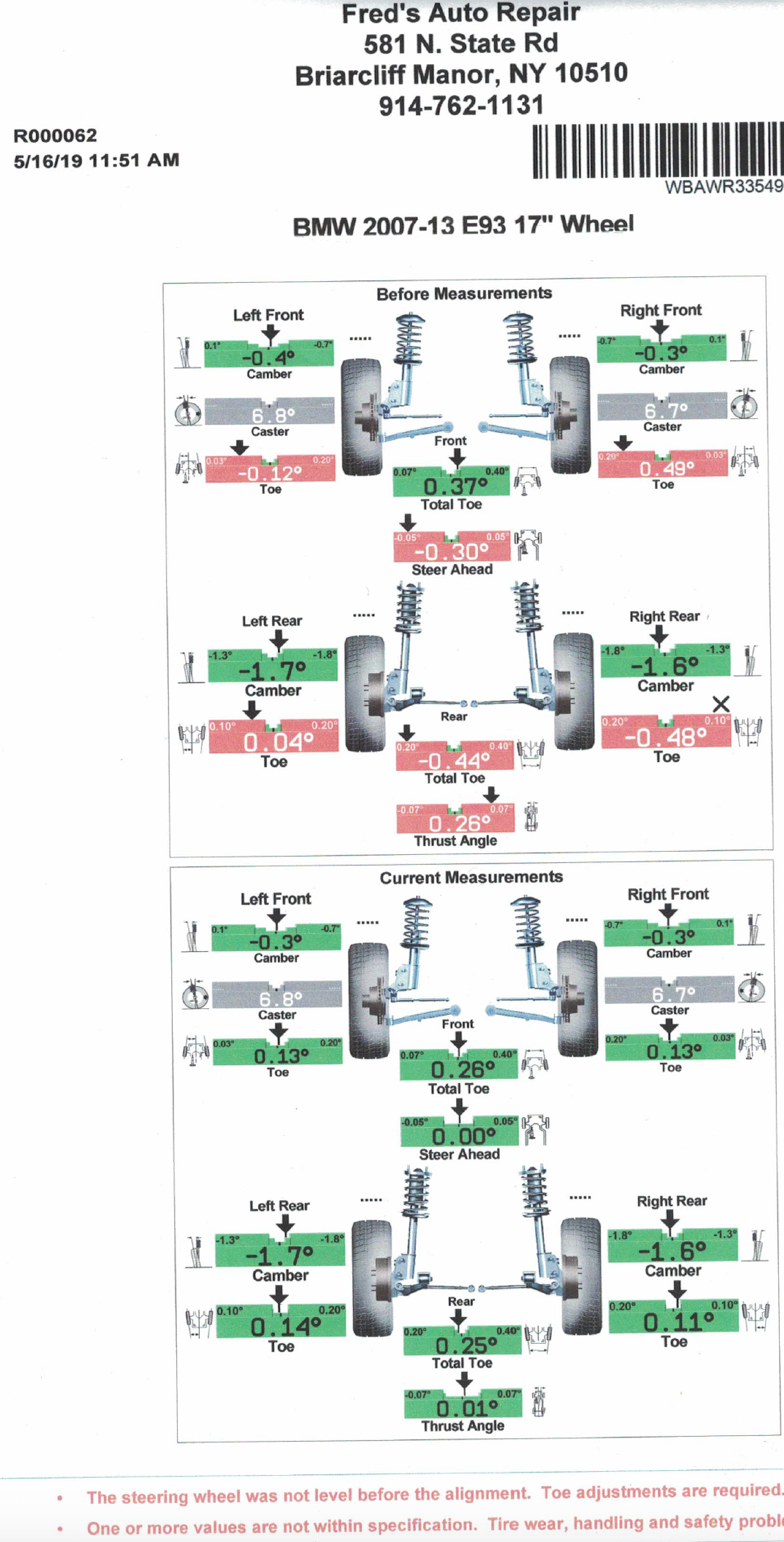
Getting an alignment after installing new tires offers several important benefits. It helps your vehicle perform better and keeps your tires in good condition. Alignments adjust the angles of your wheels to the manufacturer’s specifications. This simple step can save money and improve driving comfort.
Improved Tire Longevity
Proper alignment prevents uneven tire wear. Tires wear out faster if the wheels are not aligned. This causes you to replace tires more often. Aligning wheels helps tires wear evenly. Even wear means tires last longer. It protects your investment in new tires.
Enhanced Vehicle Safety
Alignment improves vehicle handling and control. Misaligned wheels can cause pulling to one side. This makes driving harder and less safe. Proper alignment keeps the car stable and easy to steer. It reduces the risk of accidents. Safety increases for you and others on the road.
Better Fuel Efficiency
Misaligned wheels create more rolling resistance. The engine works harder to move the car. This leads to higher fuel consumption. Correct alignment reduces drag on the tires. Your car uses less fuel for the same trip. Saving gas means fewer stops at the pump.
Credit: fredsautorepair.com
Situations Requiring Immediate Alignment
Knowing when to get an immediate alignment is important for tire health and vehicle safety. Certain situations can cause your wheels to go out of alignment quickly. Ignoring these signs may lead to uneven tire wear and poor handling. Acting fast protects your new tires and keeps your car driving smoothly.
After Suspension Or Steering Repairs
Repairs to suspension or steering parts often change wheel angles. This shift can throw off the alignment. Getting an alignment right after these repairs ensures the wheels point in the right direction. It helps prevent rapid tire wear and keeps your steering responsive.
Following Accidents Or Road Hazards
Hitting a curb, pothole, or debris can damage alignment instantly. Even small accidents may bend wheels or suspension parts. Checking and fixing alignment immediately after such events stops further tire damage. It also improves vehicle control and safety on the road.
Cost And Convenience Factors
Cost and convenience are key factors when deciding on an alignment after getting new tires. Many drivers wonder if the extra expense is worth it. Alignments can prevent uneven tire wear and improve driving safety, but they come with a price and time commitment. Understanding these factors helps in making a smart choice.
Alignment Pricing Insights
Alignment costs vary by location and vehicle type. On average, a two-wheel alignment costs less than a four-wheel alignment. Prices often range from $50 to $120. Some shops offer package deals when combined with tire purchases. Checking local prices can help budget for this service. Keep in mind that skipping alignment may lead to faster tire wear, costing more in the long run.
Balancing Cost With Maintenance Needs
Choosing to get an alignment depends on your vehicle’s condition. If your tires show uneven wear or your steering pulls to one side, an alignment is needed. It may save money by extending tire life and improving fuel efficiency. Convenience also matters; some shops complete alignments in under an hour. Balancing cost, time, and vehicle health helps maintain safety and performance.

Credit: www.reddit.com
Frequently Asked Questions
What Happens If I Don’t Get An Alignment With New Tires?
Not getting an alignment with new tires can cause uneven wear, reduce tire life, and affect vehicle handling and safety.
Do I Need To Align My Car If I Get New Tires?
Getting an alignment with new tires ensures even wear, better handling, and longer tire life. It prevents uneven wear and improves safety.
Is It Better To Get New Tires Before An Alignment Or After?
Get an alignment after installing new tires to ensure even wear, better performance, and improved safety. This extends tire life and improves handling.
What Is The 3 Tire Rule?
The 3 tire rule means never mix a single new tire with two old ones on the same axle. It ensures balanced traction and safety.
Conclusion
Getting an alignment with new tires is not always required. It depends on your car’s condition and driving habits. Misaligned wheels can cause uneven tire wear and poor handling. An alignment helps tires last longer and improves safety. Check your car’s alignment if old tires showed uneven wear.
Also, after hitting curbs or potholes, an alignment is wise. Regular alignment keeps your ride smooth and tires balanced. Consider it a smart step to protect your investment. Ultimately, keep an eye on tire wear and steering feel for signs.