What Happens If You Put Transmission Fluid in the Oil: Risks Explained
Have you ever wondered what would happen if you accidentally put transmission fluid in your engine oil? It’s a mistake that sounds small but can cause big problems for your car.
If you’re curious—or worried—about the effects of mixing these two fluids, this article is for you. Keep reading to find out how this mix-up can impact your engine, what signs to watch for, and what steps you should take right away to protect your vehicle.
Don’t let a simple error turn into a costly repair.
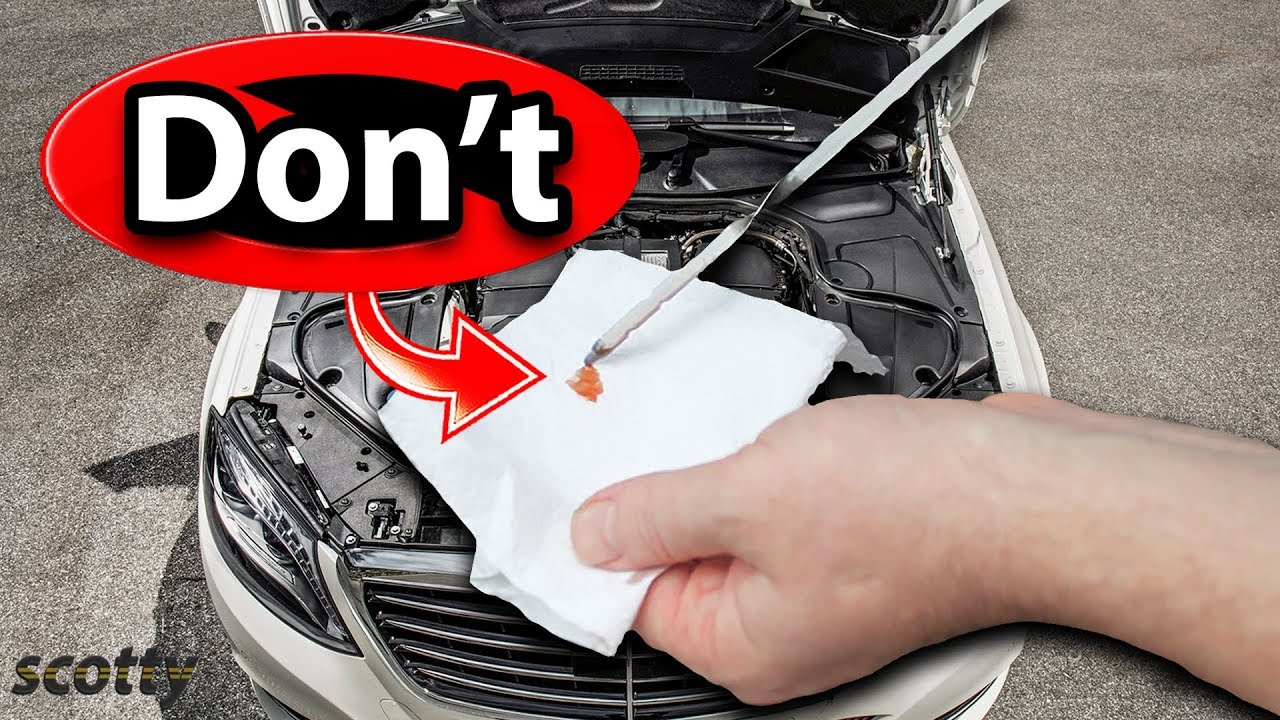
Credit: www.youtube.com
Transmission Fluid Vs Engine Oil
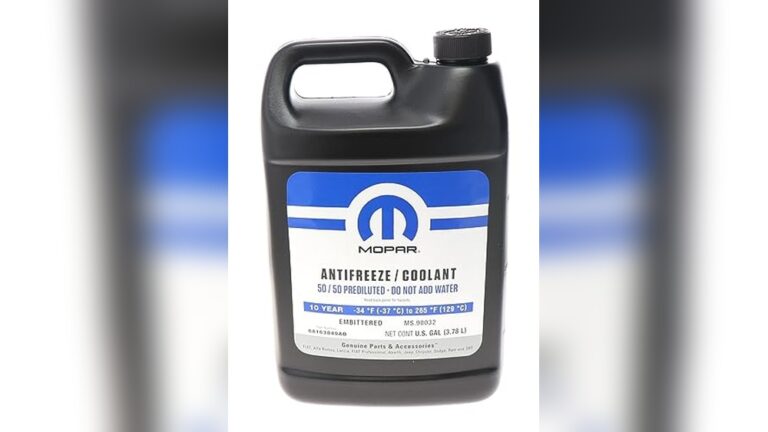
Transmission fluid and engine oil look similar but serve very different roles in a vehicle. Confusing one for the other can cause serious damage to your car’s engine or transmission. Understanding their differences helps prevent costly mistakes. Both fluids keep parts running smoothly but work in unique ways.
Key Differences
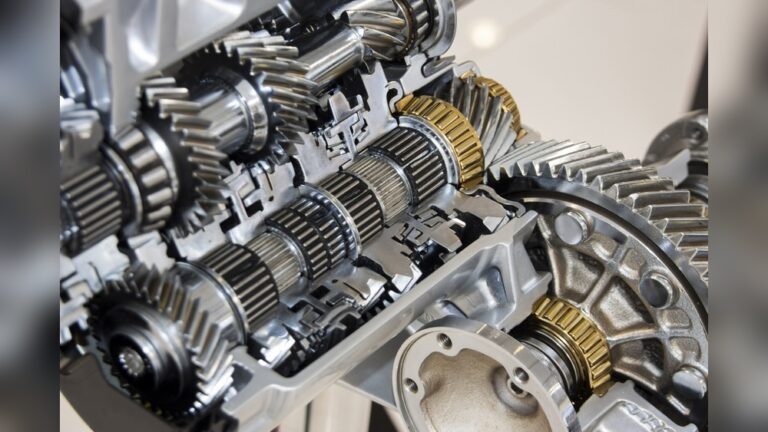
Engine oil is thicker and designed to coat engine parts. It reduces friction and stops metal from grinding together. Transmission fluid is thinner and designed to operate in the transmission system. It helps gears shift smoothly and cools the transmission.
Engine oil changes often, around every 3,000 to 7,500 miles. Transmission fluid lasts longer, sometimes 30,000 miles or more, depending on the vehicle. The color also differs. Engine oil is usually amber or brown. Transmission fluid is often red or green to spot leaks easily.
Intended Functions
Engine oil lubricates and protects the engine’s moving parts. It also helps clean the engine and cool it down. Transmission fluid lubricates the transmission gears and acts as a hydraulic fluid to help gear shifts. It also prevents wear and reduces heat inside the transmission.
Using the wrong fluid can cause poor lubrication or overheating. Engine oil in the transmission can make shifting rough. Transmission fluid in the engine oil can reduce lubrication and damage engine parts. Both fluids are vital but must stay in their correct systems.
Immediate Effects On Engine
Putting transmission fluid into the engine oil can cause serious problems right away. The engine depends on clean oil for smooth running. Mixing fluids disrupts this balance and can harm the engine quickly.
Oil Contamination
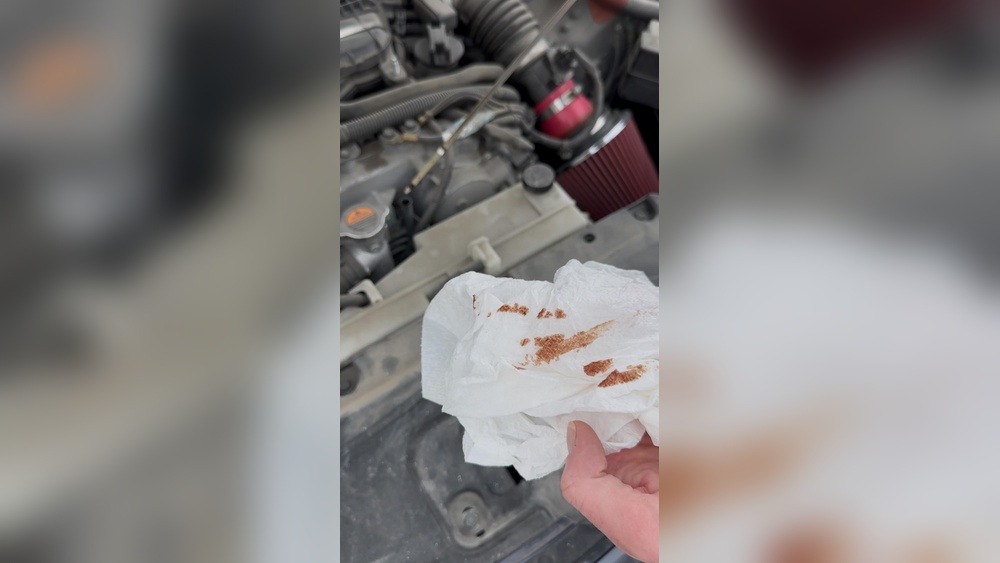
Transmission fluid mixes with the engine oil and changes its makeup. This contamination lowers the oil’s ability to protect engine parts. Dirt and metal particles can build up faster. This leads to clogged filters and dirty oil passages.
Impact On Lubrication
The mixed fluids lose their proper thickness and slipperiness. Engine parts do not get enough lubrication. This causes increased friction and heat. Over time, it can lead to engine wear and damage. The engine may run rough or even seize up.
Long-term Risks To Engine Health
Putting transmission fluid into the engine oil can cause serious problems over time. The fluids have different properties and purposes. Mixing them can harm the engine’s performance and lifespan.
The long-term risks to engine health are significant. Small mistakes with fluids can lead to costly repairs. Understanding these risks helps prevent damage and keeps the engine running smoothly.
Increased Wear And Tear
Transmission fluid is not designed to lubricate engine parts. It lacks the proper additives to protect metal surfaces. Using it in the engine oil reduces lubrication quality. This causes metal parts to rub against each other more harshly. Increased friction leads to faster wear and tear. Engine components may fail sooner than expected.
Over time, this wear can cause noisy engine operation. It may also reduce fuel efficiency and overall performance. The engine might require repairs or parts replacement more often.
Potential Engine Damage
Transmission fluid can break down the engine oil’s protective film. This film prevents metal contact and heat damage. Without it, engine parts can overheat and seize up. Deposits and sludge may build inside the engine. These block oil passages and reduce oil flow.
Blocked oil flow causes poor lubrication and overheating. This can lead to serious engine damage or even engine failure. The risk grows with the amount of transmission fluid mixed in. Early detection and correction are crucial to avoid costly damage.
Credit: www.reddit.com
What To Do If Transmission Fluid Is Added
Adding transmission fluid to the engine oil is a mistake that can cause serious engine problems. The fluids serve very different purposes and mixing them can harm your car. Knowing what to do quickly can save your engine from damage.
Act fast. The longer the wrong fluid stays in the engine, the higher the risk of damage. Follow clear steps to protect your vehicle and avoid costly repairs.
Steps To Take Immediately
Stop the engine right away to prevent further mixing of fluids. Do not drive the car. Driving spreads the transmission fluid throughout the engine oil system.
Drain the oil completely. This removes the contaminated fluid from the engine. Replace the oil filter to get rid of any trapped fluid.
Refill with the correct engine oil specified by your car’s manufacturer. Use fresh oil to ensure proper lubrication and engine function.
Run the engine briefly and then drain the oil again. This helps flush out any remaining transmission fluid.
Refill once more with fresh oil. This double change reduces the risk of damage caused by the wrong fluid.
When To Seek Professional Help
If you notice strange noises, smoke, or the engine runs roughly, stop immediately. These signs show potential damage from the fluid mix.
Take your car to a trusted mechanic. A professional can check for engine damage and perform a thorough flush if needed.
Ask the mechanic to inspect the transmission fluid system too. Cross-contamination can sometimes affect the transmission.
Early professional help can prevent costly repairs and keep your car running smoothly.

Credit: www.youtube.com
Frequently Asked Questions
Can Transmission Fluid Damage Engine Oil System?
Yes, transmission fluid can harm the engine oil system. It changes the oil’s ability to lubricate and cool the engine parts. This may lead to engine wear or damage over time.
What Symptoms Show After Mixing Transmission Fluid With Oil?
The engine might run rough or make unusual noises. You may also see smoke from the exhaust or notice oil leaks. These signs indicate the engine oil is not working properly.
How To Fix Transmission Fluid Mixed With Engine Oil?
Drain the contaminated oil immediately and replace it with fresh oil. It is best to change the oil filter too. If unsure, get a mechanic to check the engine.
Can Mixing Fluids Cause Engine Failure?
Yes, mixing transmission fluid with engine oil can cause serious engine failure. The engine parts may not get proper lubrication, causing them to wear out fast. This can lead to costly repairs or engine replacement.
Conclusion
Putting transmission fluid in the oil can cause serious engine problems. It mixes poorly and damages engine parts fast. The engine may run rough or stop working. Always check fluids carefully before adding any to your car. Fixing this mistake early can save money and stress.
Keep your vehicle healthy by using the right fluids each time. Don’t ignore warning signs like strange noises or leaks. Taking quick action helps avoid costly repairs later. Stay safe and protect your engine with proper care.