When Should I Change My Automatic Transmission Fluid: Expert Guide
Are you wondering when to change your automatic transmission fluid? Knowing the right time can save you from costly repairs and keep your car running smoothly.
Your transmission fluid plays a crucial role in protecting your vehicle’s transmission and ensuring seamless gear shifts. But how do you know when it’s time for a change? You’ll discover the key signs, recommended intervals, and expert tips that will help you take the best care of your car.
Keep reading to avoid common mistakes and extend the life of your transmission.
Signs Your Transmission Fluid Needs Changing
Transmission fluid keeps your car’s transmission running smoothly. Over time, it breaks down and gets dirty. Recognizing signs that your transmission fluid needs changing can save you from costly repairs. Watch for changes in how your car drives and sounds. Check the fluid’s color and smell often. Pay attention to any warning lights on your dashboard.
Unusual Noises And Shifting Issues
Listen for strange noises when shifting gears. Grinding or clunking sounds mean trouble. Your car may hesitate or slip while changing gears. This happens when the fluid is old or low. Smooth shifting is a sign of healthy fluid.
Fluid Color And Smell
Check your transmission fluid color regularly. Healthy fluid is bright red or pink. Dark brown or black fluid means it is old. A burnt smell signals overheating or damage. Fresh fluid smells slightly sweet, not burnt.
Warning Lights On Dashboard
Dashboard lights can alert you to transmission problems. The check engine light or transmission warning light may turn on. Don’t ignore these signs. They show your fluid might be dirty or low. Get your car checked promptly to avoid bigger issues.

Credit: www.reddit.com
Recommended Change Intervals
Knowing the right time to change your automatic transmission fluid helps keep your car running smoothly. The recommended change intervals depend on several factors. These include what the car’s maker says, how you drive, and how old your vehicle is.
Following these guidelines can save you money and prevent costly repairs. It also keeps your transmission healthy for a longer time.
Manufacturer Guidelines
Car makers provide specific advice for changing transmission fluid. This advice is in your owner’s manual. They often suggest changing it every 30,000 to 60,000 miles. Some newer models use fluid that lasts up to 100,000 miles. Always check your manual for the exact number. Sticking to these guidelines ensures your transmission works well.
Impact Of Driving Conditions
Driving style and road conditions affect how often you should change the fluid. Heavy stop-and-go traffic wears out the fluid faster. Towing heavy loads or driving in hilly areas also adds stress. In these cases, change the fluid more often. Rough driving means the fluid breaks down sooner. Fresh fluid helps protect the transmission parts.
High Mileage Considerations
Older cars with high mileage may need more frequent fluid changes. As the transmission ages, the fluid can get dirty and lose effectiveness. Changing the fluid regularly can improve shifting and reduce wear. It is a good idea to check the fluid condition more often after 75,000 miles. High mileage vehicles benefit from extra care to avoid breakdowns.
How To Check Transmission Fluid
Checking your automatic transmission fluid is a key step in keeping your car running smoothly. This fluid helps your transmission shift gears and work properly. Knowing how to check it can prevent costly repairs and extend your vehicle’s life.
Locating The Dipstick
Find the transmission fluid dipstick under the hood. It usually has a brightly colored handle, often red or yellow. The dipstick is near the engine, but location varies by car model. Check your owner’s manual if you cannot find it.
Proper Fluid Levels
Pull out the dipstick and wipe it clean with a cloth. Reinsert it fully, then pull it out again to check the level. The fluid should be between the “Full” and “Add” marks. Low fluid means you need to add more to avoid damage.
Assessing Fluid Quality
Look at the fluid color on the dipstick. Healthy transmission fluid is bright red or pink. Dark, brown, or burnt-smelling fluid means it is old or contaminated. Cloudy fluid also suggests a problem. Change the fluid if it looks bad.

Credit: www.uti.edu
Benefits Of Timely Fluid Changes
Changing your automatic transmission fluid on time brings many important benefits. It helps keep your car running smoothly and prevents future problems. Clean fluid supports the transmission’s parts and keeps them working well. This section explains the key benefits of regular fluid changes.
Extending Transmission Life
Fresh fluid reduces wear on transmission parts. Old fluid loses its ability to protect and lubricate. Clean fluid stops metal parts from grinding against each other. This lowers the risk of damage and breakdowns. Changing fluid on schedule helps your transmission last longer.
Improving Vehicle Performance
Good transmission fluid ensures smooth gear shifts. It keeps the transmission cool and working efficiently. Dirty fluid can cause slipping or rough shifting. Regular fluid changes maintain steady and strong performance. Your car drives better and feels more responsive.
Avoiding Costly Repairs
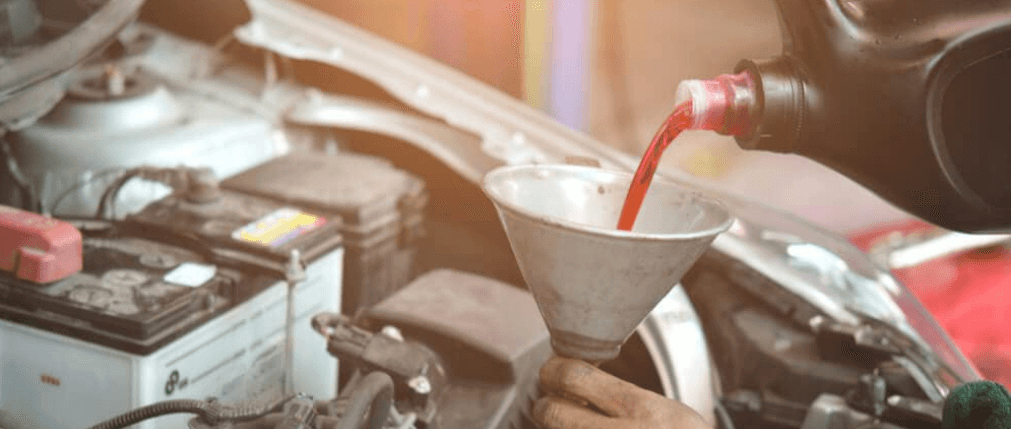
Old fluid can cause serious transmission problems. Repairs or replacements cost a lot of money. Timely fluid changes reduce the chance of breakdowns. Preventive care saves money by avoiding major fixes. It’s a smart way to protect your investment.
Credit: www.toyotaofmanchesternh.com
Frequently Asked Questions
How Often Should I Change Automatic Transmission Fluid?
Most experts recommend changing transmission fluid every 30,000 to 60,000 miles. Check your vehicle’s manual for specific guidance. Regular changes help keep your transmission running smoothly.
What Are Signs My Transmission Fluid Needs Changing?
Look for dark, burnt-smelling fluid or slipping gears. Strange noises or delayed shifting can also indicate fluid problems. These signs mean it’s time to check or change the fluid.
Can Old Transmission Fluid Damage My Car?
Yes, old fluid loses its ability to lubricate and cool. This can cause overheating and wear inside the transmission. Changing the fluid on time prevents costly repairs.
Is It Safe To Change Transmission Fluid Myself?
It’s possible but tricky. Proper tools and knowledge are needed to avoid spills and damage. Many people prefer a professional to ensure the job is done right.
Does Driving Style Affect Transmission Fluid Life?
Yes, heavy towing or stop-and-go driving stresses the transmission more. This can shorten the fluid’s life. Adjust fluid change intervals based on your driving habits for best results.
Conclusion
Changing your automatic transmission fluid keeps your car running smoothly. Check your owner’s manual for the right interval. Old fluid can cause damage and costly repairs. Regular changes improve shifting and extend transmission life. Don’t wait for problems to start.
Stay ahead with timely maintenance. Your car will thank you with better performance and reliability. Simple steps save you money in the long run. Keep an eye on fluid color and smell. Clear, fresh fluid means good health for your transmission.
Trust these tips to protect your vehicle.