Can You Switch from Manual to Automatic Transmission? Expert Guide
Are you thinking about switching from a manual to an automatic transmission? Maybe you’re tired of the constant clutch work, or you want a smoother driving experience.
Whatever your reason, making the switch can feel confusing and even a little risky. But what if it’s simpler than you think? You’ll discover exactly how the change works, what to expect, and whether it’s the right move for your car and lifestyle.
Keep reading to find out how you can make driving easier and more enjoyable starting today.
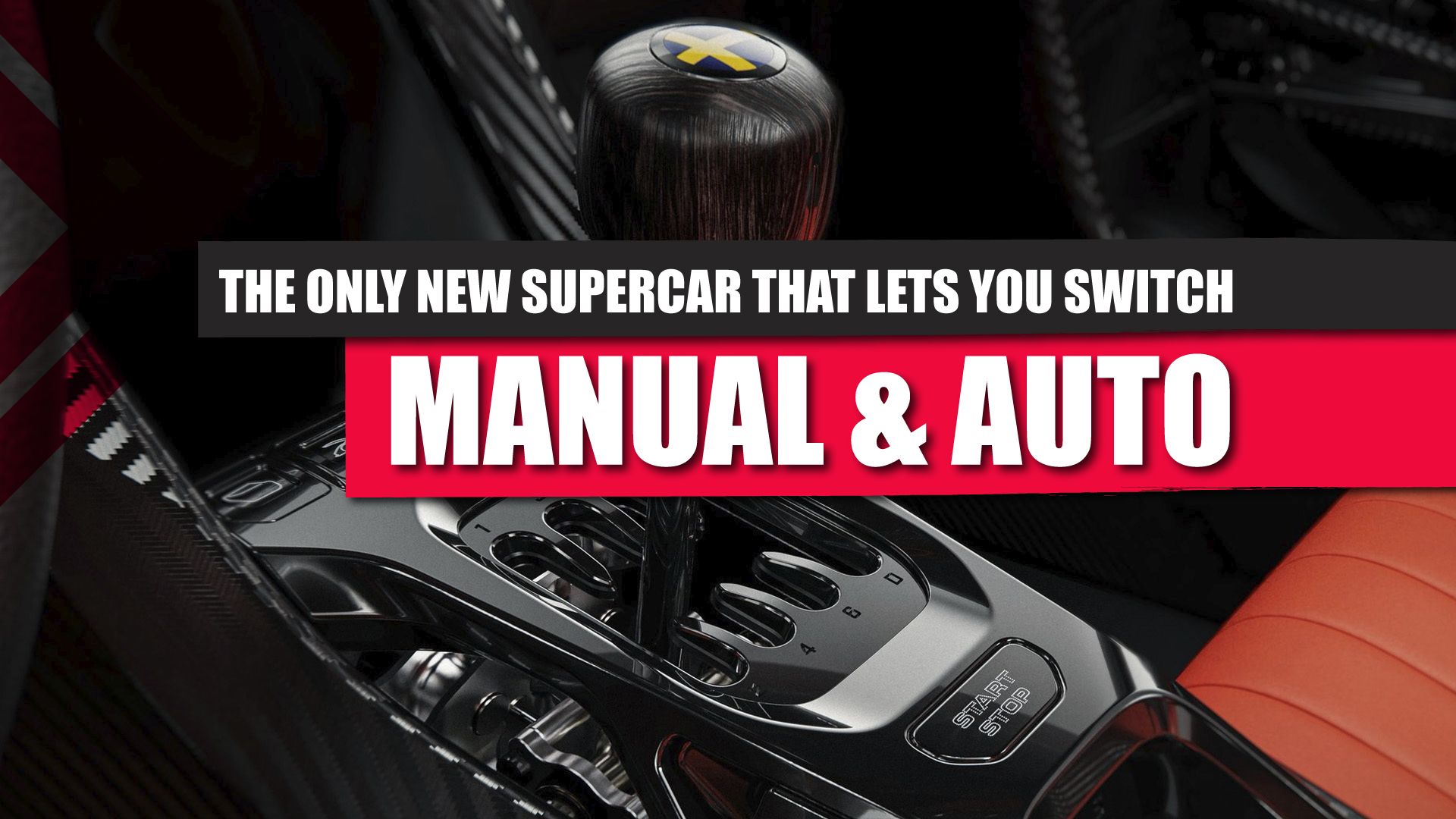
Credit: www.hotcars.com
Differences Between Manual And Automatic
Switching from a manual to an automatic transmission means understanding how these two systems differ. Each type offers a distinct driving experience and requires different skills. Knowing these differences helps you decide if the switch fits your needs and driving style.
What Makes Manual Transmission Unique?
Manual cars have a clutch pedal and a gear stick that you control. You decide when to change gears, which means you’re more involved in the driving process. This gives you more control but demands more attention, especially in heavy traffic.
Think about your last drive in a manual car—did you enjoy the connection with the vehicle, or did it feel tiring? That hands-on control can be fun but also challenging if you’re not used to it.
How Automatic Transmission Works
Automatic cars handle gear changes for you. You simply select “Drive,” and the car shifts gears based on speed and engine load. This makes driving easier, especially in stop-and-go traffic or on long trips.
Imagine not having to worry about clutch control or gear timing at all. This can reduce stress and let you focus more on the road and surroundings.
Differences In Fuel Efficiency And Maintenance
Manual transmissions often get better gas mileage because you control when to shift gears. However, newer automatic transmissions have improved and can sometimes match or beat manual efficiency.
Maintenance differs too. Manuals may require clutch replacements over time, which can be costly. Automatics have complex systems that might need specialized service, but generally, they require less frequent repairs.
Which One Fits Your Lifestyle?
Ask yourself: Do you enjoy being actively involved in driving, or do you prefer convenience? If your daily commute is long and involves heavy traffic, an automatic might ease your stress.
On the other hand, if you like driving on winding roads or want better control over your car’s performance, sticking with manual might be better. What kind of driving experience matters most to you?
Benefits Of Switching To Automatic
Switching from a manual to an automatic transmission offers many benefits. Driving becomes easier and less stressful. This change suits busy city traffic and long commutes. Automatic cars require less effort, making driving more comfortable for many people.
Automatic transmissions also help reduce driver fatigue. Without the need to constantly shift gears, your focus stays on the road. This can improve safety during daily drives. The smooth gear changes provide a relaxed driving experience that many enjoy.
Ease Of Use
Automatic cars are simple to operate. You only need to use the gas and brake pedals. There is no clutch to manage or gear lever to shift. This makes driving easier for beginners and experienced drivers alike.
Better Traffic Handling
Stop-and-go traffic is less tiring in an automatic. The car handles gear changes for you. You don’t have to keep shifting gears at red lights or in slow traffic. This saves energy and reduces stress on busy roads.
Improved Focus On Driving
Without manual gear changes, you can focus more on the road. This can help you notice hazards faster. Automatic transmission allows a smoother and more controlled drive. This often leads to a safer driving experience.
Less Wear And Tear
Automatic transmissions reduce the chance of gear grinding. This lowers the risk of damage to the car’s transmission system. Proper shifting by the car protects its parts better. This can lead to fewer repairs and maintenance costs.
Accessibility For All Drivers
Automatic cars are easier for people with physical challenges. No need to operate a clutch pedal. This makes driving accessible to a wider range of people. It offers independence to those who find manual shifting hard.
Steps To Transition Smoothly
Switching from a manual to an automatic transmission can feel tricky at first. The steps below help make the change easier. Follow them to drive with confidence and less stress.
Understand The Basic Differences
Automatic cars do not need a clutch pedal or gear shifts. The car changes gears by itself. Focus on the brake and gas pedals only. This is a big change from manual driving.
Practice Using The Brake And Gas
Get used to pressing the brake and gas smoothly. Automatic cars stop and start differently. Practice in a quiet place before driving in traffic.
Learn The Gear Selector Positions
Know what each gear position means: Park, Reverse, Neutral, Drive. Use Park when stopped and Drive to move forward. Never switch gears while the car is moving.
Start Driving Slowly
Drive slowly at first to feel the car’s response. Let the car do the gear changes. Focus on steering and watching the road.
Use The Parking Brake Every Time
Always apply the parking brake when parking. This keeps the car safe and prevents it from rolling. It is especially important on hills.
Stay Calm And Patient
Expect a learning curve. Mistakes are normal. Take breaks if you feel nervous. Confidence will grow with practice.

Credit: www.youtube.com
Common Challenges And Solutions
Switching from a manual to an automatic transmission can be confusing. Many drivers face challenges during this change. Knowing common problems helps ease the transition. Here are some typical challenges and how to solve them.
Adjusting To The Different Pedal Setup
Manual cars have three pedals; automatic cars only have two. This change can feel strange at first. Drivers may press the clutch pedal out of habit. Practice helps. Focus on using only the brake and gas pedals. This adjustment usually takes a few days.
Understanding Gear Shifts And Controls
Automatic transmissions shift gears on their own. Some drivers miss the control they had with manual shifting. Learning the gear selector positions is key. Know what P, R, N, and D mean. This knowledge prevents mistakes and keeps driving safe.
Managing Speed And Braking Smoothly
Manual drivers often use the clutch to control speed. Automatics rely more on the brake pedal. New automatic drivers may brake too hard or too late. Practice gentle braking and smooth acceleration. This approach makes rides comfortable and safe.
Overcoming Habitual Clutch Use
Muscle memory from driving manuals can cause errors. For example, trying to press a clutch pedal that isn’t there. Stay aware of this habit. Consciously avoid clutch-related actions. Time and repetition will build new driving habits.
Building Confidence Behind The Wheel
Fear of losing control is common when switching. Taking slow, short drives helps build trust in the automatic car. Familiar routes reduce stress. Confidence grows with every trip. Soon, driving automatic feels natural and easy.
Credit: www.hotcars.com
Frequently Asked Questions
Can I Switch From Manual To Automatic Transmission Easily?
Switching requires learning new driving skills. Automatic cars don’t need clutch or gear shifting. Practice helps adjust to the different controls.
What Are The Costs Of Switching Transmissions?
You must buy or lease an automatic car. Converting a manual to automatic is expensive and rare. Also, insurance and maintenance may cost more.
Will I Lose Control Driving An Automatic Car?
Automatic cars handle gear changes for you. This lets you focus on steering and braking. Some drivers find automatics easier and safer to drive.
Is Switching Good For City Or Highway Driving?
Automatics are great for stop-and-go city traffic. They reduce driver fatigue in heavy traffic. Manual cars may offer better control on highways.
Do Automatic Cars Have Better Fuel Efficiency Than Manuals?
Fuel efficiency depends on car model, not just transmission. Some automatics match or beat manuals in mileage. New technology improves automatic transmission performance.
Conclusion
Switching from manual to automatic transmission is possible for most drivers. It takes some time to get used to the new system. Automatic cars offer ease, especially in heavy traffic and hills. Manual drivers may miss the control but gain comfort and less effort.
Consider your driving needs and habits before changing. Practice helps build confidence and smooth driving. Remember, both transmissions have pros and cons. Choose what fits your lifestyle best. Keep learning and enjoy the ride.