Why are My Brakes Still Squeaking After Changing Them: Top Fixes
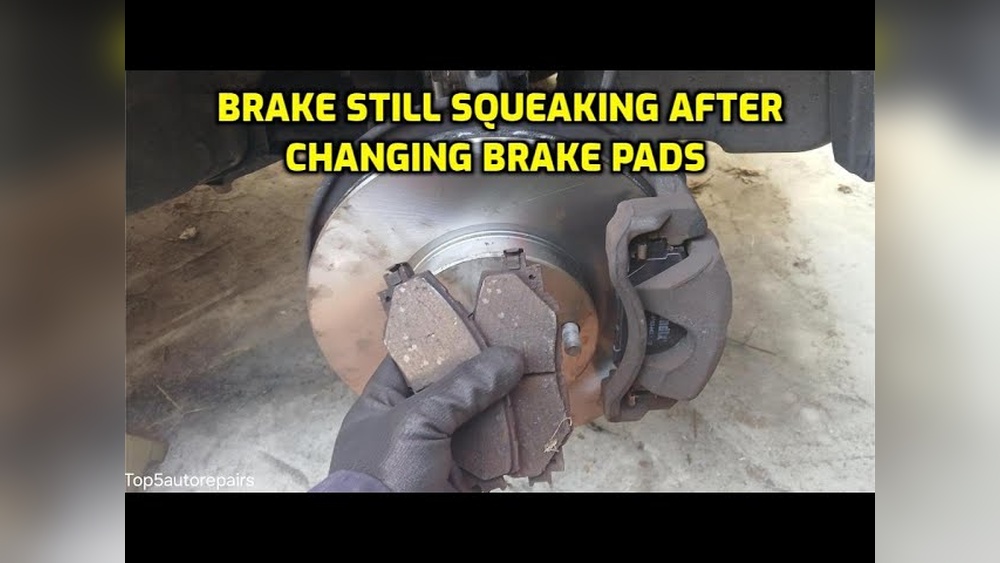
You just changed your brakes, expecting a smooth, quiet ride. But instead, you’re still hearing that annoying squeak every time you hit the pedal.
It’s frustrating, right? You might be wondering, “Why are my brakes still squeaking after changing them? ” You’re not alone, and the answer isn’t always simple. Keep reading, because understanding the reasons behind this noise can save you time, money, and stress.
Let’s dive into what’s really going on with your brakes and how you can fix the problem for good.

Credit: www.wikihow.com
Common Causes Of Squeaky Brakes
Squeaky brakes after a brake change can feel frustrating. It often means something is not right. Understanding the common causes helps fix the problem quickly. Knowing these causes lets you avoid repeated noise and unsafe driving.
Improper Installation
Brake parts need careful fitting. Tightening bolts too much or too little causes noise. Misaligned pads rub unevenly on the rotor. Missing clips or shims also lead to squeaks. Proper installation keeps brakes quiet and safe.
Brake Pad Material
Some brake pads make more noise than others. Metallic pads often squeak more than ceramic ones. Cheaper pads can cause more friction and sound. Choosing the right pad material lowers noise and improves comfort.
Rotor Condition
Rotors that are worn or warped cause brake noise. Grooves or rust on rotors lead to uneven pad contact. This creates vibrations and squeaks. Resurfacing or replacing rotors can solve the issue.
Lack Of Lubrication
Brake parts need lubrication to move smoothly. Without grease, metal parts rub loudly. Areas like caliper slides and pad backs need lubrication. Proper grease reduces noise and prevents wear.

Credit: www.wikihow.com
Diagnosing Brake Noise
Brake noise after changing pads can be confusing. Understanding the cause helps fix the problem. Diagnosing brake noise involves careful checks and tests. This process helps spot the exact issue quickly.
Visual Inspection
Start by looking closely at the brakes. Check for dust, dirt, or rust on the pads and rotors. Look for uneven wear or cracks on the brake pads. Make sure the pads fit well in the caliper. Loose or damaged parts can cause noise. Clean any buildup that might rub against the rotor.
Test Driving Techniques
Drive at different speeds to hear the brake sounds. Try braking gently, then harder to compare noises. Notice if the sound changes when turning the wheel. Test on smooth and rough roads to find patterns. These steps help find when the noise happens most.
Listening For Specific Sounds
Brake noises can vary in type and tone. A high-pitched squeak often means worn pads or dust. Grinding sounds suggest metal rubbing on metal. Clicking or rattling might be loose parts. Listening carefully helps pinpoint the cause. Record the sound if possible for better diagnosis.
Effective Fixes For Squeaking Brakes
Brake squeaking after replacement can be frustrating. The noise often signals issues with the brake system. Fixing this problem involves a few key steps. These steps help ensure the brakes work quietly and effectively.
Replacing Or Resurfacing Rotors
Rotors can cause squeaks if they are damaged or uneven. Replacing worn rotors solves many noise problems. Resurfacing rotors smooths out rough spots. This process helps the brake pads make better contact. It reduces vibrations that cause squeaking sounds.
Applying Brake Lubricant
Brake lubricant cuts down friction between parts. Apply it to the back of the brake pads. Avoid getting lubricant on the pad surface or rotor. This step stops metal-on-metal contact noises. Use high-temperature brake grease for best results.
Using High-quality Brake Pads
Cheap brake pads often cause noise. High-quality pads last longer and work better. They produce less dust and noise during braking. Look for pads made with advanced materials. These provide smoother, quieter stops.
Proper Bedding-in Process
Bedding in new brakes is essential. It helps pads and rotors wear evenly. Follow the manufacturer’s instructions carefully. Usually, this involves gentle stops over a few miles. Proper bedding reduces squeaking and improves brake performance.
Preventing Future Brake Squeaks
Preventing future brake squeaks helps keep your drives quiet and safe. Squeaky brakes can signal issues that affect performance and comfort. Taking steps to avoid these noises protects your brake system and extends its life. Follow clear practices to stop squeaks before they start.
Regular Maintenance Tips
Check your brakes often for wear or damage. Clean brake parts to remove dust and grime. Replace worn pads before they cause noise or damage. Lubricate moving parts with brake-specific grease. Inspect rotors for grooves or warping that lead to noise. Timely care keeps brakes working quietly and well.
Choosing The Right Brake Components
Select brake pads designed for your vehicle type. Avoid cheap pads that wear quickly and squeak easily. Use quality rotors that match your brake pads. Consider ceramic pads for quieter braking. High-quality parts reduce noise and improve safety. Proper components lower the chance of future squeaks.
Proper Installation Practices
Clean all parts thoroughly before installation. Apply anti-squeal grease to the back of brake pads. Tighten all bolts to the manufacturer’s specifications. Avoid over-tightening, which can cause stress and noise. Ensure pads and rotors align perfectly. Correct installation prevents vibrations that cause squeaking.

Credit: www.youtube.com
Frequently Asked Questions
Why Do New Brakes Still Make Noise After Replacement?
New brakes can squeak if dust or debris is trapped between pads and rotors. Sometimes, brake pads need a break-in period to stop noise. Improper installation or missing lubricant on shims can also cause squeaking.
Can Brake Pad Material Cause Squeaking Sounds?
Yes, some brake pad materials, like metallic or semi-metallic, are noisier than others. Softer materials tend to be quieter but may wear faster. Choosing the right pad type helps reduce noise.
How Does Rotor Condition Affect Brake Noise?
Worn or uneven rotors can cause new brake pads to squeak. Rotors need to be smooth and clean for quiet braking. Resurfacing or replacing damaged rotors often solves the noise problem.
Does Brake Hardware Impact Squeaking Brakes?
Brake hardware like clips, shims, and springs reduces vibration and noise. Missing or damaged hardware can lead to squeaking sounds. Proper hardware installation is key to quiet brakes.
Conclusion
Squeaking brakes can still happen after a change. Dirt, poor installation, or worn parts often cause noise. Sometimes, new brakes need time to settle. Cleaning and checking the brake system helps a lot. Don’t ignore the sound; it shows a problem.
Regular care keeps brakes quiet and safe. Taking small steps now saves bigger troubles later. Stay alert and keep your brakes working well. Quiet brakes mean a smoother, safer drive every time.