Can a Bad Wheel Bearing Cause Vibration at High Speeds? Find Out!
Have you ever felt your car shaking or vibrating when you speed up on the highway? That uneasy wobble under your feet might be more than just a minor annoyance.
If you’re wondering, “Can a bad wheel bearing cause vibration at high speeds? ” You’re not alone. Your safety and comfort on the road depend on understanding what’s happening beneath your wheels. Keep reading to find out how a worn-out wheel bearing could be the hidden culprit behind those unsettling vibrations—and what you can do to fix it before it becomes a bigger problem.
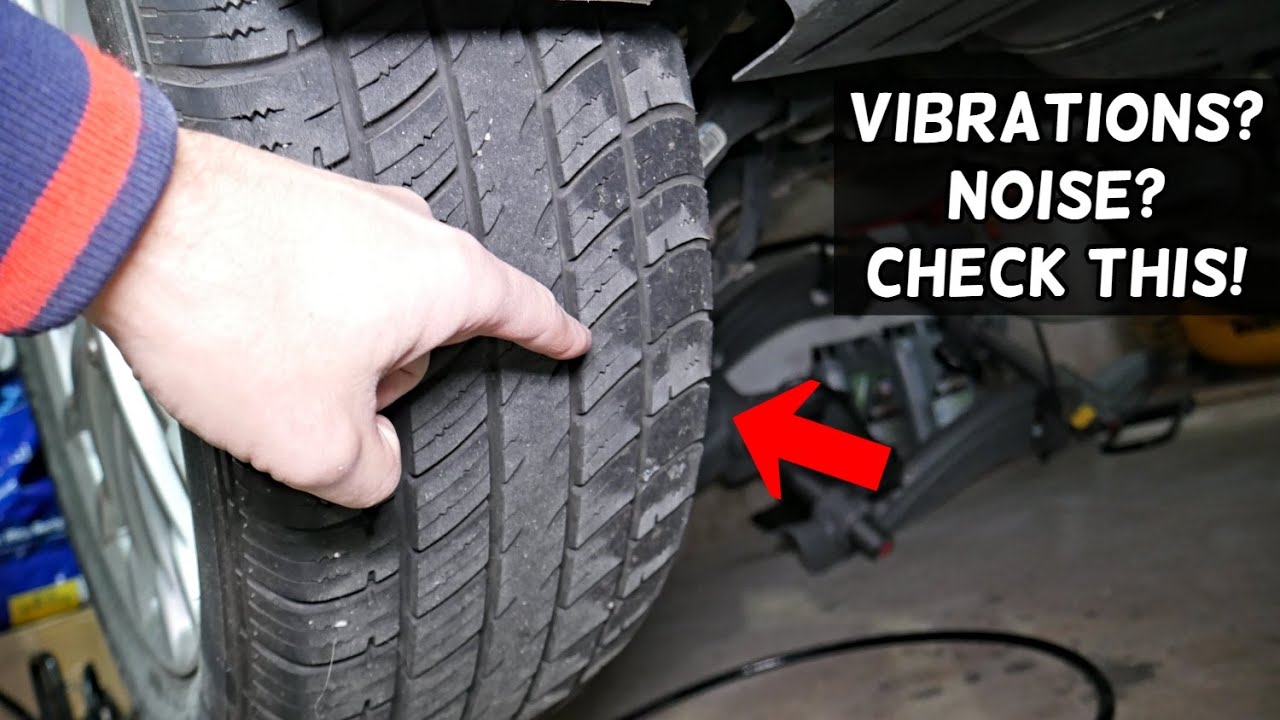
Credit: www.youtube.com
Signs Of A Failing Wheel Bearing
Recognizing the signs of a failing wheel bearing is important for safe driving. The wheel bearing helps your wheel spin smoothly. When it goes bad, you might feel vibrations, hear noises, or notice other problems. Catching these signs early can prevent bigger car troubles and keep your ride safe.
Noise And Grinding
A worn wheel bearing often makes noise. You might hear humming, growling, or grinding sounds. These noises get louder as you drive faster. They usually come from one side of the car. Listening closely while driving can help spot this early.
Uneven Tire Wear
Bad wheel bearings cause tires to wear unevenly. You may see more wear on one side of the tire. This happens because the wheel does not rotate properly. Checking your tires regularly can reveal this problem before it gets worse.
Steering Issues
Steering can feel loose or shaky with a bad wheel bearing. The steering wheel might vibrate or pull to one side. These issues make controlling the car harder. Notice how your car handles, especially at higher speeds.
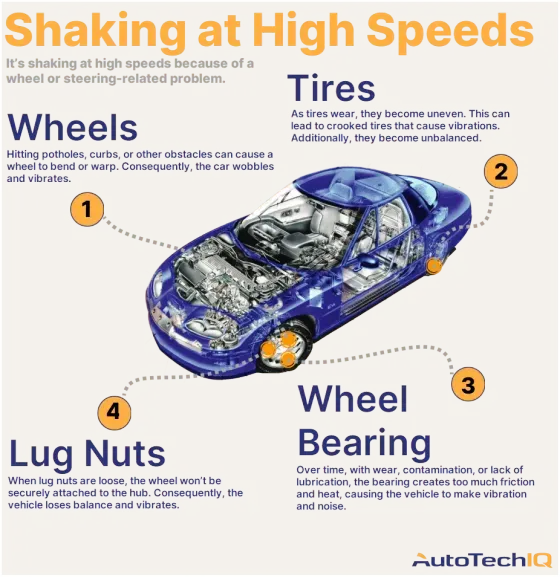
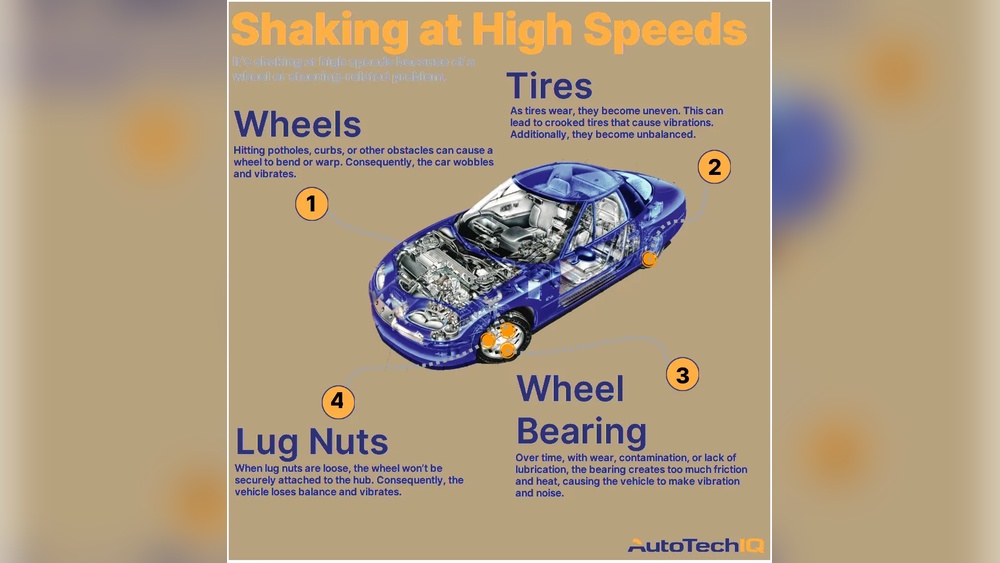
Credit: www.autotechiq.com
How Wheel Bearings Affect Vehicle Vibration
Wheel bearings play a key role in how smoothly your vehicle moves. These small parts help the wheels turn freely. When they work well, you barely notice them. But worn or damaged bearings can cause problems. One common issue is vibration, especially at high speeds. Understanding how wheel bearings affect vehicle vibration helps you spot trouble early.
Role In Wheel Rotation
Wheel bearings support the wheel and allow it to spin smoothly. They reduce friction between moving parts. This helps the wheel rotate with little resistance. Good bearings keep the wheel steady and balanced. This balance is important for a smooth ride. When bearings are healthy, you feel less shaking or wobbling.
Impact Of Wear And Damage
Wear or damage to wheel bearings changes how they work. Bearings can become loose or rough inside. This causes uneven movement in the wheel. The wheel may wobble or vibrate as it spins. At higher speeds, these vibrations become stronger and more noticeable. Damage can also cause noise and affect steering control. Fixing bearings early stops damage from getting worse.
Identifying Vibration Causes At High Speeds
Vibrations at high speeds can be dangerous and uncomfortable. Identifying the cause quickly helps keep driving safe. Many parts in a vehicle might cause these shakes. Knowing the signs of each helps find the right fix fast.
Differentiating Wheel Bearing Vibration
A bad wheel bearing often causes a humming or grinding sound. The vibration feels like a steady shake through the steering wheel. It grows worse as speed increases. The noise may change when turning corners. This happens because the damaged bearing struggles under pressure.
Wheel bearing issues usually start slowly and get worse over time. The vibration stays constant at high speeds, unlike other problems that may come and go. Checking for looseness in the wheel can also point to a bad bearing.
Other Potential Sources
Vibration at high speeds can come from many parts besides wheel bearings. Tire problems like imbalance or uneven wear cause shaking. Worn suspension parts also create vibrations. Brake issues and bent rims add to the list of causes.
Each source causes different vibration patterns. Tires often cause a pulsing feeling. Suspension problems create a bouncing motion. Bent rims produce a wobble. Testing each part carefully helps find the exact problem.

Credit: www.youtube.com
Repair And Maintenance Tips
Repair and maintenance are key to keeping your car safe and smooth. Wheel bearings need attention to avoid problems like vibration at high speeds. Proper care can extend their life and improve driving comfort.
Knowing when to replace wheel bearings and how to care for them helps prevent costly repairs. Regular checks and simple steps keep your vehicle running well.
When To Replace Wheel Bearings
Listen for humming or grinding noises from the wheels. These sounds often mean the bearing is worn out. Vibration at high speeds can also signal a bad wheel bearing.
Check for looseness in the wheel by shaking it. If it moves too much, the bearing may need replacement. Early replacement avoids damage to other parts.
Replace wheel bearings right away if you notice any signs. Delaying can cause safety risks and expensive repairs later.
Preventive Care Strategies
Keep wheel bearings clean and well-lubricated. Dirt and rust can wear down the bearing quickly. Use the right grease recommended by your vehicle’s manufacturer.
Have a professional inspect the bearings during regular service visits. They can spot early wear and fix it before problems start.
Avoid driving through deep water or rough roads often. These conditions can damage wheel bearings faster.
Regular checks and good habits keep wheel bearings working smoothly longer. Safe driving starts with good maintenance.
Frequently Asked Questions
Can A Bad Wheel Bearing Cause Car Vibration?
Yes, a bad wheel bearing can cause your car to vibrate. The vibration usually gets worse at higher speeds. It happens because the bearing is loose or damaged.
How To Tell If A Wheel Bearing Is Failing?
Listen for a humming or growling noise while driving. You may also feel shaking or wobbling in the steering wheel. Uneven tire wear can be another sign.
Does A Bad Wheel Bearing Affect Vehicle Safety?
Yes, a bad wheel bearing can be dangerous. It can cause wheel wobble or even wheel lock-up. This increases the risk of accidents.
Can Vibration From A Bad Wheel Bearing Damage Other Parts?
Yes, continuous vibration can harm suspension and tires. It puts extra stress on these parts, leading to faster wear. Fixing the bearing early prevents this damage.
Conclusion
A bad wheel bearing can cause vibrations at high speeds. This can affect your driving comfort and safety. Pay attention to unusual noises or shaking in your vehicle. Fixing a worn bearing early saves money and prevents bigger problems. Regular car checks help catch issues before they grow.
Stay safe on the road by maintaining your wheels. Don’t ignore signs of trouble—act quickly. Your car will run smoother and last longer. Simple care keeps your drive steady and safe.