Do You Have to Get an Alignment After Replacing Tires? Essential Tips
Getting new tires is exciting—you’re ready for a smoother, safer drive. But once you’ve made that purchase, you might wonder: Do you have to get an alignment after replacing tires?
It’s a question that can save you money, extend the life of your tires, and keep your car running perfectly. You’ll discover why an alignment might be more important than you think. Stick around to learn how to protect your investment and avoid costly problems down the road.
Credit: www.fordfranklin.com
Why Alignment Matters After New Tires
Getting new tires is a good step for your car’s safety and performance. But new tires alone do not guarantee a smooth ride or long tire life. Wheel alignment plays a key role after tire replacement.
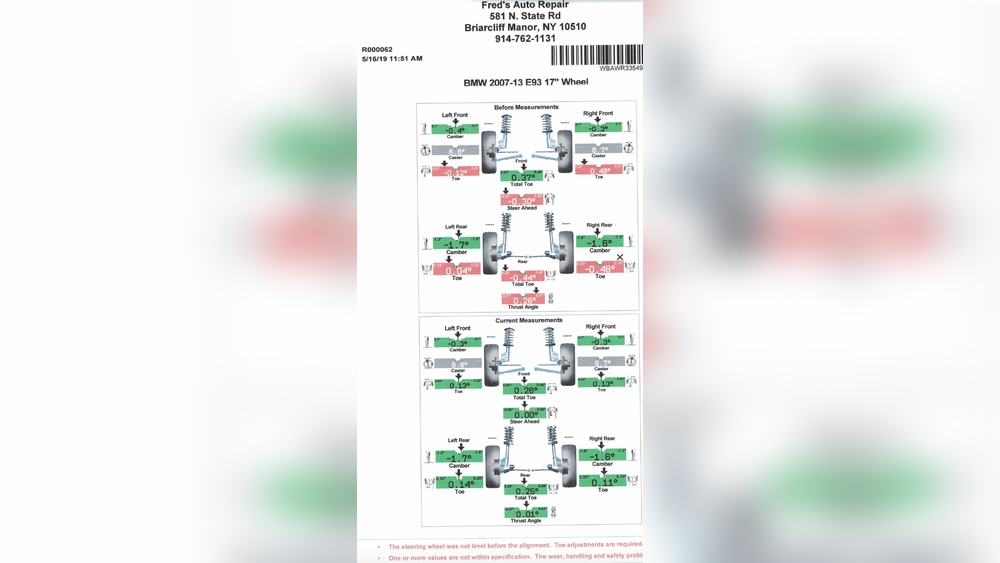
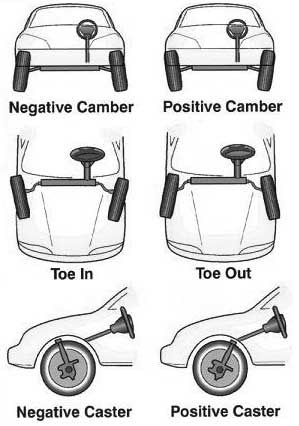
Alignment means adjusting the angles of your wheels. This makes sure tires touch the road evenly and correctly. Poor alignment causes uneven tire wear and can make your car pull to one side.
Proper alignment helps your tires last longer and improves fuel efficiency. It also makes driving safer and more comfortable. Skipping alignment after new tires can lead to costly problems later.
Protect Your Investment
New tires cost money. Protect that investment by ensuring proper alignment. Misaligned wheels can wear tires unevenly and quickly. This means you replace tires sooner than needed.
Improve Vehicle Handling
Correct alignment keeps your car stable on the road. It helps maintain proper steering control. This reduces the risk of accidents caused by poor handling.
Save Fuel And Money
Misaligned wheels cause extra friction. Your engine works harder and burns more fuel. Proper alignment reduces fuel consumption and saves money over time.
Prevent Uneven Tire Wear
Without alignment, tires wear unevenly. This affects traction and safety. Alignment makes sure tires wear evenly and last longer.
Signs You Need An Alignment
Knowing the signs of a bad wheel alignment helps protect your new tires. Misaligned wheels cause uneven tire wear and poor handling. Catching these signs early can save money and keep driving safe.
Uneven Tire Wear
Tires wear out faster on one side when alignment is off. Check your tires for bald spots or uneven tread. Uneven wear means your wheels are not aligned correctly.
Steering Wheel Pulls To One Side
The steering wheel should stay centered when driving straight. If it pulls left or right, your alignment may be off. This can make driving tiring and unsafe.
Steering Wheel Vibration
Feeling a vibration or wobble in the steering wheel is a warning sign. Misalignment or unbalanced tires often cause this. It can also lead to faster tire wear.
Car Drifts Or Wanders
Your car should drive straight without constant correction. If it drifts or wanders on the road, alignment needs checking. This affects control and increases accident risk.
Uneven Or Rapid Tire Wear After Replacement
New tires wearing out quickly or unevenly is a red flag. Proper alignment ensures tires last longer and perform well. Get an alignment to avoid wasting new tires.
How Tire Replacement Affects Alignment
Tire replacement can change how your car drives and handles. Getting an alignment ensures tires wear evenly and the car stays safe on the road. Alignments help keep steering straight and improve tire life after new tires are installed.
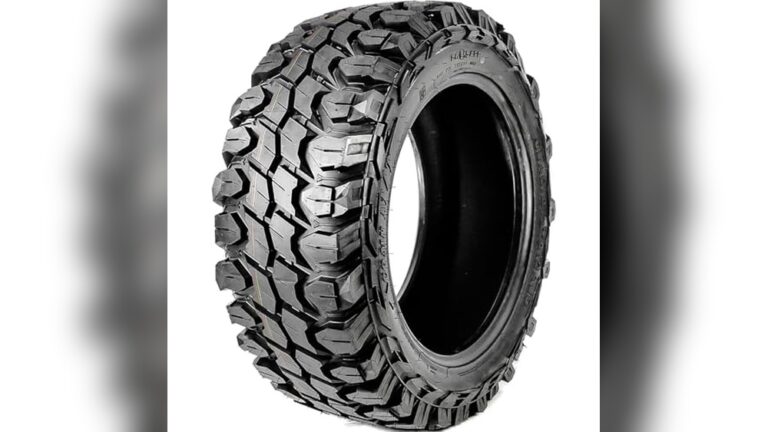
Replacing tires can change how your car drives and handles. New tires may have a different size or tread pattern. These changes can affect the alignment of your wheels.
Alignment means the angles of the wheels and how they touch the road. Proper alignment helps your car drive straight and prevents uneven tire wear. After replacing tires, the car may pull to one side or the steering wheel might not be centered. This happens because the new tires can shift the balance of your vehicle.
Changes In Tire Size And Impact On Alignment
Even small differences in tire size can affect alignment. Different tire sizes change the height and width of the tires. This can alter the way the wheels sit on the road. Misaligned wheels cause uneven tire wear and reduce fuel efficiency. Checking alignment after changing tire size is important for safety and performance.
Effects Of Tread Pattern On Wheel Alignment
Tires with new tread patterns may grip the road differently. This can change how the car handles curves and braking. Uneven grip might make the car feel unstable or pull to one side. Alignment ensures the wheels work well with the new tire tread. It helps maintain smooth driving and prevents premature tire wear.
Signs You Need An Alignment After Tire Replacement
Watch for signs that show your alignment may be off. The car pulling to one side or a crooked steering wheel are common signals. You might feel vibrations or hear unusual noises while driving. Uneven tire wear also indicates alignment problems. Getting an alignment check after new tires can avoid these issues.

Credit: www.reddit.com
Tips For Maintaining Proper Alignment
Maintaining proper wheel alignment helps your tires last longer. It also improves your car’s handling and safety. Small changes in alignment can cause uneven tire wear. Follow these simple tips to keep your alignment in good shape and avoid costly repairs.
Check Tire Pressure Regularly
Proper tire pressure supports good alignment. Tires with low or high pressure wear unevenly. Use a pressure gauge to check your tires at least once a month. Inflate tires to the recommended level shown in your vehicle’s manual.
Avoid Potholes And Rough Roads
Hitting potholes or rough patches can knock your alignment off. Drive carefully on damaged roads to protect your tires and suspension. Slow down over bumps and avoid deep potholes when possible.
Rotate Tires Frequently
Rotating tires spreads out wear evenly. It helps maintain balanced traction and alignment. Follow the rotation schedule in your car’s manual or ask a mechanic. Regular rotation extends tire life and keeps your car stable.
Inspect Suspension Components
Worn suspension parts affect wheel alignment. Check shocks, struts, and control arms for damage. Replace any worn parts to keep wheels properly aligned. Proper suspension improves ride comfort and tire performance.
Get A Professional Alignment Check
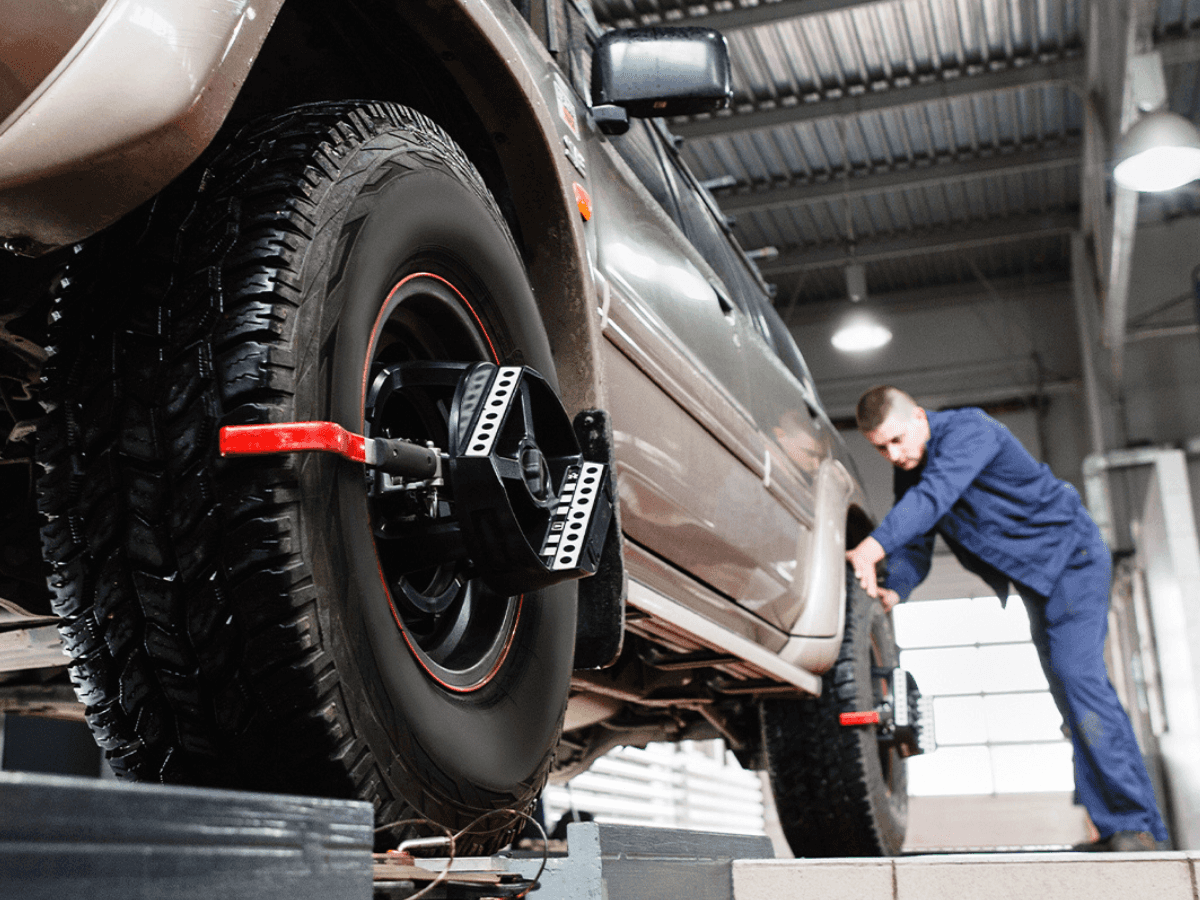
Have your alignment checked by a mechanic yearly or after tire replacement. Professionals use special tools to measure and adjust alignment accurately. Regular checks prevent uneven tire wear and improve driving safety.
Credit: www.hondaofindiantrail.com
Frequently Asked Questions
Do I Need An Alignment After Changing All Four Tires?
Yes, an alignment is recommended after replacing all tires. It ensures even tire wear and better handling. Without it, tires may wear unevenly or cause steering issues.
Can I Skip Alignment If Tires Look Fine After Replacement?
Skipping alignment may save money short-term but can cause problems later. Tires might wear unevenly, and the car may pull to one side. It’s safer to get an alignment checked.
How Soon Should I Get An Alignment After New Tires?
Get an alignment as soon as possible after installing new tires. Early alignment prevents uneven wear and improves driving safety. Waiting too long can damage your tires faster.
Will Alignment Fix Steering Problems After Tire Replacement?
Alignment can correct many steering issues caused by new tires. If the car pulls or vibrates, an alignment often helps. Still, some problems may need additional repairs.
Conclusion
Getting an alignment after replacing tires helps your car drive better. It prevents uneven tire wear and saves money in the long run. Proper alignment keeps your vehicle stable and improves safety on the road. Skipping alignment can cause your tires to wear out fast.
A quick check after new tires ensures smooth driving and longer tire life. Keep your car in good shape by considering alignment after tire changes. It’s a small step that makes a big difference.