Can You Drive Your Car With a Bad Catalytic Converter? Essential Facts
Have you ever wondered what happens if you keep driving your car with a bad catalytic converter? It might seem like a small problem, but ignoring it can lead to bigger issues that affect your car’s performance and your safety.
You’ll discover the risks of driving with a faulty catalytic converter, how it impacts your vehicle, and when you need to take action. Keep reading to learn what you must know before you get back on the road.
Signs Of A Failing Catalytic Converter
The catalytic converter is a key part of your car’s exhaust system. It helps reduce harmful emissions. When it starts to fail, your car shows clear signs. Knowing these signs helps you avoid bigger problems and costly repairs.
Watch your car closely for unusual behavior. Early detection keeps your vehicle running smoothly. It also protects the environment by lowering bad gases.
Common Symptoms To Watch For
One common sign is a strong smell of rotten eggs coming from the exhaust. This odor means the catalytic converter is not working well. Your car might also produce more smoke than usual.
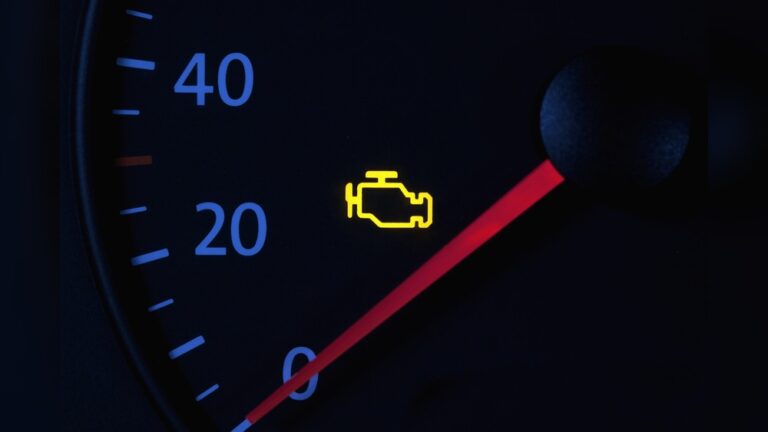
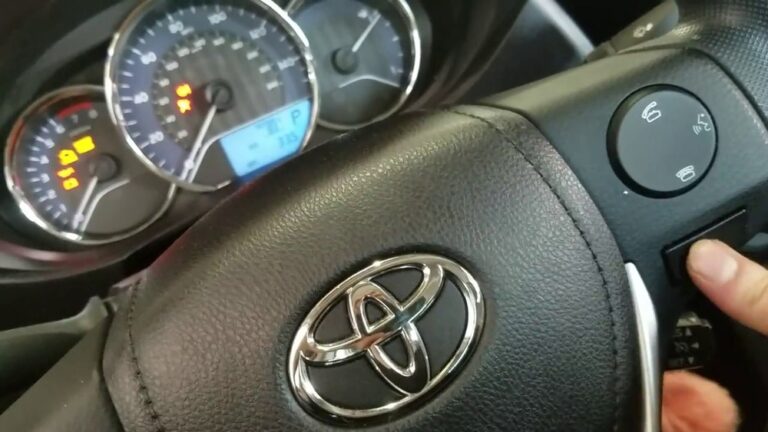
Another symptom is the check engine light turning on. This light often signals problems with the converter. You may notice your car struggles to start or stalls frequently.
Strange noises like rattling sounds under your car also indicate a failing catalytic converter. This noise happens when internal parts break or loosen.
Impact On Vehicle Performance
A bad catalytic converter reduces engine power. Your car may feel slow or weak during acceleration. Fuel efficiency usually drops too, causing more visits to the gas station.
Engine misfires and poor throttle response are common. These issues make driving unsafe and frustrating. Over time, the car can overheat and cause further damage.
Ignoring these problems risks costly repairs and breakdowns. Fixing the catalytic converter early keeps your car healthy and reliable.

Credit: www.edmunds.com
Risks Of Driving With A Bad Catalytic Converter
Driving with a bad catalytic converter can lead to serious problems. This part helps reduce harmful gases from your car’s exhaust. If it stops working well, the risks affect safety and the environment. Understanding these dangers is important before continuing to drive.
Safety Concerns
A faulty catalytic converter can cause your engine to run poorly. It may lead to reduced power and poor acceleration. This makes driving risky, especially in traffic or on highways. The converter can also overheat, which might cause engine fires. Dangerous gases like carbon monoxide can leak into the cabin. Breathing these gases is harmful and can cause dizziness or worse health issues.
Environmental Effects
A bad catalytic converter cannot clean harmful exhaust gases properly. This means more pollution comes out of your car’s tailpipe. Pollutants like carbon monoxide, nitrogen oxides, and hydrocarbons increase. These gases contribute to smog, acid rain, and health problems for people. Keeping your catalytic converter in good shape helps protect the air we breathe. Driving with a broken one harms the planet and violates emissions laws.
Legal Implications And Emission Standards
Driving with a bad catalytic converter can lead to serious legal problems. This part helps reduce harmful emissions. Laws require vehicles to meet specific emission standards. Breaking these rules can result in fines or other penalties.
Understanding the legal implications helps protect you and the environment. It also ensures your vehicle stays road-legal. Below are key points on regulations and penalties.
State And Federal Regulations
Both state and federal laws regulate vehicle emissions. The Environmental Protection Agency (EPA) sets federal standards. States may have stricter rules, especially California.
Vehicles must pass emission tests in many states. A bad catalytic converter often causes test failures. Driving without fixing it may violate these laws.
Potential Fines And Penalties
Failing emission tests can bring fines. These vary by state but can be costly. Some places require repair before renewing registration.
Ignoring the problem risks heavier penalties. Law enforcement can issue citations. Repeated violations may lead to bigger fines or even vehicle impoundment.

Credit: www.corsaperformance.com
Repair And Replacement Options
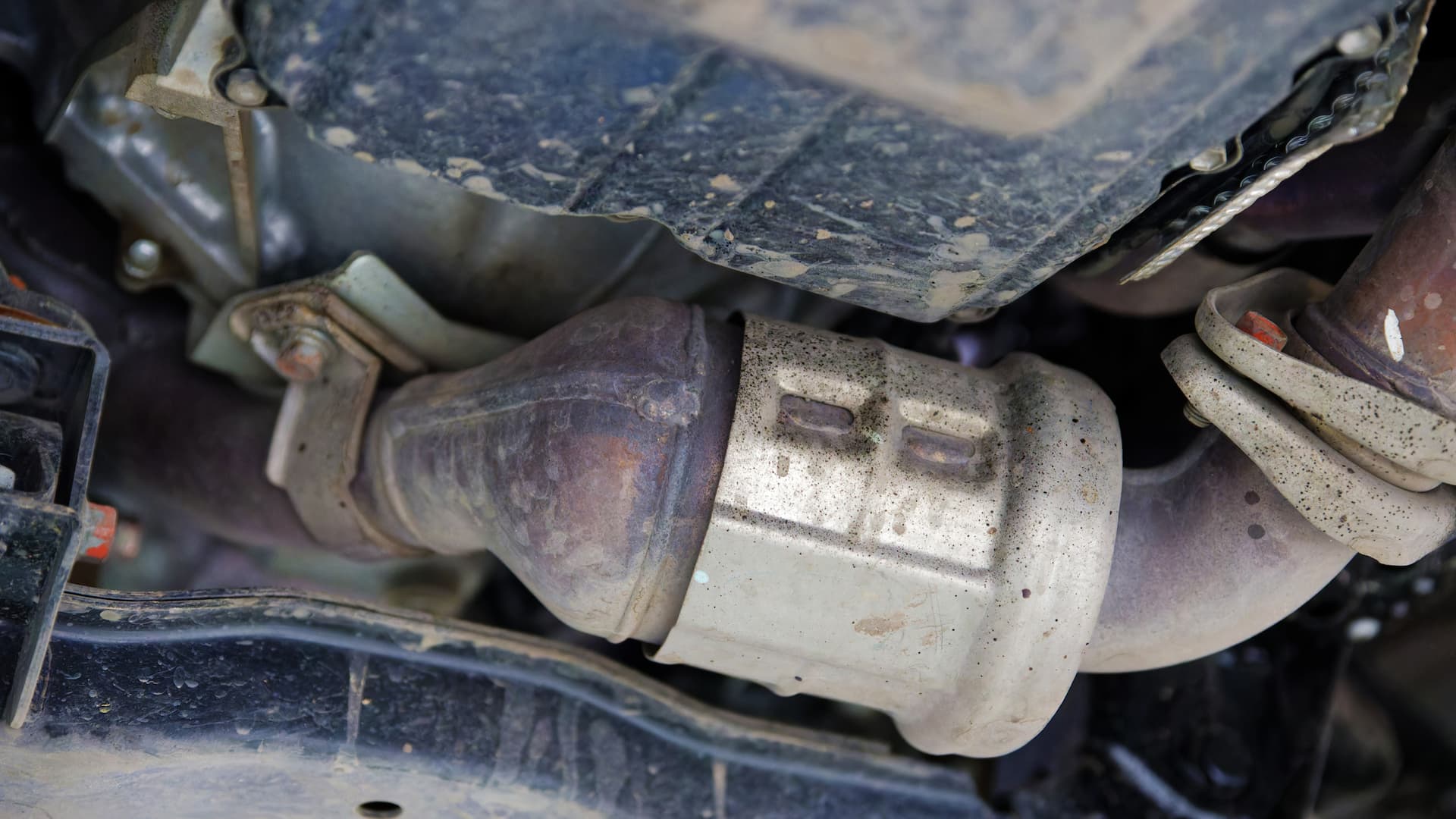
A bad catalytic converter can cause many problems in your car. Repairing or replacing it is important for your vehicle’s health. There are different options depending on the damage and your budget. Understanding these options helps you make the right choice. This section explains the repair and replacement options for a faulty catalytic converter.
Cost Estimates
Repairing a catalytic converter usually costs less than replacing it. Minor repairs can range from $100 to $300. Full replacement prices depend on the car model and part quality. Standard converters cost between $500 and $2,500. Labor fees add extra cost, often $70 to $150 per hour. Some cars need special parts, which can increase prices. Knowing these costs helps you plan your budget.
Choosing The Right Solution
Repair is best for small cracks or clogs. It saves money and time. Replacement is necessary if the converter is severely damaged or broken. OEM parts fit perfectly but cost more. Aftermarket parts are cheaper but may vary in quality. Check warranty and reviews before buying. A trusted mechanic can guide you on the best choice. Quick action prevents further engine damage.
Credit: www.autonationmobileservice.com
Frequently Asked Questions
Can A Bad Catalytic Converter Stop My Car From Running?
A damaged catalytic converter can cause engine problems and reduce performance. In severe cases, it may stop the car from running properly.
Is It Safe To Drive With A Faulty Catalytic Converter?
Driving with a bad catalytic converter is risky. It can cause poor fuel efficiency and increase harmful emissions.
How Does A Bad Catalytic Converter Affect Car Emissions?
A failing catalytic converter cannot clean exhaust gases well. This leads to higher pollution and may cause failed emission tests.
Can A Bad Catalytic Converter Cause The Check Engine Light?
Yes, a bad catalytic converter often triggers the check engine light. It signals issues with the vehicle’s emission control system.
Conclusion
Driving with a bad catalytic converter can cause serious problems. Your car may lose power and fail emissions tests. It can also waste fuel and damage other parts. Fixing the converter soon saves money and keeps your car safe. Don’t ignore warning signs like strange smells or engine trouble.
A working catalytic converter helps the environment too. Choose repair over risk for a smoother drive and fewer headaches. Keep your car healthy and the air clean.