How Long to Wait After Driving to Check Tire Pressure: Essential Tips
Have you ever wondered how long you should wait after driving before checking your tire pressure? It might seem like a simple task, but getting it wrong can lead to inaccurate readings—and that can affect your safety and your car’s performance.
If you check too soon, your tires could be hotter than usual, giving you a false sense of security or causing unnecessary worry. You’ll discover the perfect wait time to get the most accurate tire pressure readings every time. Keep reading to learn the simple steps that can save you money, improve your ride, and keep you safe on the road.
Credit: beckwiths.com
Why Tire Pressure Changes After Driving
Tire pressure rises as tires heat up during driving. Waiting at least three hours lets tires cool down. Checking pressure then gives a more accurate reading.
Heat Builds Up Inside Tires
Driving causes tires to heat up. The friction between tires and road creates warmth. This heat makes the air inside the tire expand. When air expands, tire pressure rises. That is why pressure is higher right after driving.
Air Molecules Move Faster
Heat makes air molecules move faster inside the tire. Faster molecules push harder on the tire walls. This push increases the pressure reading. Checking tire pressure right after driving gives a false high value.
Tire Material Expands Slightly
The rubber in tires also warms up and expands. This expansion changes the tire’s shape a little. It affects how the air pressure spreads inside. The result is a temporary increase in pressure after driving.
Pressure Drops When Tires Cool
When tires cool down, the air contracts. The pressure returns to its normal level. That is why waiting before checking pressure is important. It gives a more accurate reading for safer driving.
Recommended Waiting Time Before Checking
Checking tire pressure at the right time gives the most accurate results. Tire pressure changes with driving and weather. Knowing how long to wait after driving helps you get the correct reading. This section explains the recommended waiting time before you check tire pressure.
Why Wait After Driving?
Tires heat up during driving. Heat makes air inside tires expand. This causes higher pressure readings. Checking pressure immediately after driving shows false high numbers. Waiting lets tires cool and pressure stabilize.
Recommended Waiting Time
Experts suggest waiting at least three hours after driving. This time allows tires to cool down to the outside air temperature. In cold weather, the wait may be shorter. In hot weather, the wait might need to be longer.
Checking Pressure In Different Conditions
On a cold morning, tires are usually already cool. Checking pressure before driving gives a good reading. After long trips, always wait at least three hours. Short drives might need only one hour of waiting.
Factors Affecting Tire Pressure Accuracy
Tire pressure changes with heat after driving. Checking too soon gives a higher reading. Wait at least three hours for accurate results.
Temperature Changes
Tire pressure changes with the air temperature inside the tire. Warm air expands and increases pressure. Cold air contracts and lowers pressure. After driving, tires heat up, causing pressure to rise. Waiting allows the air to cool and pressure to stabilize. Checking pressure too soon gives a false high reading.
Driving Distance And Speed
Longer or faster drives heat the tires more. This heat affects the air inside the tire. Short drives may not heat tires enough to change pressure much. After a long or fast drive, wait longer before checking pressure. This helps get a true, accurate reading.
Time Since Last Check
The last time you checked tire pressure can affect accuracy. Tires lose air slowly over days or weeks. Regular checks help keep pressure accurate. Skipping checks may hide slow leaks or pressure drops. Consistent timing for checks gives better results.
Altitude And Weather Conditions
Changes in altitude affect air pressure inside tires. Higher altitudes mean lower air pressure outside the tire. This can change tire pressure readings. Weather changes, like rain or humidity, also affect pressure. Check tires in stable weather for best accuracy.
Tire Condition And Type
Old or worn tires may lose air faster. Different tire types hold air differently. Some tires react more to temperature changes. Newer tires often keep pressure more stable. Know your tire type for better pressure checks.
Credit: gualalariver.org
Tips For Accurate Tire Pressure Measurement
Measuring tire pressure correctly helps keep your car safe and saves fuel. Tires can lose or gain air with temperature changes. Checking pressure at the right time gives you true readings.
Follow simple steps to get the best results. Use a good pressure gauge. Check all tires, including the spare. Write down the numbers to track changes over time.
Check Tire Pressure When Tires Are Cold
Tire pressure rises as tires heat up from driving. Measure pressure before driving or after the car has been parked for three hours. This gives the most accurate reading.
Use A Reliable Pressure Gauge
Choose a pressure gauge that is easy to read and works well. Digital gauges often provide clear numbers. Check the gauge for damage before use.
Remove The Valve Cap Carefully
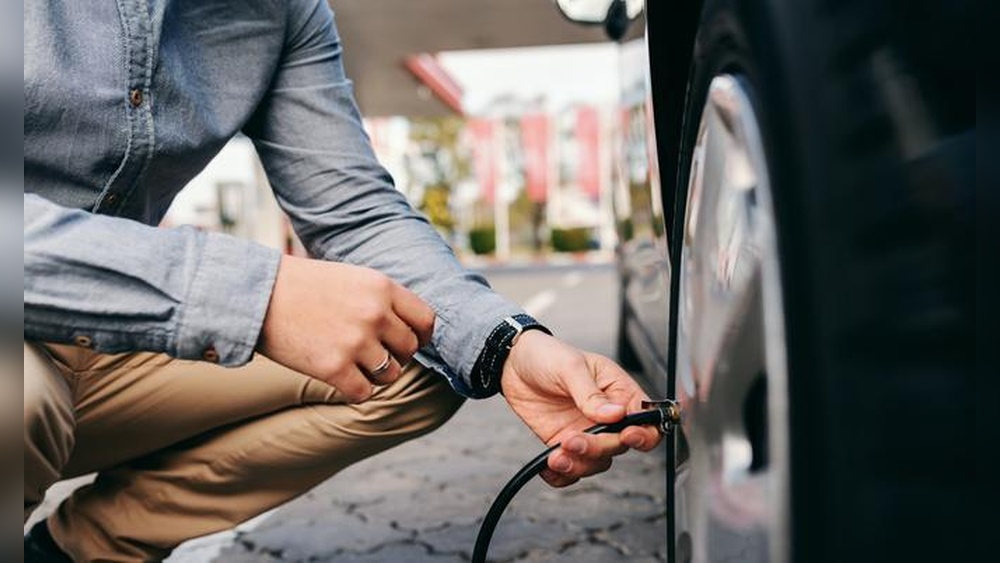
Take off the valve cap gently to avoid losing it. Press the gauge nozzle firmly on the valve stem. Avoid hissing sounds that mean air is escaping.
Check All Four Tires And The Spare
Measure pressure on all tires. Don’t forget the spare tire. Uneven pressure can cause uneven tire wear and poor handling.
Adjust Pressure To Manufacturer’s Recommendation
Find the correct tire pressure in your car’s manual or on the door frame sticker. Inflate or deflate tires to match the recommended level.

Credit: akbset.com
Frequently Asked Questions
How Long Should I Wait To Check Tire Pressure After Driving?
Wait at least 3 hours after driving to check tire pressure. This allows tires to cool down and gives accurate readings. Checking too soon may show higher pressure due to heat.
Why Does Tire Pressure Change After Driving?
Tire pressure rises as tires heat up from friction with the road. Heat makes the air inside expand, increasing pressure. Checking pressure when hot gives false high readings.
Can I Check Tire Pressure Immediately After Driving?
No, checking tire pressure immediately can give wrong results. Tires need time to cool for accurate measurement. Waiting a few hours is best.
How Often Should I Check My Tire Pressure?
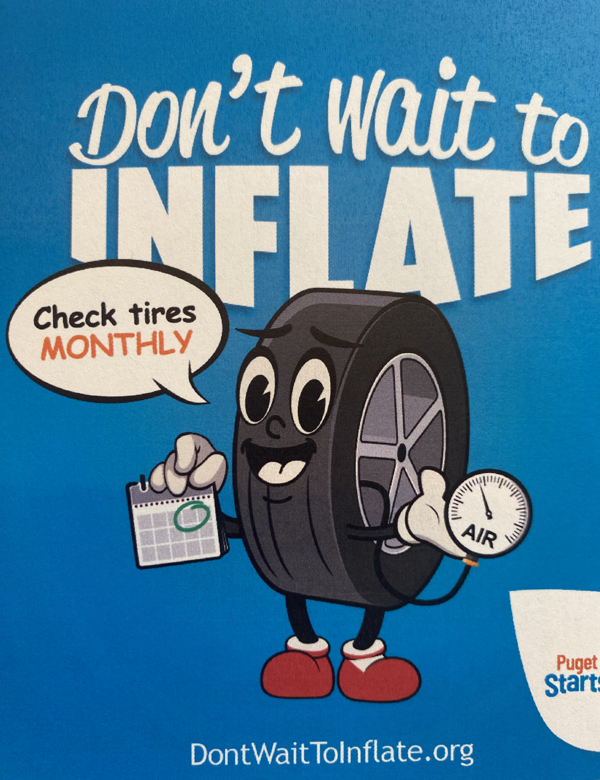
Check tire pressure at least once a month and before long trips. Proper pressure improves safety and fuel efficiency. Use a reliable gauge for best results.
Conclusion
Checking tire pressure right after driving can give wrong readings. Wait at least 30 minutes for tires to cool down. This helps get an accurate measurement. Proper tire pressure keeps your car safe and saves fuel. Regularly check your tires to avoid problems on the road.
It only takes a few minutes but protects you a lot. Stay safe by keeping your tires in good shape.