Can a Bad Serpentine Belt Cause Acceleration Problems? Shocking Truths Revealed
Have you noticed your car struggling to speed up or feeling sluggish when you press the gas? It might surprise you, but a bad serpentine belt could be the hidden reason behind your acceleration problems.
This simple yet crucial part keeps many engine components running smoothly. When it wears out or breaks, your car’s performance can take a serious hit. Keep reading to find out how your serpentine belt affects acceleration and what signs you should never ignore.
Understanding this could save you from costly repairs and get your car running like new again.
Credit: www.autotechiq.com
Role Of The Serpentine Belt
The serpentine belt is a key part of your car’s engine. It helps many important parts work together. Without it, the engine cannot run smoothly. This belt moves in a loop around several engine parts. It keeps these parts turning and working well. A bad serpentine belt can cause many problems, including trouble with acceleration.
Functions In The Engine
The serpentine belt drives multiple engine parts using the engine’s power. It transfers power from the crankshaft to other components. This power transfer is necessary for the engine to function properly. The belt also helps keep the engine cool. It powers the water pump, which moves coolant through the engine. If the belt slips or breaks, these functions stop working well.
Components Driven By The Belt
The serpentine belt moves several key parts. It powers the alternator, which charges the battery. The belt also drives the power steering pump, helping you steer the car easily. It runs the air conditioning compressor for climate control. It also turns the water pump to cool the engine. If the belt fails, these parts stop working, causing engine and acceleration issues.
Symptoms Of A Failing Serpentine Belt
The serpentine belt plays a key role in your car’s engine. It powers important parts like the alternator, water pump, and air conditioning. A failing serpentine belt can cause many problems. Recognizing the symptoms early can help you avoid serious damage. Below are common signs to watch for.
Signs Of Wear And Damage
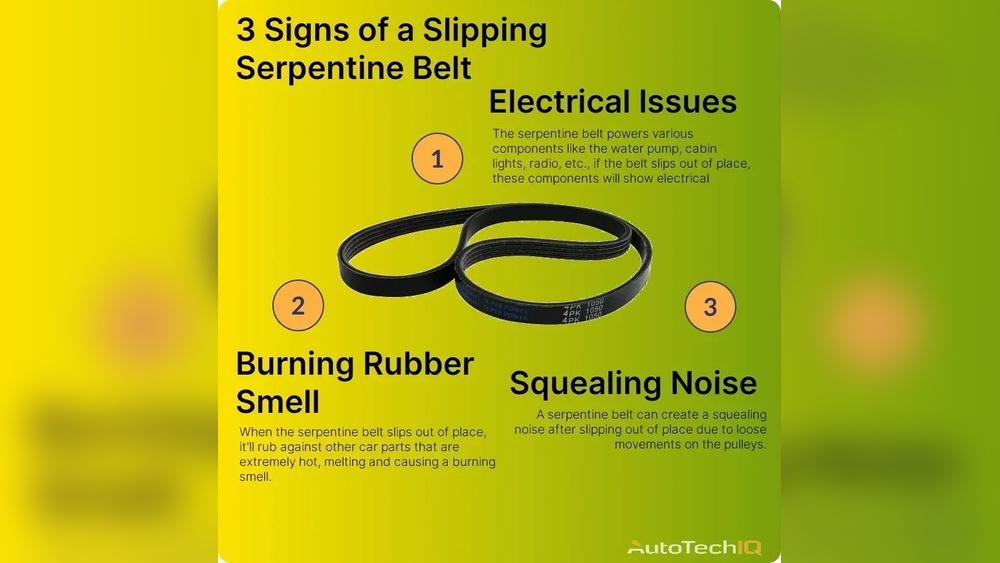
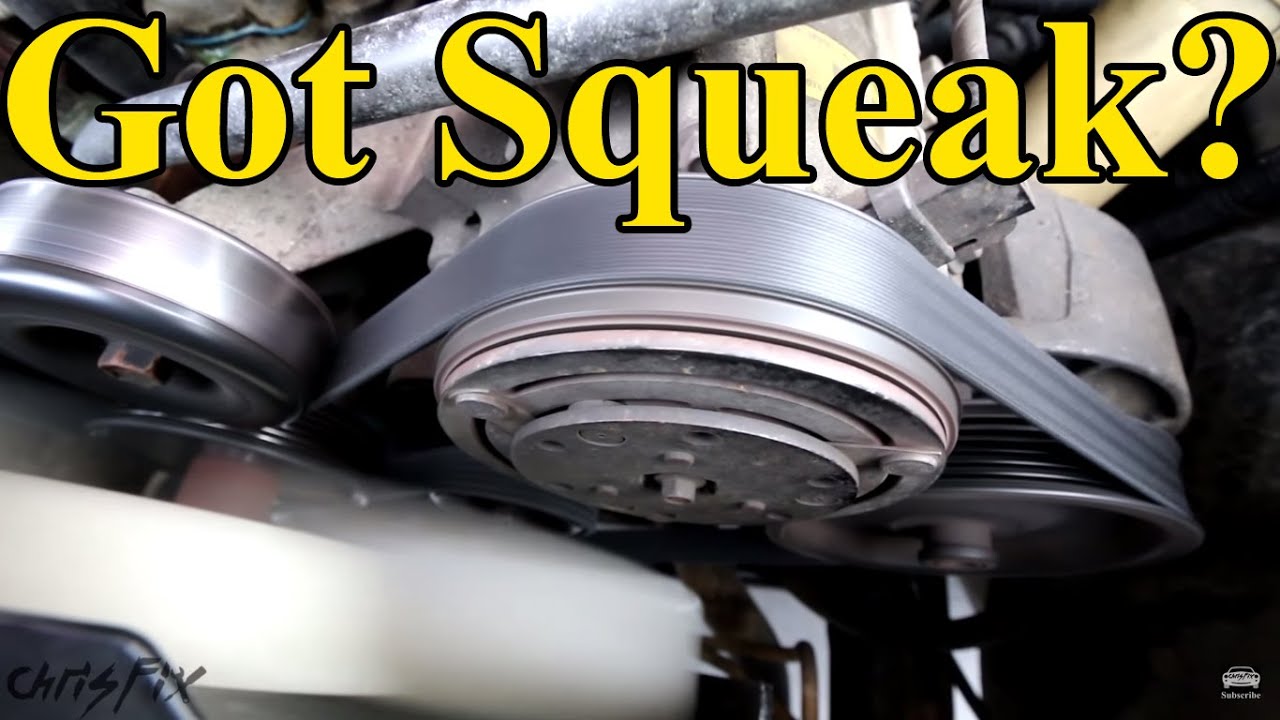
Look for cracks or fraying along the belt edges. A shiny or glazed surface means the belt is slipping. Pieces of the belt may start to break off. Listen for squealing or chirping noises when the engine runs. These noises often mean the belt is loose or worn out. A belt that feels loose or slips during acceleration needs attention.
Impact On Engine Performance
A bad serpentine belt can reduce engine power. Accessories like the alternator may stop working properly. This can cause the battery to drain quickly. Overheating can happen if the water pump stops moving coolant. The air conditioning might blow warm air instead of cold. All these issues can make acceleration slow or unsteady.
Acceleration Issues Linked To Belt Problems
Acceleration problems can often trace back to a faulty serpentine belt. This belt powers many engine components that help your car move smoothly. When the belt wears out or breaks, it can cause several performance issues. One common issue is reduced power delivery during acceleration. Understanding how belt damage affects your vehicle can help you spot problems early.
How Belt Damage Affects Power Delivery
The serpentine belt drives important parts like the alternator, power steering pump, and air conditioning compressor. If the belt slips or breaks, these parts stop working properly. The alternator cannot charge the battery well, causing low electrical power. The power steering may become hard to control, affecting driving ease. Engine components may also lose efficiency, reducing overall power output. This leads to slower acceleration and jerky engine response.
Common Acceleration Symptoms
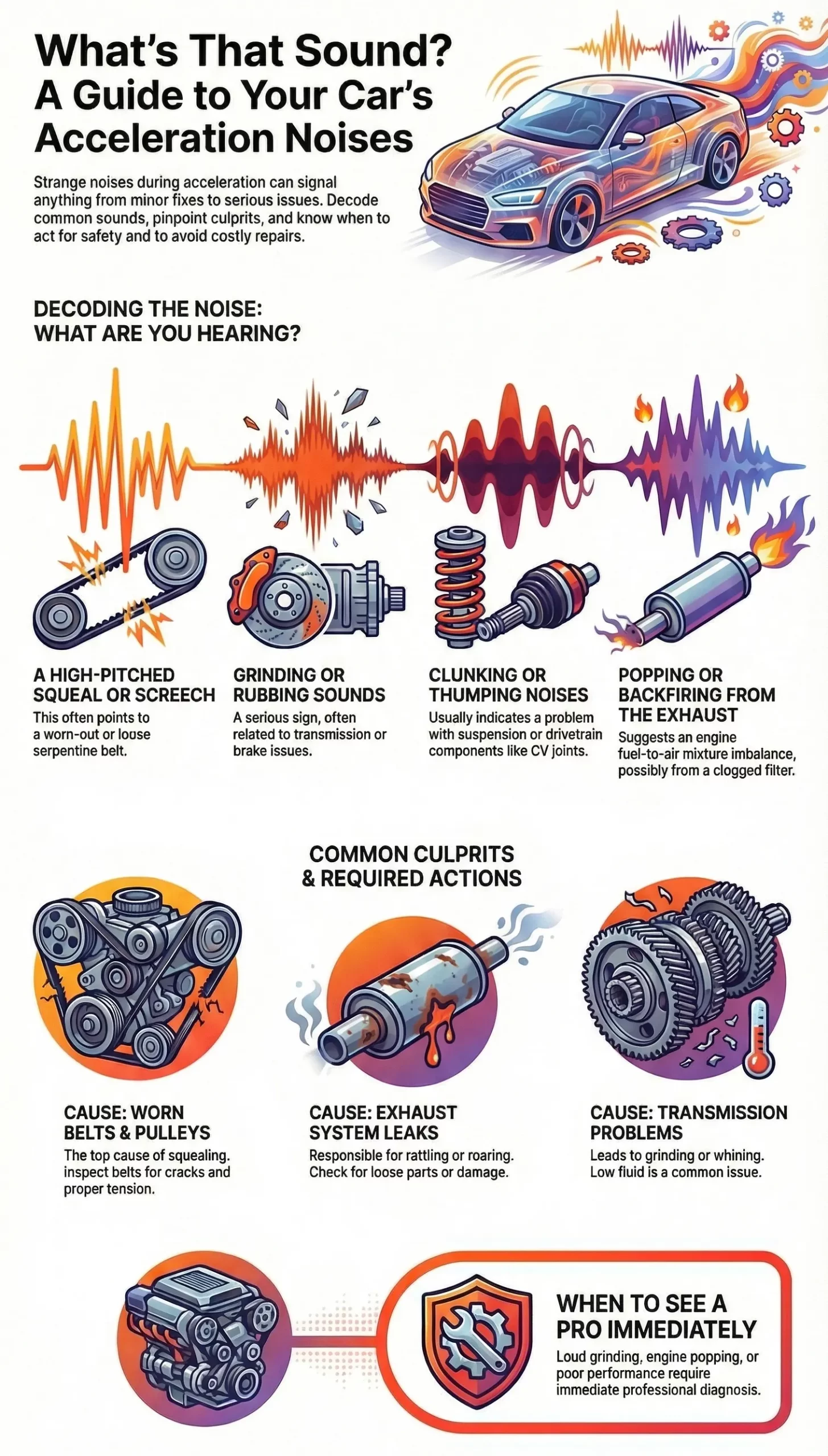
When the serpentine belt fails, you might notice your car struggles to speed up. The engine may feel weak or hesitant. You might hear squealing noises during acceleration. Sometimes, the vehicle stalls or hesitates when you press the gas pedal. These signs often point to belt issues. Checking the belt for cracks, frays, or looseness helps prevent serious problems.
Credit: www.torrancemotors.com
Fixing And Preventing Belt-related Issues
Fixing and preventing belt-related issues is key to keeping your car running smoothly. A bad serpentine belt can cause many problems, including poor acceleration. Regular care helps avoid these issues before they get worse.
Simple checks and timely replacements can save you from costly repairs. Understanding how to inspect and maintain the belt is the first step. Knowing when to replace it helps keep your vehicle in top shape.
Inspection And Maintenance Tips
Check the serpentine belt every few months. Look for cracks, fraying, or shiny spots on the belt surface. These signs show the belt is worn out. Listen for squealing noises when the engine runs. This noise often means the belt is loose or slipping.
Keep the belt clean and dry. Dirt and oil can cause it to wear faster. Make sure the tension is right. A belt that is too tight or too loose can cause problems. Use a belt tension gauge or consult a mechanic for help.
When To Replace The Belt
Replace the serpentine belt every 60,000 to 100,000 miles. Check your vehicle’s manual for exact guidelines. Replace the belt sooner if you see damage or hear noises. Don’t wait for the belt to break. A broken belt can cause engine overheating and loss of power.
Ask a mechanic to inspect the belt during regular service visits. Early replacement prevents acceleration problems and other engine issues. Staying ahead with belt care keeps your car safe and reliable.
Credit: www.youtube.com
Frequently Asked Questions
Can A Worn Serpentine Belt Cause Car Acceleration Issues?
Yes, a worn serpentine belt can slip and reduce power to engine parts. This slippage can cause poor acceleration and engine performance.
How Does A Serpentine Belt Affect Engine Speed?
The serpentine belt drives essential engine components like the alternator and water pump. If it fails, engine speed and performance can drop.
What Signs Show A Bad Serpentine Belt Impacts Acceleration?
Look for squealing noises, engine overheating, or dimming lights. These signs suggest belt problems affecting acceleration.
Can Replacing A Serpentine Belt Fix Acceleration Problems?
Replacing a damaged belt restores power delivery to engine parts. This often improves acceleration and overall engine function.
Conclusion
A bad serpentine belt can cause serious acceleration problems. It drives essential parts like the alternator and water pump. When it slips or breaks, the engine may lose power. This leads to poor acceleration or even stalling. Regular checks can spot belt issues early.
Replacing a worn belt fixes these problems quickly. Keep your car running smooth and safe by caring for the serpentine belt. Don’t ignore strange noises or poor engine performance. Small maintenance steps save you from bigger troubles later.