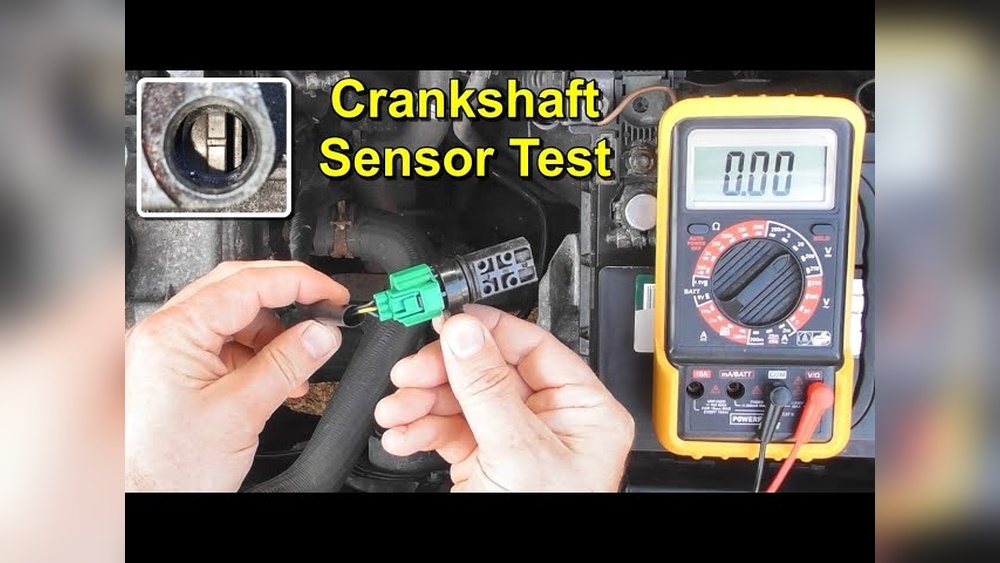
How to Test Crankshaft Position Sensor With Multimeter: Easy Guide
Is your car acting up, or is the engine struggling to start? One common culprit could be your crankshaft position sensor.
Knowing how to test this sensor with a multimeter can save you time, money, and frustration. You’ll learn simple, step-by-step methods to check if your sensor is working properly. By the end, you’ll feel confident diagnosing this key part of your engine’s performance.
Keep reading to take control of your car’s health and avoid costly repairs.
Credit: www.nevsemi.com
Tools Needed
Testing a crankshaft position sensor requires a few simple tools. Having the right equipment helps you check the sensor accurately. You will need a reliable multimeter and some extra items for safety and ease.
Before starting the test, gather all tools. This preparation saves time and avoids mistakes. Below are the key tools needed for the task.
Choosing The Right Multimeter
Select a multimeter that can measure resistance and voltage. Digital multimeters are easier to read and more accurate. Look for a multimeter with a clear display and reliable probes.
Make sure your multimeter has a continuity test function. This feature helps check the sensor’s wiring for breaks. Choose a model that is user-friendly and durable for repeated use.
Additional Equipment
Besides the multimeter, you will need a pair of insulated gloves. Gloves protect you from electric shocks and dirt. A small screwdriver or socket set helps remove the sensor if needed.
Use a wiring diagram or service manual for your vehicle. This guide shows the sensor’s connector pin layout. Having a clean cloth is useful to wipe the sensor before testing.

Credit: www.youtube.com
Locating The Sensor
Finding the crankshaft position sensor is the first step in testing it with a multimeter. The sensor monitors the crankshaft’s position and speed. It sends signals to the engine control unit for proper timing. Locating it correctly helps you perform an accurate test and avoid mistakes.
Finding The Crankshaft Position Sensor
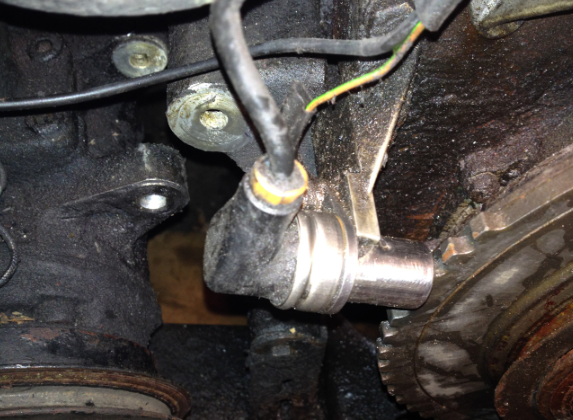
The crankshaft position sensor is near the engine block. It usually sits close to the crankshaft pulley or flywheel. It looks like a small metal or plastic part with an electrical connector. Check around the bottom of the engine or near the transmission bell housing.
Consult your car’s manual for the exact location. Different car models place the sensor in different spots. Look for a sensor with a wire harness plugged into it. This is the crankshaft position sensor you need to test.
Accessing The Sensor Safely
Before accessing the sensor, make sure the engine is off and cool. Disconnect the car battery to prevent electrical shocks. Use gloves to protect your hands from dirt and sharp parts.
Clear any obstacles blocking your access to the sensor. Use a flashlight to see clearly in tight spaces. Avoid touching other engine parts to prevent damage or injury. Proper access makes testing easier and safer.
Testing Sensor Resistance
Testing the resistance of a crankshaft position sensor helps check its health. This test shows if the sensor’s coil is intact or damaged. A multimeter is the tool used for this task. It measures the sensor’s resistance in ohms. Knowing how to test resistance can save time and money on repairs.
Setting Up The Multimeter
First, turn off the car and disconnect the sensor. Set your multimeter to the ohms (Ω) setting. Choose a low range, usually 200 ohms. Use the multimeter’s red and black probes for testing. Make sure the probes are clean and in good condition.
Measuring Resistance Values
Touch the sensor terminals with the multimeter probes. It does not matter which probe goes to which terminal. Read the resistance value on the multimeter screen. Compare this value with the sensor’s specifications in the manual. A reading too high or too low means the sensor may be bad.
Credit: rfidunion.com
Checking Sensor Signal Output
Checking the sensor signal output is a key step in testing a crankshaft position sensor. This step helps you see if the sensor sends the correct electrical signals. Using a multimeter, you can measure the sensor’s voltage output. This measurement shows if the sensor works properly or needs replacement.
The sensor creates voltage as the crankshaft moves. By measuring this voltage, you learn about the sensor’s health. A multimeter set to the right mode can detect these small voltage changes. This process requires careful steps to get accurate results.
Using Ac Voltage Mode
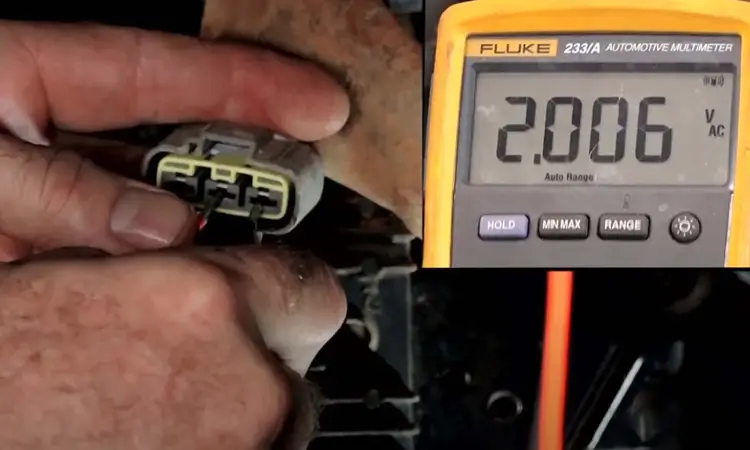
Set your multimeter to measure AC voltage. The crankshaft position sensor produces an AC signal. Connect the multimeter leads to the sensor terminals. Turn the engine by hand or have someone crank it.
Watch the multimeter display for voltage changes. The voltage should rise and fall as the crankshaft moves. A steady or zero reading means the sensor may be bad. Make sure your connections are secure for accurate readings.
Interpreting The Readings
Look for a fluctuating voltage between 0.2 and 1.5 volts AC. This range shows the sensor is working. No voltage or a constant reading suggests a faulty sensor. Some sensors produce higher voltage, so check your vehicle manual.
Consistent voltage spikes mean the sensor signal is strong. Weak or no spikes indicate sensor problems. Use these readings to decide if the sensor needs cleaning or replacement.
Frequently Asked Questions
What Is A Crankshaft Position Sensor And Its Function?
A crankshaft position sensor tracks the crankshaft’s position and speed. It helps the engine control unit manage fuel and ignition timing accurately.
How To Set Up A Multimeter To Test This Sensor?
Set the multimeter to the ohms (Ω) setting to measure resistance. Connect the multimeter probes to the sensor terminals for testing.
What Resistance Value Shows A Healthy Crankshaft Sensor?
A healthy sensor usually reads between 200 and 1200 ohms. Values outside this range may indicate a faulty sensor.
Can A Multimeter Detect All Crankshaft Sensor Problems?
A multimeter tests sensor resistance but not signal output while running. For full testing, an oscilloscope or scan tool may be needed.
Conclusion
Testing your crankshaft position sensor with a multimeter saves time and money. The steps are simple and easy to follow. You only need basic tools and a little patience. Accurate testing helps find sensor problems early. This keeps your engine running smoothly.
Regular checks prevent bigger car issues later. Remember to stay safe and double-check your readings. Now, you can confidently test your sensor yourself.