How Long Can I Drive With Flashing Check Engine Light: Urgent Guide
Have you ever noticed your check engine light flashing while you’re driving and wondered, “How long can I keep going like this?” That blinking light isn’t just a warning—it’s your car’s urgent way of telling you something needs immediate attention. Ignoring it could lead to costly repairs or even leave you stranded.
But don’t panic just yet. You’ll discover exactly what a flashing check engine light means, how long it’s safe to drive, and what steps you should take to protect your car and your wallet. Keep reading to learn how to handle this tricky situation with confidence.
Credit: ericscarcare.com
Flashing Check Engine Light Meaning
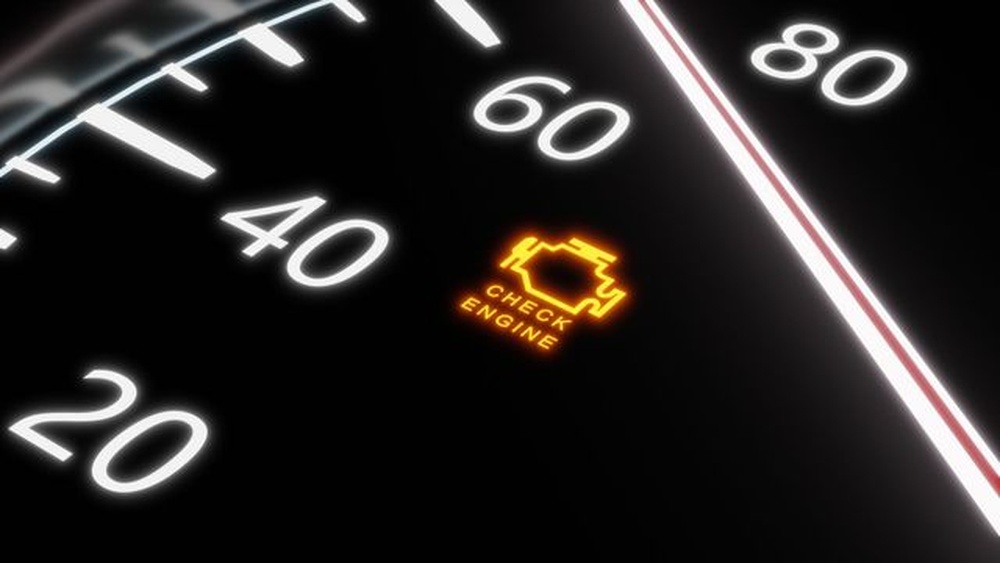
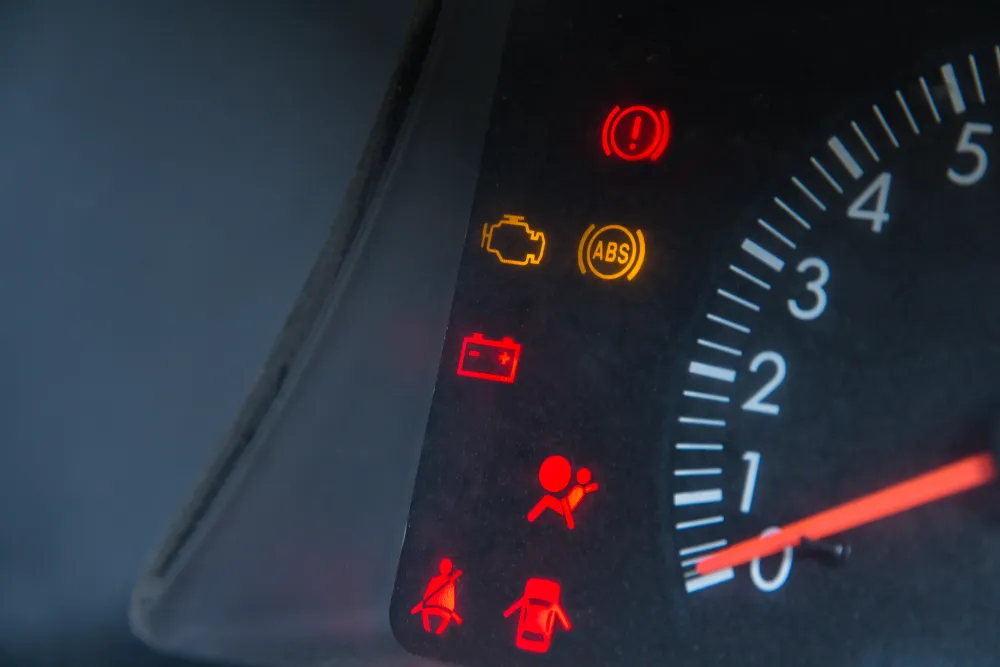
The flashing check engine light signals an urgent car problem. It warns that the engine needs quick attention. Ignoring this light can cause serious damage to the vehicle. Understanding what this flashing means helps you act fast and avoid costly repairs.
Difference Between Flashing And Steady Light
A steady check engine light means a minor issue. The car can usually be driven safely for a short time. It signals a problem that needs service soon.
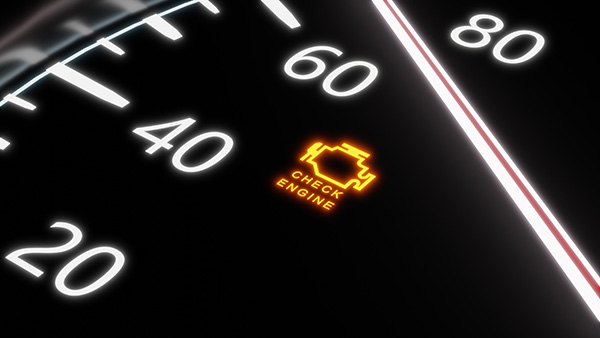
A flashing check engine light shows a severe problem. It means the engine is misfiring. Driving with a flashing light risks damage to the catalytic converter and engine parts. Stop the car as soon as possible.
Common Causes Of Flashing Light
Engine misfires are the top cause of a flashing check engine light. Misfires happen when fuel does not burn correctly in the engine.
Other causes include bad spark plugs, faulty ignition coils, or clogged fuel injectors. These issues disrupt engine performance and increase emissions.
Ignoring the flashing light can lead to costly repairs. Fixing the problem early protects the engine and keeps the car safe to drive.
Credit: ericscarcare.com
Risks Of Driving With Flashing Light
Driving with a flashing check engine light is dangerous. It signals a serious problem with your car’s engine or emissions system. Ignoring this warning can lead to costly repairs and unsafe driving conditions.
Knowing the risks helps you make smart decisions about your safety and your car’s health. The flashing light is not a minor issue. It demands your immediate attention.
Potential Engine Damage
A flashing check engine light usually means the engine is misfiring. This can cause severe damage fast. Misfires can harm the catalytic converter, a costly part to replace. Continuing to drive may lead to engine failure. Repair costs rise quickly if ignored. The engine might stop working while driving, risking a breakdown.
Safety Concerns On The Road
Driving with a flashing light can cause sudden power loss. This reduces your ability to accelerate or maintain speed. It makes merging or passing other cars risky. The engine may stall unexpectedly, causing dangerous situations. Your car may also produce excess smoke or noise. This can distract or alarm other drivers. Staying on the road with this warning puts you and others in harm’s way.
Immediate Steps To Take
A flashing check engine light signals a serious issue. Acting fast can protect you and your car. Follow these immediate steps to handle the problem safely.
How To Safely Stop Your Vehicle
Slow down gradually. Look for a safe spot to pull over. Use your turn signal to alert other drivers. Avoid stopping in the middle of the road or on sharp curves. Once stopped, turn on your hazard lights. This warns other drivers about your situation. Take a moment to check for unusual smells, smoke, or noises before exiting the vehicle. Stay inside the car if the area feels unsafe.
When To Call For Roadside Assistance
Call for help if the check engine light keeps flashing. Do not drive if the car shakes or loses power. Avoid driving if you smell burning or see smoke. Roadside assistance can tow your vehicle to a mechanic. Use your phone to call a trusted service. Keep emergency numbers saved for quick access. Waiting for professional help is better than risking more damage.
Preventive Maintenance Tips
Preventive maintenance helps keep your car running smoothly. It reduces the chance of sudden engine problems. Acting early can save you from costly repairs. Here are some simple tips to maintain your engine and avoid flashing check engine lights.
Regular Engine Checkups
Schedule engine checkups every few months. Mechanics check parts that wear out over time. They look for leaks, worn belts, and dirty filters. Early detection stops small issues from growing. Keep a record of all checkups. It helps track your car’s health.
Using Diagnostic Tools At Home
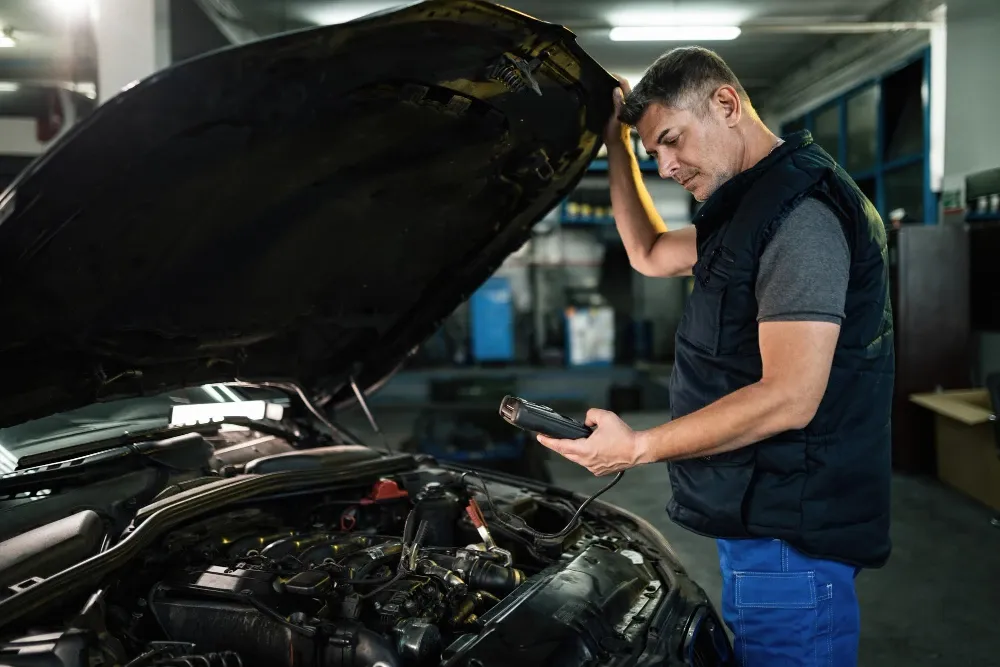
Use an OBD-II scanner to check your engine light. These tools plug into your car’s port. They read error codes and show problems quickly. Many affordable models are easy to use. You can find simple guides online. Checking codes helps you decide if a mechanic is needed.
Credit: www.paulsauto.com
Frequently Asked Questions
How Long Is Safe To Drive With A Flashing Check Engine Light?
Driving with a flashing check engine light is risky and should be limited. It usually means a serious engine problem. Try to stop driving within a few miles to avoid damage.
What Causes A Check Engine Light To Flash While Driving?
A flashing check engine light often signals a misfire or engine problem. This can hurt your engine and raise emissions. It needs quick attention from a mechanic.
Can I Ignore A Flashing Check Engine Light Temporarily?
Ignoring a flashing check engine light is not safe. It warns of urgent engine issues. Continuing to drive can cause more damage and costly repairs.
What Should I Do Immediately If My Check Engine Light Flashes?
Stop driving as soon as it is safe to do so. Check for any unusual noises or smells. Have a mechanic inspect your car right away.
Conclusion
A flashing check engine light means a serious problem. Driving long with it can cause more damage. Stop as soon as it is safe. Get your car checked by a mechanic quickly. Ignoring the light can lead to costly repairs.
Pay attention to your car’s signals. Safety should always come first on the road. Acting fast can save your car and money. Don’t wait until the problem gets worse. Keep your vehicle healthy for a smooth drive ahead.