How Does an Automatic Transmission Know When to Shift: Expert Insights
Have you ever wondered how your car’s automatic transmission seems to know exactly when to shift gears without you lifting a finger? It feels almost like magic, doesn’t it?
But behind that smooth ride is a smart system working constantly to keep your drive comfortable and efficient. Understanding how your automatic transmission decides the perfect moment to shift can help you appreciate your vehicle more—and even spot issues before they become problems.
Let’s dive into the fascinating mechanics that make your car shift gears so seamlessly every time you hit the road.
Basics Of Automatic Transmission
An automatic transmission helps your car change gears without you needing to shift manually. It makes driving easier and smoother. The system decides the best time to change gears based on how fast you drive and how hard the engine works.
Understanding the basics of automatic transmission gives you a clearer picture of how your car runs. It involves different types and key parts that work together to shift gears automatically.
Types Of Automatic Transmissions
There are several types of automatic transmissions. The most common is the traditional automatic transmission with a torque converter. It uses fluid to connect the engine to the wheels.
Another type is the continuously variable transmission (CVT). It uses belts and pulleys to provide smooth gear changes without fixed steps. Dual-clutch transmissions (DCT) use two clutches to speed up gear shifts.
Key Components Involved In Shifting
The automatic transmission has many parts that help shift gears. The torque converter connects the engine to the transmission. It allows the car to stop without stalling.
The transmission control module (TCM) acts like the brain. It receives data from sensors and tells the system when to shift. Sensors measure speed, throttle position, and engine load.
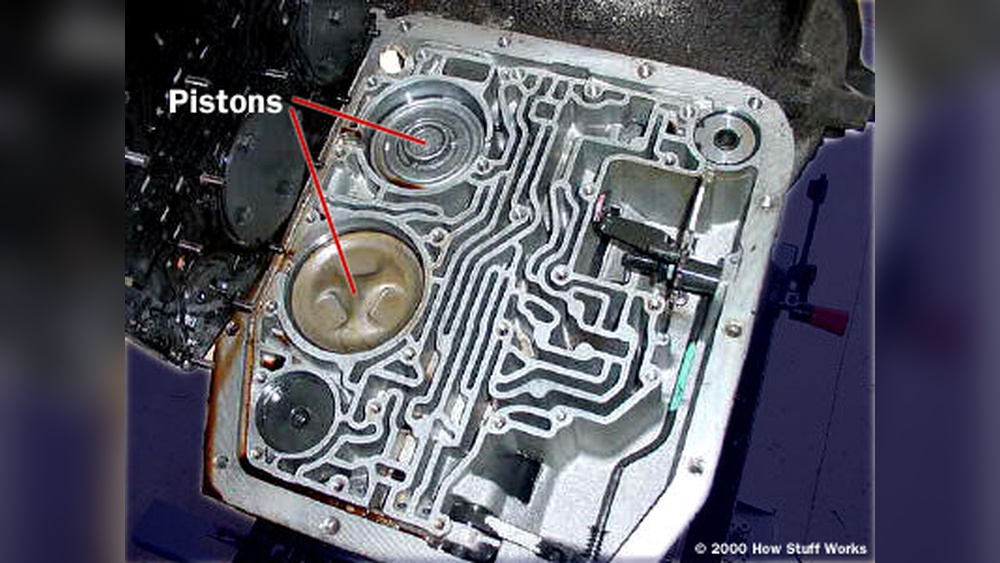
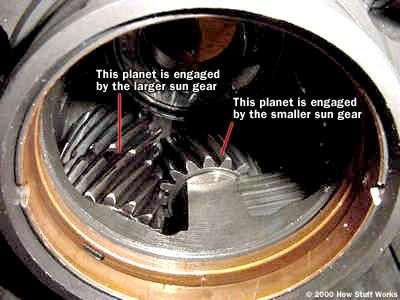
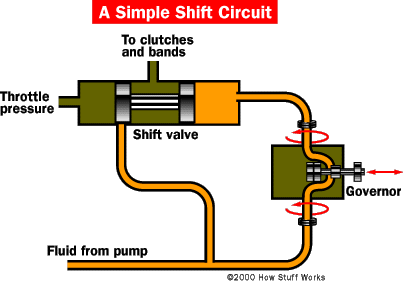
Inside the transmission, clutches and bands engage different gears. Hydraulic systems use fluid pressure to move these parts smoothly. All these components work together to shift gears at the right time.
Credit: auto.howstuffworks.com
Sensors That Detect Driving Conditions
Automatic transmissions rely on sensors to understand driving conditions. These sensors send data to the transmission control unit. The control unit uses this information to decide when to shift gears. Accurate sensor data helps the car shift smoothly and efficiently.
Different sensors measure speed, engine load, and throttle position. This data shows how fast the vehicle moves and how much power the engine needs. The transmission adjusts gear shifts based on this information. Sensors play a key role in making driving easier and safer.
Role Of Speed Sensors
Speed sensors monitor the rotation of the wheels and transmission parts. They send signals about vehicle speed to the control unit. The control unit compares wheel speed with engine speed. This helps decide the best time to shift gears.
If the vehicle speeds up, the sensors tell the system to shift to a higher gear. When slowing down, the system shifts to a lower gear. Speed sensors keep the transmission in sync with the road conditions.
Throttle Position Sensors And Their Impact
Throttle position sensors measure how much the driver presses the gas pedal. This data shows the engine load and power demand. The transmission control unit uses this information to adjust gear shifts.
When the throttle opens wide, the system shifts later to keep power high. When the throttle is barely pressed, the system shifts earlier to save fuel. Throttle position sensors help balance performance and fuel efficiency.
Control Systems And Shift Logic
Automatic transmissions use control systems and shift logic to decide the right time to change gears. These systems monitor many factors to keep the engine running smoothly. They balance power, speed, and fuel efficiency without the driver needing to think about it.
The control system acts like the brain of the transmission. It collects data and sends commands to shift gears at the perfect moment. This process happens quickly and with great accuracy.
How The Transmission Control Module Works
The Transmission Control Module (TCM) is an electronic unit inside the vehicle. It receives signals from sensors that track speed, engine load, and throttle position. The TCM processes this data and decides when to shift gears.
The TCM sends electric signals to actuators that engage or release clutches. This action changes the gears smoothly. It also adapts to driving styles by learning from the driver’s behavior. This makes the ride feel natural and comfortable.
Algorithms Behind Shift Timing
The TCM uses algorithms to decide the best shift timing. These are sets of rules programmed into the module. They analyze sensor data and predict the ideal moment for shifting.
The algorithms consider engine speed, vehicle speed, and throttle pressure. They also check for road conditions and engine temperature. This helps avoid rough shifts and improves fuel economy.
By using these algorithms, the transmission shifts smoothly and quickly. This makes driving easier and safer for everyone.
Credit: www.glendalenissanla.com
Factors Influencing Shift Points
Shift points in an automatic transmission change based on many factors. These factors help the car decide the best time to change gears. Understanding these factors shows how the car adapts to different driving conditions. This keeps the ride smooth and efficient.
Driver Behavior And Load
The way a driver presses the gas pedal affects shift points. Gentle acceleration leads to earlier shifts for better fuel economy. Hard acceleration delays shifts to provide more power. The car also senses the load. More weight, like passengers or cargo, makes the transmission hold gears longer. This helps maintain power and control on hills or during towing.
External Conditions Affecting Shifts
Road and weather conditions influence shift timing too. On slippery roads, the transmission shifts more smoothly to avoid wheel spin. Uphill driving causes the car to delay upshifts to keep power steady. Downhill, the transmission may hold lower gears to help with braking. Temperature changes can also affect fluid viscosity, altering shift feel and timing.
Credit: mechanics.stackexchange.com
Frequently Asked Questions
How Does An Automatic Transmission Detect The Right Shift Time?
Automatic transmissions use sensors to monitor speed, engine load, and throttle position. The system processes this data to decide when to shift gears for smooth driving.
What Role Do Sensors Play In Automatic Transmission Shifting?
Sensors send real-time information about vehicle speed and engine status to the transmission control unit. This helps the car decide when to change gears efficiently.
Can Driving Style Affect When An Automatic Transmission Shifts?
Yes, the transmission adapts to different driving styles by changing shift points. Aggressive driving may cause earlier shifts, while gentle driving leads to smoother, later shifts.
Why Do Some Automatic Transmissions Shift Differently In Hills?
Hill driving changes engine load and speed, which sensors detect. The transmission adjusts shift timing to maintain power and control on inclines or declines.
Conclusion
Automatic transmissions shift gears by sensing speed and engine load. Sensors send data to the transmission control unit. This unit decides when to change gears for smooth driving. The process happens quickly and without driver effort. Understanding this helps you appreciate how your car works.
It also shows the technology behind easy driving. Next time you drive, notice the smooth gear changes. They happen because of smart sensors and control systems. This makes driving safer and more comfortable.