What Happens If You Drive With the Emergency Brake On: Risks Revealed
Have you ever accidentally driven with your emergency brake on and wondered what damage it might cause? You’re not alone.
It’s a common mistake that can lead to unexpected problems if you don’t know what to watch for. Understanding exactly what happens when you drive with the emergency brake engaged can save you from costly repairs and keep your car running smoothly.
Keep reading, and you’ll learn why this matters, how to spot the signs, and what steps to take if it happens to you. Don’t let a simple slip-up turn into a bigger headache.
Credit: www.yourmechanic.com
How The Emergency Brake Works
Driving with the emergency brake on can cause the car to overheat and damage the brake system. The brakes may wear out faster and reduce your car’s performance. It also makes the engine work harder, using more fuel.
What Is The Emergency Brake?
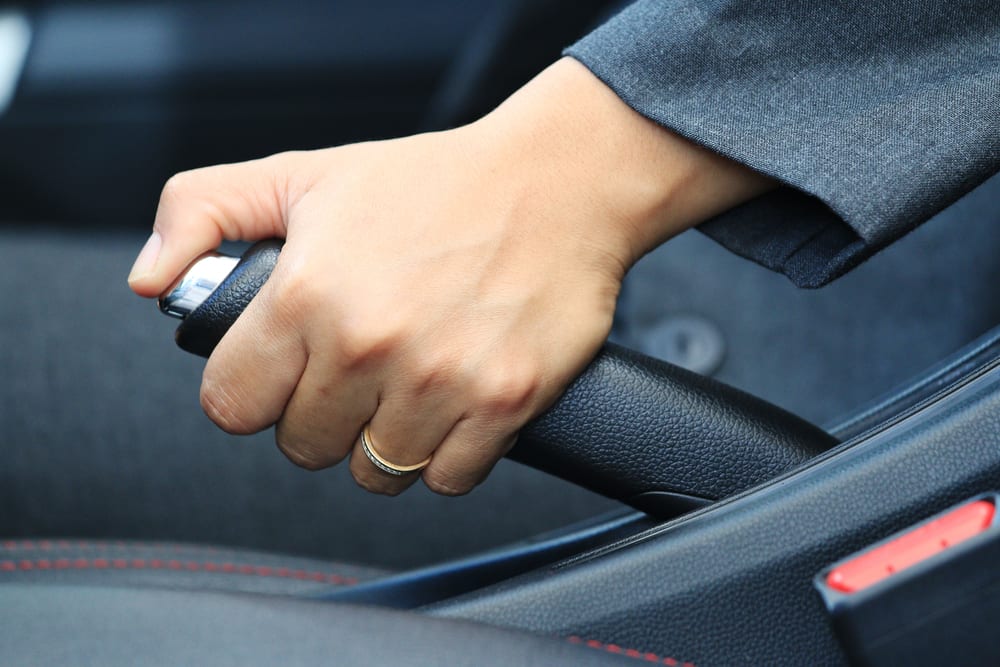
The emergency brake, also called the parking brake, stops a car from moving. It is a separate system from the main brakes. Drivers use it to keep the car still when parked.
This brake works by locking the wheels, usually the rear ones. It holds the car in place on hills or flat surfaces. It can also help in emergencies if the main brakes fail.
How Does The Emergency Brake Engage?
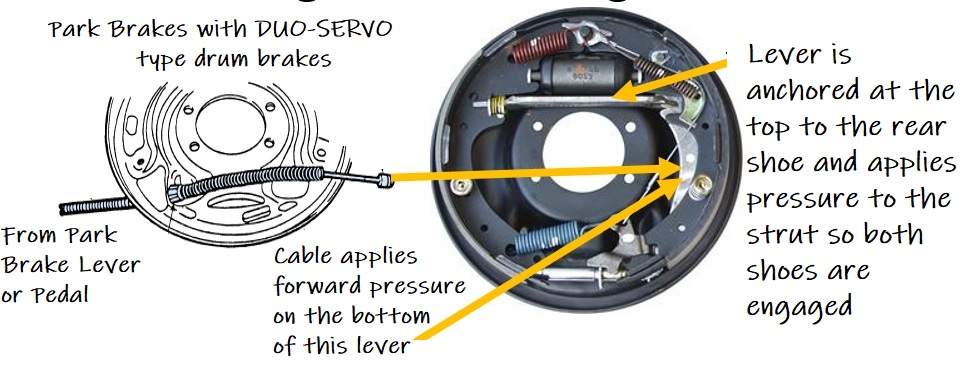
The emergency brake connects to the wheels with cables or rods. Pulling the brake lever tightens these cables. This action forces the brake shoes or pads to press against the wheels.
The pressure creates friction that stops the wheels from turning. This friction keeps the car from rolling. The brake stays engaged until the driver releases the lever.
Types Of Emergency Brakes
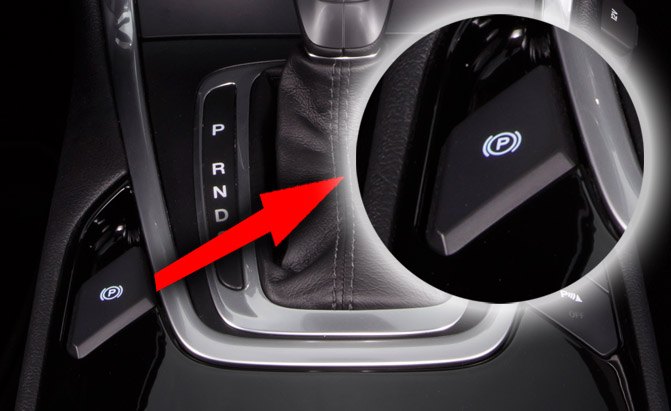
There are two main types of emergency brakes: mechanical and electronic. Mechanical brakes use a hand lever or foot pedal connected to cables. Electronic brakes work with a button and sensors.
Mechanical brakes are common in older cars. Electronic brakes are found in many modern vehicles. Both types serve the same purpose—to hold the car still.
Credit: www.autoguide.com
Immediate Effects Of Driving With It Engaged
Driving with the emergency brake on can cause your car to slow down quickly. The brake may overheat and wear out faster. You might also notice a burning smell or strange noises.
Driving with the emergency brake on causes quick changes in how your car behaves. The brake creates extra drag on the wheels. This drag makes the engine work harder than usual. You might feel the car slowing down even if you press the gas pedal.
The car can start to pull or feel heavier on one side. This happens because the brake is gripping the wheels unevenly. You may notice a burning smell. This smell comes from the brake pads heating up fast.
Reduced Speed And Performance
The emergency brake adds resistance to your wheels. This resistance lowers your speed without you pressing the brake pedal. The engine needs more power to keep moving. Your car’s fuel efficiency drops quickly. Expect slower acceleration and rougher driving.
Overheated Brake Components
Brakes get very hot when they stay on while driving. The heat can damage the brake pads and discs. Overheating may cause warping or cracking. This damage reduces braking power over time. You might hear squealing or grinding noises from the brakes.
Increased Wear And Tear
Using the emergency brake while driving speeds up wear on brake parts. Brake pads wear down faster than normal. The brake cables and linkages can stretch or break. Fixing this damage can be costly and time-consuming. Regular checks help avoid these problems.
Long-term Damage To Your Vehicle
Driving with the emergency brake on can cause serious damage to your vehicle over time. It puts extra strain on parts that are not made to handle constant friction. This can lead to costly repairs and reduce your car’s lifespan.
Understanding the long-term damage helps you avoid these problems. It also keeps your vehicle running smoothly and safely for years.
Brake System Wear And Tear
The emergency brake creates friction to stop the wheels. When engaged during driving, it wears down brake pads and drums faster. This causes uneven brake surface damage. Your brakes may become less effective and need early replacement.
Overheating And Warping
Friction from the emergency brake generates heat. Continuous heat can warp brake rotors and drums. Warped parts cause vibrations and poor braking. Repairing or replacing warped components can be expensive.
Reduced Fuel Efficiency
Dragging brakes increase resistance on the wheels. Your engine works harder to overcome this drag. This leads to higher fuel consumption and reduced mileage. Over time, you spend more on gas without realizing it.
Damage To The Wheel Bearings
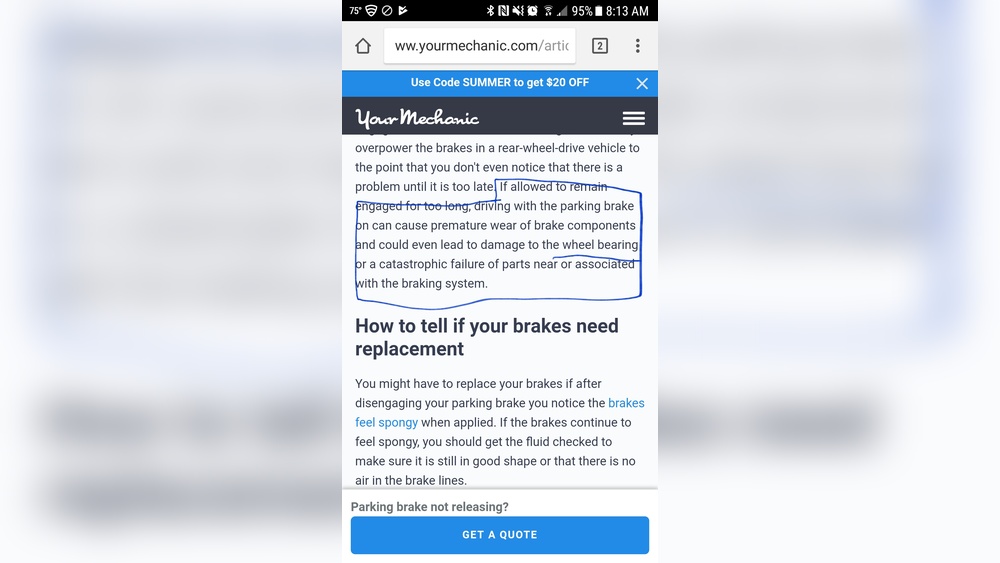
Constant pressure from the emergency brake causes extra stress on wheel bearings. This stress can wear them out faster. Worn bearings lead to noisy wheels and poor handling. Fixing bearings often requires professional help and cost.
Increased Tire Wear
Driving with the emergency brake partially on can cause tires to wear unevenly. The friction changes how tires touch the road. Uneven tire wear reduces tire life and can affect vehicle stability. You may need to replace tires sooner than expected.
Credit: www.carparts.com
Safety Risks On The Road
Driving with the emergency brake on is dangerous. It creates serious safety risks on the road. The emergency brake is not made for driving use. It is designed to keep the car still when parked.
Ignoring this can cause problems for the driver and others. Understanding these risks helps prevent accidents and costly repairs.
Increased Stopping Distance
The emergency brake adds resistance to the wheels. This resistance slows the car down unevenly. It makes the car take longer to stop. Longer stopping distances can cause crashes.
Reduced Vehicle Control
The car may feel harder to steer. The drag from the brake affects how the car moves. This can cause the vehicle to pull to one side. Drivers may lose control in sudden turns or stops.
Brake System Overheating
Driving with the emergency brake on causes excess heat. The brake pads and discs can overheat quickly. Overheated brakes lose effectiveness. This leads to brake failure and dangerous situations.
Increased Tire Wear
The emergency brake causes extra friction on the tires. This friction wears tires unevenly and faster. Uneven tire wear reduces grip on the road. It increases the risk of tire blowouts.
Damage To Brake Components
Continuous use of the emergency brake while driving strains the system. Brake cables, pads, and discs can get damaged. Repairing these parts can be expensive. Damaged brakes also increase accident risk.
Frequently Asked Questions
What Damage Occurs Driving With The Emergency Brake On?
Driving with the emergency brake on can cause brake pads to overheat and wear out quickly. This may lead to costly repairs and reduced braking ability. It also strains the car’s engine and tires.
How Long Can You Drive With The Emergency Brake Engaged?
Driving even a short distance with the emergency brake on is risky. Most damage happens within a few minutes. It’s best to release the brake before driving.
Can Driving With The Emergency Brake On Cause Accidents?
Yes, it can make your car harder to control and stop. The brakes may not work correctly, increasing accident risk. Always check that the emergency brake is off before moving.
How To Tell If The Emergency Brake Is Still On?
Look for a warning light on your dashboard, usually a red “BRAKE” sign. You might also feel the car pulling or hear unusual noises. Check the brake lever or pedal to be sure.
Conclusion
Driving with the emergency brake on can harm your car. It causes extra wear on brake parts and lowers fuel efficiency. The car may feel slower and hotter while driving. Fixing these problems can cost you time and money. Always check the emergency brake before you start driving.
Keeping it off helps your car run smoothly and saves you from costly repairs. Safe driving means paying attention to small details like this. Take care of your vehicle for a better driving experience and longer car life.