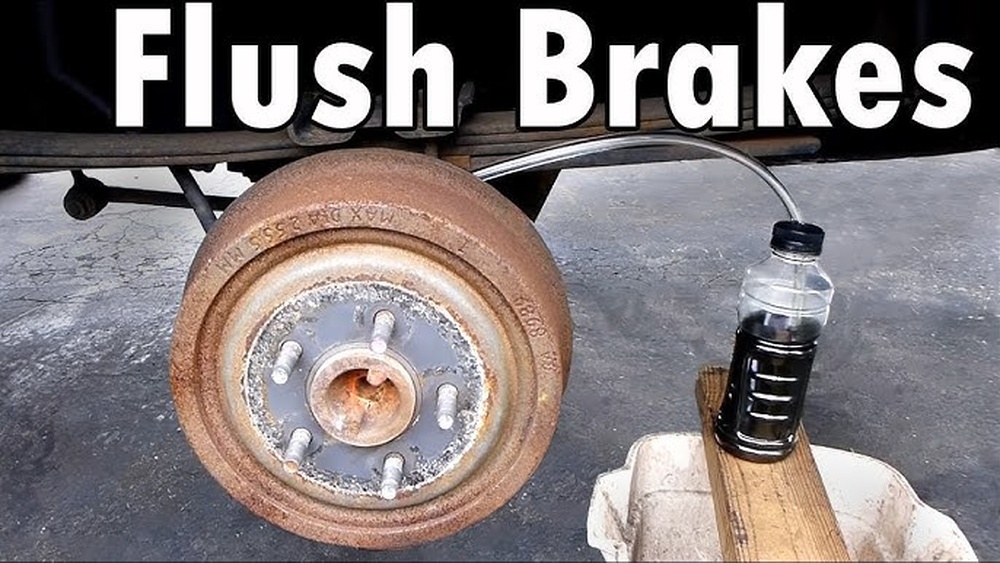
Do You Have to Flush Brake Fluid When Changing Brakes: Essential Guide
When it comes to changing your brakes, you might wonder if flushing the brake fluid is a must. You want your car to stop safely, right?
But does that mean you have to deal with brake fluid too? Understanding whether you need to flush it can save you time, money, and headaches down the road. Keep reading to find out exactly what you should do to keep your brakes working perfectly and your ride safe.
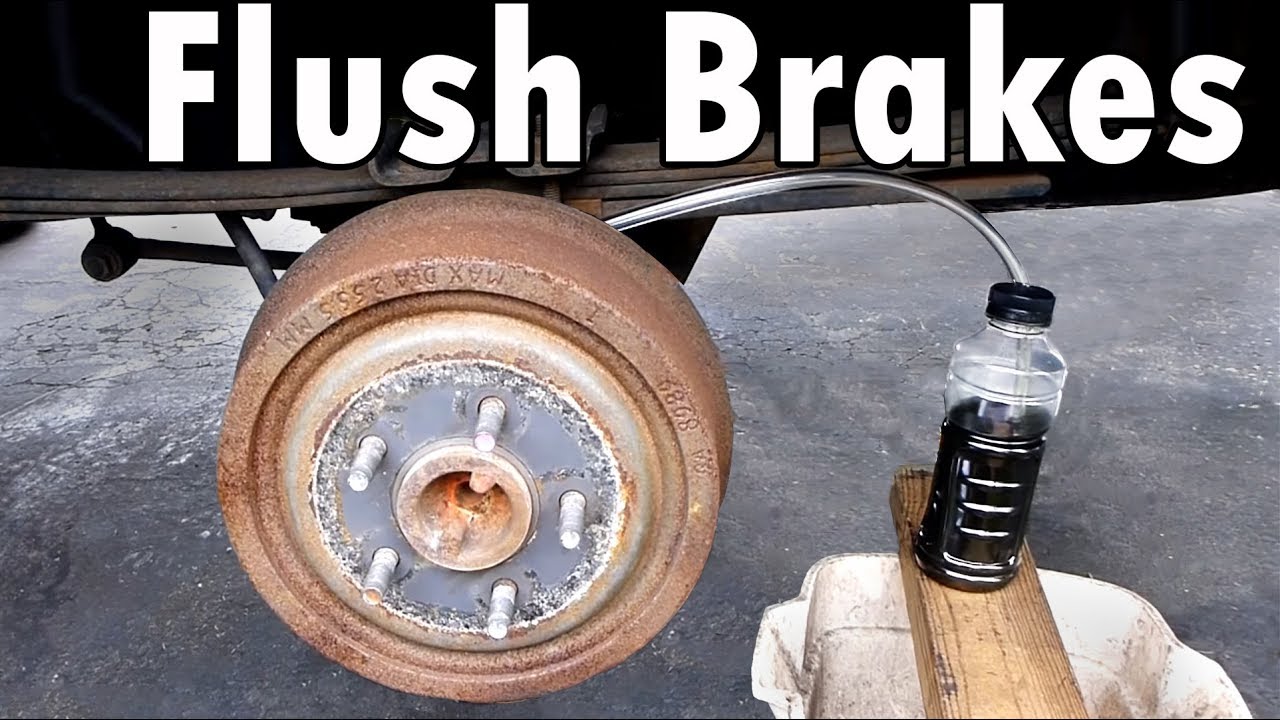
Credit: www.youtube.com
Why Brake Fluid Matters
Brake fluid plays a key part in keeping your car safe. It helps the brakes work well every time you press the pedal. Over time, brake fluid can get old or dirty. This can make your brakes less effective. Knowing why brake fluid matters helps you decide if it needs to be flushed during brake changes.
Role Of Brake Fluid In Braking System
Brake fluid moves pressure from the brake pedal to the brake pads. It acts like a messenger inside the brake lines. When you press the pedal, the fluid pushes the pads to stop the wheels. The fluid must stay clean and free of air. Air or dirt in the fluid can cause the brakes to feel soft or weak.
Signs Of Contaminated Brake Fluid
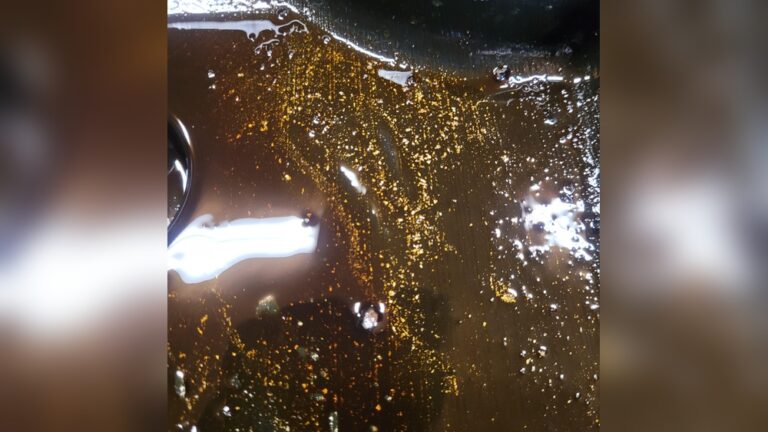
Brake fluid can get dirty from moisture and dust. This lowers its boiling point and weakens braking power. Dark or cloudy fluid means it is contaminated. You may also notice a spongy brake pedal. Warning lights on the dashboard can signal brake fluid problems. These signs show that the fluid needs flushing or replacement.
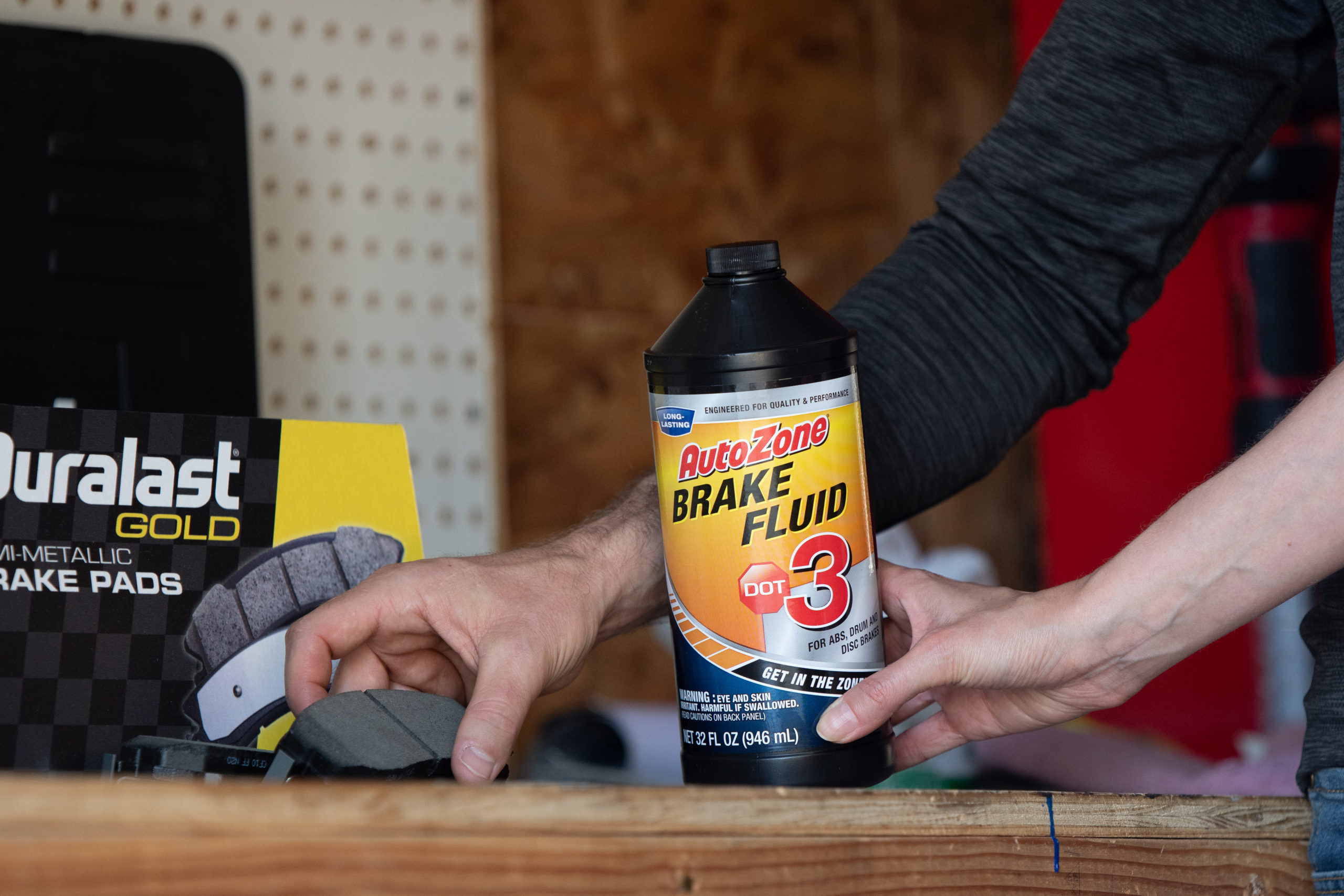
Credit: www.autozone.com
When To Flush Brake Fluid
Knowing when to flush brake fluid is key to keeping brakes safe and working well. Brake fluid can absorb moisture over time. This makes it less effective. Flushing the brake fluid removes old fluid and moisture. It helps avoid brake failure and keeps the system clean.
Routine Maintenance Intervals
Brake fluid should be flushed regularly. Most car makers say every 2 years or 24,000 miles. This stops moisture from building up. Moisture can cause rust inside brake parts. It can also lower brake power. Following these time frames keeps brakes ready to stop safely.
Brake Fluid Flush Vs. Brake Pad Replacement
Changing brake pads does not always need a fluid flush. Pads wear down and need replacing more often than fluid needs flushing. But if the brake fluid looks dark or dirty, flushing is smart. Old fluid affects brake response and can damage parts. Flushing ensures the whole brake system stays healthy.
Steps To Flush Brake Fluid
Flushing brake fluid is important for safe brake performance. Old brake fluid can absorb moisture, which harms the brake system. This process removes old fluid and replaces it with fresh fluid. Follow the right steps to flush brake fluid safely and correctly.
This guide shows the tools needed and the step-by-step process. Take your time and work carefully. Proper flushing helps keep your brakes working well.
Tools And Materials Needed
- Brake fluid (check your vehicle’s manual for the correct type)
- Wrench or brake bleeder wrench
- Clear plastic tubing
- Clean container to catch old fluid
- Jack and jack stands
- Gloves and safety glasses
- Rags or shop towels
- Assistant to help pump the brake pedal
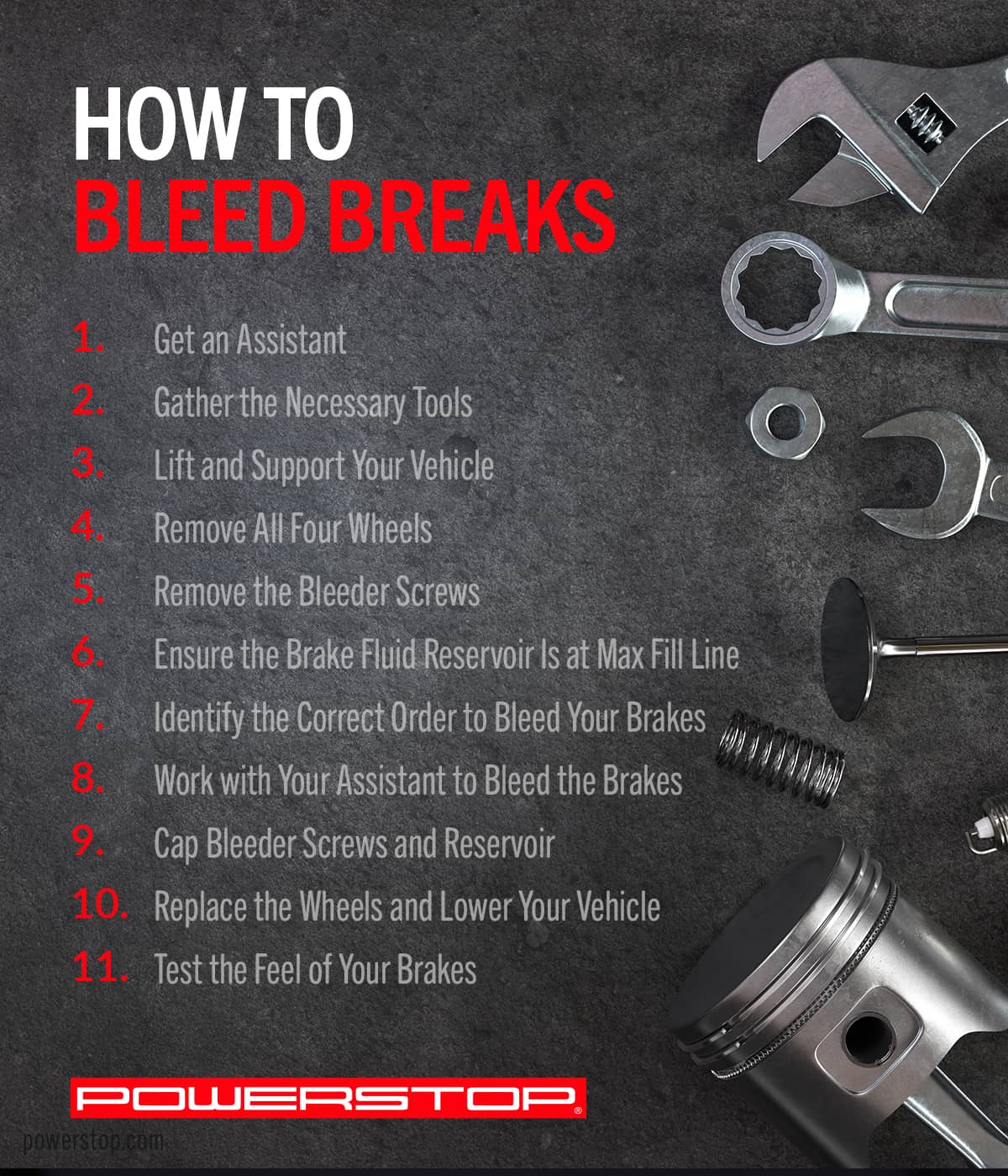
Step-by-step Brake Fluid Flush Process
- Lift the vehicle and secure it with jack stands.
- Remove the wheel to access the brake caliper.
- Locate the brake bleeder valve on the caliper.
- Place the clear tubing over the bleeder valve.
- Put the other end of the tubing into the container.
- Have your helper press the brake pedal slowly.
- Open the bleeder valve with the wrench while the pedal is pressed.
- Old fluid will flow through the tubing into the container.
- Close the valve before your helper releases the pedal.
- Repeat until fresh brake fluid flows out.
- Check the brake fluid reservoir often and refill as needed.
- Move to the next wheel and repeat the process.
- After all wheels are done, check the fluid level again.
- Lower the vehicle and test the brake pedal for firmness.
Risks Of Skipping Brake Fluid Flush
Skipping a brake fluid flush might seem like saving time and money. Yet, it carries serious risks that can affect your car’s safety and performance. Old brake fluid absorbs moisture and dirt. This contamination can cause trouble inside your braking system.
Understanding the risks helps you keep brakes working well. It also prevents costly repairs down the road.
Brake Performance Issues
Brake fluid that is old or dirty reduces stopping power. Moisture in the fluid lowers its boiling point. This can cause brake fade during heavy braking. The brake pedal may feel soft or spongy. You might need to press harder to stop the car. This delay can be dangerous in emergencies. Good brake fluid keeps the system responsive and safe.
Potential Damage To Brake Components
Contaminated brake fluid can cause rust and corrosion inside the brake lines and calipers. This damage weakens brake parts and can cause leaks. Seals and rubber components may swell or crack. Repairing these parts costs more than a fluid flush. Clean brake fluid protects components and extends their life. Flushing the fluid removes moisture and dirt, preventing damage early.
Credit: www.powerstop.com
Frequently Asked Questions
Do You Need To Flush Brake Fluid When Changing Brakes?
Flushing brake fluid is not always required when changing brakes. It depends on the fluid’s age and condition. Old or dirty fluid should be flushed to keep brakes safe.
How Often Should Brake Fluid Be Flushed?
Brake fluid should be flushed every 2 years or 20,000 miles. This helps prevent moisture build-up and brake failure. Check your vehicle’s manual for exact timing.
What Happens If Brake Fluid Is Not Flushed?
Not flushing brake fluid can cause brake failure and corrosion. Moisture in old fluid lowers braking power and damages parts. Regular flushing keeps brakes working well.
Can I Change Brake Pads Without Flushing Brake Fluid?
Yes, you can change brake pads without flushing fluid if the fluid is clean. But if the fluid looks dark or dirty, flushing is better. Clean fluid ensures safe brake function.
Conclusion
Flushing brake fluid helps keep your braking system safe and strong. Old fluid can carry dirt and moisture that harm brake parts. Changing brakes without flushing may cause problems later. Clean fluid improves brake response and stops wear. Take time to flush fluid when you change brakes.
It’s a small step that protects your car and your safety. Don’t skip it. Your brakes work best with fresh, clean fluid inside.