Can You Still Drive With a Bad Catalytic Converter? Essential Facts
Can you still drive with a bad catalytic converter? It’s a question many car owners ask when they notice strange smells, sluggish acceleration, or warning lights on the dashboard.
While it might seem like a minor issue, ignoring a failing catalytic converter can quickly turn into costly engine damage or even a safety hazard. You’ll learn why driving with a bad catalytic converter is risky, how to spot the warning signs, and what steps you should take to protect your vehicle and your safety.
Keep reading to find out how long you can safely drive and when it’s time to get your car checked.
Signs Of A Failing Converter
The catalytic converter plays a key role in reducing harmful emissions. A failing converter affects your car’s performance and safety. Detecting early signs helps avoid costly repairs and engine damage.
Watch for unusual sounds, smells, and changes in how your car runs. These signs point to a converter that needs attention. Knowing them helps you decide if driving is safe or if repairs are urgent.
Unusual Exhaust Smell
A strong rotten egg or sulfur odor from the exhaust signals converter trouble. This smell comes from excess hydrogen sulfide. It means the converter is not breaking down emissions properly.
Poor Engine Performance
Your car may feel sluggish or hesitate when accelerating. A failing converter restricts exhaust flow, reducing engine power. You might notice rough idling or difficulty climbing hills.
Check Engine Light
The check engine light often turns on with converter problems. It may flash or stay steady. This warning means the engine control system detects emission issues.
Dark Or Excessive Smoke
Excessive or dark smoke from the tailpipe can indicate a clogged converter. It causes incomplete combustion and poor fuel efficiency. The smoke might have a strong odor too.
Overheating Under The Vehicle
Feel for unusual heat near the exhaust system or under the car. A blocked converter causes excessive heat buildup. This can damage other parts and pose a fire risk.

Credit: www.autonationmobileservice.com
Risks Of Driving With A Bad Converter
Driving with a bad catalytic converter puts your vehicle and safety at risk. This part controls harmful emissions and helps the engine run smoothly. Ignoring issues can cause serious problems fast.
Some problems start small but quickly get worse. Knowing the risks helps you avoid costly repairs and dangerous situations on the road.
Clogged Converter Causes Engine Damage
A clogged converter blocks exhaust gases from leaving the engine. This creates high backpressure inside the engine. The extra pressure can damage seals and pipes. The engine may overheat or even fail completely. Driving with a clogged converter can lead to costly engine repairs.
Reduced Fuel Efficiency And Performance
A bad converter reduces fuel efficiency. The engine works harder to push exhaust gases out. This wastes fuel and lowers gas mileage. You might notice slow acceleration or loss of power. The car may stall or run roughly on the road.
Increased Emissions And Environmental Harm
The converter cleans harmful gases before they leave the tailpipe. A bad converter lets toxic gases escape. This pollutes the air and can fail emissions tests. Your car may produce a strong rotten egg smell from sulfur buildup.
Fire Hazard And Overheating Risks
Heat builds up when the converter is blocked or damaged. The converter or nearby parts can get red hot. This can cause fires under the vehicle or damage the floorboard. Overheating also risks warping metal and melting parts.
Warning Signs Require Immediate Attention
Some signs mean you must stop driving right away. A flashing check engine light signals serious engine problems. Dark smoke or intense heat under the car warns of converter failure. Ignoring these signs risks engine destruction and safety hazards.
Short-term Driving Safety Tips
Driving with a bad catalytic converter can cause engine problems and reduce fuel efficiency. Small issues might allow short trips, but severe damage risks overheating and engine failure. Watch for poor acceleration or strange smells before deciding to drive.
Driving with a bad catalytic converter is risky. It can cause engine problems and safety hazards. These tips help you drive safely for a short time before fixing the issue.
Stay alert to changes in your car’s performance. Avoid long trips and heavy traffic. Drive gently to reduce strain on the engine and exhaust system.
Monitor Engine Performance Closely
Watch for slow acceleration or loss of power. These signs show the converter may be clogged. Avoid hard acceleration and sudden stops. Keep your speed steady to reduce stress on the engine.
Check For Warning Lights
The check engine light often signals converter problems. If it flashes or stays on, stop driving soon. Ignoring this can cause more damage. Plan a quick visit to a mechanic for diagnosis.
Avoid High Engine Speeds
Keep your RPMs low to prevent overheating. High engine speeds increase exhaust heat. This can worsen the converter’s condition. Shift early and drive smoothly to protect the system.
Limit Driving Distance And Time
Only drive short distances with a bad converter. Long trips increase the risk of engine damage. Use your car only for urgent needs. Arrange repairs as soon as possible to avoid bigger problems.
Watch For Strange Smells And Noises
A rotten egg smell means the converter is failing. Loud exhaust noises can indicate a damaged unit. Stop driving if you notice these signs. Continuing to drive may harm your health and car.

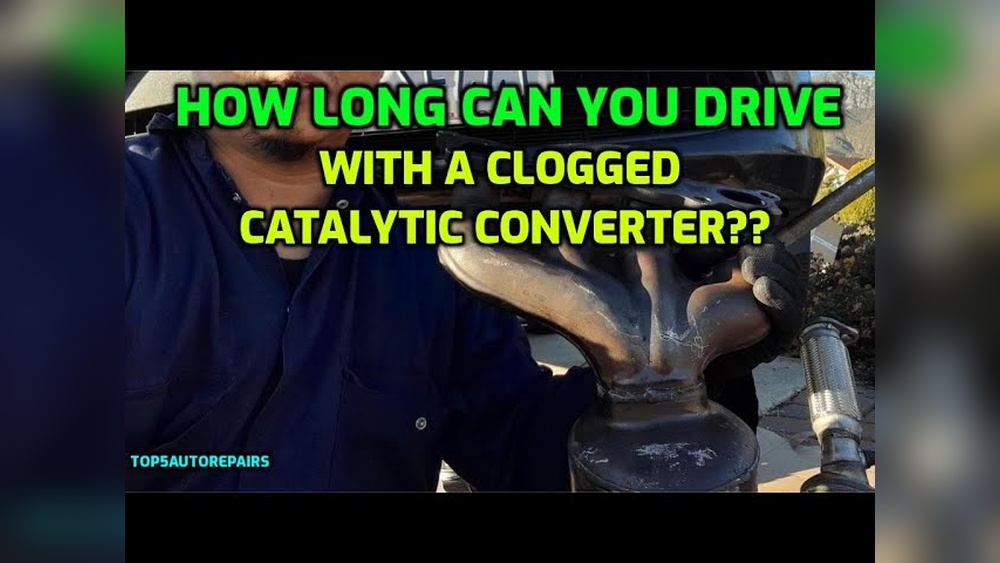
Credit: www.youtube.com
Common Causes Behind Converter Failure
The catalytic converter plays a key role in reducing harmful emissions. It can fail due to several common reasons. Understanding these causes helps you spot problems early. It also prevents further damage to your vehicle.
Physical Damage
Impact from road debris or accidents can crack the converter. Cracks allow exhaust gases to leak. This reduces the converter’s efficiency. It may also cause strange noises or rattling sounds.
Clogging From Carbon Build-up
Carbon deposits can block the converter’s honeycomb structure. This happens over time as exhaust passes through. Clogging restricts exhaust flow and reduces engine performance. It also leads to higher emissions and poor fuel economy.
Engine Misfires
Misfires cause unburned fuel to enter the converter. This fuel burns inside the converter, causing overheating. Overheating damages the internal components. It may melt the honeycomb and cause failure.
Use Of Wrong Fuel Or Oil
Using incorrect fuel or low-quality oil can harm the converter. Contaminants coat the internal parts, blocking airflow. This leads to poor converter performance and eventual failure.
Age And Wear
Over time, the converter’s materials degrade naturally. Exposure to heat and chemicals weakens the structure. Older converters are more prone to failure and need replacement.
Repair And Replacement Options
Repair and replacement options for a bad catalytic converter vary based on the damage level. Minor issues may be fixed with cleaning or minor repairs. Severe damage usually requires a full replacement to restore proper function.
Choosing the right option depends on the symptoms and how long the converter has been failing. Timely action can save your engine from further harm and improve vehicle performance.
Cleaning The Catalytic Converter
Cleaning can help if the converter is clogged but not damaged. Special cleaning products dissolve carbon build-up inside. This option is cheaper and faster than replacement.
Cleaning works best if caught early. It will not fix a melted or broken converter.
Repairing Minor Damage
Small cracks or loose parts can sometimes be repaired. A mechanic may replace damaged sensors or seals. Repair is only a short-term solution for minor problems.
It can improve performance but may not last long. Full replacement is better for severe damage.
Replacing The Catalytic Converter
Replacement is needed for melted, broken, or heavily clogged converters. A new unit restores full function and meets emissions standards. Prices vary depending on the vehicle make and model.
OEM parts ensure quality and compatibility. Aftermarket options may be cheaper but vary in quality.
Professional Diagnosis And Service
A certified mechanic can identify the exact problem. They use diagnostic tools to check converter efficiency. Professionals recommend the best repair or replacement option.
Getting a trusted service avoids unnecessary repairs and saves money. It also ensures your car meets emission laws.

Credit: rrcats.com
Frequently Asked Questions
How Long Can You Drive On A Bad Catalytic Converter?
Driving on a bad catalytic converter risks engine damage and poor performance. Limit driving to short trips only. Replace it promptly to avoid costly repairs.
Will A Bad Catalytic Converter Ruin Your Engine?
A bad catalytic converter can cause engine damage by restricting exhaust flow, increasing backpressure, and overheating engine parts. Replace it promptly to avoid costly repairs.
What Are Two Symptoms Of A Failed Catalytic Converter?
Two symptoms of a failed catalytic converter are poor acceleration and a strong rotten egg smell from the exhaust.
What Will Unclog My Catalytic Converter?
Use a catalytic converter cleaner additive or drive at high RPMs on the highway to help clear mild clogs. For severe blockages, professional cleaning or replacement is necessary.
Conclusion
Driving with a bad catalytic converter can cause serious problems. It may reduce your car’s power and fuel efficiency. Worse, it can damage the engine or cause a fire. Notice unusual smells, smoke, or a flashing check engine light. These signs mean you should stop driving right away.
Fixing the converter and any related issues keeps your car safe. Don’t ignore the problem. Protect your vehicle and yourself by getting repairs promptly.