Can Changing the Transmission Fluid Cause Problems? Shocking Truths Revealed
Are you wondering if changing your transmission fluid could actually cause problems instead of fixing them? It’s a question many car owners ask but don’t always get a clear answer to.
You might think that fresh fluid means a smoother ride, but what if the process itself leads to unexpected issues? You’ll discover the truth behind transmission fluid changes, what can go wrong, and how to avoid costly mistakes. Keep reading to protect your car and save yourself from trouble down the road.
Credit: www.cars.com
When To Change Transmission Fluid
Knowing the right time to change your transmission fluid helps keep your car running smooth. Old or dirty fluid can cause shifting problems and damage the transmission over time. Checking the fluid regularly is a smart step to avoid costly repairs.
Manufacturer’s Recommended Interval
Most car makers suggest changing transmission fluid every 30,000 to 60,000 miles. This schedule depends on your vehicle’s make and model. Always check your owner’s manual for the exact timing. Following these guidelines helps maintain your transmission’s health.
Signs Your Transmission Fluid Needs Changing
Dark or burnt-smelling fluid means it is time to change it. Also, if shifting feels rough or delayed, the fluid may be worn out. Low fluid levels can cause slipping or overheating. Watch for leaks or strange noises coming from the transmission.
Driving Conditions Affect Fluid Life
Hard driving or heavy towing shortens fluid life. Stop-and-go traffic and mountainous terrain also wear fluid faster. In these cases, change the fluid more often than the manual suggests. This keeps your transmission cool and protected.
Automatic Vs. Manual Transmission Fluids
Automatic and manual transmissions use different fluids. Each type has its own change interval. Using the wrong fluid or ignoring change times can cause major problems. Always use the fluid type listed in your manual.
Signs Of Transmission Fluid Issues
Transmission fluid is vital for smooth gear shifts and engine protection. Problems with the fluid often show through clear signs. Recognizing these signs early can prevent costly repairs and keep your vehicle running well.
Unusual Transmission Slipping
Transmission slipping feels like the car shifts gears unexpectedly. You may notice the engine revs but the car moves slower. This can mean the fluid is low or dirty. Slipping can cause damage if not addressed quickly.
Burning Smell From The Vehicle
A strong burning odor often signals overheated transmission fluid. The fluid breaks down and loses its ability to lubricate. This smell should never be ignored. It means the transmission needs immediate attention.
Delayed Or Rough Shifting
Delays in shifting gears or rough changes are warning signs. The transmission fluid may be contaminated or old. This leads to poor performance and jerky rides. Timely fluid checks can fix this issue.
Fluid Leaks Under The Car
Bright red puddles under the vehicle indicate a transmission fluid leak. Low fluid levels cause transmission parts to wear out fast. Identifying and fixing leaks saves your transmission from damage.
Check Engine Or Transmission Warning Light
Dashboard warning lights can signal transmission fluid problems. Sensors detect fluid temperature and pressure issues. A prompt check can prevent transmission failure and expensive repairs.
Risks Of Changing Fluid Too Soon
Changing transmission fluid too early can cause several issues. The fluid needs time to break down and collect dirt before replacement. Changing it too soon might remove fluid that is still effective. This can lead to poor lubrication and increased wear on parts.
Early fluid changes also waste money and effort. Transmission fluid is costly, and replacing it unnecessarily can add up. Over-servicing the transmission may confuse your vehicle’s maintenance schedule.
Reduced Lubrication Efficiency
New fluid may not match the old fluid’s properties. Mixing fresh and old fluid can reduce lubrication quality. This can cause friction and overheating inside the transmission.
Potential Seal Damage
Fresh fluid can cause seals to swell or shrink. This may lead to leaks or seal failure. Older fluid keeps seals conditioned and flexible.
Wasting Time And Money
Changing fluid too often leads to unnecessary expenses. It also uses up time better spent on other car care. Sticking to the manufacturer’s schedule saves money.
Credit: www.youtube.com
Common Mistakes During Fluid Change
Changing transmission fluid sounds simple. Yet, many make mistakes that cause problems. These errors affect your car’s performance and can lead to costly repairs. Understanding common mistakes helps avoid damage and keeps your transmission running smoothly.
Below are frequent errors made during fluid changes. Knowing these can save time, money, and hassle.
Using The Wrong Type Of Fluid
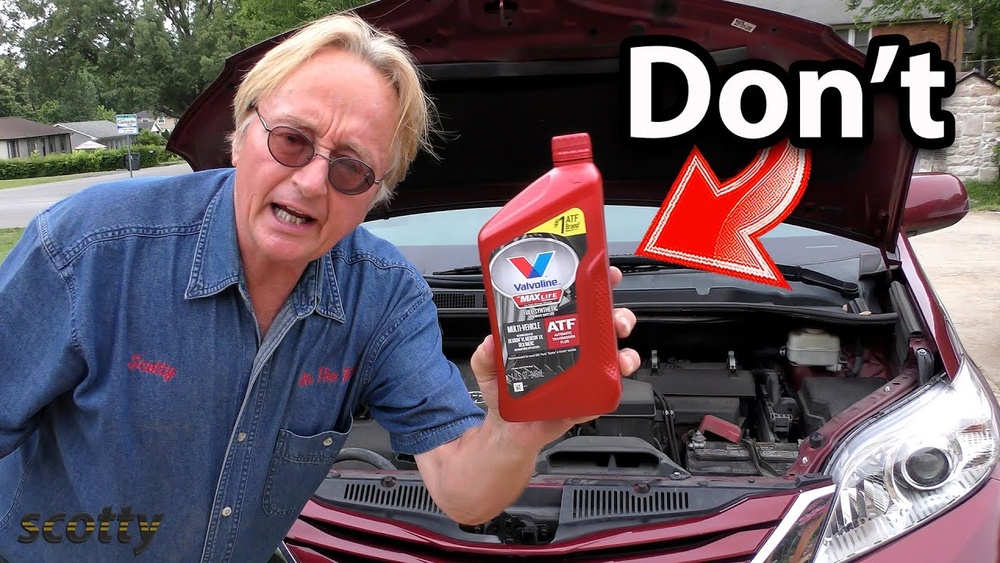
Transmission fluid types vary by car model. Using the wrong fluid can harm the transmission. It may cause slipping, overheating, or poor shifting. Always check the owner’s manual for the correct fluid type.
Failing To Drain All Old Fluid
Old fluid contains dirt and metal particles. Not draining it fully mixes old and new fluid. This reduces the fluid’s effectiveness. Make sure to drain all the old fluid before adding new fluid.
Not Replacing The Filter
The transmission filter traps debris. A clogged filter blocks fluid flow. This leads to transmission problems. Change the filter each time you change the fluid.
Overfilling Or Underfilling The Fluid
Too much or too little fluid causes trouble. Overfilling leads to foaming and poor lubrication. Underfilling causes overheating and wear. Use the dipstick to check fluid level carefully.
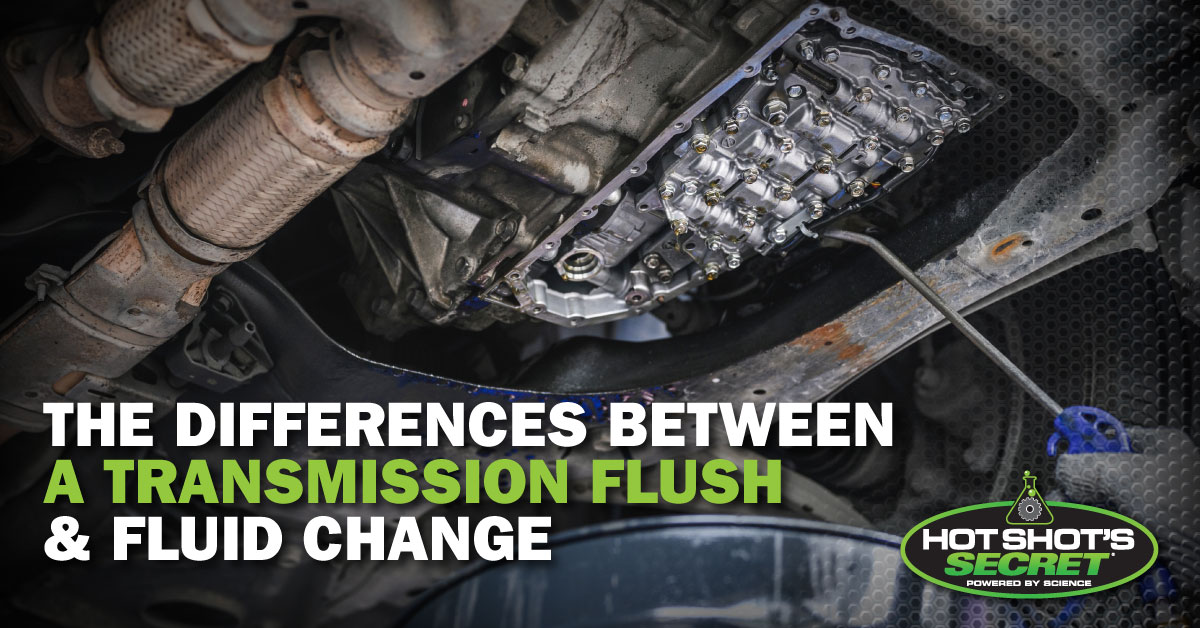
Skipping The Transmission Flush
Some skip flushing the system during a fluid change. Flushing removes sludge and old fluid from hard-to-reach areas. Skipping this step leaves contaminants inside. This can reduce transmission life.
Choosing The Right Transmission Fluid
Choosing the right transmission fluid is very important for your car’s health. The wrong fluid can cause damage or poor performance. Each car needs a specific type of fluid based on its make and model.
Not all transmission fluids are the same. Different cars need different additives and thickness levels. Using the wrong fluid can lead to slipping gears or overheating.
Check Your Owner’s Manual
The owner’s manual tells you the exact type of transmission fluid your car needs. It lists the specifications and sometimes brands. Always follow these guidelines to avoid problems.
Know The Types Of Transmission Fluid
There are several kinds of transmission fluid. Some are for automatic transmissions, others for manual. Some use synthetic fluids, while others use conventional ones. Choose the one that fits your car’s system.
Consider The Fluid’s Quality
High-quality transmission fluid lasts longer and protects better. Low-quality fluids may break down quickly. This can cause damage and expensive repairs later.
Consult A Professional If Unsure
If you do not understand the right fluid type, ask a mechanic. They can recommend the best choice for your vehicle. This step helps prevent costly mistakes and keeps your car running well.
Professional Vs Diy Fluid Changes
Changing transmission fluid helps keep your car running smooth. You can do it yourself or hire a professional. Each choice has its own risks and benefits. Knowing the differences helps you make a better decision for your vehicle.
Professional Fluid Changes
Professionals have the right tools and experience for fluid changes. They drain the old fluid fully and add the correct type. They check for leaks and other problems during the service. This lowers the chance of mistakes and future issues. Shops use special machines to flush out dirty fluid better. They also dispose of old fluid safely, protecting the environment.
Diy Fluid Changes
Changing fluid yourself can save money and time. You only need basic tools and the right fluid type. Many cars have easy access to the transmission drain plug. But, you may miss old fluid trapped in the system. Using the wrong fluid can cause damage. Not tightening bolts enough can lead to leaks. DIY fluid changes require careful attention to detail.
Risks Of Improper Fluid Changes
Wrong fluid or incomplete drainage can harm your transmission. Overfilling or underfilling fluid causes poor shifting or slipping. Dirt left inside the system can clog parts. Leaks can cause fluid loss and damage. These problems reduce transmission life and increase repair costs. Proper fluid change steps are critical for smooth operation.
Credit: www.hotshotsecret.com
Frequently Asked Questions
Can Changing Transmission Fluid Cause Damage?
Changing transmission fluid rarely causes damage if done correctly. Using the wrong fluid or improper procedures can lead to issues. Always follow the vehicle manufacturer’s guidelines.
How Often Should Transmission Fluid Be Changed?
Transmission fluid should generally be changed every 30,000 to 60,000 miles. Check your owner’s manual for specific intervals. Regular changes keep the transmission running smoothly.
What Problems Happen From Not Changing Fluid?
Old transmission fluid can cause slipping, rough shifts, or overheating. It loses lubrication and can allow dirt buildup. This can lead to costly transmission repairs.
Can Low Fluid Levels Cause Transmission Problems?
Yes, low transmission fluid can cause overheating and shifting issues. It reduces lubrication and can damage internal parts. Regularly check and maintain proper fluid levels.
Is It Safe To Change Transmission Fluid Yourself?
Changing transmission fluid yourself can be safe with proper tools and knowledge. Mistakes in fluid type or quantity can harm the transmission. When unsure, seek professional help.
Conclusion
Changing transmission fluid can improve your vehicle’s performance. Using the right fluid and following the schedule helps avoid problems. Poor fluid or wrong changes may cause damage. Regular checks keep your transmission running smoothly. Trust your mechanic or guide for the best advice.
Taking care of your transmission saves money and stress. Simple steps make a big difference in car health. Keep your vehicle reliable and safe on the road.