What Happens If You Drive With a Bad Catalytic Converter: Risks Revealed
Have you ever wondered what happens if you drive with a bad catalytic converter? It might seem like a small issue, but ignoring it can lead to serious problems for your car—and your wallet.
Your catalytic converter plays a key role in keeping your vehicle running smoothly and reducing harmful emissions. When it starts to fail, you might notice strange smells, poor engine performance, or even warning lights on your dashboard. But what exactly goes wrong, and why should you care?
Keep reading to find out how a bad catalytic converter affects your car and what you can do to avoid costly repairs. Don’t let a simple problem turn into a major headache.
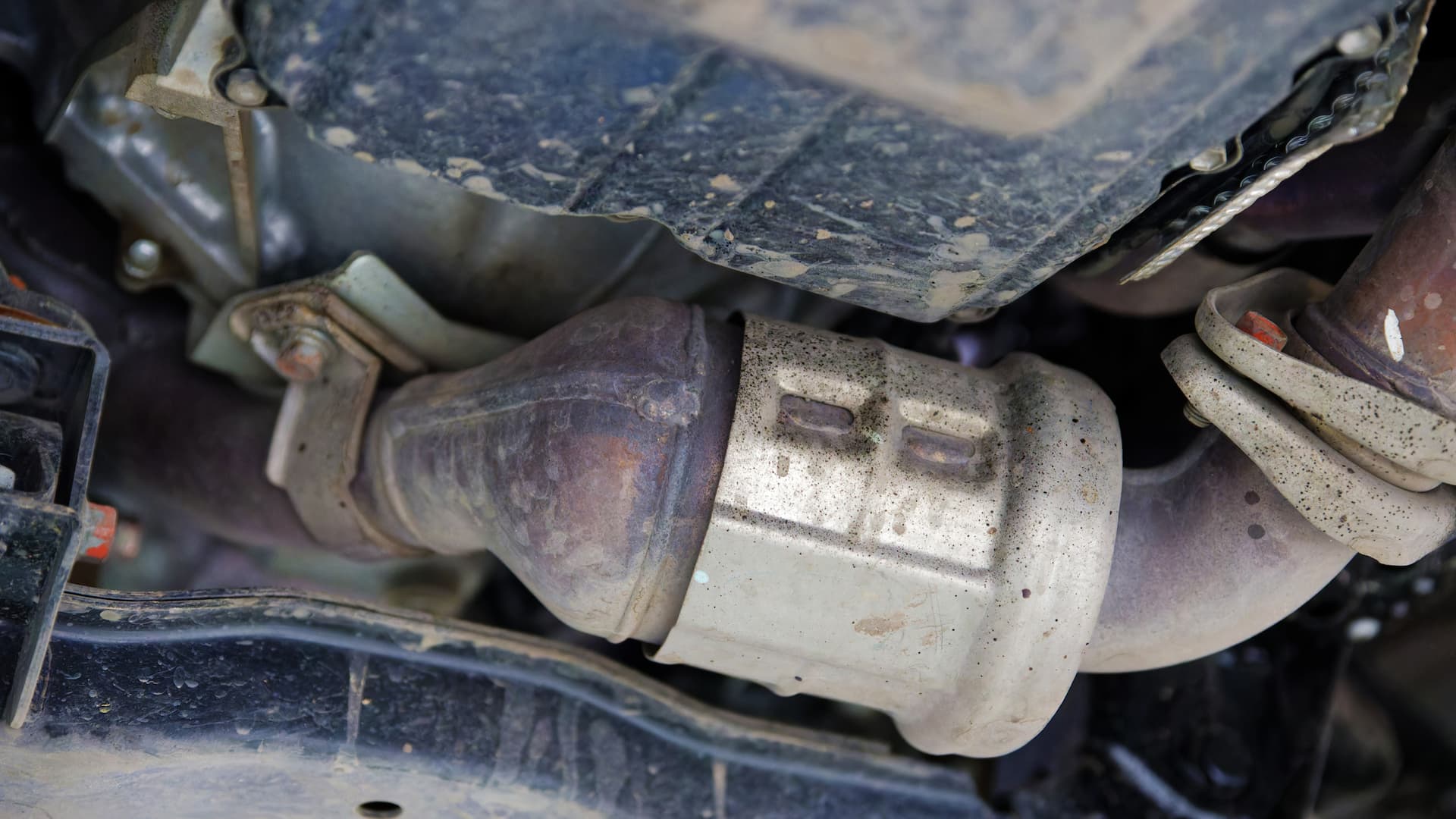
Credit: www.autonationmobileservice.com
Signs Of A Failing Catalytic Converter
A failing catalytic converter can cause several noticeable problems. It is important to recognize the signs early. Catching these signs can save costly repairs and keep your car safe to drive.
Here are some common signs that your catalytic converter may be failing.
Unusual Exhaust Smell
A bad catalytic converter often causes a strong, rotten egg smell. This smell comes from sulfur in the exhaust. It is a clear sign the converter is not working properly. The smell might be stronger when the engine is warm.
Reduced Engine Performance
A failing catalytic converter can block exhaust flow. This blockage reduces engine power. Your car may feel sluggish or slow to accelerate. You might notice poor fuel economy as well. These changes can affect daily driving.
Check Engine Light Activation
The check engine light may turn on with a bad catalytic converter. The car’s computer detects problems in the emissions system. A diagnostic scan tool can confirm if the converter is the cause. Ignoring the light can lead to bigger issues.
Impact On Vehicle Performance
The catalytic converter plays a vital role in your vehicle’s engine system. It helps reduce harmful emissions and keeps your engine running smoothly. A bad catalytic converter affects how your vehicle performs in many ways. These effects can lower your car’s efficiency and cause damage over time.
Decreased Fuel Efficiency
A failing catalytic converter causes poor fuel use. It blocks the exhaust flow, making the engine work harder. The engine burns more fuel to keep the same power. This leads to higher fuel costs and more trips to the gas station.
Engine Overheating
Exhaust blockage can cause the engine to overheat. Heat builds up as gases cannot escape freely. Overheating damages engine parts and may cause breakdowns. This issue can lead to expensive repairs if not fixed quickly.
Increased Emissions
A bad catalytic converter cannot filter harmful gases well. This raises the amount of pollution released into the air. Higher emissions can fail vehicle inspections and harm the environment. It also affects air quality, which can impact health.
Safety Risks On The Road
Driving with a bad catalytic converter can create serious safety risks on the road. This part controls harmful gases, but a faulty one can cause problems. These issues affect your car’s engine, driving performance, and even your health.
Understanding these risks helps you stay safe and protect your vehicle from further damage.
Potential Engine Damage
A bad catalytic converter can block the exhaust flow. This blockage causes pressure to build up in the engine. Over time, this pressure can damage engine parts. The engine may overheat or lose power. This damage leads to costly repairs and unsafe driving conditions.
Risk Of Stalling
A clogged converter can cause the engine to stall suddenly. Stalling can happen during driving or at stops. This risk is dangerous on busy roads or highways. Losing power unexpectedly can lead to accidents or loss of control.
Hazards From Toxic Fumes
A failing catalytic converter may not filter harmful gases properly. Toxic fumes like carbon monoxide can leak into the car cabin. Breathing these fumes causes headaches, dizziness, or worse health problems. This risk is serious and can affect all passengers.

Credit: rrcats.com
Legal And Financial Consequences
Driving with a bad catalytic converter can lead to serious legal and financial problems. The catalytic converter helps reduce harmful emissions. When it fails, your vehicle may break the law and cost you money. Understanding these consequences helps you avoid trouble on the road.
Failing Emissions Tests
Most states require vehicles to pass emissions tests. A bad catalytic converter can cause your car to fail these tests. Failing means you cannot renew your registration. This stops you from legally driving your vehicle. Fixing the converter is needed to pass and keep your car on the road.
Fines And Penalties
Driving a car with a faulty catalytic converter can lead to fines. Law enforcement may issue penalties for excessive emissions. The fines vary by state but can be costly. Repeated offenses increase the chance of higher fines. Avoiding repairs risks legal action and more expenses.
Cost Of Repairs Vs. Neglect
Repairing or replacing a bad catalytic converter has upfront costs. These costs are usually less than fines and penalties. Neglecting repairs can cause further engine damage. This leads to even higher repair bills. Investing in timely repairs saves money and keeps your vehicle legal.

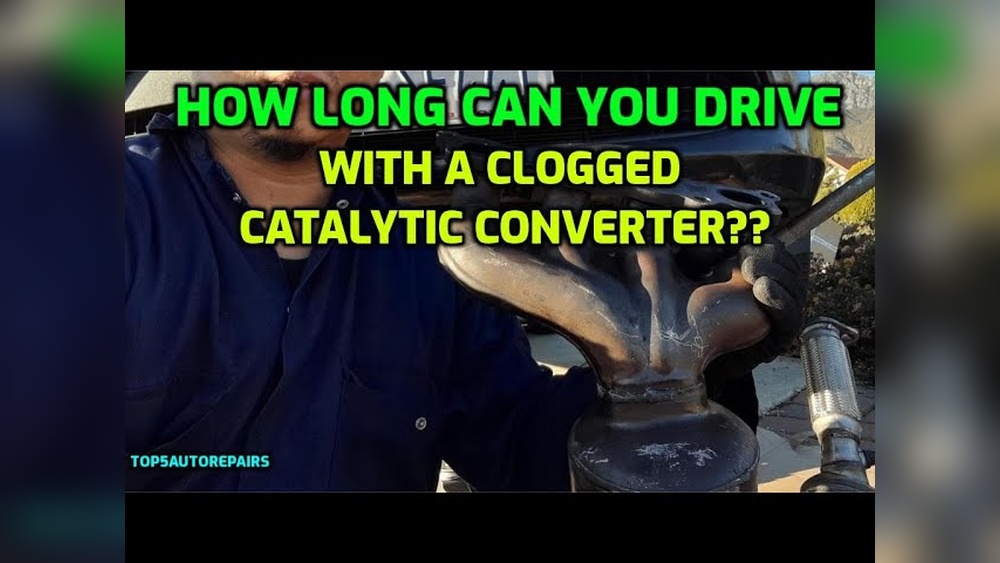
Credit: www.youtube.com
Frequently Asked Questions
What Are The Signs Of A Bad Catalytic Converter?
A bad catalytic converter may cause poor engine performance and lower fuel efficiency. You might notice a rotten egg smell or check engine light. Strange noises or failed emissions tests are common signs too.
Can A Bad Catalytic Converter Cause Car Stalling?
Yes, a clogged catalytic converter can restrict exhaust flow. This makes the engine struggle to run and can cause stalling. The car may also lose power or hesitate during acceleration.
How Does A Bad Catalytic Converter Affect Fuel Economy?
A failing catalytic converter can reduce fuel efficiency by disrupting engine function. Your car may use more fuel to maintain power. This leads to higher fuel costs over time.
Is It Dangerous To Drive With A Bad Catalytic Converter?
Driving with a bad catalytic converter can harm your engine and environment. It may cause overheating and increase harmful emissions. Fixing it quickly keeps your car safe and clean.
Can A Bad Catalytic Converter Cause The Check Engine Light?
Yes, a faulty catalytic converter often triggers the check engine light. The car’s computer detects poor exhaust flow or emissions. A diagnostic test will confirm the exact problem.
Conclusion
Driving with a bad catalytic converter causes many problems. Your car will lose power and use more fuel. It can make your engine run hotter, causing damage. Harmful gases will pollute the air more than usual. You may fail emissions tests, leading to fines.
Fixing it early saves money and keeps your car safe. Don’t ignore warning signs or strange noises. A working catalytic converter helps your car run smoothly. Take care of your vehicle to avoid bigger issues later.