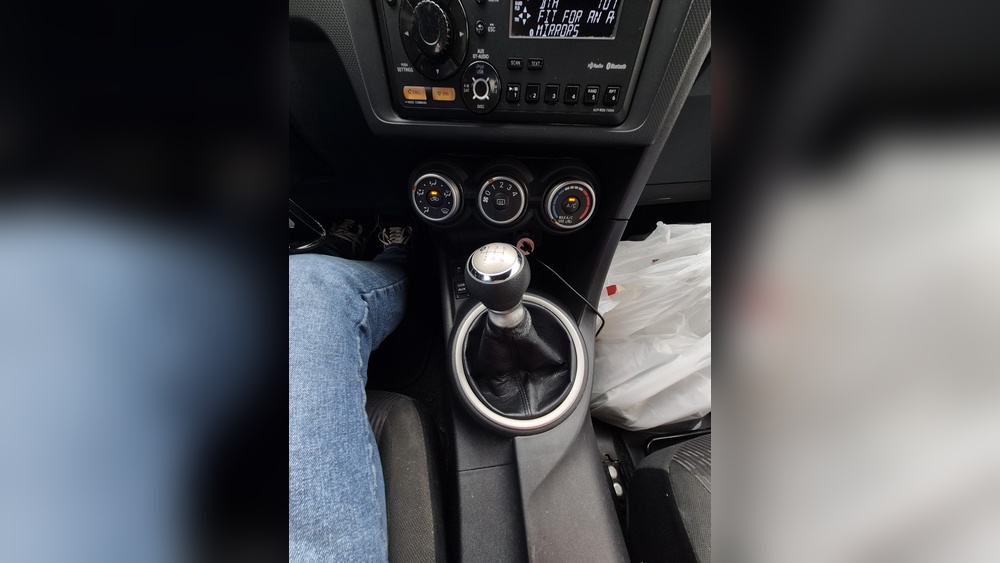
When Parking Downhill in a Car With a Manual Transmission: Essential Safety Tips
Parking downhill in a car with a manual transmission can feel tricky if you’re not sure what to do. You want to make sure your car stays safe and doesn’t roll away.
But how do you use your gears and parking brake the right way? Getting this right can save you from costly damage and give you peace of mind every time you park on a slope. Keep reading, and you’ll learn simple, clear steps to park downhill confidently and keep your car secure.

Credit: www.youtube.com
Choosing The Right Parking Spot
Choosing the right parking spot is key when parking downhill in a manual car. The spot affects your car’s safety and ease of parking. Picking a good place helps prevent the car from rolling.
Look for a spot with a clear curb or edge. Curbs help stop the car if the brakes fail. A flat area near the curb is better than a steep slope.
Avoid parking where the road is very steep. Steep roads increase the risk of your car moving. A moderate slope is safer and easier to handle.
Check the space around the spot. Make sure there is room to turn the wheels toward the curb. This adds an extra layer of security against rolling.
Find A Spot With A Curb
The curb acts as a barrier. It stops the car from rolling downhill. Always turn your wheels toward the curb to use it correctly.
Choose Moderate Slopes Over Steep Ones
Parking on gentle slopes is safer. Steep slopes put more pressure on brakes and gears. Pick a spot where your car can stay still easily.
Ensure Enough Space To Maneuver
Space to turn your wheels is essential. Without enough room, you cannot angle your wheels properly. This can cause the car to roll downhill.
Engaging The Parking Brake Correctly
Engaging the parking brake correctly is vital when parking downhill in a manual car. It helps keep the car from rolling and adds safety. Using the parking brake properly reduces stress on the transmission and keeps the car stable.
Always pull the parking brake lever firmly. A soft pull may not hold the car well. Listen for clicks as you pull to know it is locking in place.
Check that the brake is fully engaged before leaving the car. You want no movement in the wheels. This ensures the car stays put on the slope.
Engage The Parking Brake Before Shifting To Gear
Pull the parking brake before putting the car in gear. This locks the wheels first. It prevents the car from rolling as you shift into first or reverse gear.
Use The Parking Brake Lever Or Pedal Correctly
Grip the lever firmly and pull it up smoothly. For pedal brakes, press down until you feel resistance. Avoid sudden or weak movements to ensure full engagement.
Test The Parking Brake’s Hold
After setting the brake, gently release the foot brake. The car should stay still. If it moves, tighten the parking brake again.
Using Gear Selection To Secure The Car
Using gear selection to secure a car parked downhill is a key safety step. It helps prevent the car from rolling and protects your vehicle and others. Manual transmission cars rely on the engine to hold the car in place. Choosing the right gear adds extra security alongside the parking brake.
Understanding which gear to use can make a big difference. This method uses the engine’s resistance to keep the car still. It is simple but effective. This technique works best on slopes and hills, especially when parking brake strength is uncertain.
Using First Gear When Parking Downhill
First gear helps keep the car from moving forward. When you stop on a downhill, shift into first gear before turning off the engine. The engine will resist any forward roll. This prevents the car from moving and adds a safety layer.
Using Reverse Gear As An Alternative
Reverse gear can also secure the car. It works by stopping backward movement. When parked downhill, reverse gear blocks the car from rolling backward. This is useful if you want to add extra protection. Some drivers prefer reverse gear for steeper slopes.
Checking Gear Engagement Before Leaving
Always check the gear is fully engaged. A partially engaged gear will not hold the car securely. After shifting, gently release the clutch and brake to test. The car should not move if the gear is correct. This small check can prevent accidents.
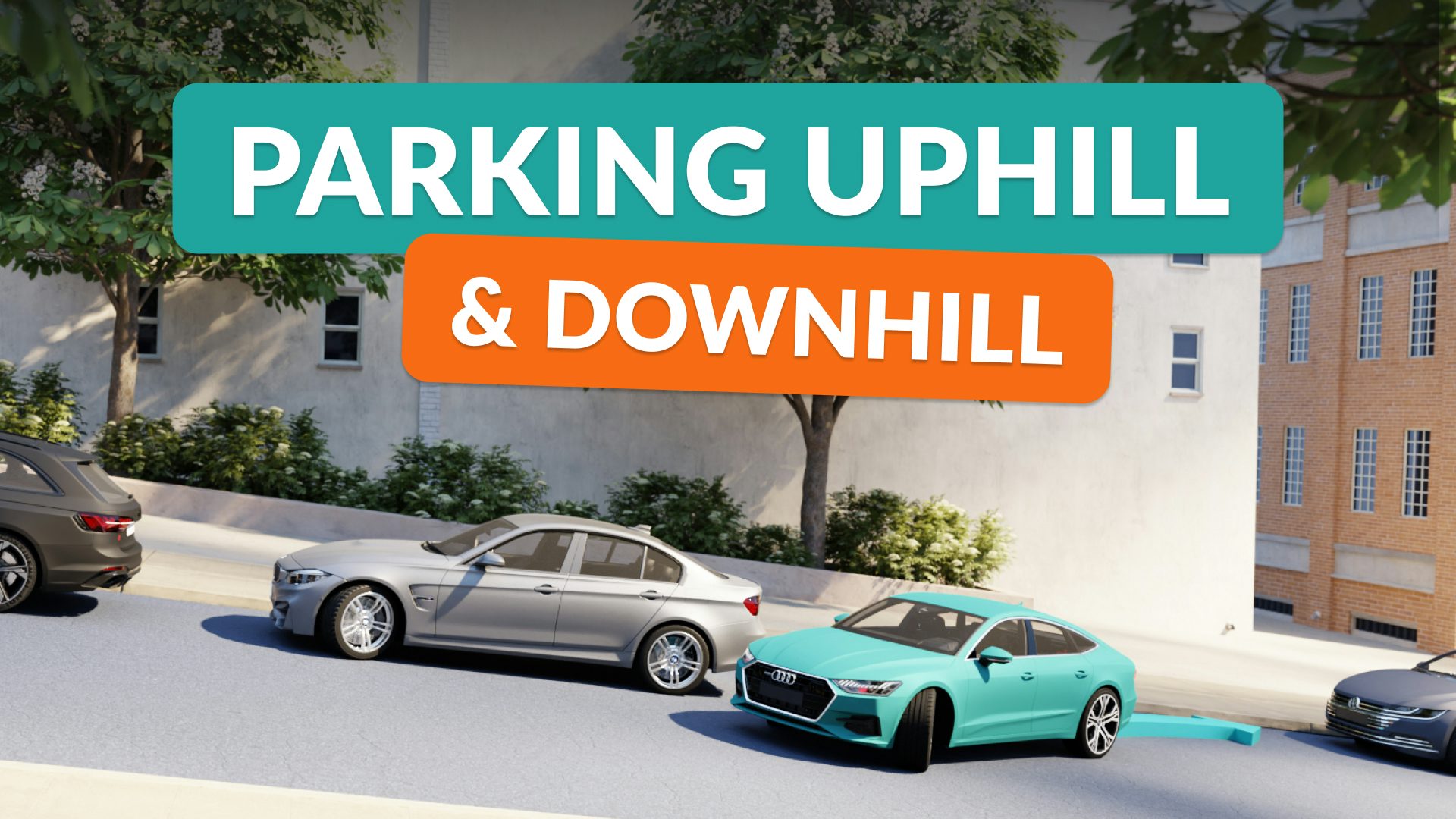
Credit: zutobi.com
Turning The Wheels For Added Safety
Turning the wheels when parking downhill adds an extra layer of safety. It helps stop the car from rolling into the street if the brakes fail. This simple step can prevent accidents and damage to your vehicle.
Knowing how to turn the wheels correctly is important for every driver with a manual car. It gives you more control and peace of mind.
Turn Wheels Toward The Curb
Always turn your front wheels toward the curb when parking downhill. This way, if the car starts to move, the wheels will hit the curb. The curb stops the car from rolling into traffic.
This method uses the curb as a block. It prevents the car from moving forward and causing danger.
Use The Parking Brake Firmly
After turning the wheels, apply the parking brake firmly. The parking brake holds the car in place on the slope. It works together with the wheel position to keep the car safe.
Do not rely only on the gear to hold the car. The parking brake adds an important extra hold.
Check Wheel Position Before Leaving
Before you leave the car, double-check the wheel position. Make sure the wheels are still turned toward the curb. Sometimes, wheels can move slightly after parking.
Correct wheel position keeps your car secure. It lowers the risk of rolling and accidents on the road.
Double-checking Before Leaving The Vehicle
Double-checking before leaving your car parked downhill is essential. It helps prevent accidents and keeps your vehicle safe. Taking a moment to verify all safety steps can save trouble later. Follow these simple checks to park securely on a slope with a manual transmission.
Ensure The Handbrake Is Firmly Engaged
Always pull the handbrake up tight. A loose handbrake can let your car roll downhill. Give it a strong pull to lock the rear wheels. Test by gently rocking the car to confirm it stays still.
Confirm The Gear Is In First Or Reverse
Leave the gear in first or reverse. This adds extra resistance against rolling. On a downhill slope, use reverse gear. This blocks the wheels and supports the handbrake. Double-check the gear stick position before stepping out.
Turn The Wheels Toward The Curb
Point your front wheels toward the curb or edge. This prevents the car from rolling into traffic. If the car moves, the curb will stop it. Check the wheel direction carefully before exiting.
Look For Movement Before Leaving
After applying brakes and setting gears, wait a few seconds. Watch if the car shifts or rolls slightly. Any movement means you need to tighten the handbrake or adjust the wheels. Never leave the car while it still moves.
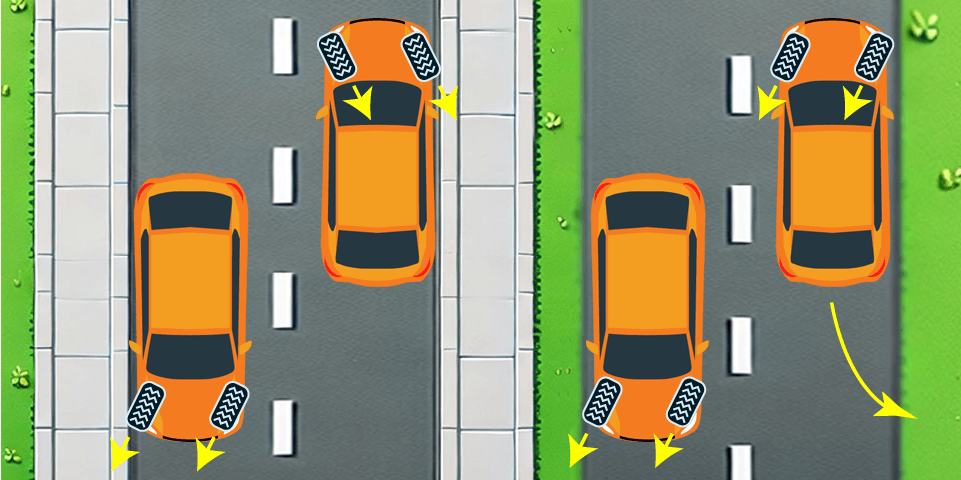
Credit: www.squareone.ca
Frequently Asked Questions
How Should I Park A Manual Car Downhill Safely?
Turn the wheels toward the curb to prevent rolling. Put the car in first gear and use the handbrake firmly. This combination keeps the car steady on the slope.
Why Is Turning The Wheels Important On A Downhill Park?
Turning wheels toward the curb stops the car from rolling into traffic. It acts as a physical barrier if the brakes fail. This simple step improves safety greatly.
Should I Leave My Manual Car In First Or Reverse Gear?
Use first gear when parking downhill as the engine resists rolling forward. Reverse gear is better for uphill parking. This helps keep the car stable.
Can I Rely On The Handbrake Alone On A Steep Hill?
The handbrake alone may not hold a manual car on steep slopes. Always combine it with the proper gear and wheel position. This reduces the chance of accidents.
Conclusion
Parking downhill with a manual car needs care and the right steps. Always turn your wheels toward the curb. Use the parking brake to keep the car from moving. Leave the car in first gear or reverse to add extra safety.
These small actions prevent accidents and save your car from damage. Practice these steps until they feel natural. Safety matters most when parking on a slope. Keep these tips in mind every time you park downhill. Your car and others will stay safe.
Simple, clear actions make a big difference.