What is the Difference between Small Block And Big Block: Key Insights
Are you curious about what sets a small block engine apart from a big block? If you’ve ever wondered which one suits your ride or how they really differ, you’re in the right place.
Understanding these differences can help you make smarter choices, whether you’re upgrading your car, planning a rebuild, or just want to impress your friends with some engine know-how. Stick with me, and by the end of this article, you’ll clearly see what makes small blocks and big blocks unique—and which one might be the perfect fit for your needs.
Credit: www.youtube.com
Engine Size And Design
Engine size and design are key to understanding small block and big block engines. These differences impact power, weight, and how the engine fits in a vehicle.
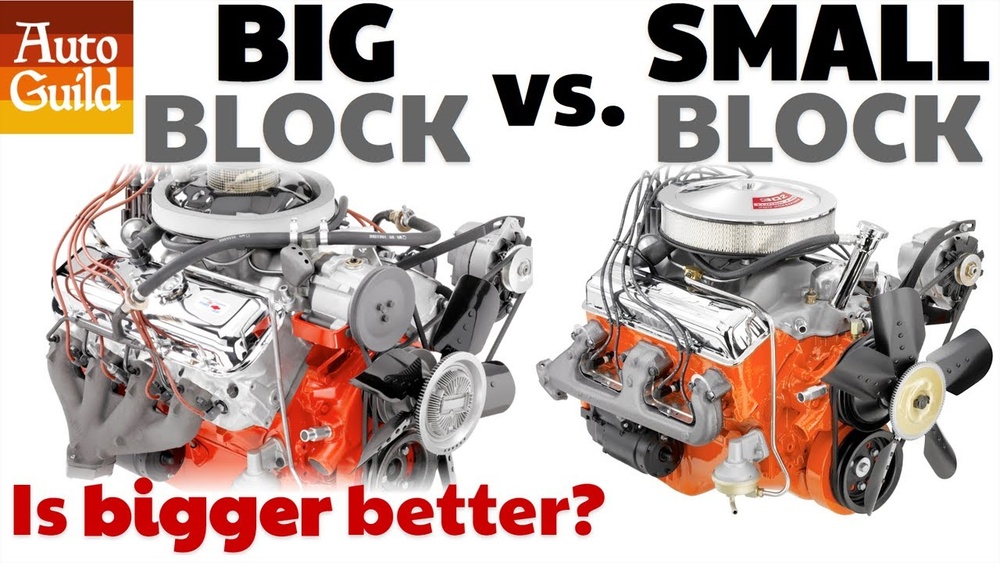
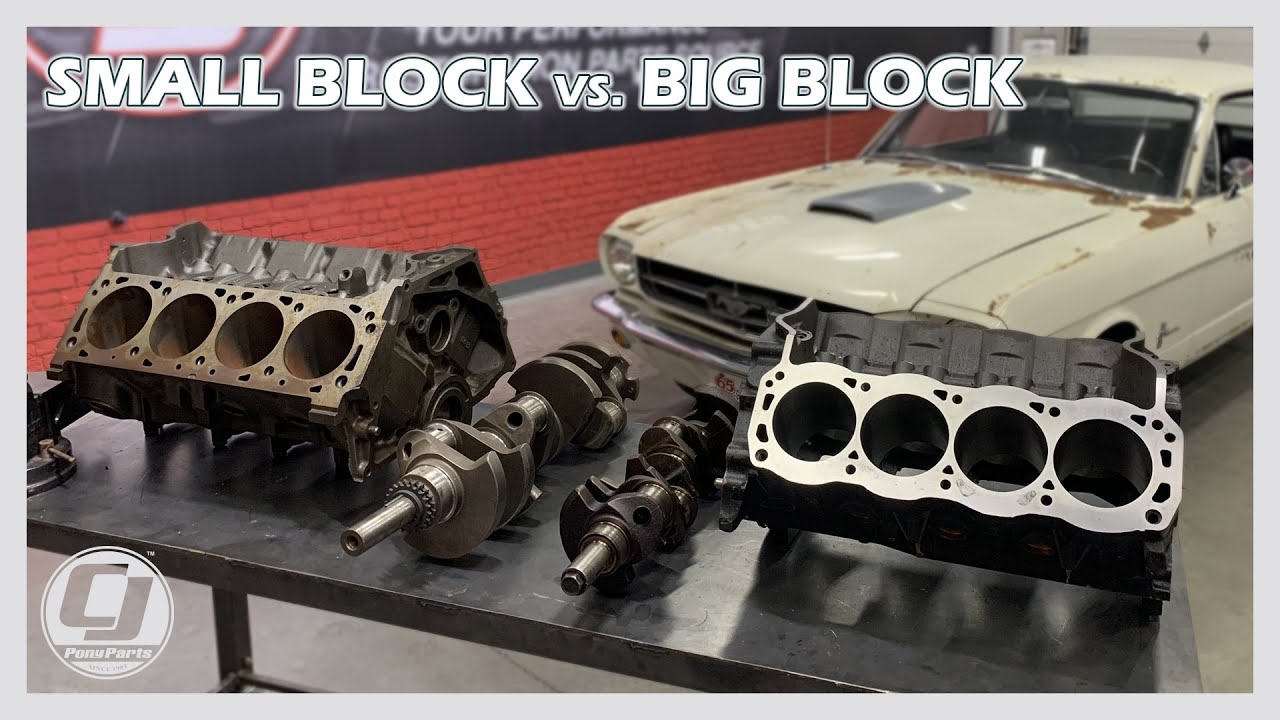
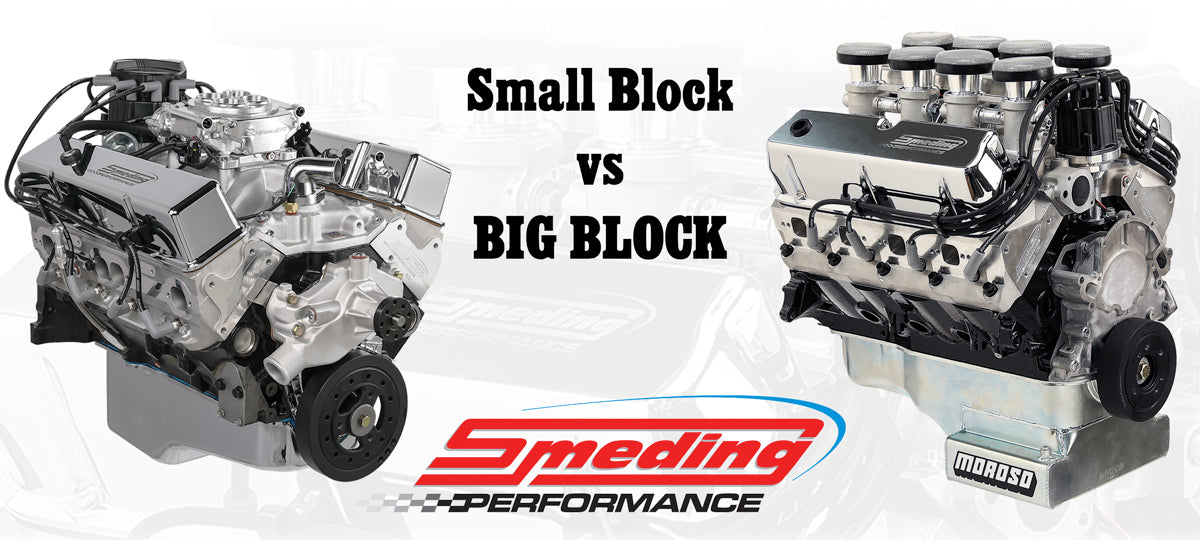
Small block engines have a compact design. They are lighter and smaller in physical size. This makes them easier to fit in many cars.
Big block engines are larger and heavier. They have a bigger physical size to hold more cylinders and displacement.
Displacement And Cylinder Size
Displacement measures the total volume inside all cylinders. Small blocks usually have less displacement, often between 260 and 400 cubic inches.
Big blocks have larger displacement, sometimes exceeding 500 cubic inches. This allows them to produce more power.
Physical Dimensions
Small block engines are shorter and narrower. This helps in weight reduction and better handling of the vehicle.
Big block engines are taller and wider. Their size requires more space in the engine bay and adds weight.
Design Features
Small blocks typically have fewer cylinders or smaller bore sizes. Their design focuses on efficiency and versatility.
Big blocks have larger bores and longer strokes. They focus on high torque and power output for heavy-duty use.
Credit: smedingperformance.com
Performance And Power Output
Performance and power output are key factors in choosing between small block and big block engines. Both have unique traits that affect how much power they produce and how they perform in a vehicle. Understanding these differences helps you pick the right engine for your needs.
Small Block Engine Power Characteristics
Small block engines are lighter and more compact. They usually produce less power than big blocks but offer quicker revving. This makes them good for cars that need fast acceleration and good handling.
The power delivery in small blocks is smooth and steady. They work well in sports cars and street vehicles that require balanced performance.
Big Block Engine Power Characteristics
Big block engines are larger and heavier. They generate more torque and horsepower. This results in stronger pulling power and higher top-end speed.
These engines excel in trucks, muscle cars, and vehicles that tow or haul heavy loads. Their power output suits situations where strength is more important than speed.
Comparing Performance And Efficiency
Small blocks offer better fuel efficiency due to their smaller size. They perform well in everyday driving and light racing.
Big blocks consume more fuel but deliver superior power. They are preferred for heavy-duty tasks or high-power racing.
Choosing between the two depends on whether you value speed and efficiency or raw power and torque.
Applications And Vehicle Types
Small block and big block engines serve different purposes based on their design. Their size and power output affect which vehicles they fit best. Each engine type suits specific applications and vehicle styles.
Understanding these differences helps choose the right engine for your vehicle or project.
Applications Of Small Block Engines
Small block engines work well in light and medium-duty vehicles. They offer good power and fuel efficiency. Sports cars, muscle cars, and daily drivers often use small blocks. These engines fit well in tight engine bays due to their compact size. They deliver quick acceleration and smooth performance.
Applications Of Big Block Engines
Big block engines provide more torque and horsepower. They are ideal for heavy-duty tasks and high-performance vehicles. Trucks, large SUVs, and classic muscle cars often use big blocks. These engines handle towing, hauling, and racing better. Their larger size allows for more power but less fuel efficiency.
Vehicle Types For Small Block Engines
Small blocks appear in many passenger cars and light trucks. Popular with hot rod builders and street racers. Their smaller size makes them easier to install and maintain. Cars like the Chevrolet Camaro and Ford Mustang often feature small blocks. They balance power with everyday drivability.
Vehicle Types For Big Block Engines
Big blocks fit best in larger vehicles with space under the hood. Classic muscle cars like the Chevrolet Chevelle and Dodge Charger use big blocks. Pickup trucks and off-road vehicles benefit from their strong torque. These engines support heavy loads and aggressive driving styles. They suit enthusiasts who want maximum power.
Cost And Maintenance
Cost and maintenance play a big role in choosing between a small block and a big block engine. Both types differ in price and upkeep needs. Understanding these differences helps in making a smart choice.
Cost Of Small Block Engines
Small block engines usually cost less than big blocks. They have fewer parts and use less material. This makes them cheaper to buy and replace. Small blocks are common in many cars, so parts are easy to find.
Cost Of Big Block Engines
Big block engines are more expensive. They have larger parts and more complex designs. The materials used are heavier and cost more. Finding parts for big blocks may take longer and cost extra.
Maintenance Of Small Block Engines
Small blocks need less maintenance. Their simpler design means fewer problems. Regular oil changes and tune-ups keep them running well. Repairs are usually cheaper and faster to do.
Maintenance Of Big Block Engines
Big blocks require more care. Their size and power put more stress on parts. Maintenance can be costly and take more time. Regular checks and part replacements are important to avoid issues.
Choosing Between Small And Big Block
Choosing between a small block and a big block engine depends on several key factors. Both types have unique strengths and fit different needs. Understanding these differences helps in making the right choice.
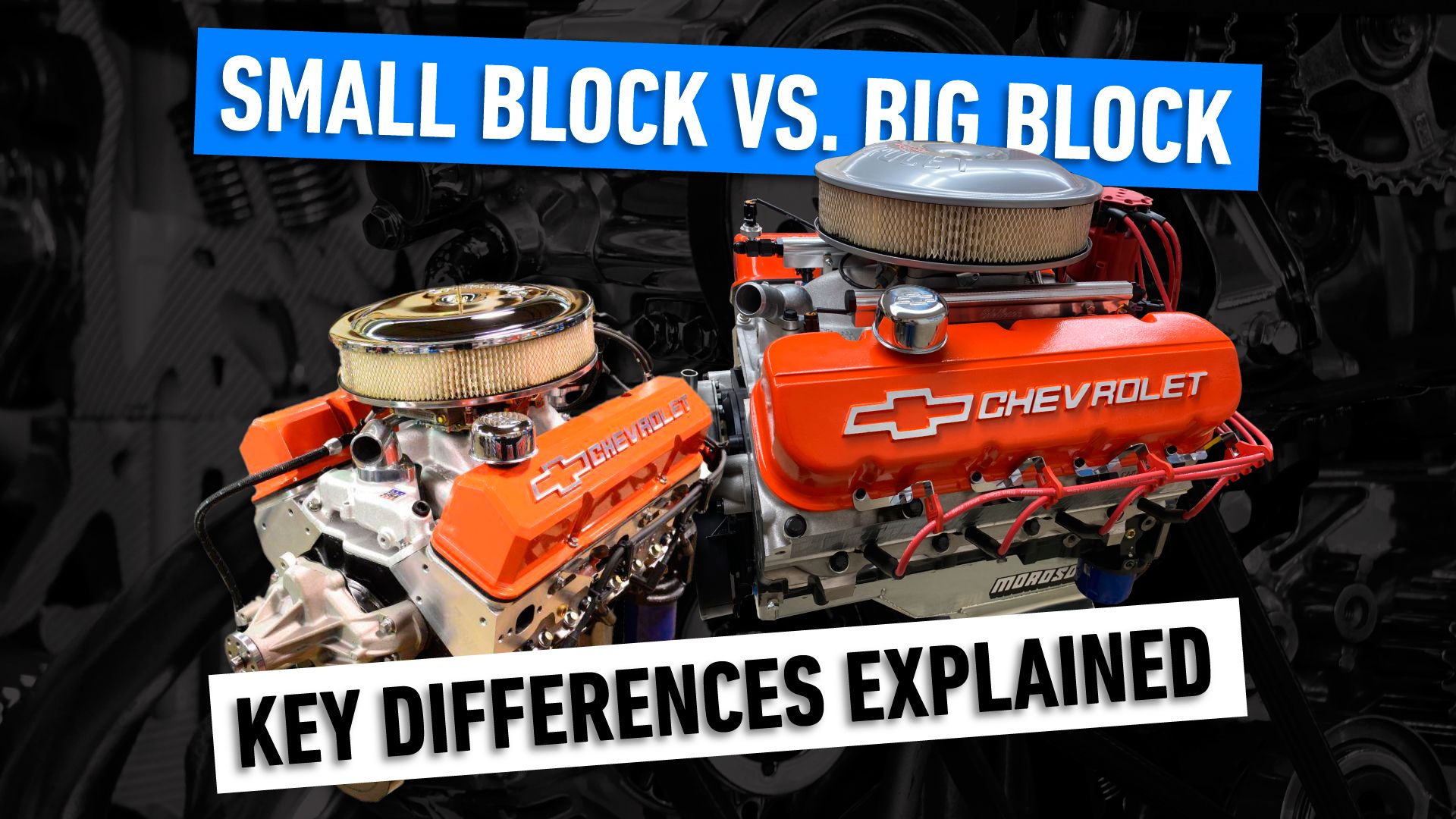
Small block engines are lighter and often more fuel-efficient. They fit well in smaller cars and provide good power for everyday driving. Big block engines are larger and heavier but offer more torque and horsepower. They suit heavy vehicles and high-performance use.
Performance Needs
Small blocks deliver quick acceleration and smooth operation. They work well for street driving and moderate towing. Big blocks shine in heavy towing and racing. Their power is ideal for trucks and muscle cars.
Fuel Efficiency
Small blocks generally consume less fuel. They help save money during daily use. Big blocks burn more fuel due to their size and power. They are less efficient for regular driving.
Space And Weight
Small block engines take up less space. They keep the vehicle lighter and easier to handle. Big blocks require more engine bay space. Their weight affects the vehicle’s balance and handling.
Cost Considerations
Small blocks often cost less to buy and maintain. Parts are usually easier to find and replace. Big blocks can be more expensive. Maintenance and fuel costs add up over time.
Credit: www.topspeed.com
Frequently Asked Questions
What Is A Small Block Engine?
A small block engine is a compact V8 engine known for its light weight and quick response. It is popular in many cars for daily use and racing. Small blocks are easier to modify and maintain.
How Does A Big Block Engine Differ From A Small Block?
Big block engines have larger cylinders and more power than small blocks. They are heavier and often used in trucks and muscle cars. Big blocks produce more torque but use more fuel.
Which Engine Is Better For Fuel Efficiency?
Small block engines are generally better for fuel efficiency. Their smaller size means they use less fuel in normal driving. Big blocks consume more fuel due to their larger size and power.
Can You Swap A Small Block With A Big Block Engine?
Yes, but swapping requires changes to fit the bigger engine. Big blocks need stronger mounts, cooling, and exhaust systems. It’s a complex upgrade but can increase power significantly.
Conclusion
Small block and big block engines serve different needs and styles. Small blocks offer lighter weight and quicker response. Big blocks provide more power and torque for heavy tasks. Choosing depends on your vehicle and what you want from it.
Both have loyal fans and clear uses. Understanding these differences helps you pick the right engine. Simple and clear—small or big block, each has its place.