Will Your Car Pass Inspection With Check Engine Light On? Find Out Now!
You notice that little check engine light glowing on your dashboard, and now you’re wondering—will your car pass inspection with that light on? It’s a question that can cause a lot of stress, especially if you rely on your car every day.
The good news is, understanding what the check engine light means and how it affects your inspection can save you time, money, and hassle. Keep reading to find out what you need to know to get through your inspection without surprises.
What Triggers The Check Engine Light
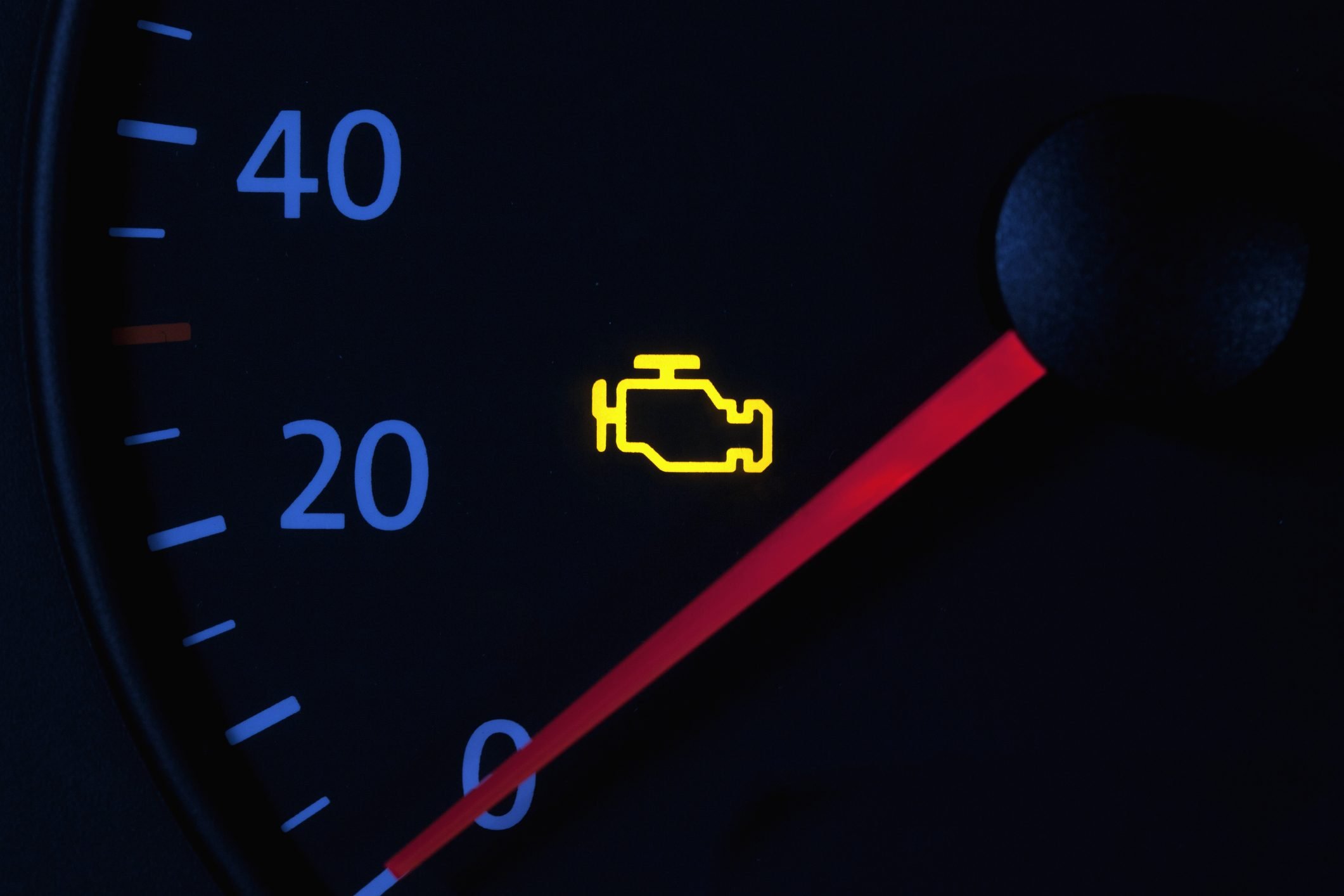
The check engine light signals a problem with your vehicle. It turns on when the car’s computer detects an issue. The light can indicate many different problems, some small and others serious. Understanding what triggers this light helps you decide what to do next.
This warning light is part of your car’s onboard diagnostics system. It monitors engine performance and emissions. If something goes wrong, the system stores a trouble code and lights up the check engine icon.
Faulty Oxygen Sensor
The oxygen sensor measures the amount of oxygen in the exhaust. It helps control fuel mixture for better engine efficiency. A bad sensor can cause poor gas mileage and increased emissions. This is one of the most common reasons for the check engine light.
Loose Or Damaged Gas Cap
The gas cap seals the fuel tank and prevents fumes from escaping. A loose or broken cap can trigger the check engine light. This problem is easy to fix by tightening or replacing the cap.
Malfunctioning Catalytic Converter
The catalytic converter reduces harmful gases in exhaust fumes. A failing converter can cause the light to come on. It affects the car’s performance and may increase pollution.
Issues With Spark Plugs Or Wires
Spark plugs ignite the fuel in the engine cylinders. Worn or damaged plugs and wires can cause misfires. This leads to rough engine running and triggers the warning light.
Problems With Mass Air Flow Sensor
The mass air flow sensor measures air entering the engine. It helps the car adjust fuel injection. A faulty sensor can cause poor engine performance and light up the check engine sign.
Credit: www.familyhandyman.com
Inspection Criteria For Emissions
Car inspections check many things to keep the air clean. Emission rules help reduce pollution. The inspection looks closely at your car’s exhaust and engine systems. This ensures your vehicle does not release harmful gases.
The main goal is to see if your car meets the state’s emission standards. These standards protect the environment and public health. Cars with problems may fail the inspection to stop pollution from spreading.
What Emissions Are Tested?
The inspection measures gases like carbon monoxide, hydrocarbons, and nitrogen oxides. These gases come from your car’s exhaust. Too much of them shows the engine is not running well.
Role Of The Onboard Diagnostics (obd) System
The OBD system tracks your car’s engine and emission controls. It records any faults or problems. During inspection, the tester reads this data to find hidden issues.
Impact Of A Check Engine Light
A check engine light means the OBD found a problem. This warning often leads to an automatic failure. The light shows your car might pollute more than allowed.
Emission Control Components Inspected
Inspectors check parts like the catalytic converter, oxygen sensors, and gas cap. These parts help control pollution. Damage or leaks can cause your car to fail.
Importance Of Passing Emission Tests
Passing means your car runs clean and safe. It helps reduce smog and protects the air we breathe. It also keeps your car legal to drive on roads.
Impact Of Check Engine Light On Inspection Results
A check engine light can cause a car to fail inspection. Most states require no warning lights for a pass. Fixing the issue before inspection saves time and money.
What The Check Engine Light Means For Your Car Inspection
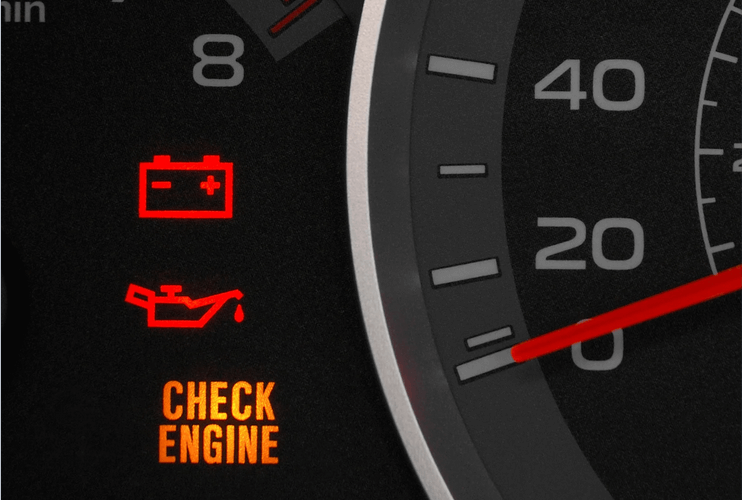
The check engine light signals a problem in your vehicle’s system. It could be a minor issue or something more serious. This light usually means the car’s computer detected a fault. Inspectors pay close attention to this light during inspections.
Cars with a check engine light on often fail emissions tests. The light indicates the engine may not run efficiently. Faulty emissions can harm the environment. That is why many states require the light to be off for passing.
How Inspectors Use The Check Engine Light In Testing
Inspectors use a scanner to read the car’s diagnostic codes. These codes tell what triggered the check engine light. Some codes show minor problems, while others point to serious faults. The presence of codes usually leads to a failed inspection.
In some cases, the light may be on but no codes appear. This can happen if the car’s computer is not communicating properly. Even then, inspectors may fail the car because the system is not working right.
Exceptions And Special Cases With The Check Engine Light
Some states allow a grace period if the check engine light is on. This period lets drivers fix the problem before a final fail. Other states have strict rules and fail any car with the light on. Rules can vary, so knowing local laws helps.
Minor problems may not always cause failure if emissions are okay. Some inspectors may pass a car after verifying repairs. Still, the safest choice is to fix the issue before inspection. This avoids surprises and extra costs.
Common Reasons For Inspection Failure
Understanding why a car fails inspection helps prepare for the process. Many vehicles do not pass due to common, fixable issues. These issues often trigger the check engine light. A lit check engine light can be a warning sign of problems.
Some reasons cause immediate failure, while others need repair before passing. Knowing these common causes helps avoid surprises at the inspection station.
Faulty Oxygen Sensor
The oxygen sensor measures air and fuel mixture in the engine. A bad sensor causes poor fuel economy and higher emissions. This issue often lights the check engine light and leads to inspection failure.
Loose Or Damaged Gas Cap
A loose gas cap lets fuel vapors escape. This causes the check engine light to turn on. Inspectors may fail the car for this simple problem if not fixed before the test.
Malfunctioning Catalytic Converter
The catalytic converter reduces harmful emissions. A broken or clogged converter increases pollution. This problem triggers the check engine light and results in inspection failure.
Worn Spark Plugs Or Ignition Coils
Bad spark plugs or ignition coils cause engine misfires. This reduces performance and increases emissions. The check engine light comes on and may cause failed inspection.
Emissions System Issues
Leaks or faults in the emissions system raise pollution levels. Sensors detect these faults and activate the check engine light. Emissions problems commonly lead to inspection failure.
Steps To Take Before Your Inspection
Preparing your car before the inspection is very important. A check engine light can cause problems during the test. Taking the right steps can help your car pass smoothly.
Start by understanding the reason for the check engine light. Some issues are minor and easy to fix. Others may need a mechanic’s help. Knowing the cause guides your next move.
Check The Engine Light Code
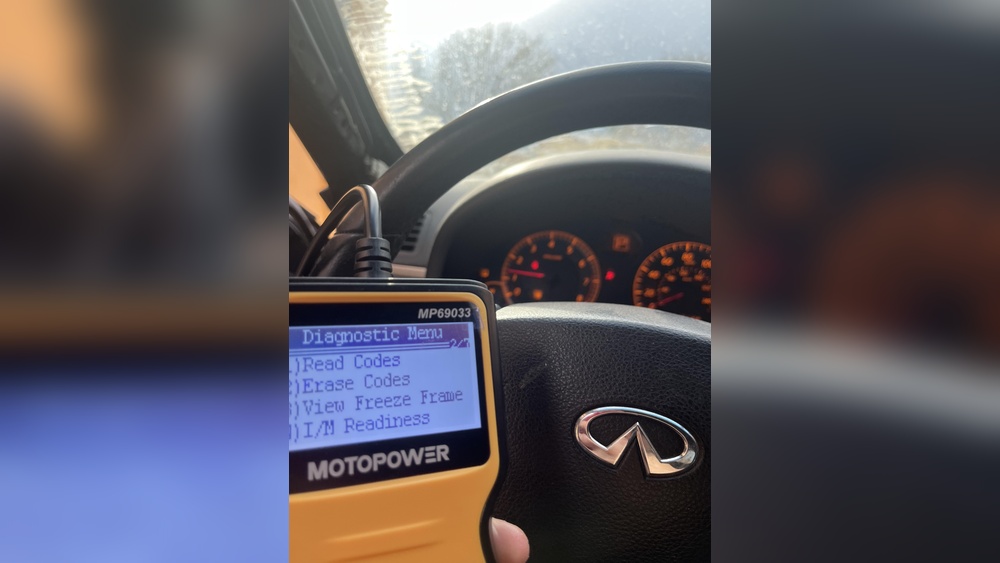
Use an OBD-II scanner to read the error code. Many auto parts stores offer free scans. The code tells you what is wrong with the car. This information is key for repairs.
Fix Simple Problems Yourself
Some problems are easy fixes. Check for loose gas caps or dirty air filters. Tightening or replacing these parts can turn off the light. This might save time and money.
Visit A Mechanic For Complex Issues
Serious engine problems need professional help. Mechanics can diagnose and repair deeper issues. They use special tools to fix the car right. This improves the chances of passing inspection.
Clear The Engine Codes
After repairs, clear the error codes. This resets the check engine light. The light should stay off if the problem is fixed. Some scanners or mechanics can do this step.
Drive The Car Before Inspection
Drive for at least 50 miles after clearing codes. This lets the car’s system run checks again. The check engine light should stay off. This signals the car is ready for inspection.

Credit: www.roggisauto.com
Credit: www.chapelhilltire.com
Frequently Asked Questions
Will A Check Engine Light Always Fail Car Inspection?
Not always. Some states allow inspection with a check engine light if it’s not related to emissions. But many states fail cars with any check engine warning.
Can A Car Pass Inspection If Check Engine Light Blinks?
A blinking check engine light usually means a serious engine problem. Most inspection centers will fail your car if the light blinks during the test.
Does Fixing A Check Engine Light Improve Inspection Results?
Yes. Fixing the issues causing the check engine light often helps your car pass inspection. Clearing the error codes before testing can improve your chances.
How Long After Fixing Should I Wait To Pass Inspection?
Wait a few days or drive 50-100 miles after repair. This lets your car’s computer reset and show no errors during inspection.
Conclusion
A check engine light can affect your car inspection result. Some states fail cars with this light on, while others allow it. The reason matters—minor issues might pass, serious problems usually do not. Always get your car checked before the test.
Fixing problems early saves time and money. Don’t ignore the warning; it protects your car’s health. Stay safe on the road by addressing issues quickly. Regular maintenance helps avoid inspection troubles. Keep your car in good shape to pass inspections easily.