Is It Bad to Change Transmission Fluid After 200K Miles? Essential Facts
You’ve hit the 200,000-mile mark on your car’s odometer, and now you’re wondering: is it too late to change your transmission fluid? Maybe you skipped this service along the way, or maybe you’re just now noticing some slipping or rough shifts.
Whatever the case, you’re probably asking yourself if changing the fluid now will do more harm than good. The truth is, your transmission fluid plays a huge role in keeping your car running smoothly, even after many miles. But what happens when you wait this long?
Keep reading, because understanding the risks and benefits can save you from costly repairs and keep your car on the road longer.

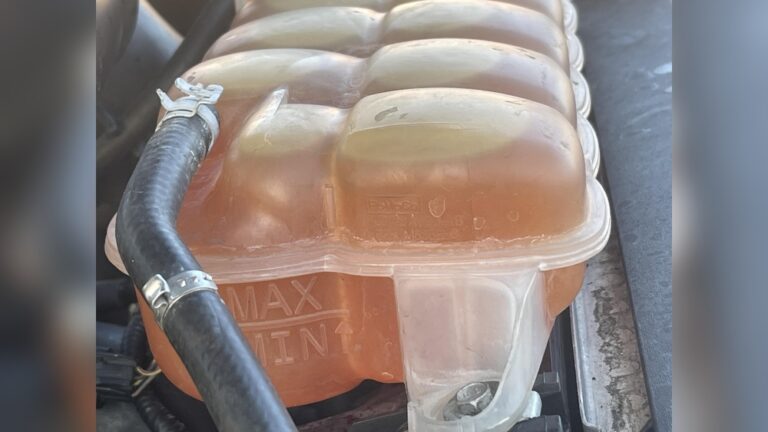
Credit: www.reddit.com
Transmission Fluid Basics
Understanding the basics of transmission fluid helps explain why it matters after 200,000 miles. Transmission fluid keeps your car’s transmission running smoothly. It lubricates, cools, and cleans the internal parts. Over time, this fluid breaks down and loses its effectiveness.
Knowing the role and types of transmission fluid can help you decide if changing it late in the car’s life is a good idea. Here are the key points about transmission fluid basics.
Role Of Transmission Fluid
Transmission fluid acts as a lubricant for moving parts inside the transmission. It reduces friction and wear between gears. This fluid also helps cool the transmission by carrying heat away. It cleans dirt and debris from the system to prevent damage. Without good fluid, the transmission can overheat and fail. Proper fluid keeps your transmission working well for a long time.
Types Of Transmission Fluid
There are different types of transmission fluids for various vehicles. Automatic transmission fluid (ATF) is common in most cars. It contains special additives to protect the transmission. Some cars use synthetic fluids for better performance. Manual transmissions may use gear oil or other specific fluids. Using the wrong type can harm the transmission. Always check your car’s manual to find the right fluid.

Credit: www.youtube.com
Effects Of High Mileage On Transmission
High mileage can take a toll on a vehicle’s transmission. Over time, parts inside the transmission wear down. This wear affects how smoothly the vehicle shifts gears. The transmission fluid plays a key role in keeping these parts lubricated and cool. As the miles add up, the fluid’s quality changes. This change impacts the transmission’s overall health and performance.
Wear And Tear Factors
Transmission parts face constant friction and heat. These forces cause metal surfaces to degrade slowly. Seals and gaskets may crack or leak with age. Tiny metal particles can mix with the fluid. These particles increase wear by grinding against moving parts. High mileage means more exposure to these damaging factors. The transmission must work harder to maintain performance.
Signs Of Transmission Fluid Degradation
Transmission fluid darkens and loses shine after many miles. It may smell burnt or sour, which signals breakdown. Thick or gritty fluid can clog parts and reduce flow. Low fluid levels often result from leaks or evaporation. These signs warn that the fluid no longer protects well. Using old fluid can cause slipping, rough shifts, or overheating.
Changing Fluid After 200k Miles
Changing transmission fluid after 200,000 miles raises many questions for car owners. Some worry it might cause damage or cost too much. Others wonder if it can help the transmission last longer.
At this stage, the transmission is already very old and worn. The fluid inside may have broken down or become dirty. Deciding whether to change it needs careful thought.
Potential Risks
Old transmissions can have tiny metal bits in the fluid. Changing the fluid may wash these bits into the system. This could clog small passages or damage parts.
There is a chance the transmission might slip or shift roughly after the fluid change. This happens because new fluid moves differently than old fluid.
Some cars with very high mileage may have seals that depend on old fluid. New fluid might cause leaks if the seals are weak.
Benefits Of Fluid Change
Fresh fluid can improve shifting and reduce slipping. It helps the transmission run cooler and cleaner.
Changing fluid can remove dirt and metal bits that cause wear. It may extend the life of the transmission.
Good fluid helps protect parts from friction and heat. This lowers the risk of costly repairs later on.
Maintenance Tips For Long-lasting Transmission
Keeping your transmission in good shape helps your car run smoothly for many years. Proper maintenance lowers repair costs and prevents sudden breakdowns. Follow these simple tips to extend your transmission’s life.
Pay attention to your transmission fluid and watch for any signs of trouble. Taking care of these small details can make a big difference.
Regular Fluid Checks
Check your transmission fluid often. Look at the level and color. Healthy fluid is usually red or pink and clear. Dark, dirty fluid means it needs changing. Low fluid can cause slipping or hard shifts.
Checking fluid regularly helps spot issues early. Use the dipstick or check under your car if needed. Keep the fluid at the right level to avoid damage.
When To Consult A Professional
Listen for strange noises or rough shifting. These can signal transmission problems. If your car hesitates or slips, get it checked soon.
Visit a mechanic for a full inspection. Professionals can test fluid quality and system pressure. Early repairs can prevent costly fixes later.

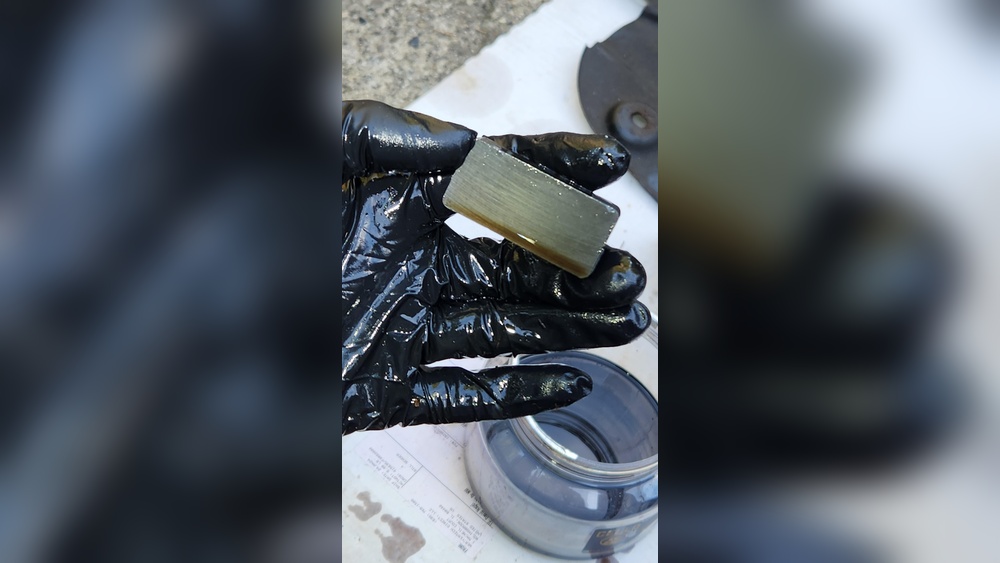
Credit: www.youtube.com
Frequently Asked Questions
Is It Safe To Change Transmission Fluid After 200,000 Miles?
Yes, changing transmission fluid after 200,000 miles can be safe if done properly. Old fluid may cause issues, so fresh fluid helps improve performance and reduce wear.
How Often Should Transmission Fluid Be Changed For High Mileage Cars?
Transmission fluid usually needs changing every 30,000 to 60,000 miles. For cars over 200,000 miles, check fluid condition regularly and change if dirty or low.
Can Old Transmission Fluid Cause Damage After 200k Miles?
Old transmission fluid can cause slipping, overheating, and poor shifting. Changing it after 200,000 miles can prevent damage and extend transmission life.
What Are Signs That Transmission Fluid Needs Changing Late?
Signs include rough shifting, strange noises, and fluid color turning dark. These signals suggest the fluid is old and needs replacement to avoid problems.
Conclusion
Changing transmission fluid after 200,000 miles is not always bad. Old fluid can cause problems and wear down parts. Fresh fluid helps the transmission work better and last longer. Check your car’s manual for advice. Some vehicles need fluid changes even after many miles.
A clean transmission fluid keeps your car running smooth. Don’t ignore this simple step to protect your vehicle. It may save you from costly repairs later. Taking care of your car is smart, no matter the mileage.