What Happens If I Overfill My Power Steering Fluid: Risks Revealed
Have you ever wondered what could happen if you accidentally pour too much power steering fluid into your car? It might seem like a small mistake, but overfilling your power steering fluid can lead to some serious problems.
You rely on your power steering every day to make driving smooth and easy. So, understanding the risks and knowing what to do if you overfill it can save you time, money, and stress. Keep reading to find out exactly what happens when your power steering fluid is overfilled—and how you can fix it before it causes damage.
Credit: www.tundras.com
Power Steering Fluid Basics
Power steering fluid plays an important role in your vehicle’s steering system. It helps the steering wheel turn smoothly and easily. Without the right amount of fluid, steering becomes hard and uncomfortable.
This fluid acts as a hydraulic lubricant. It transfers power from the steering wheel to the wheels. This makes driving safer and more comfortable, especially at low speeds or when parking.
What Is Power Steering Fluid?
Power steering fluid is a special liquid. It is designed to handle high pressure and heat. This fluid lubricates the steering system parts. It also prevents rust and corrosion inside the system.
How Power Steering Fluid Works
The fluid moves through hoses and pumps. It helps push the steering parts. This makes the wheels turn with less effort from the driver. The fluid must be clean and at the right level to work well.
Why Fluid Level Matters
Too little fluid can cause steering to become stiff. Too much fluid can cause leaks and damage. The fluid level affects the pressure inside the steering system. Maintaining the correct level keeps the system working properly.
Causes Of Overfilling
Overfilling power steering fluid often happens by adding too much fluid during a refill. Using the wrong fluid type or not checking the level carefully can also cause this problem. Excess fluid can lead to leaks and pressure issues in the system.
Overfilling power steering fluid happens more than you might think. It usually occurs during maintenance or fluid top-up. Knowing the causes helps avoid damage and costly repairs.
Some common reasons lead to overfilling. Understanding these can keep your steering system working well.
Misreading The Fluid Level
Many people misread the fluid level on the reservoir dipstick. The markings can be confusing or dirty. This mistake leads to adding too much fluid.
Using The Wrong Reservoir
Some vehicles have more than one fluid reservoir. Adding power steering fluid into the wrong tank causes overfilling. It also can mix fluids, harming the system.
Not Checking Fluid Expansion
Power steering fluid expands when warm. Filling to the max level when cold leaves no room for expansion. This causes overfilling once the engine heats up.
Ignoring Manufacturer Guidelines
Every car has specific fluid amount recommendations. Ignoring these can cause overfilling. Always check the manual before adding fluid.
Using Excessive Fluid During Flush
Flushing the power steering system involves draining and refilling fluid. Adding too much fluid during this process is common. It results in overfilled reservoirs.
Immediate Effects On The System
Overfilling power steering fluid causes immediate problems in the system. The fluid has a specific space to fill. Extra fluid puts pressure on parts that are not designed for it.
This pressure can force fluid out of seals and cause leaks. It also changes how the steering feels and works. These effects happen fast and need attention.
Increased Pressure On Seals
Power steering systems have seals to keep fluid inside. Too much fluid creates extra pressure. This pressure pushes on seals hard. The seals might crack or break. Fluid can leak out and damage other parts.
Foaming And Aeration Of Fluid
Extra fluid causes it to foam. Air gets mixed into the fluid. This foamy fluid does not flow well. It reduces the system’s ability to steer smoothly. You may feel jerky or stiff steering.
Reduced Steering Performance
Overfilled fluid disrupts the system’s balance. Steering can become noisy or rough. The wheel might feel heavy or slow to respond. This makes driving harder and less safe.
Long-term Damage Risks
Overfilling power steering fluid may seem like a small mistake. Yet, it can lead to serious problems over time. The extra fluid puts pressure on the system. This pressure can cause parts to wear out faster. Understanding the long-term damage risks helps you avoid costly repairs.
Increased Pressure On Seals And Hoses
Too much fluid raises pressure inside the power steering system. Seals and hoses are not designed for this extra pressure. They can crack or break, causing leaks. Leaks reduce fluid levels and damage the steering system. Replacing seals and hoses can be expensive and time-consuming.
Damage To The Power Steering Pump
The power steering pump moves the fluid through the system. Excess fluid can cause the pump to work harder. This extra work leads to overheating and faster wear. Over time, the pump may fail completely. A broken pump means your steering will be stiff and hard to control.
Foaming And Reduced Fluid Effectiveness
Extra fluid can cause foaming inside the reservoir. Foaming reduces the fluid’s ability to lubricate and protect parts. This causes the system to wear down faster. Poor lubrication can lead to noisy steering and poor performance. It also increases the risk of costly damage.
Contamination And Corrosion Risks
Too much fluid can cause spills and leaks. Spilled fluid attracts dirt and debris. Dirt can enter the system and cause contamination. Contaminated fluid damages metal parts and causes corrosion. Corrosion weakens the power steering system’s key components.
Signs Of Overfilled Fluid
Overfilling power steering fluid can cause problems in your vehicle’s steering system. It’s important to spot signs early to avoid damage. Watch for unusual changes that signal too much fluid in the reservoir.
These signs help you know when the fluid level is too high. Acting quickly can prevent costly repairs and keep your steering smooth and safe.
Foamy Or Bubbly Fluid
Too much fluid can cause air to mix in the power steering reservoir. This creates foam or bubbles in the fluid. Foamy fluid reduces the system’s ability to steer properly. It may make the steering feel noisy or jerky.
Leaking Fluid
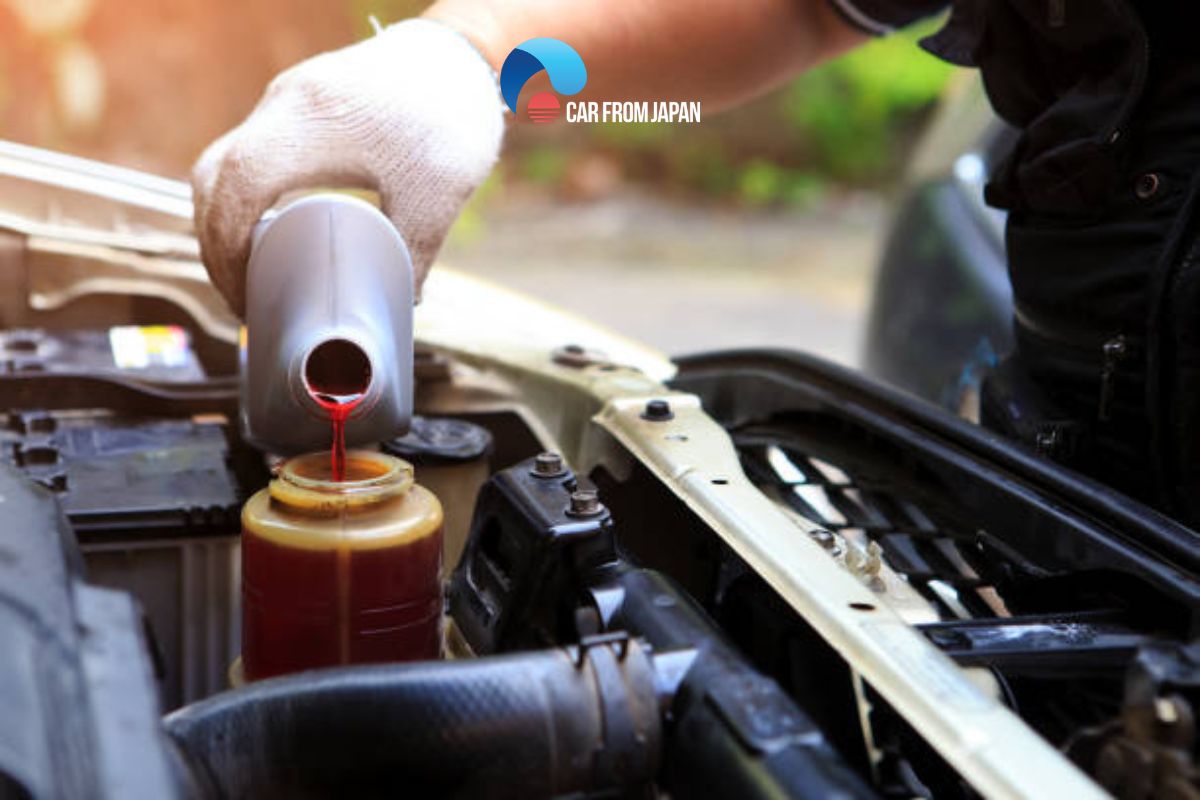
Extra fluid increases pressure inside the reservoir. This pressure can push fluid out of seals or hoses. You might see wet spots or puddles under your car. Leaks can lead to low fluid levels and damage the steering pump.
Whining Or Squealing Noises
Overfilled fluid can cause the power steering pump to work harder. This may produce whining or squealing sounds when you turn the wheel. These noises mean the system is under stress and needs attention.
Difficulty Steering
Too much fluid can make steering stiff or unresponsive. The system may not turn smoothly or quickly. This can make driving unsafe and uncomfortable.
Credit: carfromjapan.com
How To Correct Overfilled Fluid
Correcting overfilled power steering fluid is important for your car’s health. Too much fluid can cause leaks or damage. Fixing this issue is simple and safe if done carefully.
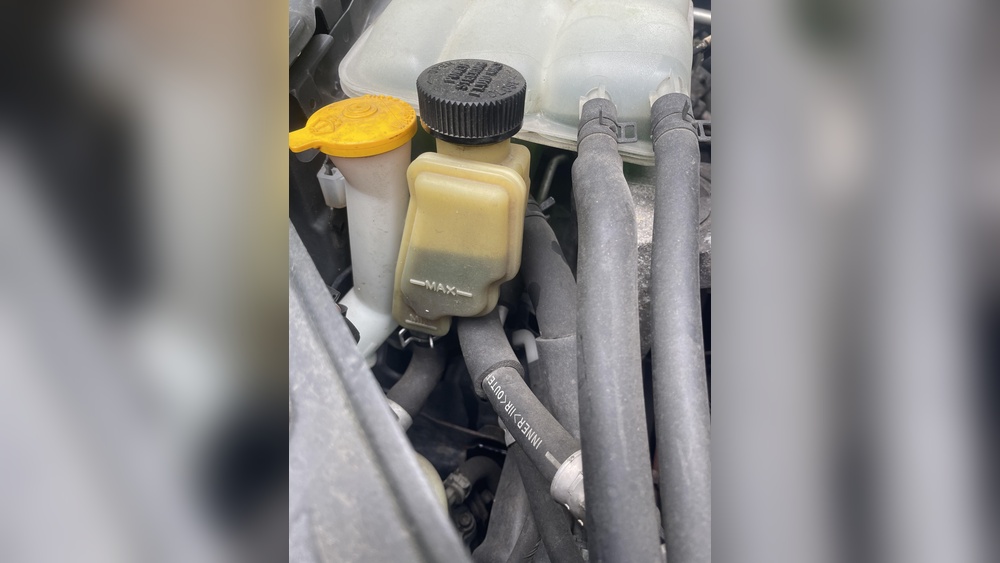
Start by locating the power steering reservoir. It is usually near the engine and has a cap labeled “power steering.” You will need a clean container and a turkey baster or a small pump to remove the extra fluid.
Drain Excess Fluid Using A Turkey Baster
Remove the reservoir cap slowly. Insert the turkey baster into the fluid. Suck out small amounts of fluid at a time. Place the fluid into a clean container for proper disposal later.
Check the fluid level often while removing. Stop when the fluid reaches the recommended mark on the reservoir. Replace the cap securely after finishing.
Use A Syringe Or Small Pump For Precise Removal
A syringe or small pump works well for precise fluid removal. Insert it gently into the reservoir. Draw out the excess fluid carefully. This method helps avoid spills or air getting into the system.
Measure the fluid level frequently. Keep removing fluid in small amounts. Stop once the correct level is reached. Replace the cap tightly after the process.
Check For Leaks Or Damage After Correction
After removing excess fluid, inspect the area around the reservoir. Look for leaks or cracks in hoses. Overfilled fluid can cause pressure and damage.
Start the engine and turn the steering wheel slowly. Listen for unusual noises or stiffness. If problems remain, consult a mechanic for further help.
Credit: www.reddit.com
Frequently Asked Questions
What Are The Signs Of Overfilled Power Steering Fluid?
You might notice fluid leaks or a whistling noise from the pump. Steering may feel stiff or unresponsive.
Can Overfilling Power Steering Fluid Damage The Pump?
Yes, too much fluid can cause pressure buildup. This can damage seals and the power steering pump.
How Do I Fix Overfilled Power Steering Fluid?
Drain the extra fluid using a turkey baster or syringe. Check the fluid level with the dipstick afterward.
Is Overfilling Power Steering Fluid Dangerous For My Car?
Overfilling can cause leaks and reduce steering performance. It may lead to costly repairs if not fixed.
How Often Should I Check My Power Steering Fluid Level?
Check the fluid every month or during oil changes. Regular checks help prevent overfilling and steering problems.
Conclusion
Overfilling power steering fluid can cause serious problems. It may lead to leaks and damage the system parts. Too much fluid puts extra pressure inside the reservoir. This can make steering harder and less safe. Always check the fluid level carefully.
Use the right amount as your car manual says. Regular maintenance keeps your steering smooth and reliable. Avoid costly repairs by not overfilling. Taking small steps helps your car run better and longer. Remember, proper fluid levels protect your vehicle’s performance.