Does a Manual Transmission Have Transmission Fluid? Essential Facts
If you drive a car with a manual transmission, you might wonder if it needs transmission fluid like an automatic does. Knowing the answer can save you from costly repairs and keep your car running smoothly.
You probably want to understand how your manual gearbox works and what kind of care it requires. This article will clear up the confusion and give you simple, clear information about manual transmission fluid. Keep reading to find out what you need to know to take better care of your car.

Credit: bowlertransmissions.com
Manual Transmission Basics
Manual transmissions use transmission fluid to keep gears running smoothly. This fluid helps reduce friction and wear inside the gearbox. Checking and changing it is important for a healthy transmission.
What Is A Manual Transmission?
A manual transmission lets the driver change gears by hand. It uses a clutch pedal and a gear stick. The driver controls the power from the engine to the wheels. This control helps with fuel efficiency and performance. Manual transmissions are common in many cars worldwide.
How Does A Manual Transmission Work?
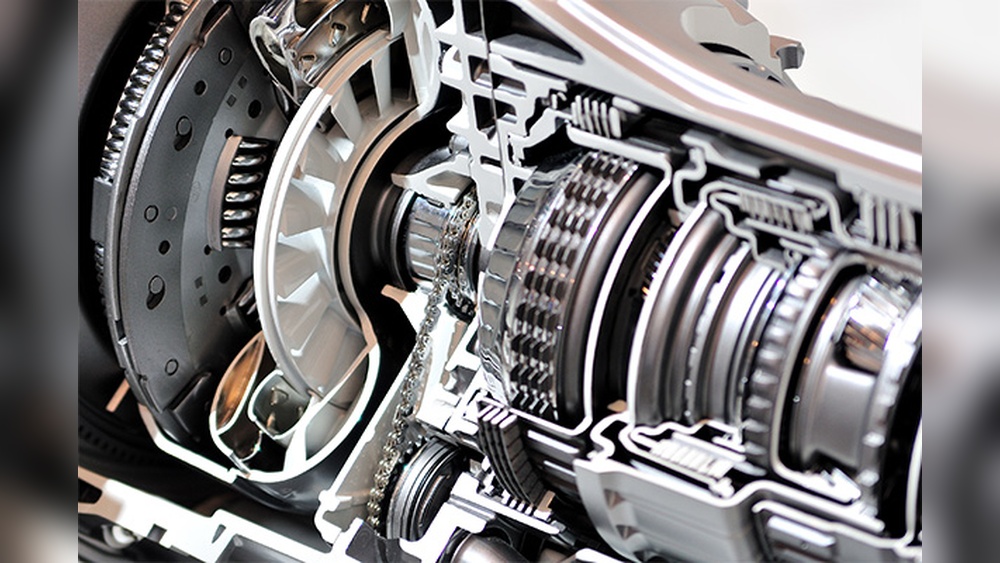
Inside the transmission, gears of different sizes connect to the engine. When the driver shifts gears, they change which gears are engaged. The clutch pedal disconnects the engine from the wheels during gear changes. This process allows smooth shifting and power transfer.
Does A Manual Transmission Use Fluid?
Yes, manual transmissions need fluid to work well. The fluid lubricates gears and parts inside the transmission. It helps reduce heat and wear. This fluid is different from automatic transmission fluid. Regular checks and changes keep the transmission healthy.
Types Of Transmission Fluids
Manual transmissions use specific types of fluids to keep gears moving smoothly. These fluids differ from those in automatic transmissions and are essential for proper function. Understanding the right fluid helps maintain your vehicle’s performance.
Transmission fluid plays a key role in the smooth operation of vehicles. Different types of transmission fluids exist for various transmission systems. Each type serves a specific purpose and suits particular transmission designs.
Manual transmissions do use transmission fluid, but it is different from automatic transmission fluid. Understanding these types helps maintain your vehicle properly and avoid costly repairs.
Manual Transmission Fluid (mtf)
Manual transmission fluid is specially made for manual gearboxes. It lubricates the gears and helps reduce friction and wear. This fluid also helps cool the transmission system during operation.
MTF is usually thinner than automatic transmission fluid. It provides the right balance of protection and smooth gear shifting for manual cars.
Automatic Transmission Fluid (atf)
Automatic transmission fluid is designed for automatic gearboxes. It works as a lubricant, coolant, and hydraulic fluid. ATF helps the automatic transmission change gears smoothly and efficiently.
ATF is thicker and has more additives than MTF. Using ATF in a manual transmission can cause damage.
Gear Oil
Gear oil is a heavy-duty lubricant used in some manual transmissions and differentials. It has a thicker consistency and contains additives to protect gears under high pressure.
Gear oil is often used in vehicles with older or heavy-duty manual transmissions. It offers strong protection against wear and corrosion.
Do Manual Transmissions Use Fluid?
Manual transmissions do use fluid to keep parts moving smoothly. This fluid helps protect gears and reduce wear over time. Without it, the transmission can get damaged.
Manual transmissions do use fluid, but it is different from automatic transmission fluid. This fluid helps the gears move smoothly. It also protects the parts from wear and tear.
The fluid in a manual transmission is thicker and designed for gear protection. It helps reduce friction and heat inside the transmission. Without this fluid, the transmission could get damaged quickly.
What Type Of Fluid Is Used In Manual Transmissions?
Manual transmissions often use gear oil or special manual transmission fluid. This fluid has additives that protect the metal parts. It also helps the gears shift easily.
Some vehicles use regular motor oil for manual transmissions, but this depends on the make and model. Always check the owner’s manual for the correct fluid type.
How Often Should You Change Manual Transmission Fluid?
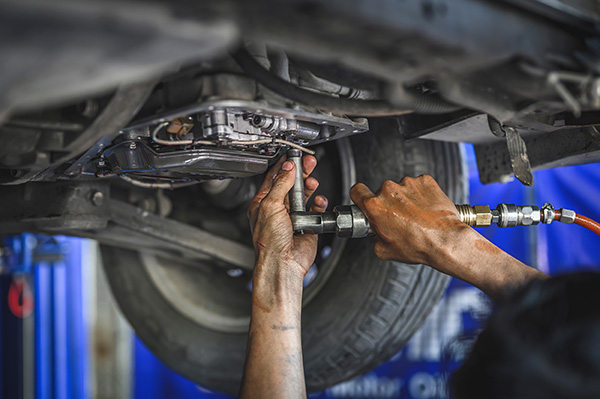
Changing the fluid regularly keeps the transmission in good condition. Most experts suggest changing it every 30,000 to 60,000 miles. Driving habits and conditions can affect this interval.
Old or dirty fluid can cause rough shifting or gear damage. Regular checks can catch problems early and save costly repairs.
Credit: www.fasrvc.com
Fluid Maintenance For Manual Transmissions
Manual transmissions need proper care to work well for a long time. One important part of this care is maintaining the transmission fluid. This fluid helps the gears move smoothly and stops them from wearing out. Without the right fluid care, the manual transmission can start to fail and cause costly repairs.
Knowing how and when to check or change the fluid keeps the transmission healthy. It also improves how the car drives and saves money on fixing problems later. This section explains the basics of fluid maintenance for manual transmissions.
What Type Of Fluid Does A Manual Transmission Use?
Manual transmissions use special gear oil or transmission fluid. This fluid is thicker than engine oil. It protects gears and bearings inside the transmission. The exact type depends on the vehicle’s make and model. Always check the owner’s manual to find the right fluid.
How Often Should You Change Manual Transmission Fluid?
Changing the fluid depends on driving habits and conditions. A common rule is to change it every 30,000 to 60,000 miles. Some cars may need fluid changes sooner. Check your owner’s manual for the recommended schedule. Regular changes help avoid fluid breakdown and gear damage.
Signs You Need To Change Manual Transmission Fluid
Look for rough or noisy gear shifts. If gears grind or slip, fluid may be low or dirty. Dark or thick fluid means it is old and needs replacing. Leaks under the car can also show fluid loss. Address these signs quickly to protect the transmission.
How To Check Manual Transmission Fluid Level
Many manual transmissions do not have a dipstick. Checking fluid level may require removing a fill plug. It is best done with the car on level ground and the engine cool. Pouring in the correct fluid amount is important to avoid damage. If unsure, a mechanic can help.
Signs Of Low Or Contaminated Fluid
Transmission fluid plays a key role in manual transmissions. It lubricates gears and helps the transmission run smoothly. Low or dirty fluid can cause serious problems. Knowing the signs helps prevent damage and costly repairs.
Difficulty Shifting Gears
Low or contaminated fluid makes shifting hard. You may feel resistance or grinding noises. Gears might not engage smoothly. This happens because the fluid no longer reduces friction effectively.
Unusual Noises From Transmission
Listen for whining or clunking sounds. These noises often signal fluid issues. Dirty fluid loses its cushioning ability, causing metal parts to rub harshly. This leads to noise and wear.
Transmission Overheating
Transmission fluid cools the system. Low fluid causes overheating quickly. You may notice a burning smell. Heat can damage transmission parts permanently without enough fluid.
Leaking Fluid
Check under the vehicle for puddles or spots. Manual transmissions use fluid that can leak from seals or gaskets. Leaks lower fluid levels and reduce lubrication, causing problems.
Fluid Color And Smell Changes
Healthy transmission fluid is clear or light amber. Dark or black fluid means contamination. A burnt smell shows the fluid is overheated. Both signs mean fluid needs changing soon.
Credit: www.autoweb.com
Choosing The Right Fluid For Manuals
Choosing the right fluid for manual transmissions matters a lot. Proper fluid keeps the transmission parts moving smoothly. It helps reduce wear and tear. It also prevents overheating and damage inside the gearbox. Using the wrong fluid can cause problems and shorten the transmission’s life.
Manual transmissions need specific types of fluid. These fluids differ from those used in automatic transmissions. The right fluid depends on the vehicle’s make and model. Always check the owner’s manual for the recommended fluid type. Some manuals require gear oil, while others use manual transmission fluid (MTF).
Understanding Gear Oil Types
Gear oils come in different viscosities. Common types include 75W-90 and 80W-90. The numbers describe how thick the oil is at different temperatures. Thicker oils protect better under heavy loads. Thinner oils flow easier at cold starts. Choose the viscosity that matches your climate and vehicle needs.
What Is Manual Transmission Fluid (mtf)?
MTF is designed specifically for manual gearboxes. It offers good lubrication and helps shift gears smoothly. It often contains additives to reduce wear and prevent rust. Some modern cars require synthetic MTF for better performance. Using MTF helps protect synchronizers and bearings inside the transmission.
Checking Compatibility And Specifications
Not all fluids work in every manual transmission. Check fluid specifications carefully before buying. Look for industry standards like API GL-4 or GL-5. Some transmissions need fluids with specific additives. Using the wrong fluid can cause gear grinding or slipping. Always follow the vehicle maker’s fluid guidelines for best results.
Frequently Asked Questions
Does A Manual Transmission Use Transmission Fluid?
Yes, most manual transmissions use a special type of transmission fluid or gear oil. This fluid helps lubricate and cool the gears inside the transmission.
How Often Should Manual Transmission Fluid Be Changed?
Manual transmission fluid should be changed roughly every 30,000 to 60,000 miles. Check your vehicle’s owner manual for exact intervals.
Can I Use Automatic Transmission Fluid In A Manual Transmission?
Usually not. Manual transmissions need specific fluids designed for their gear types and clutches. Using the wrong fluid can cause damage.
What Happens If Manual Transmission Fluid Is Low?
Low fluid can cause grinding gears and difficulty shifting. It can also lead to overheating and damage to transmission parts.
How Do I Check Manual Transmission Fluid Level?
Most manual transmissions don’t have a dipstick. You often check fluid by removing a fill plug on the transmission case.
Conclusion
Manual transmissions do use transmission fluid, but it is different from automatic types. This fluid helps keep the gears running smoothly and prevents wear. Checking and changing the fluid regularly can save your transmission from damage. Clean fluid means better shifting and longer transmission life.
Always consult your vehicle’s manual for the right fluid type and change schedule. Taking care of your manual transmission is simple but important. Stay aware, and your car will perform well for many miles.