Should You Get an Alignment When You Get New Tires? Expert Advice
Getting new tires is exciting—you’re ready for smoother rides and better grip. But have you thought about whether you should get an alignment at the same time?
It might seem like an extra step, but skipping it could cost you more in the long run. Your car’s alignment affects how your tires wear, how your vehicle handles, and even your safety on the road. Keep reading to find out why an alignment might be the smartest move right after you get new tires.
Don’t miss out on key tips that can save you money and give you peace of mind every time you drive.
Why Alignment Matters
Proper alignment helps your tires wear evenly and last longer. It also improves steering and keeps your car safe on the road. Getting an alignment with new tires saves money and prevents future problems.
Alignment affects how your tires touch the road. Proper alignment keeps tires straight and balanced. This helps your car drive smoothly and safely.
Misaligned wheels cause uneven tire wear. Tires wear out faster and need replacement sooner. This wastes money and time.
Correct alignment improves fuel efficiency. Your engine works less hard to move the car. This saves gas and reduces emissions.
Steering feels better with proper alignment. The car tracks straight without pulling to one side. This reduces driver fatigue on long trips.
Protects Your New Tires
New tires cost a lot of money. Alignment helps them last as long as possible. Poor alignment ruins tires quickly and unevenly.
Getting an alignment with new tires ensures even wear. This means your tires stay safe and reliable. It also helps avoid early tire replacement.
Improves Driving Safety
Proper alignment keeps the car stable. It helps maintain control during turns and stops. Misalignment can cause dangerous handling issues.
Good alignment reduces the risk of accidents. It helps your car respond better to steering input. This keeps you and others safer on the road.
Saves Money Over Time
Bad alignment leads to frequent tire replacements. It also increases fuel costs and repair bills. Proper alignment saves money on these expenses.
Spending a little on alignment can prevent costly problems. It helps your vehicle run efficiently and smoothly. Your tires and car parts last longer.
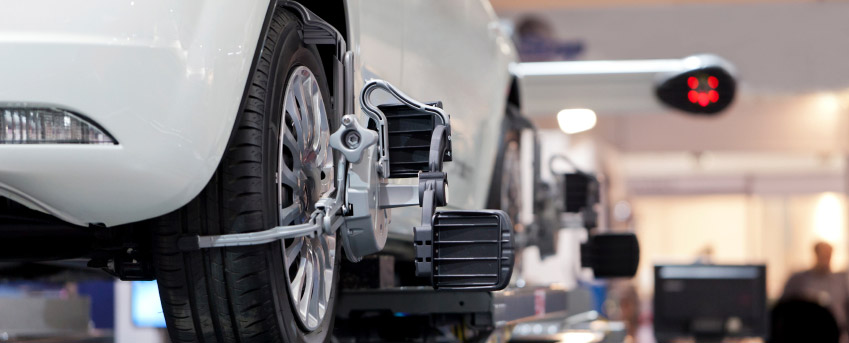
Credit: www.fordfranklin.com
How New Tires Affect Alignment
New tires can change how your car drives and wears down. Getting an alignment helps keep your tires lasting longer and your car running smooth. It’s a smart step after installing new tires.
New tires can change how your vehicle drives and handles. Tires wear down over time, affecting the car’s balance. When you put on new tires, the difference in tread and size can shift the car’s alignment.
Alignment means the angles of the wheels. These angles control how your car moves and how the tires touch the road. Even a small change in tire size or tread can change these angles.
New tires often have a different tread pattern and height. This can cause the wheels to sit differently. The car might pull to one side or feel uneven while driving. These signs mean the alignment might be off.
Why Alignment Matters After New Tires
Proper alignment ensures tires wear evenly. Uneven wear shortens tire life and can cause unsafe driving. Good alignment also improves fuel efficiency and handling. It keeps your car stable and easier to control.
Without alignment, new tires may wear out quickly. This means you spend more money replacing tires sooner. It can also lead to poor fuel economy and a bumpy ride.
Signs You Need An Alignment After Installing New Tires
Your car pulls to one side while driving. The steering wheel is off-center when driving straight. You feel vibration or shaking in the steering wheel. Tires show uneven tread wear after a short time. These signs suggest misalignment.
Getting an alignment after new tires fixes these problems. It helps the tires work correctly with the suspension. This keeps your car safe and comfortable.
Signs You Need An Alignment
Getting an alignment is important for your vehicle’s health. It ensures your tires wear evenly and your car drives smoothly. Sometimes, you may not know your car needs an alignment until signs appear. Recognizing these signs early saves money and keeps you safe on the road.
Uneven Tire Wear
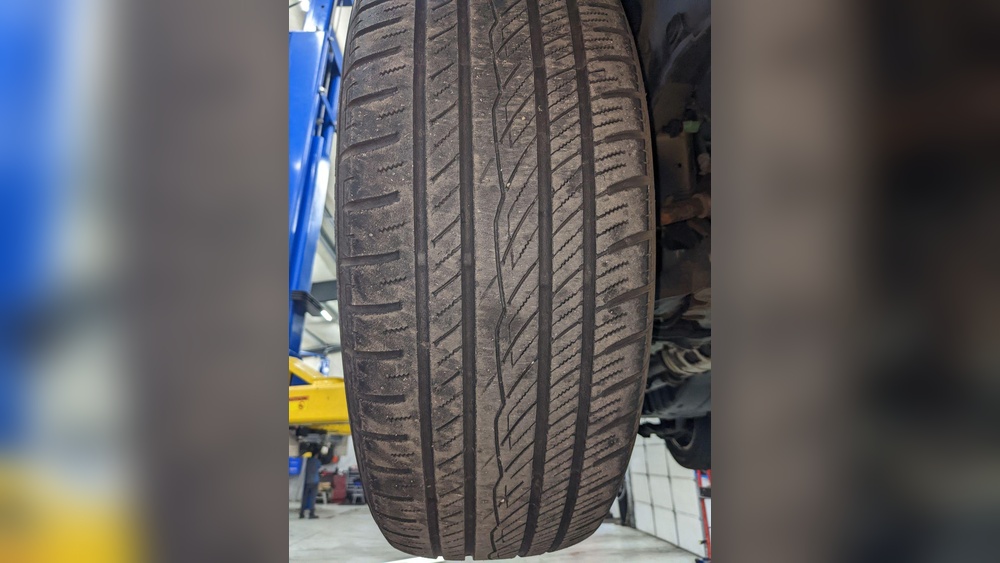
Look at your tires closely. If the tread wears more on one side than the other, your alignment is off. Uneven wear means the tires do not contact the road properly. This reduces tire life and affects driving safety.
Steering Wheel Pulls To One Side
Notice if your steering wheel pulls left or right while driving straight. The car should go straight without constant correction. Pulling to one side shows the wheels are not aligned correctly. This can cause driver fatigue and unsafe handling.
Steering Wheel Is Off-center
Your steering wheel should be centered when driving straight. If it is tilted or crooked, the alignment may be wrong. A crooked steering wheel can make driving uncomfortable and harder to control your car.
Vibrations In The Steering Wheel
Feel vibrations through the steering wheel during driving? Misaligned wheels can cause this shaking. Vibrations can also signal other problems but often mean an alignment check is needed. Ignoring it can lead to bigger vehicle damage.
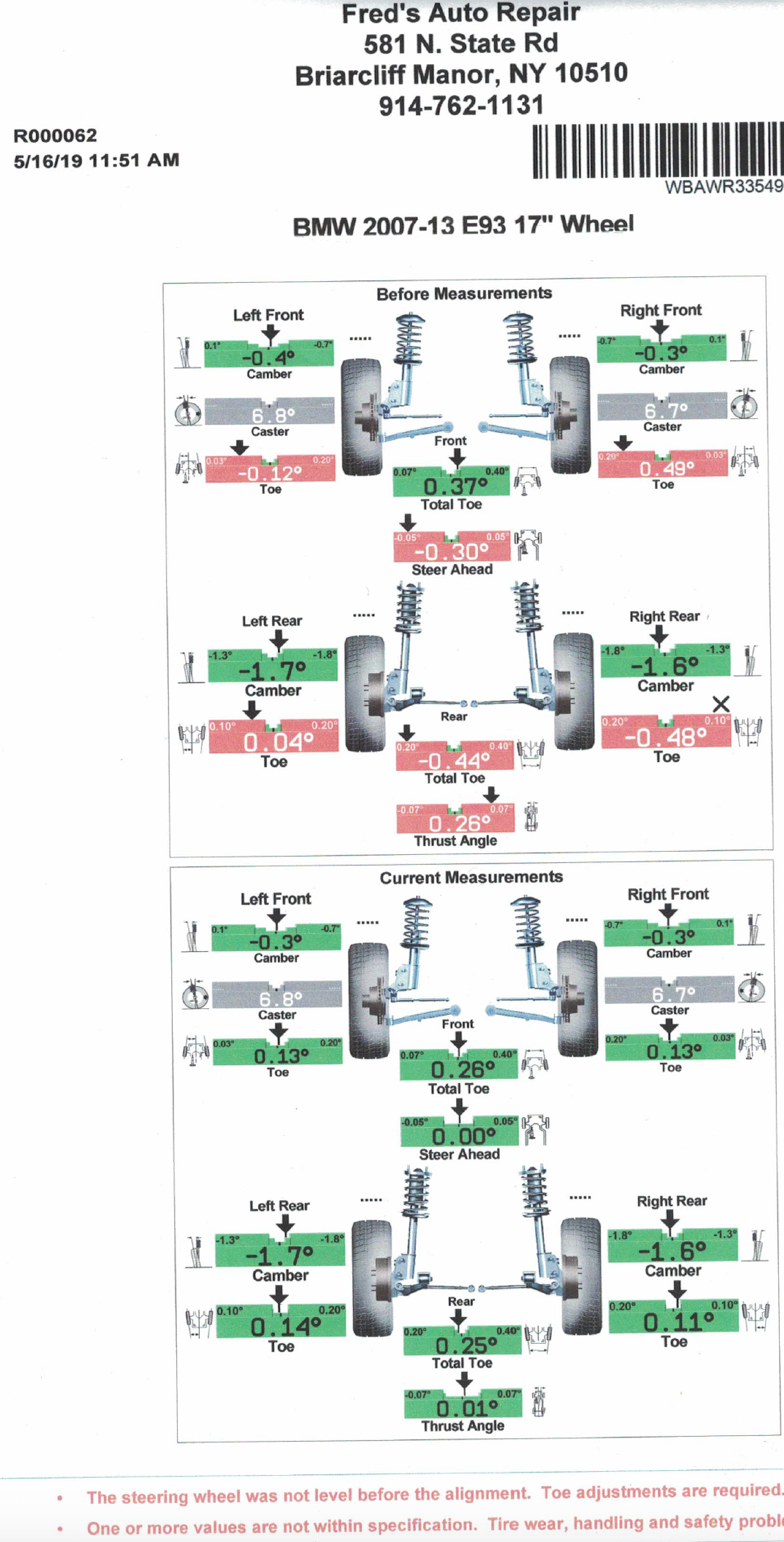
Credit: fredsautorepair.com
Benefits Of Aligning With New Tires
Getting new tires is a smart step for your car’s safety and performance. Aligning your wheels at the same time keeps everything working well. It helps your tires last longer and keeps your car driving straight and smooth.
Alignment adjusts the angles of your wheels. This makes sure they point in the right direction. Without alignment, new tires can wear out unevenly and fast. This means more money spent replacing tires sooner.
Improved Tire Life
Proper alignment spreads the wear on your tires evenly. It stops one side from wearing out faster than the other. This means your new tires stay good for a longer time. You save money by avoiding early tire replacements.
Smoother Driving Experience
Aligned wheels help your car drive straight without pulling. Your steering feels steady and balanced. This reduces driver fatigue and makes trips more comfortable. The car handles corners and bumps better too.
Better Fuel Efficiency
Misaligned wheels cause extra drag on the road. This makes your engine work harder and use more fuel. With alignment, your car rolls easily. You get better gas mileage and save money at the pump.
Increased Safety
Proper alignment improves your car’s control. It helps your tires grip the road well in all conditions. You can brake and steer more effectively. This lowers the chance of accidents and keeps you safe.
Risks Of Skipping Alignment
Skipping an alignment after getting new tires can cause many problems. The car might not drive straight or handle well. These issues can cost more money later and make driving unsafe.
Proper alignment keeps your tires wearing evenly. Without it, tires wear out fast and unevenly. This shortens the life of your new tires.
Uneven Tire Wear
Misaligned wheels cause tires to wear unevenly. The edges may wear faster than the center. This reduces tire life and forces early replacement.
Poor Vehicle Handling
Skipping alignment can make steering feel off. The car may pull to one side. This makes driving harder and less safe on the road.
Increased Fuel Consumption
Misalignment makes the engine work harder. Tires drag more, using extra fuel. This leads to higher fuel costs over time.
Damage To Suspension Components
Bad alignment puts stress on suspension parts. This causes premature wear and damage. Repairing suspension is expensive and avoidable.
Cost And Timing Of Alignments
Understanding the cost and timing of wheel alignments helps you make smart decisions. Alignments keep your tires wearing evenly and improve driving safety. Knowing when to schedule one and what it costs is important.
Costs vary by location and vehicle type. Basic alignments usually cost between $50 and $100. More complex vehicles or 4-wheel alignments may cost more. Some shops offer packages with new tires, which can save money.
Timing matters for tire health and vehicle control. Ideally, get an alignment checked every 6,000 miles or at least once a year. It is smart to get an alignment right after installing new tires. This ensures the tires wear evenly from the start.
How Often Should You Get An Alignment?
Regular checks prevent uneven tire wear and poor handling. Rough roads and potholes can throw off alignment. Watch for signs like steering pulling or uneven tire wear. These mean it’s time to visit a mechanic.
Can You Delay An Alignment?
Delaying can cause faster tire wear and reduce fuel efficiency. It also affects driving safety by causing poor handling. Small misalignments can become bigger problems if ignored. Fixing issues early saves money in the long run.
Is Alignment Included With New Tires?
Some tire shops include alignment with new tire purchases. This depends on the store’s policy or promotions. Always ask before buying tires. Getting an alignment with new tires maximizes their lifespan and performance.

Credit: www.reddit.com
Frequently Asked Questions
Should I Get An Alignment With New Tires?
Getting an alignment with new tires helps them wear evenly. It improves driving safety and tire life. Skipping alignment can cause uneven wear and handling issues.
How Does Alignment Affect New Tire Performance?
Proper alignment keeps tires balanced and tracks straight. This makes driving smoother and tires last longer. Misalignment causes pulling, vibration, and faster tire damage.
Can I Skip Alignment When Buying New Tires?
Skipping alignment can lead to poor tire wear and unsafe driving. It’s best to align wheels after new tire installation. This ensures better control and saves money on early tire replacement.
How Often Should I Check Alignment After New Tires?
Check alignment every 6,000 to 10,000 miles or yearly. If the car pulls or tires wear unevenly, get alignment checked sooner. Regular checks keep tires in good shape.
What Signs Show I Need Alignment With New Tires?
Look for steering wheel vibration, pulling to one side, or uneven tire wear. These signs mean your wheels are out of alignment. Fixing it early protects your new tires.
Conclusion
Getting an alignment after buying new tires helps your car drive straight. It makes tires wear evenly and last longer. You save money by avoiding early tire replacement. Alignments also improve safety by keeping your car stable. Skipping alignment can cause steering problems and uneven tire wear.
Taking a little time for alignment protects your investment and keeps driving smooth. It’s a smart step to enjoy your new tires fully.