How to Fix Check Engine Light After Driving Through Water: Quick Fixes
You just drove through a flooded street, and now your check engine light is on. It’s frustrating and a little scary, right?
You might be wondering if your car is seriously damaged or if it’s something simple you can fix yourself. Don’t panic. This guide will walk you through exactly what to do when the check engine light comes on after driving through water.
By the end, you’ll know how to handle the situation confidently and avoid costly repairs. Keep reading to protect your car and your peace of mind.
Credit: www.capitalone.com
Common Causes After Water Exposure
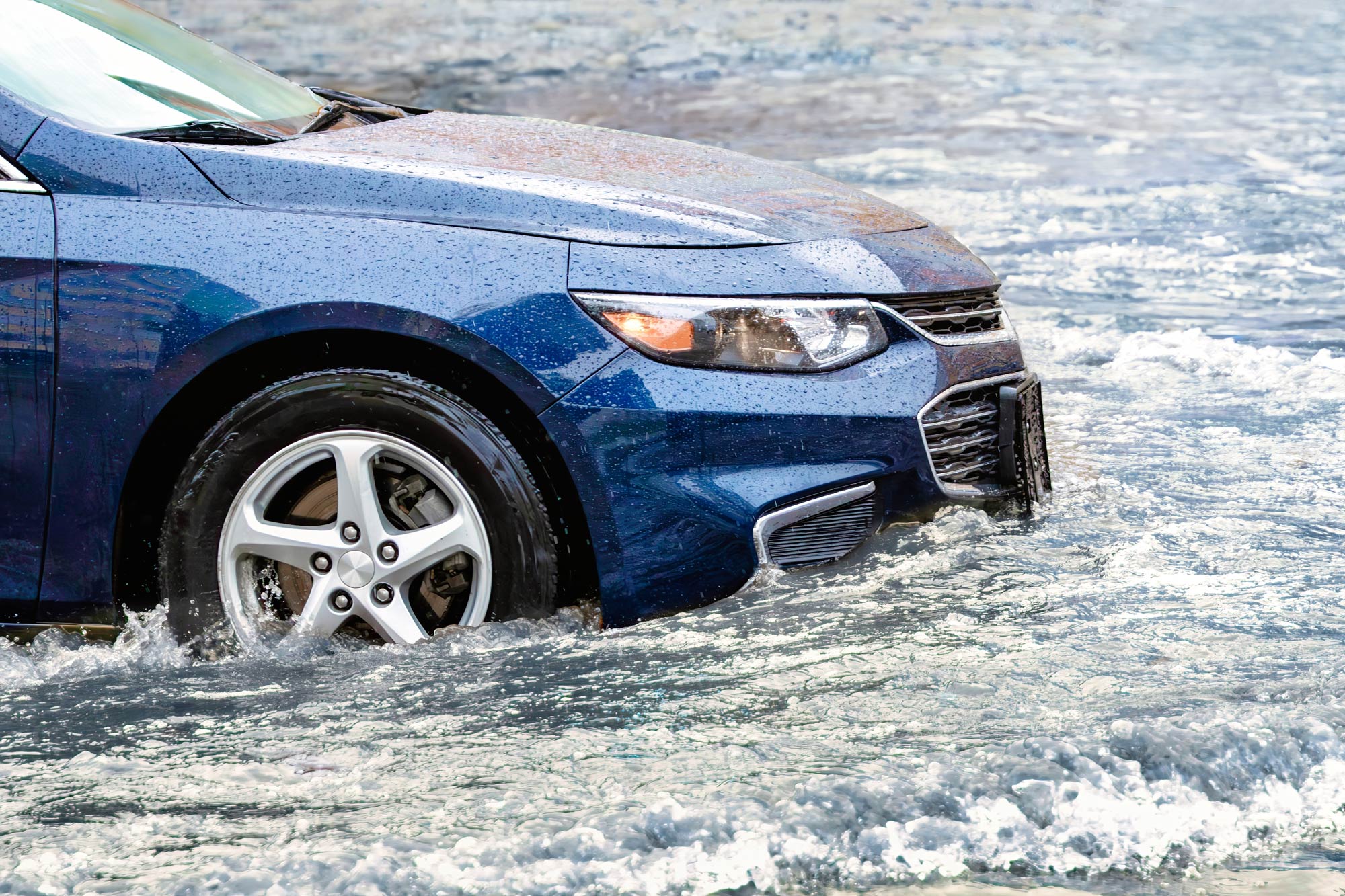
Driving through water can cause damage to your car. The check engine light often comes on after this. Water can affect many parts of your vehicle. Knowing common causes helps you fix the problem faster.
Water Damage To Sensors
Sensors in your car detect important information. Water can cause these sensors to fail. A wet sensor sends wrong signals to the engine control unit. This triggers the check engine light. Common sensors affected include oxygen sensors and mass air flow sensors. Replacing damaged sensors often solves the issue.
Electrical System Issues
Water can short-circuit electrical parts. Connections may corrode after water exposure. This causes intermittent electrical problems. The check engine light may turn on due to faulty wiring. Electrical issues can affect ignition and fuel systems. Drying and inspecting wiring helps prevent further damage.
Fuel System Contamination
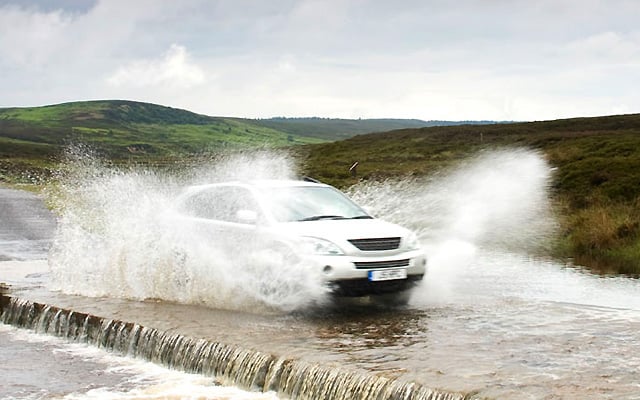
Water can enter the fuel tank during deep water driving. Contaminated fuel causes poor engine performance. The fuel pump and injectors may clog or fail. Water in the fuel triggers the check engine light. Draining and cleaning the fuel system is necessary to fix this.
Credit: www.theaa.com
Immediate Steps To Take
Driving through water can cause your check engine light to turn on. Acting fast can help prevent serious damage. Follow these immediate steps to protect your car and fix the issue quickly.
Inspect Under The Hood
Open the hood and look for any visible water or damage. Check for wet spots or puddles inside the engine bay. Look for loose wires or parts that may have shifted. Water can cause short circuits or corrosion. Remove any debris or mud you find.
Check Air Intake And Filter
Locate the air intake and remove the air filter. See if it is wet or dirty. A wet air filter can block airflow and cause engine trouble. Replace the filter if needed. Make sure the air intake tube is clear and dry. Water entering the engine can cause serious damage.
Dry Electrical Components
Focus on sensors, wiring, and connectors near the engine. Use a clean cloth to wipe off moisture. Avoid using water or sprays that may worsen the problem. Let the components air dry in a warm, dry place. This helps prevent electrical shorts and sensor errors.
Quick Fixes To Reset The Light
Driving through water can cause the check engine light to come on. Sometimes the light stays on even after the issue is fixed. Quick fixes can help reset the light and clear minor errors. These methods are easy and can save time and trips to the mechanic.
Disconnect And Reconnect The Battery
Start by turning off your car. Open the hood and find the battery. Use a wrench to disconnect the negative terminal. Wait for about 15 minutes. This step helps clear any stored errors in the system. Reconnect the negative terminal and tighten it. Turn on the car and check if the light is off.
Use An Obd-ii Scanner
An OBD-II scanner reads error codes from your car’s computer. Plug the scanner into the port under your dashboard. Turn on the ignition but do not start the engine. Follow the scanner’s instructions to read the codes. Use the tool to clear the codes and reset the light. This method is quick and gives information about the problem.
Drive To Clear The Code
Some check engine lights turn off after driving for a short time. Drive your car normally for 10 to 20 minutes. The system will run self-tests during the drive. If the problem is gone, the light should reset automatically. This method works when the issue is minor and fixed.
When To Seek Professional Help
Driving through water can cause problems under your car’s hood. Sometimes, the check engine light turns on. Deciding when to get help from a professional mechanic is important. Knowing the signs can save your car from serious damage.
Persistent Check Engine Light
If the check engine light stays on after driving through water, it shows a problem. The light may blink or stay solid. A steady light means the issue is ongoing. A blinking light signals a severe problem that needs urgent attention. Do not ignore the light. Persistent warning means a visit to the mechanic is needed.
Unusual Engine Performance
Notice if your engine runs rough or stalls. The car might hesitate or lose power. Strange noises or vibrations can also appear. These signs point to water damage inside the engine or sensors. Poor engine performance after wet conditions requires expert inspection. Mechanics can diagnose and fix hidden problems safely.
Safety Concerns
Water can affect brakes, electrical parts, and other vital systems. If you smell burning or see smoke, stop driving immediately. Safety risks increase with electrical shorts or brake failure. Professional help ensures these issues are handled properly. Never risk your safety by delaying repairs after water exposure.

Credit: www.youtube.com
Frequently Asked Questions
Why Does The Check Engine Light Come On After Water Driving?
Water can cause sensors to get wet or damaged. This triggers the engine light as a warning. It means the car needs checking.
How Can I Reset The Check Engine Light Safely?
Turn off the car and disconnect the battery for 15 minutes. This can reset the light if the issue is minor. Otherwise, use a scanner tool.
Can Driving Through Water Damage My Car’s Engine?
Yes, water can enter the engine or electrical parts. This may cause serious damage and affect performance. Always check the car after water exposure.
When Should I See A Mechanic For The Check Engine Light?
If the light stays on after resetting or the car runs poorly. Strange noises or smoke are signs to get help fast. A mechanic can find the exact problem.
Conclusion
Driving through water can cause your check engine light to come on. Act quickly to avoid bigger problems. First, check the air filter and engine for water damage. Dry or replace parts if needed. Clear the error codes with a scanner or let a mechanic help.
Regular car maintenance helps prevent these issues. Stay calm and follow these steps to fix your check engine light safely. Taking care early saves money and stress later. Your car will run smoothly again soon.