Do You Have to Replace Rotors When Replacing Brake Pads? Essential Guide
When it comes to keeping your car safe, the brakes are one of the most important parts to maintain. If you’re planning to replace your brake pads, you might be wondering: do you also need to replace the rotors?
It’s a question that can save you time, money, and headaches. You want to make sure your brakes work perfectly without spending more than necessary. You’ll discover exactly when replacing rotors is a must and when you can skip it.
Keep reading to make the smartest choice for your car and your wallet.
Credit: www.calibeys.com
When To Replace Rotors
Knowing when to replace rotors is key to safe driving. Rotors wear down with use and need checks at brake pad changes. Ignoring worn rotors can reduce braking power and cause damage. This section explains how to spot worn rotors, check their thickness, and understand their effect on brake performance.
Signs Of Worn Rotors
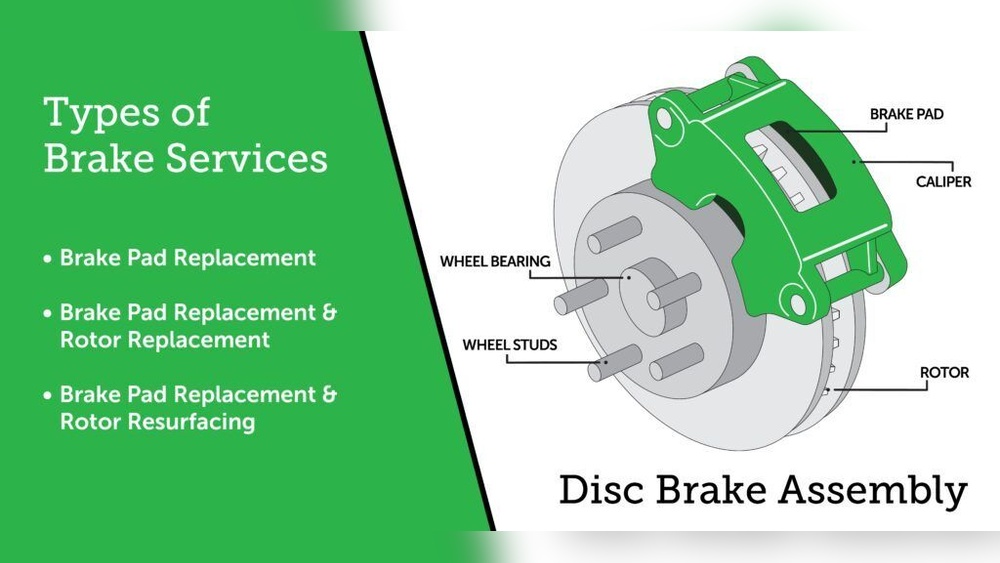
Rotors show wear in several ways. Look for vibrations in the brake pedal when stopping. Listen for squealing or grinding noises during braking. Notice any uneven or rough braking feeling. Visible grooves, cracks, or rust on the rotor surface also indicate wear. These signs mean the rotors may need replacement.
Rotor Thickness And Safety
Rotors have a minimum thickness for safety. This number is stamped on the rotor or found in your vehicle’s manual. Thin rotors heat up quickly and can warp or crack. Measuring rotor thickness with a micrometer ensures they meet safety limits. Replace rotors thinner than the minimum thickness to avoid brake failure.
Impact On Brake Performance
Worn rotors reduce braking efficiency. They cause uneven contact with brake pads, lowering stopping power. This leads to longer stopping distances and less control. New rotors provide a smooth surface, improving brake response and safety. Proper rotor condition ensures consistent, reliable braking every time.
Credit: www.advicsaftermarket.com
Rotor And Brake Pad Compatibility
Understanding rotor and brake pad compatibility is key to safe braking. The parts must work well together. Otherwise, braking performance can suffer. This section explains how rotors and pads match. It also covers common problems with mismatched parts.
New Pads On Old Rotors
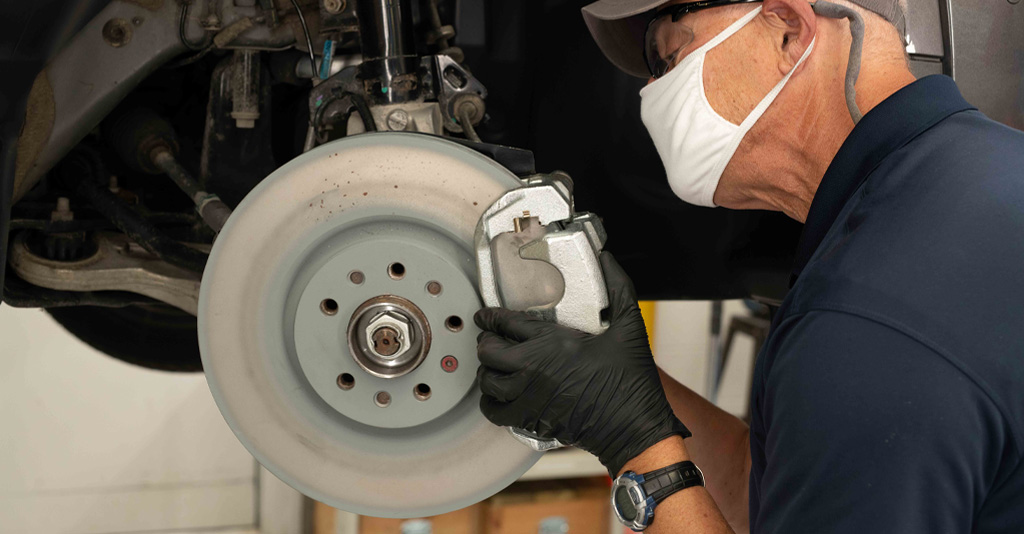
Installing new brake pads on old rotors is common. It can save money if the rotors are still in good shape. Check the rotor for deep grooves or warping before reuse. Smooth rotors help pads wear evenly and stop well. Rough or damaged rotors reduce braking power and cause noise.
Matching Rotor And Pad Materials
Brake pads come in different materials: ceramic, semi-metallic, and organic. Rotors also have variations, such as standard or drilled types. Using compatible materials boosts brake efficiency. Ceramic pads work well with smooth, standard rotors. Semi-metallic pads suit heavier use but may wear rotors faster. Choosing the right pair helps avoid quick wear and poor stopping.
Potential Issues With Mismatched Parts
Mismatched rotors and pads cause problems. Pads may wear unevenly or too fast. Rotors can develop grooves or cracks. Noise like squealing or grinding often appears. Braking distance can increase, risking safety. Avoid mixing types without checking compatibility. Proper pairing ensures smooth, quiet, and strong braking.
Cost And Time Considerations
Cost and time are important factors when replacing brake pads and rotors. Knowing what to expect helps you plan your budget and schedule. This section explains the expenses and time needed for rotor replacement. It also covers the long-term benefits that can save you money later.
Expense Of Rotor Replacement
Rotors usually cost more than brake pads. The price depends on the car make and model. Some rotors can be expensive, especially for luxury cars. Cheaper rotors might wear out faster. You must balance cost with quality for safety.
Labor Time Differences
Replacing rotors takes more time than changing brake pads alone. Mechanics need to remove and install rotors carefully. This process can add 30 to 60 minutes. More time means higher labor costs. Knowing this helps you avoid surprises at the shop.
Long-term Maintenance Benefits
New rotors improve braking performance and safety. They also reduce wear on new brake pads. This means you replace pads less often. Over time, this lowers your maintenance costs. Investing in rotors now can save money later.

Credit: www.youtube.com
Diy Vs Professional Replacement
Deciding between doing your brake rotor and pad replacement yourself or hiring a professional can be tricky. Both options have pros and cons. Understanding your skills, tools, and the job complexity helps you make the right choice.
Assessing Your Skill Level
Brake rotor replacement needs careful handling. Basic car repair knowledge helps a lot. If you feel comfortable with mechanical tasks, you might try it yourself. If not, the risk of mistakes rises. Mistakes can cause unsafe brakes or expensive damage.
Tools Needed For Rotor Replacement
You need several tools for rotor replacement. A jack and jack stands lift and hold the car. A lug wrench removes the wheels. A socket set and breaker bar help with bolts. You may also need a hammer or rotor puller for stuck rotors. Without these tools, the job is difficult or impossible.
When To Seek Professional Help
Choose a professional if you doubt your skills. Complex brake systems or rusted parts require experience. Professionals have the right tools and knowledge. They ensure the job is safe and done right. This saves time and avoids costly errors.
Frequently Asked Questions
Do Brake Rotors Always Need Replacement With Brake Pads?
Not always. Rotors need replacement if they are worn, warped, or damaged. Otherwise, they can be resurfaced and reused.
How To Know If Rotors Should Be Replaced?
Check for deep grooves, cracks, or uneven wear on rotors. A mechanic can measure rotor thickness to decide if replacement is needed.
Can Replacing Pads Without Rotors Cause Brake Problems?
Yes. Old rotors can reduce braking efficiency and cause noise or vibration. Replacing both ensures smooth and safe braking.
What Happens If Rotors Are Not Replaced When Needed?
Worn rotors can cause poor braking and increase stopping distance. This leads to unsafe driving and faster wear of new pads.
Conclusion
Replacing brake pads does not always mean you must replace rotors. Check the rotor’s condition first. If the rotor is smooth and thick enough, reuse it. Worn or damaged rotors need replacement to keep brakes safe. Proper brake care saves money and avoids accidents.
Always inspect both parts during brake service. This helps your car stop well and last longer. Remember, safe brakes protect you and others on the road.