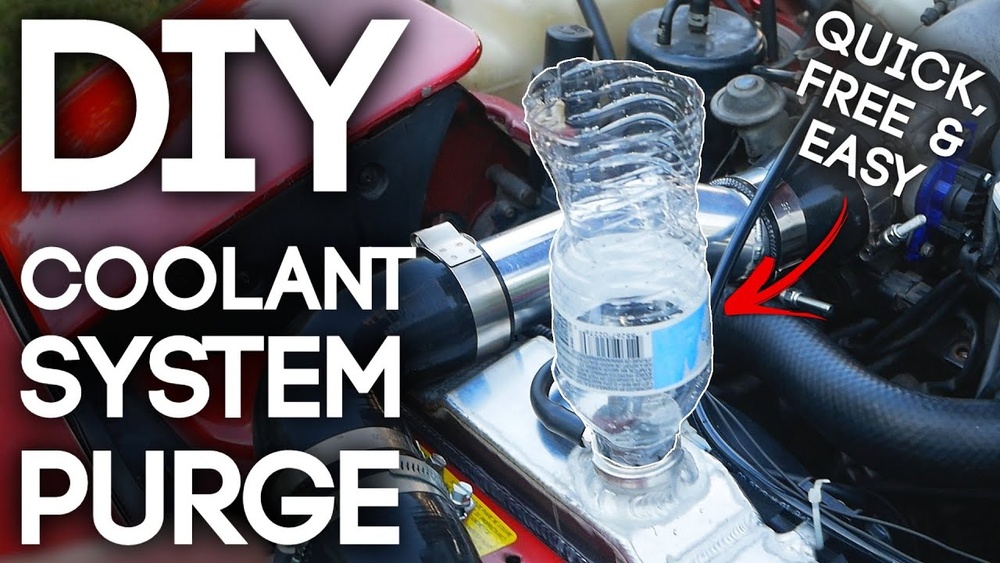
How to Bleed a Cooling System Without Bleeder Valve: Easy Steps
If you’ve ever tried to fix your car’s cooling system, you know how tricky it can be to get all the air out. Usually, a bleeder valve makes this job simple, but what if your vehicle doesn’t have one?
Don’t worry—you can still bleed your cooling system effectively. You’ll learn easy, step-by-step methods to remove trapped air without a bleeder valve. By the end, you’ll feel confident handling this task yourself, saving time and avoiding costly repairs. Keep reading to discover how to keep your engine cool and running smoothly.
Why Bleed A Cooling System
Air trapped in a cooling system can cause overheating and poor performance. Removing this air ensures the system runs smoothly and stays cool. Learn how to bleed the system safely without using a bleeder valve.
Bleeding a cooling system removes trapped air inside the system. Air pockets can block coolant flow. This causes the engine to overheat quickly. Overheating damages engine parts and lowers performance.
Without proper bleeding, the heater may not work well. Air in the cooling system stops hot coolant from circulating. This makes the cabin cold and uncomfortable.
Bleeding also prevents corrosion and rust. Air pockets cause hot spots and uneven cooling. Over time, this wears down metal components inside the system.
Regular bleeding keeps the cooling system efficient. It helps maintain the right engine temperature. A well-bleeded system improves fuel efficiency and lowers emissions.
Ignoring trapped air can lead to costly repairs. Simple bleeding avoids these problems and extends engine life.
Signs Of Air In The Cooling System
Air trapped in a cooling system can cause many problems. It stops the coolant from flowing properly. This makes the engine run hotter than it should. Recognizing the signs of air in the cooling system helps you fix the issue fast. Catching these signs early can save your engine from damage.
Unusual Engine Overheating
One common sign of air in the cooling system is the engine overheating. The coolant cannot move smoothly. Air pockets block the flow, reducing cooling efficiency. The engine temperature rises quickly, even on short drives.
Heater Not Working Properly
The car heater may blow cold air instead of warm. Air in the system stops hot coolant from reaching the heater core. This causes poor heating inside the vehicle cabin. It’s a clear sign of trapped air.
Coolant Level Drops Quickly
Air in the system can cause coolant leaks. The pressure may force coolant out of seals or hoses. You may notice the coolant level dropping fast. This needs immediate attention to avoid engine damage.
Gurgling Or Bubbling Noises
You might hear strange noises from the radiator or heater core. Gurgling or bubbling sounds show air moving inside the coolant passages. These sounds are a key indicator of air trapped inside.
Fluctuating Temperature Gauge
The temperature gauge might jump up and down. Air pockets cause inconsistent coolant flow. This results in the gauge showing sudden changes. It can confuse you about the real engine temperature.
Tools Needed For Bleeding Without Valve
Bleeding a cooling system without a bleeder valve needs the right tools. These tools help remove trapped air and avoid engine overheating. Using common tools can make the task easier and safer.
Gathering all necessary tools before starting saves time. Each tool has a specific role in the process. Understanding their use helps prevent mistakes.
Coolant Funnel Or Spill-free Funnel
A coolant funnel fits tightly on the radiator neck or reservoir. It allows adding coolant without spilling. This tool also helps keep the system full during bleeding.
Socket Wrench Or Ratchet Set
A socket wrench or ratchet set is essential for loosening radiator hoses or clamps. Some vehicles need hose removal to release trapped air. The right socket size avoids damage to bolts and clamps.
Plastic Tubing Or Clear Hose
Plastic tubing helps direct coolant flow and air bubbles out of the system. Clear hoses let you see trapped air escaping. This simple tool prevents messes and controls coolant flow during bleeding.
Catch Container
A catch container collects old coolant and air bubbles safely. It stops spills on the floor or engine parts. Use a container large enough to hold fluid from the system.
Protective Gloves And Safety Glasses
Protective gloves and safety glasses guard against hot coolant and chemicals. Cooling systems can be hot and pressurized. Safety gear reduces risk of burns and eye injuries.
Hand Pump Or Squeeze Bulb (optional)
A hand pump or squeeze bulb helps push coolant through the system. It can speed up air removal without a bleeder valve. This tool is useful when gravity alone does not work.

Credit: www.youtube.com
Step-by-step Bleeding Process
Bleeding a cooling system without a bleeder valve can be straightforward. Following clear steps helps remove trapped air effectively. This process ensures your engine stays cool and runs smoothly.
Prepare The Vehicle
Park your vehicle on a flat surface. Turn off the engine and let it cool completely. Open the hood and locate the radiator cap. Gather gloves, a funnel, and coolant for safety and ease.
Lift The Front End
Raise the front of the vehicle using a jack and secure it with stands. This position helps air bubbles move upwards. Never work under a car without proper support.
Fill The Radiator
Remove the radiator cap carefully. Pour coolant slowly into the radiator until full. Avoid overfilling to prevent spills and pressure issues.
Start The Engine And Monitor
Turn on the engine and let it run with the heater on high. Watch the temperature gauge closely. Look for coolant movement in the radiator neck or overflow tank.
Squeeze The Radiator Hoses
Carefully squeeze the upper and lower radiator hoses. This helps release trapped air inside the system. Do this gently to avoid burns from hot coolant.
Repeat Filling And Squeezing
Turn off the engine and wait for it to cool. Check the radiator level and add coolant if needed. Repeat squeezing the hoses and filling until no air bubbles appear.
Common Mistakes To Avoid
Bleeding a cooling system without a bleeder valve can be tricky. Many people make mistakes that slow down the process or cause more problems. Avoiding these common errors helps the system work properly. It also keeps the engine safe from overheating.
Not Running The Engine Long Enough
Some stop the engine too soon. Air pockets stay trapped inside. The coolant cannot flow well. Always run the engine until it reaches normal temperature. This helps push out trapped air.
Skipping The Radiator Cap Removal
Not removing the radiator cap causes air to stay trapped. Remove the cap carefully while the engine is cool. This lets air escape and coolant fill the system fully.
Using The Wrong Coolant Mixture
Too much water or coolant hurts the system. Use the right mix as the car manual says. The proper mix helps prevent air bubbles and protects the engine.
Ignoring The Heater Core
Forgetting the heater core can leave air inside. Turn the heater on full heat during bleeding. This opens the heater core and lets air escape.
Not Topping Off Coolant After Bleeding
Coolant level drops after bleeding. If not topped off, air can return. Always check and fill coolant to the correct level after bleeding finishes.

Credit: www.reddit.com
Tips For Maintaining A Healthy Cooling System
Maintaining a healthy cooling system helps your engine run smoothly. It prevents overheating and costly repairs. Simple steps keep the system working well and extend its life.
Regular care protects your vehicle and improves safety. Small habits make a big difference over time.
Check Coolant Levels Regularly
Low coolant levels cause overheating and damage. Check the coolant reservoir once a month. Top up with the correct coolant type if needed. Avoid using plain water, as it can harm the engine.
Inspect Hoses And Connections
Look for cracks, leaks, or loose clamps on hoses. Replace worn hoses quickly to avoid leaks. Tighten any loose connections to keep coolant flowing properly.
Flush The Cooling System Periodically
Old coolant loses effectiveness and can clog the system. Flush the cooling system every 2 years or 30,000 miles. Use fresh coolant to keep the system clean and efficient.
Monitor Engine Temperature Gauge
Watch the temperature gauge on your dashboard. If it rises above normal, stop driving and check the system. Early attention prevents major engine problems.
Use The Right Coolant Mixture
Mix coolant and water properly, usually 50/50. This mix protects against freezing and boiling. Follow your vehicle’s manual for the best ratio.
Credit: www.extremeterrain.com
Frequently Asked Questions
How Do I Bleed A Cooling System Without A Bleeder Valve?
To bleed without a valve, fill the radiator and run the engine with the cap off. Watch for air bubbles and add coolant as needed. This helps trapped air escape naturally.
Why Is Bleeding The Cooling System Important?
Bleeding removes trapped air that can cause overheating and poor heater performance. Air pockets block coolant flow, leading to engine damage. Proper bleeding ensures smooth cooling.
Can I Drive Immediately After Bleeding The Cooling System?
No, let the engine reach normal temperature first. This helps any trapped air rise and escape. Check coolant levels again before driving.
What Tools Do I Need To Bleed A Cooling System Without A Valve?
You only need a coolant container and a funnel to refill the system. No special tools are required for this process. Just patience and careful observation.
How Long Does It Take To Bleed A Cooling System Without A Bleeder Valve?
It usually takes 15 to 30 minutes to complete the process. Running the engine and topping off coolant may need repeating. Watch for no more bubbles before finishing.
Conclusion
Bleeding a cooling system without a bleeder valve is simple and doable. Follow the steps carefully to remove trapped air. Keep the engine cool and check coolant levels often. This process helps your vehicle run smoothly and avoid overheating. Regular maintenance keeps your cooling system healthy.
Take your time and stay safe while working. Clear coolant flow means better engine performance and longer life. Don’t rush; a little patience goes a long way.