How Do You Know If Your Catalytic Converter is Bad: Key Signs Revealed
Have you noticed your car isn’t running as smoothly as before? Or maybe your fuel efficiency has dropped, and strange smells are coming from your exhaust?
These could be signs that your catalytic converter is failing. But how do you know for sure if your catalytic converter is bad? Understanding the warning signs can save you from costly repairs and keep your vehicle running safely. You’ll learn the key symptoms to watch for and simple ways to check if your catalytic converter needs attention.
Keep reading to protect your car and your wallet.
Credit: www.youtube.com
Common Symptoms Of A Failing Catalytic Converter
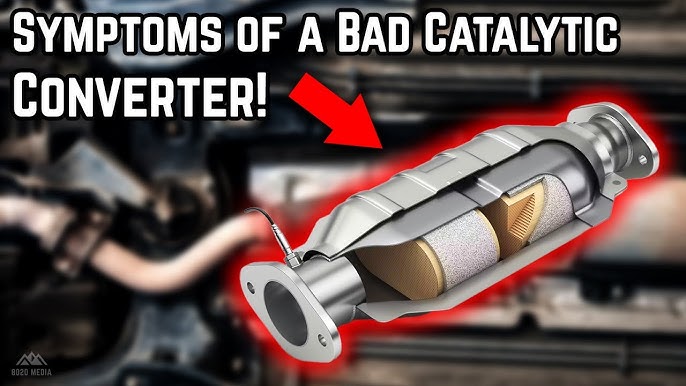
The catalytic converter plays an important role in reducing harmful emissions from your car. When it starts to fail, your vehicle will show certain signs. Recognizing these signs early can help prevent bigger problems and costly repairs.
Here are some common symptoms that point to a failing catalytic converter.
Engine Performance Issues
A bad catalytic converter can cause your engine to lose power. You might notice slow acceleration or trouble climbing hills. The engine may also run rough or stall. These problems happen because exhaust gases can’t flow properly through the converter.
Unusual Exhaust Smells
A failing catalytic converter often causes strange smells from the exhaust. You may detect a rotten egg or sulfur-like odor. This smell comes from unprocessed gases escaping the system. It is a clear sign that the converter is not working correctly.
Check Engine Light Activation
The check engine light can turn on for many reasons. A failing catalytic converter is a common cause. The car’s computer monitors the converter’s performance and will trigger the light if it detects a problem. Never ignore this warning; it means your car needs attention.
Physical Signs To Inspect
Physical signs help spot a bad catalytic converter fast. Checking for these signs saves time and money. Simple inspections can reveal problems early. Here are two main physical signs to check.
Visible Damage Or Rust
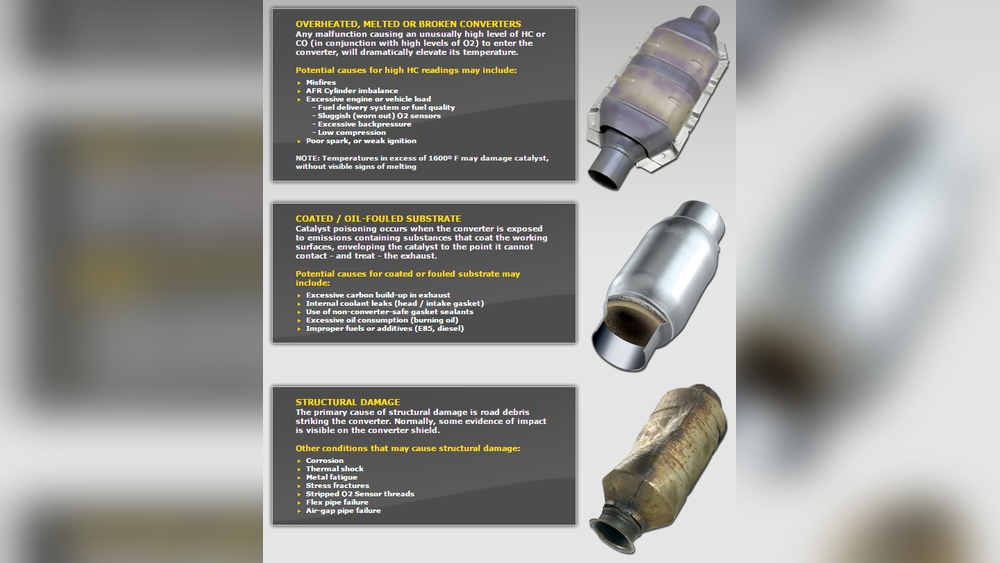
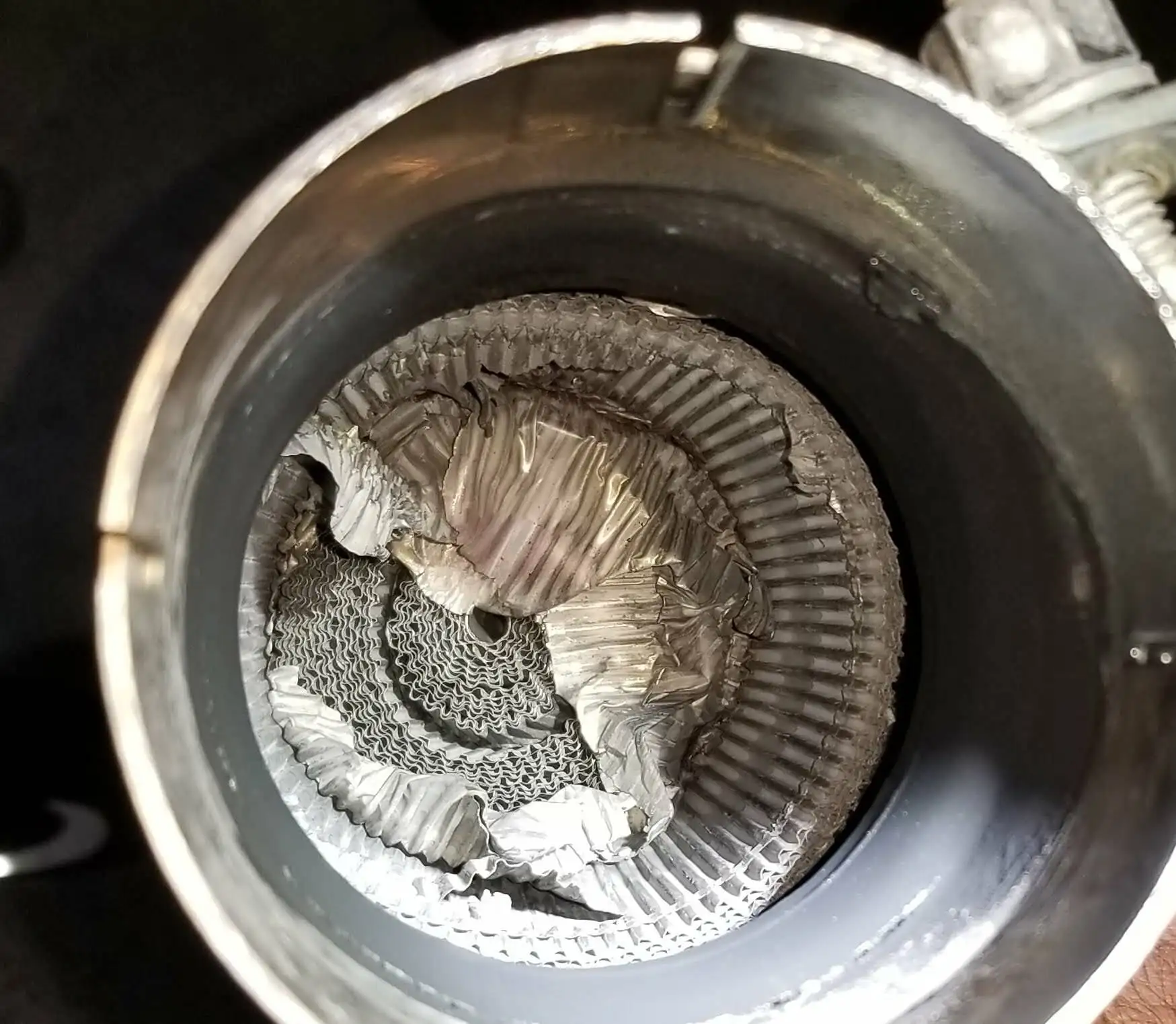
Look under your car for any visible damage. Cracks or dents on the converter show trouble. Rust patches weaken the metal. Rust can cause holes and leaks. A damaged converter can reduce engine performance. Early detection prevents bigger repairs later.
Rattling Noises From Underneath
Listen for rattling sounds when the car runs. Loose parts inside the converter create noise. Rattling means the internal structure is breaking down. This noise usually gets louder over time. It signals that the converter needs attention. Ignoring the noise can lead to failure.
Impact On Vehicle Emissions
The catalytic converter plays a key role in reducing harmful emissions from your car. It changes toxic gases into less harmful substances before they leave the exhaust. When the catalytic converter fails, emissions rise. This causes problems for the environment and your vehicle.
Failed Emissions Tests
A bad catalytic converter often leads to failed emissions tests. These tests check if your car meets pollution standards. High levels of harmful gases signal a problem. Without a working converter, your car cannot pass these tests. This may cause fines or prevent vehicle registration.
Increased Pollution Levels
A damaged catalytic converter lets more pollutants escape into the air. These include carbon monoxide, nitrogen oxides, and hydrocarbons. These gases harm the environment and human health. More pollution means dirtier air and increased health risks. Keeping your catalytic converter in good shape helps reduce pollution.
Effects On Fuel Efficiency
The catalytic converter plays a key role in your car’s engine system. It helps reduce harmful emissions and ensures the engine runs smoothly. When the catalytic converter starts to fail, it can affect how your car uses fuel. Changes in fuel efficiency often signal that the catalytic converter might be bad.
Poor fuel efficiency means your car uses more gas than usual. This waste leads to more trips to the pump and higher expenses. Watching for these signs can help you catch problems early before they get worse.
Decreased Gas Mileage
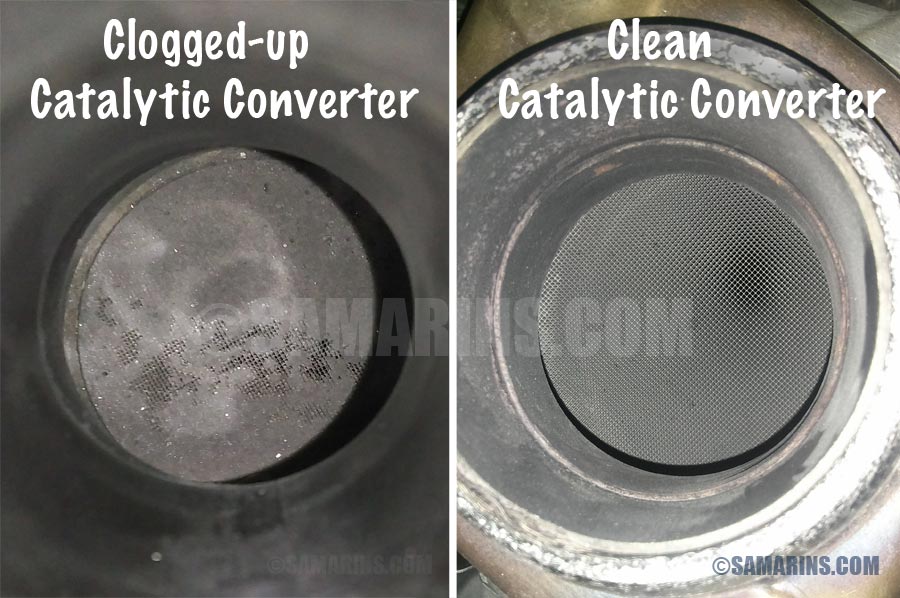
One common sign of a bad catalytic converter is decreased gas mileage. Your car may not travel as far on a full tank as it used to. The engine struggles to burn fuel efficiently. This happens because a clogged converter blocks exhaust flow. The engine works harder and uses more fuel to compensate. You may notice your car needs gas more often than before.
Fuel Consumption Patterns
Fuel consumption patterns also change with a failing catalytic converter. The engine may run rough or stall at times. Sometimes, you might see a sudden drop in miles per gallon. These changes can happen slowly or suddenly. Pay attention to how your car behaves during different drives. Strange fuel use is a strong hint that the catalytic converter needs inspection.
Diagnostic Methods To Confirm Issues
Identifying a bad catalytic converter needs more than just noticing symptoms. Diagnostic methods help confirm if the converter really has a problem. These methods give clear information about its condition. They prevent guesswork and unnecessary repairs.
Two main ways to diagnose issues include using OBD-II scanners and professional inspections. Both methods offer accurate results. They help decide the next steps for repair or replacement.
Using Obd-ii Scanners
OBD-II scanners check your vehicle’s computer system. They read error codes related to the engine and emissions system. Codes like P0420 often indicate catalytic converter trouble. The scanner plugs into the car’s port under the dashboard. It quickly shows if the converter is working properly.
This tool is affordable and easy to use. It gives instant feedback about emission problems. For many car owners, an OBD-II scanner is the first step in diagnosis. It helps avoid unnecessary visits to the mechanic.
Professional Inspection Techniques
Mechanics use special tools to test the catalytic converter. They measure the temperature before and after the converter. A big difference in temperature shows the converter is working. They also check the exhaust flow and look for blockages.
Professionals can perform a gas analysis test. This measures harmful gases in the exhaust. High levels suggest the converter is failing. These tests give a full picture of the converter’s health. A professional check is best for accurate diagnosis and safety.
Credit: www.samarins.com
Preventive Measures And Maintenance Tips
Taking care of your catalytic converter can save you money and prevent car trouble. Simple steps can keep it working well for a long time. Following these tips helps avoid damage and keeps your car running clean.
Regular Vehicle Tune-ups
Regular tune-ups help spot problems early. Mechanics check the engine and exhaust system during these visits. Fixing small issues stops damage to the catalytic converter. Scheduled maintenance keeps your car efficient and safe.
Avoiding Contaminants And Damage
Fuel quality affects the catalytic converter’s health. Use clean, high-quality fuel to avoid harmful deposits. Avoid driving through deep water or rough terrain that can harm the exhaust system. Keep your car’s engine in good shape to prevent harmful chemicals from reaching the converter.
Credit: comtires.com
Frequently Asked Questions
What Are The Common Signs Of A Bad Catalytic Converter?
A bad catalytic converter can cause poor engine performance and reduced fuel efficiency. You may notice a sulfur smell or the check engine light turning on.
How Does A Bad Catalytic Converter Affect Car Performance?
It can cause your car to run rough, stall, or lose power during acceleration. The engine may also misfire or hesitate.
Can A Bad Catalytic Converter Cause The Check Engine Light?
Yes, a faulty catalytic converter often triggers the check engine light. Diagnostic trouble codes help identify the specific issue.
How Do You Test If A Catalytic Converter Is Failing?
Mechanics use an O2 sensor or temperature test before and after the converter. This helps measure its efficiency in cleaning exhaust gases.
What Happens If A Bad Catalytic Converter Is Not Fixed?
Ignoring it can lead to poor fuel economy, engine damage, and increased pollution. It may also cause your car to fail emissions tests.
Conclusion
A bad catalytic converter can cause poor engine performance and higher emissions. Watch for warning signs like rough idling, reduced power, or a check engine light. Early detection helps avoid costly repairs and keeps your car running smoothly. Regular maintenance and timely checks make a big difference.
Stay alert to any changes in your vehicle’s behavior. Taking action soon protects the environment and your wallet. Don’t ignore these signs; your car needs attention to stay healthy.