Can You Pass Inspection With Check Engine Light On? Essential Facts
You’re driving up to your car inspection, and that dreaded check engine light is glowing on your dashboard. You might be wondering, “Can I still pass the inspection with this light on?” It’s a question that can cause a lot of stress and uncertainty.
The answer isn’t always simple, but understanding what that light means and how inspections work can save you time, money, and headaches. Keep reading to find out exactly what you need to know to get through your inspection with confidence—even if your check engine light is on.

Credit: www.youtube.com
Check Engine Light Basics
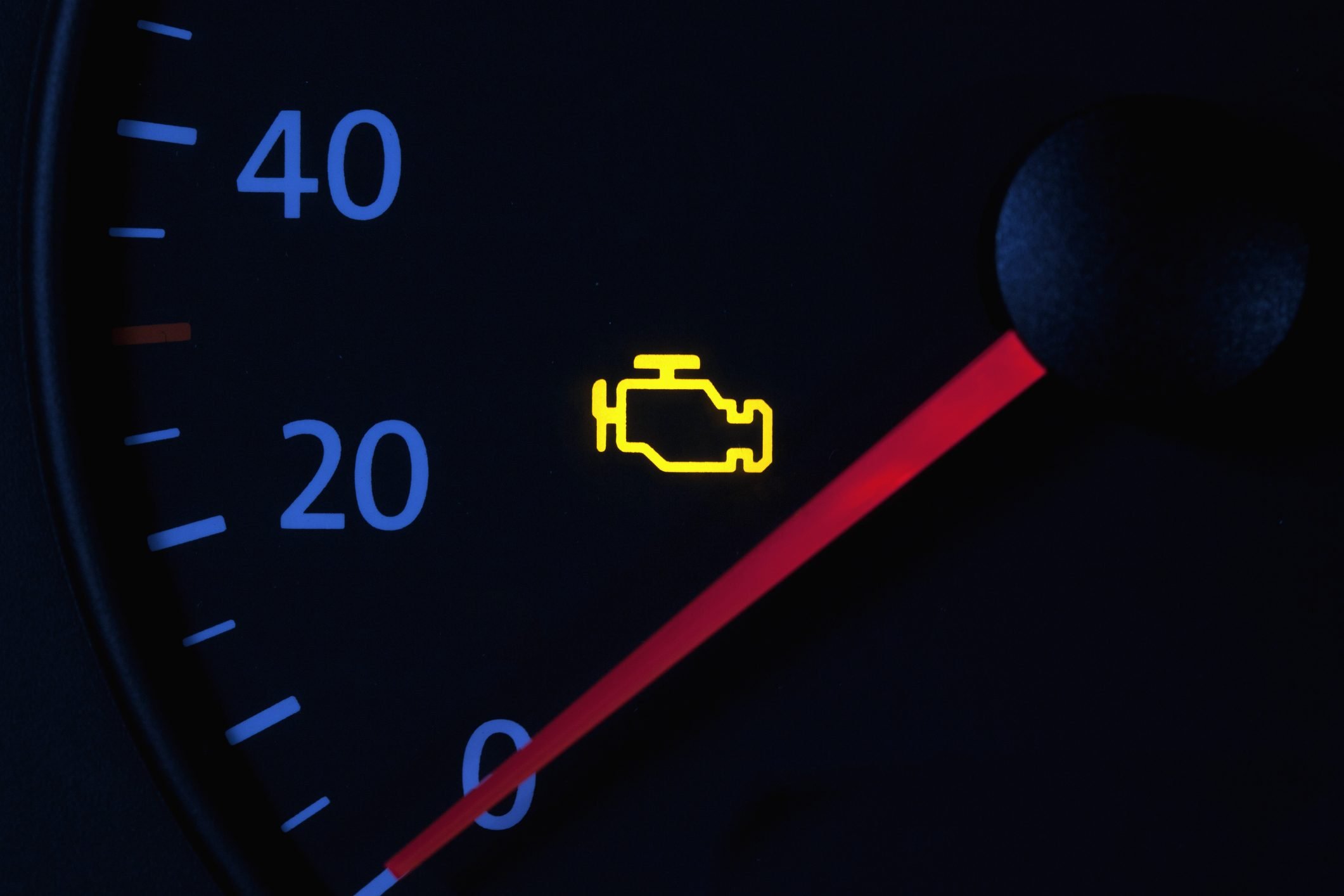
The check engine light is a small but important warning on your dashboard. It tells you that something in your car’s engine needs attention. This light can turn on for many reasons. Some are simple, while others need a mechanic’s help right away. Understanding this light helps you decide what to do next.
Knowing the basics of the check engine light helps you avoid bigger problems. It also affects whether your car passes an inspection. Let’s explore what causes this light to come on and the types of engine issues it may indicate.
What Triggers The Light
The check engine light triggers when the car’s computer finds a problem. Sensors in the engine send signals to this computer. If something is wrong, the light turns on. Common triggers include a loose gas cap, bad oxygen sensor, or engine misfire. Sometimes, the light blinks. That means a serious problem needs quick attention.
Types Of Engine Issues
Engine issues can be simple or complex. A loose gas cap is easy to fix and often stops the light. Problems like a failing catalytic converter or spark plug issues are more serious. They can lower your car’s performance. Some issues affect emissions and can cause inspection failure. Knowing the type of problem helps you decide on repairs and pass inspections.

Credit: girlingtongarage.com
Inspection Standards And Requirements
Understanding inspection standards and requirements is key before taking your car for a check. These rules ensure vehicles meet safety and environmental guidelines. The check engine light often plays a big role in these inspections. Knowing what inspectors look for helps you prepare your vehicle well.
Emission Test Criteria
Emission tests check the pollution coming from your car’s exhaust. The check engine light signals possible engine or emission system problems. Many states will fail a vehicle if this light stays on during the test. The light often means your car emits more pollutants than allowed. Some inspections also scan the car’s computer for trouble codes. Passing means your car meets clean air standards set by law.
State-by-state Variations
Each state sets its own vehicle inspection rules. Some states require strict emission tests. Others focus more on safety features. The check engine light’s role changes from state to state. In some places, a light on means automatic failure. In others, minor issues might be allowed. Always check your local rules before inspection day. This helps avoid surprises and extra repair costs.
Impact Of Check Engine Light On Inspections
The check engine light plays a big role during vehicle inspections. It signals issues with the engine or emissions system. Inspectors use this light to decide if a car meets safety and environmental rules.
A glowing check engine light often means the car has a problem that needs fixing. It can lead to a failed inspection, stopping the vehicle from being legally driven until repaired. The light helps catch hidden issues early.
When The Light Causes Failure
A check engine light that stays on usually causes inspection failure. It shows the car has an active fault. This fault might affect emissions or engine performance. Inspectors see this as a risk to the environment or safety.
Even if the car runs fine, the light can still cause a fail. The system must be free of errors to pass. The light means the car is not ready for the road legally.
Exceptions And Special Cases
Some states allow passing if the light blinks or turns off during the test. This means the problem is intermittent or minor. A newly reset light might not cause failure either.
Cars with recent repairs may pass if no new codes appear. Also, older vehicles might have different rules for check engine lights. Knowing local inspection laws helps avoid surprises.
Diagnosing Check Engine Light Issues
The check engine light can cause stress before a vehicle inspection. It signals that the car’s computer found a problem. Diagnosing these issues helps understand if the car can pass inspection. The light itself does not always mean a serious problem. It could be a small issue that is easy to fix.
Knowing how to read the codes behind the light is important. This helps find the exact problem quickly. Tools and knowledge make this process easier. Let’s explore how to diagnose check engine light issues step by step.
Using Obd-ii Scanners
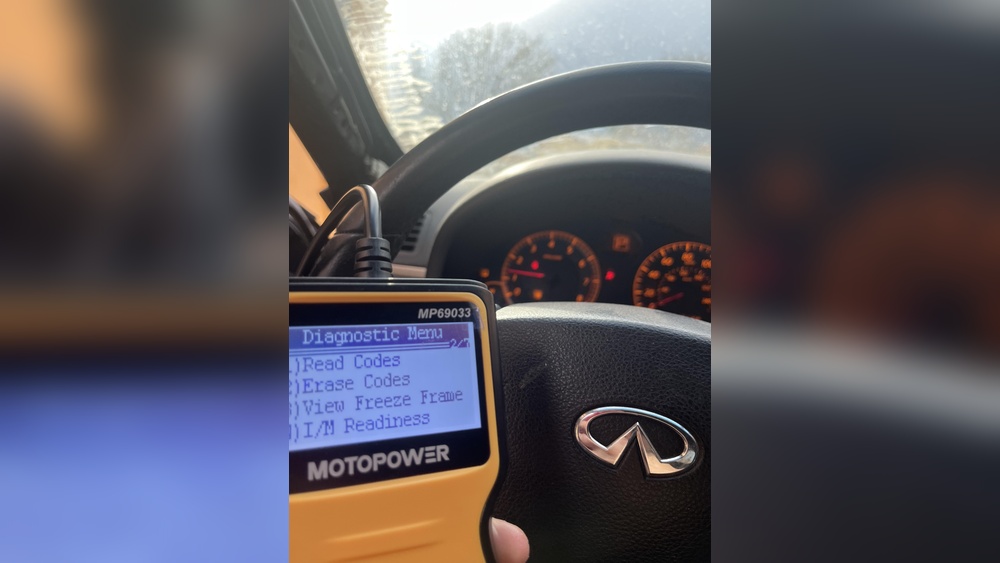
OBD-II scanners read trouble codes stored in the car’s computer. Most cars made after 1996 have this system. The scanner plugs into a port usually under the dashboard. It shows codes that explain what triggered the check engine light.
Some scanners connect to a smartphone app. This makes reading codes simple and fast. Basic scanners are affordable and easy to use. They help avoid guesswork and unnecessary repairs. Knowing the exact code saves time and money.
Common Trouble Codes
Some trouble codes appear often. P0300 means random misfire in engine cylinders. P0420 shows a problem with the catalytic converter. P0171 indicates the engine is running too lean, meaning not enough fuel.
Other codes may show issues with sensors or emissions. Each code points to a specific problem area. Understanding these codes helps decide if the car needs repair before inspection. Some codes are minor and fix quickly. Others require professional help.
Repair Options Before Inspection
Preparing your vehicle for inspection with the check engine light on requires choosing the right repair approach. This step is important to avoid failing the inspection and facing costly repairs later. Understanding your repair options helps you decide what fits your skills and budget best.
Diy Fixes Vs Professional Help
DIY fixes can save money and time. Simple issues like a loose gas cap or replacing a sensor can be done at home. Use an OBD-II scanner to read error codes. This tool helps identify the problem quickly.
Professional help is better for complex problems. Mechanics have the tools and knowledge to fix engine or exhaust issues. They also clear the check engine light properly. This reduces the risk of failing the inspection.
Cost Considerations
DIY repairs usually cost less. You pay only for parts and tools. This option works if the problem is small and clear.
Professional repairs cost more due to labor and parts. The price varies by the type of issue and location. Investing in professional service can prevent bigger expenses from ignored problems.
Credit: www.familyhandyman.com
Preventive Measures For Passing Inspections
Preventive measures help you avoid failing vehicle inspections due to a check engine light. They keep your car in good shape and stop problems before they start. Regular care improves your chances of passing the inspection on the first try. A well-maintained vehicle runs cleaner and meets emission standards easily.
Regular Maintenance Tips
Follow the manufacturer’s schedule for oil changes and tune-ups. Replace air filters and spark plugs as needed. Use quality fuel and keep tires properly inflated. Check fluid levels often, such as coolant and brake fluid. These steps keep your engine running smoothly and reduce emissions. A clean engine and fresh parts lower the chance of triggering the check engine light.
Monitoring Vehicle Performance
Pay attention to how your car drives. Notice strange noises, rough idling, or poor acceleration. Use a code reader to check for error codes if the light comes on. Address small issues quickly to prevent bigger problems. Regularly monitoring helps you catch faults before inspections. A healthy vehicle shows no warning lights and performs well.
Frequently Asked Questions
Can A Car Pass Inspection With The Check Engine Light On?
Most states will fail a car if the check engine light is on. The light means the car has a problem affecting emissions or safety. Passing inspection usually requires the light to be off.
Why Does The Check Engine Light Affect Vehicle Inspection?
The check engine light signals issues with the engine or emissions system. Inspectors check these to ensure the car meets pollution rules. A lit check engine light means the car might pollute too much.
Can A Minor Check Engine Issue Allow Passing Inspection?
Minor issues still cause the check engine light to stay on. Even small problems can fail the inspection because they affect emissions. The light must be off regardless of how small the issue is.
How To Turn Off The Check Engine Light Before Inspection?
Fixing the underlying problem is the only way to turn off the light. After repair, the car’s computer resets the light automatically. Using a scanner to clear the light without repair may fail inspection.
What Happens If You Ignore The Check Engine Light During Inspection?
Ignoring the light often means failing the inspection and no registration renewal. The car may also have bigger problems that cost more later. It’s better to fix the issue before inspection time.
Conclusion
A check engine light often means a problem with your car. Most inspection stations will not pass your vehicle if this light stays on. The light signals that your car needs a repair or check. Fixing the issue before the inspection saves time and money.
Ignoring the light can lead to bigger problems later. Keep your car in good shape to pass inspections easily. Regular maintenance helps avoid surprises during the test. Remember, a clear check engine light improves safety and performance.