How Long Should Car Fan Run After Off While Driving: Expert Guide
Have you ever noticed your car’s fan still running after you’ve turned off the engine? It might seem strange or even worrying.
You might wonder, “Is this normal? Should I be concerned? ” Knowing how long your car fan should run after you switch off the engine can save you from unnecessary stress and potential damage. You’ll discover why your car fan behaves this way and exactly what you should expect.
Keep reading—you’ll get clear answers that help you protect your car and keep it running smoothly.
Credit: news.unoh.edu
Purpose Of Car Fan After Engine Off
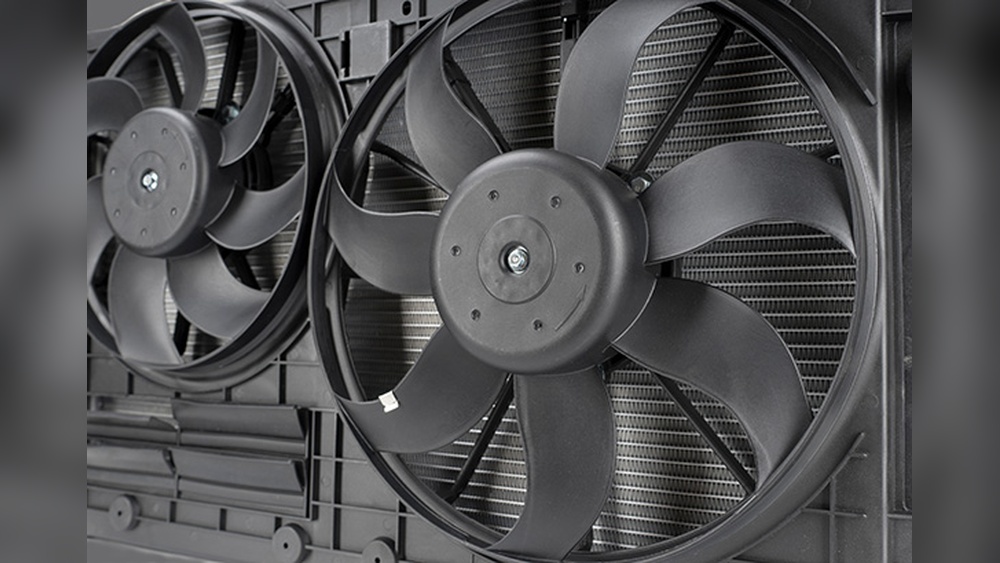
The car fan running after the engine turns off plays an important role. It helps cool down the engine and other parts. This process prevents damage caused by heat. The fan keeps air moving through the radiator. This stops the engine from getting too hot.
Heat can stay in the engine even after you stop driving. The fan helps remove this leftover heat. It keeps the engine safe and ready for the next trip. Without this cooling, parts can wear out faster. The fan also helps protect the turbocharger in some cars. It lets hot parts cool down slowly and safely.
Why Does The Car Fan Keep Running?
The fan keeps running to cool the engine after you stop. It works until the temperature drops to a safe level. The engine stays hot for some minutes after driving. The fan moves air to cool the coolant in the radiator. This lowers the engine temperature gradually.
How Does The Fan Help The Engine?
The fan helps by stopping the engine from overheating. Overheating can cause serious damage to engine parts. It also protects the coolant system from failure. The fan keeps the coolant flowing and cool. This keeps the engine working well and lasts longer.
Is It Normal For The Fan To Run After Turning Off?
Yes, it is normal for the fan to run after the engine stops. It means the cooling system is working properly. The fan will stop once the engine temperature is safe. If the fan runs too long, it could mean a problem. But short running after engine off is normal and healthy.

Credit: www.basenor.com
Factors Affecting Fan Run Time
The time a car fan runs after turning off the engine depends on many factors. These factors control how long the fan needs to cool the engine. Understanding these can help you know if your car is working well. Each car and situation is different.
Here are the main factors that affect fan run time.
Engine Temperature
The hotter the engine, the longer the fan runs. After driving, the engine stays warm for a while. The fan helps lower this heat to keep parts safe. If the engine was working hard, the fan runs more time. If the engine is cool, the fan stops quickly.
Ambient Weather Conditions
Outside temperature changes fan run time. On hot days, the fan runs longer to cool the engine. Cold weather means the engine cools faster, so the fan stops sooner. Humid or dry air also affects cooling speed. The fan adjusts to help keep the engine safe in all weather.
Car Model And Cooling System
Different cars have different cooling needs. Modern cars often have smart fans that run only as long as needed. Older cars may have fans that run longer or shorter. Some cooling systems use liquid coolant, others use air. The design of the car and cooling system changes how long the fan runs after driving.
Typical Duration For Fan Operation
The car’s cooling fan keeps the engine safe from overheating. It often runs for a short time after switching off the engine. This helps cool down the engine and other parts. Knowing how long the fan should run is useful for car owners.
Normal Fan Operation Time
Most car fans run between 5 to 15 minutes after turning off the engine. This period lets the engine temperature drop safely. The exact time depends on the car model and engine type.
Factors That Affect Fan Running Time
High engine temperature makes the fan run longer. Hot weather or heavy driving can also increase the fan’s time. Some cars have sensors that control fan duration automatically.
When To Worry About Fan Running Time
The fan running too long may signal a problem. If the fan runs for more than 30 minutes, the cooling system might have an issue. Getting the car checked can prevent bigger damage.
Signs Of Fan Running Too Long
The car fan is designed to cool the engine after you stop driving. It usually runs for a short time and then turns off. But sometimes, the fan keeps running too long. This can mean there is a problem with your car.
Knowing the signs of a fan running too long helps you avoid bigger engine issues. It also saves you money on repairs. Watch for these common signs to keep your car safe.
Unusual Noise From The Fan
A fan that runs too long may make strange noises. It can sound louder than usual or have a rough humming. This noise means the fan motor might be worn out or stuck.
Car Overheating Warning Light
If the fan runs too long, the engine temperature can rise. The dashboard may show a warning light for overheating. This signals the cooling system is not working properly.
Battery Draining Quickly
The fan uses electricity from the battery. Running for too long drains the battery faster. You may notice your car has trouble starting after the fan runs nonstop.
Fan Runs After Engine Is Off
The fan should stop soon after you turn off the engine. If it keeps running for many minutes, it is a sign of a cooling system issue. This could be a faulty sensor or relay.
Reduced Engine Performance
A fan running too long can affect engine power. The engine may feel weak or slow. This happens because the cooling system is not balanced properly.
When To Be Concerned About Fan Behavior
A car fan running for a short time after turning off the engine is normal. Watch for long or loud running, which may signal a problem. Strange noises or overheating mean you should get the fan checked soon.
Your car’s cooling fan helps keep the engine temperature safe. It usually runs a little after you stop driving. This is normal and helps cool down the engine.
Watch for signs that the fan might have problems. Strange noises, running too long, or not running at all can mean trouble. These issues can cause your engine to overheat.
Unusual Noises From The Fan
Fans should run quietly. Loud whirring, grinding, or rattling sounds are warning signs. These noises may mean the fan motor or blades are damaged. Ignoring these sounds can cause bigger problems.
Fan Runs Constantly After Turning Off
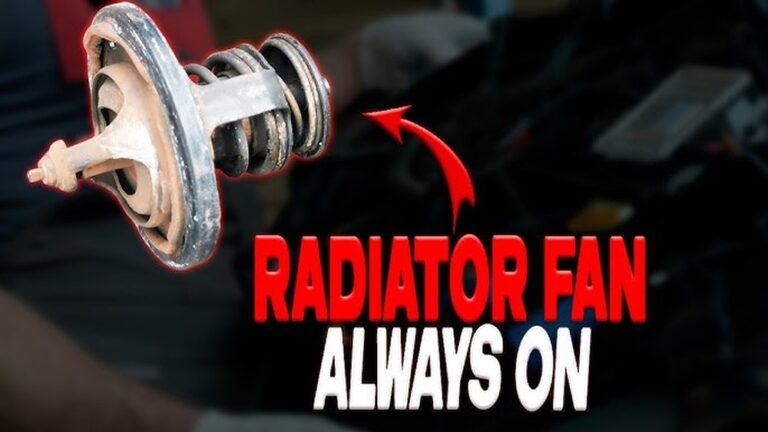
The fan should stop running after a few minutes. If it runs for a very long time, it may point to a cooling system issue. A stuck thermostat or a faulty temperature sensor might be the cause. Check your car if this happens often.
Fan Does Not Run When Engine Is Hot
The fan must run to cool the engine when hot. If it does not start, the engine can overheat quickly. This can damage your engine and cause costly repairs. A broken fan motor or blown fuse might be the problem.
Maintenance Tips To Optimize Fan Performance
Maintaining your car’s cooling fan helps it run smoothly and last longer. A well-kept fan keeps your engine temperature steady. This prevents overheating and costly repairs. Follow these tips to keep the fan in top shape.
Check The Fan Blades Regularly
Look at the fan blades for cracks or chips. Damaged blades can slow fan speed. Clean the blades from dirt and debris often. This helps the fan move air more easily.
Inspect The Fan Motor
Listen for strange noises from the fan motor. Grinding or rattling sounds show it needs attention. Test the motor to ensure it spins freely. Replace the motor if it runs poorly.
Monitor The Cooling System Fluid
Check coolant levels in the radiator regularly. Low coolant can cause the fan to run longer. Use the right type of coolant for your car. Change coolant as recommended in the owner’s manual.
Test The Fan Relay And Fuse
Inspect the fan relay for wear or damage. A faulty relay can cause the fan to stay on too long. Check the fuse for any signs of burning. Replace these parts if they fail the test.
Ensure Proper Temperature Sensor Function
The temperature sensor tells the fan when to start and stop. A broken sensor may cause the fan to run nonstop. Test the sensor and replace it if needed. This keeps the fan running at the right times.

Credit: www.racefans.net
Frequently Asked Questions
How Long Should A Car Fan Run After Turning Off The Engine?
A car fan usually runs for 1 to 5 minutes after the engine is off. This helps cool the engine and prevent overheating. Time varies by car model and engine temperature.
Why Does The Car Fan Keep Running After I Stop Driving?
The fan runs to cool down the engine and lower coolant temperature. It stops once the engine reaches a safe temperature. This protects your car’s parts from heat damage.
Can A Car Fan Run Too Long After Engine Shutdown?
Yes, if the fan runs too long, it may indicate a cooling system problem. It could be a faulty temperature sensor or relay. A mechanic should check if this happens often.
Does Running The Car Fan After Driving Waste Battery Power?
Running the fan briefly after the engine stops uses little battery power. The engine’s cooling is more important than saving battery in this case. The fan stops automatically to save energy.
Should I Worry If My Car Fan Runs After Engine Off?
No need to worry if the fan runs for a few minutes after stopping. It is normal and helps protect the engine. See a mechanic if the fan never stops or runs very long.
Conclusion
Car fans usually run for a few minutes after you stop driving. This helps cool the engine and prevent overheating. Let the fan run until it stops on its own. Avoid turning off your car immediately after heavy use. Doing this keeps your engine safe and working well.
Watch for any unusual fan noises or long running times. These could mean a problem. Regular checks keep your cooling system healthy. Remember, a running fan after driving is normal and helps protect your car.