How to Check If Car Air Conditioner Compressor is Working: Quick Guide
Is your car’s air conditioner blowing warm air? You might be wondering if the compressor is the problem.
Knowing how to check if your car air conditioner compressor is working can save you time and money. You’ll learn simple steps to diagnose your AC compressor without needing special tools or expert help. Keep reading to find out how to get your car’s AC back to blowing cold air quickly and easily.
Signs Of A Working Compressor
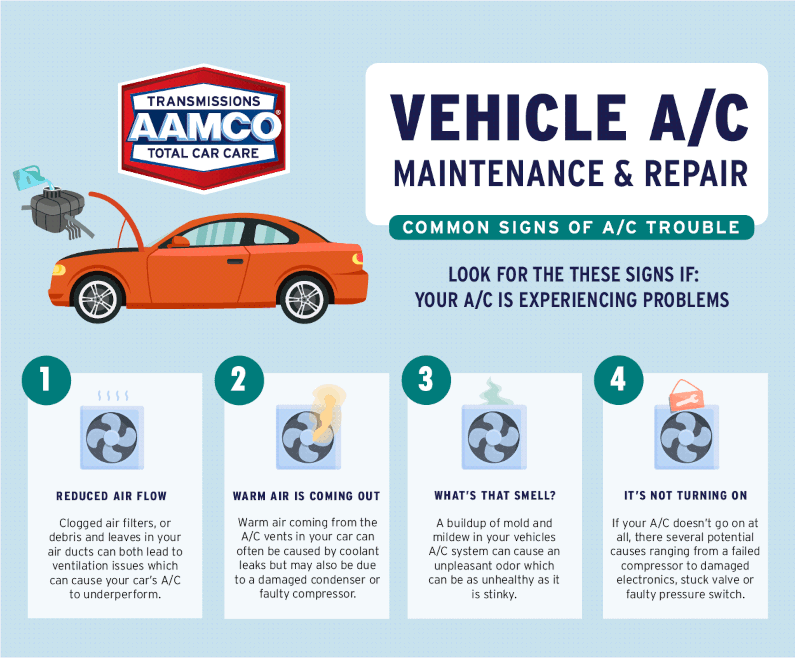
The air conditioner compressor is the heart of your car’s cooling system. It helps push refrigerant through the system to keep the air cold. Knowing the signs of a working compressor helps you spot problems early. It saves time and money on repairs.
Check for specific signs that show the compressor is doing its job. Listen, feel, and watch the AC system carefully. These clues tell you if the compressor works well or needs help.
Noise And Vibration
A working compressor makes a steady humming or buzzing sound. It may also cause slight vibration felt in the dashboard or engine area. Strange noises like grinding or squealing mean trouble. These sounds show the compressor could be damaged or worn out.
Cold Air Output
Cold air coming from the vents means the compressor is moving refrigerant properly. The air should be cool and consistent while the AC runs. Warm or weak airflow suggests the compressor is not working well. This could mean low refrigerant or a failing compressor.
Compressor Clutch Engagement
The compressor has a clutch that turns on and off. When you start the AC, watch under the hood. You should see the clutch engage and spin smoothly. If the clutch does not move or makes a clicking sound, the compressor may be faulty. Proper clutch function is key for the compressor to work.
Credit: www.aamcoblog.com
Visual Inspection Tips
Visual inspection is a simple way to check if your car’s air conditioner compressor works well. It helps spot common problems early. This can save money and prevent bigger repairs. Follow these tips to examine your AC compressor carefully.
Check For Leaks
Look around the compressor for oil or refrigerant stains. These often show as dark, oily spots. Leaks reduce cooling power and can damage the system. Use a flashlight to see hard-to-find areas. If you see wet or greasy patches, the compressor may have a leak.
Inspect The Compressor Belt
Find the belt that connects to the compressor pulley. Check if it is tight and not cracked or frayed. A loose or broken belt stops the compressor from working. Press the belt gently to test its tension. Replace the belt if it looks worn out or damaged.
Look For Physical Damage
Examine the compressor body for dents, cracks, or rust. Physical damage can stop the compressor from running smoothly. Check the mounting bolts to ensure they are tight. Any broken parts or corrosion need immediate attention to avoid failure.
Testing The Compressor Clutch
Testing the compressor clutch helps you know if the car’s air conditioner is working well. The clutch connects the compressor to the engine. It turns the compressor on and off. When the clutch works, the AC cools the car. If it does not, the AC may not cool properly. This test is quick and needs little equipment.
Using The Engine On
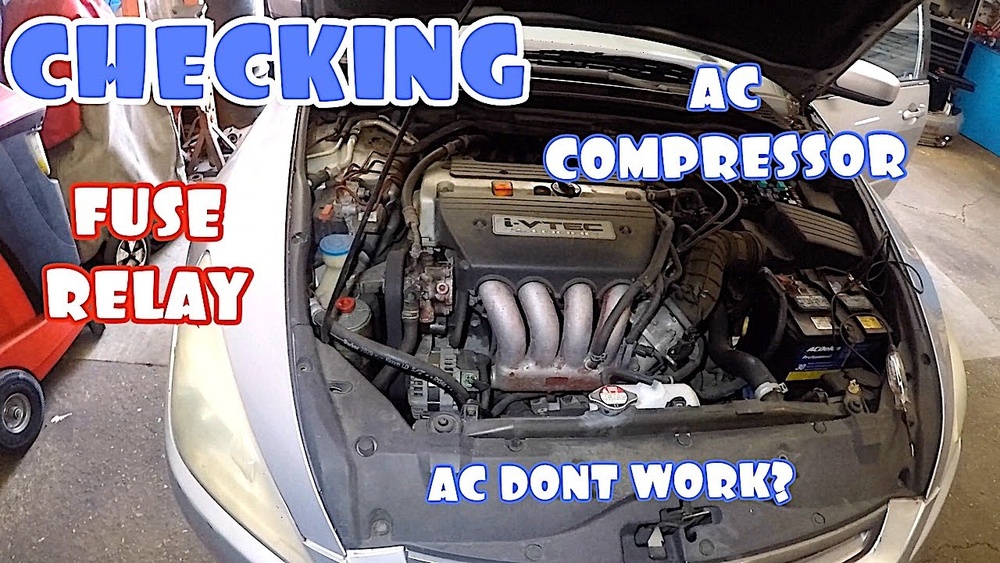
Start the car engine and turn on the AC. Set the temperature to the coldest setting. Watch the compressor clutch at the front of the compressor. It should start spinning when the AC is on. If it does not spin, the clutch may be faulty. The engine must run for this test to work.
Manual Clutch Engagement
Turn off the engine before this step. Use a screwdriver to gently push the clutch plate. If it moves freely, it is not stuck. Then, start the engine and turn on the AC. The clutch should pull the plate back and spin it. If the plate stays still, the clutch may be broken.
Safety Precautions
Always be careful around moving parts. Keep your hands and tools away from the belt and fan. Wear gloves to protect your hands. Do not touch the clutch when the engine is hot. Make sure the car is in park and the parking brake is on. Safety first to avoid injuries.
Measuring System Pressure
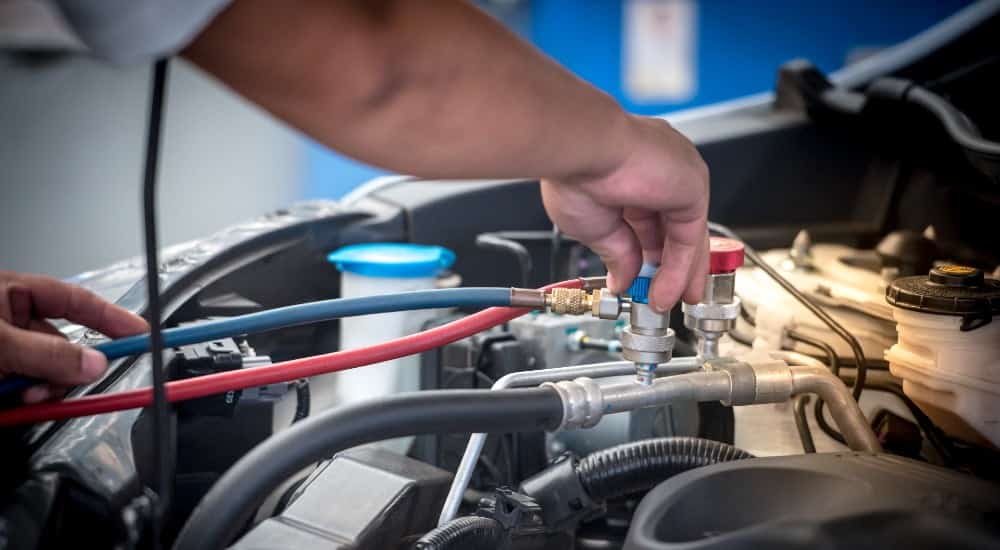
Measuring the pressure in your car’s air conditioner system helps check if the compressor works well. This step shows if the system holds the right amount of refrigerant. It also indicates if parts like the compressor pump air correctly. Pressure readings give clues about leaks or blockages.
Use a pressure gauge designed for car A/C systems. It measures the pressure in the low and high sides of the system. These values tell if the compressor cycles and compresses gas properly. Measuring pressure is simple and safe with the right tools.
Using A Pressure Gauge
Attach the pressure gauge to the service port on the low-pressure side. This port is usually larger and near the compressor. Turn the engine and A/C on to maximum cool. Read the pressure after a few minutes. The gauge shows pressure in pounds per square inch (PSI).
Normal Pressure Ranges
Normal low-side pressure ranges between 25 and 45 PSI. High-side pressure should be between 200 and 250 PSI. These values vary by temperature outside and refrigerant type. Low or high readings outside these ranges may mean a problem.
Interpreting Pressure Readings
Low pressure on the low side often means low refrigerant or a leak. High pressure on the high side can signal a blocked condenser or bad compressor. Equal pressure on both sides may show compressor failure. Use these readings to decide if repair is needed.
When To Seek Professional Help
Knowing when to get help from a professional mechanic is important for your car’s air conditioner. Some problems need expert care to avoid more damage. This section explains signs that show you should visit a professional.
Persistent Cooling Issues
If your air conditioner keeps blowing warm air, it is a clear sign. Trying to fix it yourself may waste time and money. A professional can find the root cause quickly and fix it properly.
Repeated cooling problems can mean a low refrigerant level or compressor failure. These issues require tools and skills that most people do not have. Avoid risking your car’s AC system by seeking expert help.
Unusual Noises Or Smells
Strange sounds like grinding, squealing, or rattling from the compressor are red flags. These noises often mean mechanical parts inside the compressor are damaged. Ignoring these signs can lead to more costly repairs.
Bad smells, like burning or moldy odors, also suggest trouble. A professional can diagnose if the problem is electrical or due to mold growth. Do not ignore these warning signs to keep your car safe and comfortable.
Compressor Replacement Indicators
Sometimes, the compressor may need a full replacement. Signs include the compressor not engaging or frequent clutch failures. A broken compressor can cause the entire AC system to stop working.
Replacing a compressor is complex. Professionals have the right tools and knowledge to do it correctly. Attempting this task without experience might damage other car parts or void warranties.
Credit: natrad.com.au

Credit: www.wikihow.com
Frequently Asked Questions
How Can I Tell If My Car Ac Compressor Is Working?
Listen for a clicking sound when the AC is on. Check if cold air blows from the vents. The compressor clutch should engage and spin.
Why Is My Car Ac Compressor Not Engaging?
Low refrigerant or a blown fuse often cause this. The compressor clutch might be faulty. A mechanic can diagnose the exact cause.
What Does A Failing Ac Compressor Sound Like?
You might hear grinding or squealing noises. The compressor may make loud rattling sounds. Strange noises usually mean it needs repair or replacement.
Can I Test The Ac Compressor Myself Safely?
Yes, you can check if the compressor clutch spins. Use a pressure gauge for refrigerant levels. Always follow safety steps and avoid touching moving parts.
Conclusion
Checking your car’s air conditioner compressor is simple and important. Start by listening for unusual sounds. Look for visible signs like leaks or damage. Feel the air temperature inside the car. These quick steps help spot problems early. Keeping the compressor working well means a cooler, more comfortable ride.
Regular checks save time and money later. Stay alert to changes in your AC’s performance. A little care goes a long way in car maintenance.