Why is There Condensation on the Inside of My Windshield: Causes & Fixes
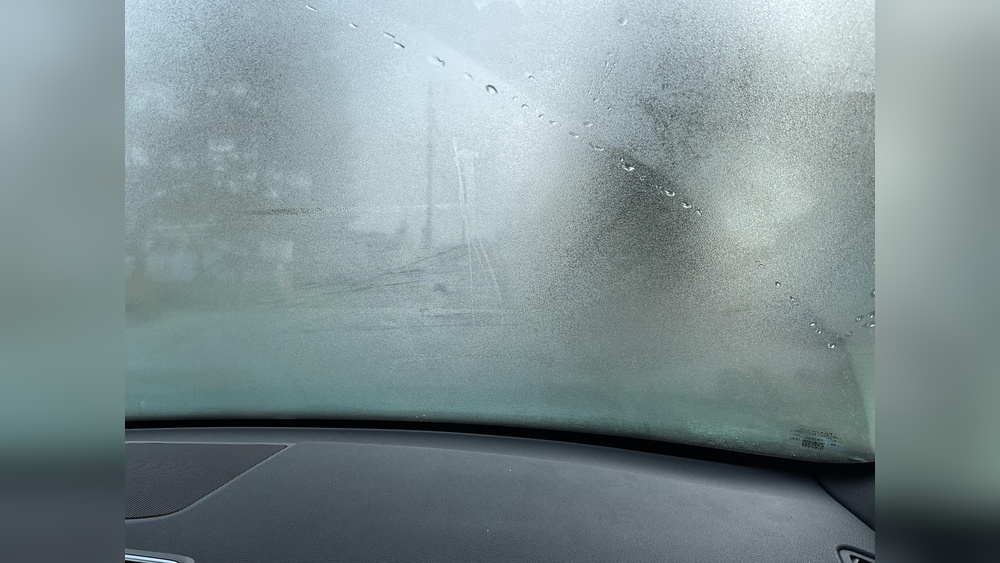
Have you ever sat in your car, only to find your windshield fogged up from the inside? It’s not just annoying—it can be dangerous.
That sticky, misty layer blocking your view isn’t random. Understanding why there is condensation on the inside of your windshield can help you fix it fast and keep you safe on the road. You’ll discover the common causes and simple solutions that anyone can use.
Keep reading to clear up the mystery—and your windshield—once and for all.
Common Causes Of Windshield Condensation
Condensation inside a windshield happens when warm, moist air meets a cold surface. The glass cools the air, causing water droplets to form. This often blocks your view and can be dangerous while driving.
Understanding the common causes helps prevent and fix this problem quickly. Below are the main reasons your windshield fogs up inside your car.
High Humidity Inside The Vehicle
Moisture builds up inside the car from wet clothes, breathing, or spills. This moisture increases the humidity level inside. When warm air touches the cold windshield, condensation appears.
Temperature Differences Between Inside And Outside
Cold weather outside and warm air inside create a big temperature gap. The windshield becomes cold, and the warm air inside cools quickly. This rapid cooling causes water droplets to form on the glass.
Poor Ventilation Or Airflow
Closed windows and blocked vents reduce airflow inside the car. Without fresh air, moisture stays trapped inside. This trapped moisture easily condenses on the cold glass surfaces.
Leaking Seals Or Windows
Damaged door seals or window leaks let rain or moisture enter the vehicle. This adds to the humidity inside. Water inside the car causes the windshield to fog up faster.
Using The Heater Without Proper Air Circulation
Heaters warm the air but can also dry it out. If the heater blows warm air on the windshield without airflow adjustment, condensation may form. Proper air circulation prevents this buildup.

Credit: www.reddit.com
How Temperature Differences Affect Condensation
Cold air outside and warm air inside cause moisture to form on your windshield. This happens because warm air holds more water vapor. When it touches the cold glass, the vapor turns into tiny water droplets, creating condensation.
How Warm Air Meets Cold Glass
Condensation forms when warm air touches a cold surface. Inside your car, warm air holds moisture. When this air hits the cold windshield, it cools down quickly.
Cooling makes the moisture turn into tiny water droplets. These droplets appear as fog or water on the inside glass. This is why your windshield looks wet.
Difference Between Inside And Outside Temperatures
Temperature gaps between inside and outside cause condensation. On cold days, the glass is very cold outside. Inside the car, the air is warmer from your breath or heater.
This difference causes moisture in the warm air to turn into water on the glass. Larger temperature gaps make more condensation form. Smaller gaps reduce the chance of foggy windshields.
Role Of Humidity In Condensation
Humidity means how much water vapor is in the air. High humidity inside the car increases condensation risks. More moisture in the air means more droplets form on cold glass.
Dry air inside your vehicle lowers condensation. Using air conditioning or a heater helps reduce humidity. This keeps the windshield clearer and safer to drive.
Role Of Humidity And Moisture Inside The Car
Moisture inside a car causes condensation on the windshield. Breathing, wet clothes, and leaks add humidity. Cooler glass turns this moisture into fog.
Humidity and moisture inside a car cause condensation on the windshield. Moist air holds tiny water droplets. When this moist air touches the cold glass, it turns into water drops. This is why the inside of the windshield fogs up.
Every breath from passengers adds moisture to the air. Wet clothes, shoes, or umbrellas also increase moisture. Even small leaks or damp floor mats raise humidity inside the vehicle. The trapped moisture stays inside, making the glass foggy.
Sources Of Moisture Inside The Vehicle
People bring moisture inside the car every day. Wet clothes and boots carry water droplets. Snow or rain on the floor adds more moisture. Spilled drinks and open windows during rain also add dampness.
Leaks from door seals or windows let rainwater in. Condensation from the air conditioner can drip inside the car. These sources increase the humidity, making fog on the windshield more likely.
How Humidity Affects Visibility
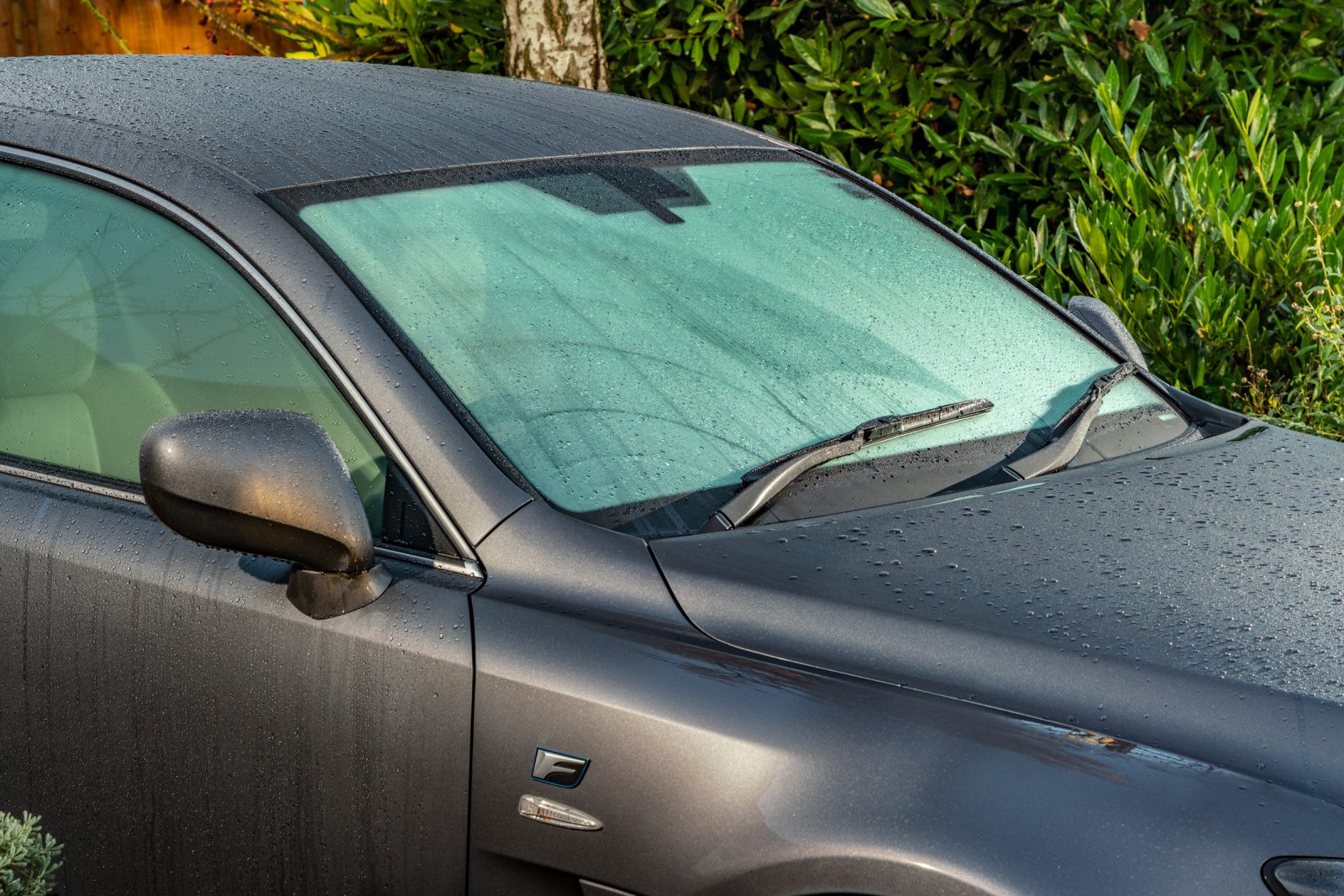
Higher humidity means more moisture in the air. Moisture clings to the windshield surface, creating fog. Fog blocks the driver’s view and can be dangerous. The thicker the fog, the harder it is to see clearly.
Clearing the fog quickly improves safety on the road. Lowering humidity inside the car helps keep the windshield clear. Using the heater and defroster reduces moisture and fog build-up.
Credit: mag.lexus.co.uk
Quick Fixes To Clear Windshield Fog
Windshield fog can be dangerous. It blocks your view and makes driving risky. Clearing the fog fast is important. Quick fixes help you see clearly without waiting long. These easy tips work in minutes and keep you safe on the road.
Use Your Defroster And Air Conditioner
Turn on the defroster to warm the glass. Warm air dries moisture inside the windshield. Switch on the air conditioner to remove humidity. The AC pulls wet air out of the car. This combo stops fog from forming again quickly.
Open A Window Slightly
Fresh air balances the inside and outside temperature. A small crack in the window lets moist air escape. This reduces the fog inside your car. It works well when the defroster takes time to heat up.
Wipe With A Clean Cloth
Use a microfiber cloth to clear the fog manually. Avoid using your hands or old rags. A clean cloth absorbs moisture better. Wipe gently in a circular motion for best results. This quick fix clears your view instantly.
Apply Anti-fog Products
Anti-fog sprays create a protective layer on glass. They stop moisture from sticking to the windshield. Apply the product before fog appears. It helps keep your glass clear during cold or rainy days.
Preventive Measures To Avoid Future Condensation
Condensation on the inside of your windshield happens when warm, moist air touches the cold glass. It can block your view and make driving unsafe. Taking steps to stop condensation before it starts keeps your windshield clear and your drive safer.
Simple actions can reduce moisture inside your car. These steps help keep the air dry and prevent fog from forming on your windshield.
Keep Your Car Dry And Clean
Remove wet items like umbrellas, clothes, or shoes from your car. Moisture from these items raises humidity inside. Clean your car regularly to stop dirt and dust from trapping moisture.
Use The Air Conditioner And Defroster
Turn on the air conditioner or defroster to clear moisture quickly. These tools lower humidity and warm the glass. Use them especially during cold or rainy days.
Check For Leaks And Seal Them
Inspect your car for leaks around windows and doors. Water entering your car adds moisture to the air. Fix any leaks with weather stripping or sealant to keep water out.
Ventilate Your Car Properly
Open windows slightly to let fresh air in when parked. Proper ventilation reduces humidity inside the car. Avoid running the heater with all windows closed for long periods.
Use Moisture Absorbers Inside The Car
Place moisture-absorbing products like silica gel or charcoal bags inside. These help pull water vapor from the air. Replace them regularly to keep them effective.

Credit: www.reddit.com
Frequently Asked Questions
Why Does My Windshield Fog Up Inside The Car?
Windshield fogs inside when warm, moist air meets cold glass. This causes water to condense on the glass surface. Poor ventilation and wet items inside the car often increase this effect.
How Can I Prevent Condensation On My Windshield?
Keep your car dry and use the air conditioner to remove moisture. Crack a window for fresh air circulation. Cleaning the windshield can also reduce fog buildup.
Does Cold Weather Cause More Windshield Condensation?
Yes, cold weather cools the glass, causing moisture in the air to turn into water droplets. This leads to more condensation on the inside of the windshield.
Is Inside Windshield Condensation Harmful To Driving Safety?
Yes, condensation blocks your view and can make driving dangerous. Use your defroster and wipers to clear the glass quickly. Always ensure clear visibility before driving.
Conclusion
Condensation on your windshield can be frustrating and unsafe. It happens when warm, moist air meets cold glass inside your car. This moisture can block your view and make driving risky. To reduce fog, keep your car dry and use the defroster or air conditioner.
Open windows slightly to improve airflow when parked or driving. Regular cleaning helps prevent buildup, too. Understanding why condensation forms helps you handle it better. Keep these tips in mind for clearer, safer drives every time.