Which Parasitic Draw Test Method is Really the Best: Ultimate Guide
Are you tired of guessing which parasitic draw test method will give you the most accurate results? You’re not alone.
Choosing the right technique can save you hours of frustration and costly mistakes. You’ll discover the pros and cons of the top methods so you can pick the one that fits your needs perfectly. Keep reading to find out which parasitic draw test method truly stands out and how it can make your life easier.
Credit: www.youtube.com
Common Parasitic Draw Test Methods
Parasitic draw tests help find electrical problems in vehicles. They measure how much current flows when everything is off. This shows if any device is draining the battery.
Different methods exist to perform these tests. Each has its own tools and steps. Understanding common methods makes testing easier and more accurate.
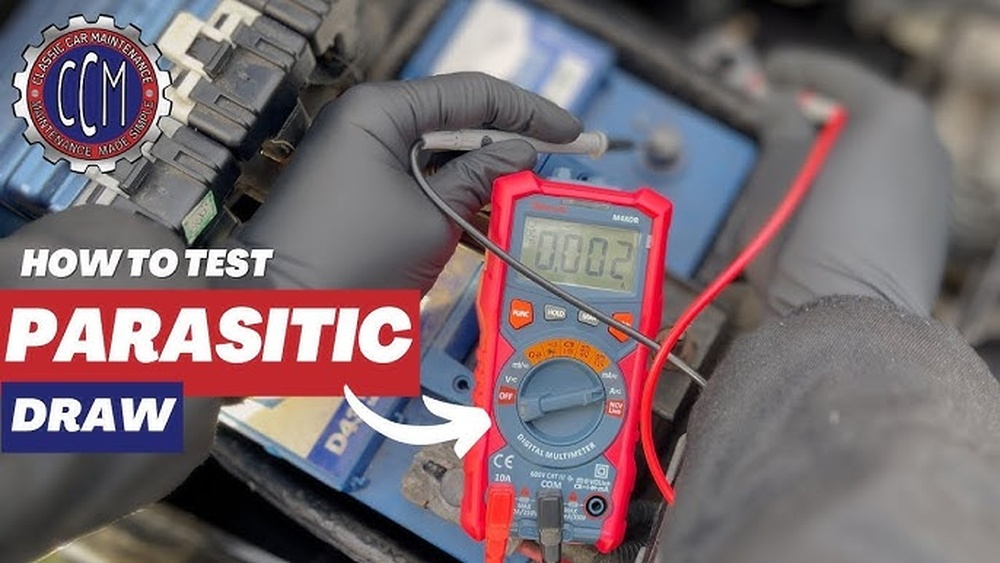
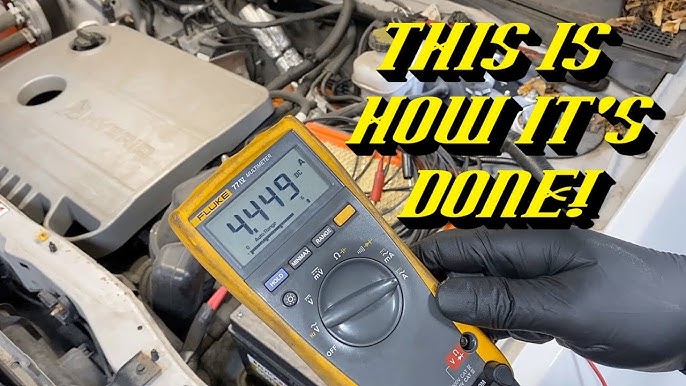
Using A Digital Multimeter
This is the most popular method. A digital multimeter measures current in amps or milliamps. The tester disconnects the negative battery cable and connects the meter in series. It shows how much current flows from the battery.
This method works well for most cars. It is simple and uses common tools. The meter reading helps identify if the drain is normal or high.
Using A Clamp Meter
A clamp meter measures current without disconnecting the battery. It clamps around the negative cable and senses current flow. This method is quick and less invasive.
Clamp meters may not detect very low draws. They work best for higher current drains. This makes them useful for fast checks.
Using An Ammeter In Series
An ammeter connects directly in series with the battery cable. It shows the exact current flowing from the battery. This method is very accurate.
The main downside is the risk of short circuits. Proper care is needed to avoid damage. It requires some electrical knowledge.
Using Specialized Parasitic Draw Testers
These tools are designed for parasitic draw testing. They combine features of multimeters and clamp meters. Some models include alarms for high current draws.
Specialized testers provide detailed data. They are useful for professional mechanics. They often cost more than basic tools.

Credit: www.reddit.com
Tools And Equipment Needed
Choosing the best parasitic draw test method starts with having the right tools. The tools and equipment must be reliable and easy to use. Proper tools help find electrical drains quickly. They also protect your vehicle’s electrical system during testing.
Using the right equipment makes testing safer and more accurate. It reduces guesswork and prevents damage to vehicle parts. Below are key tools needed for parasitic draw tests.
Multimeter
A multimeter measures electrical current, voltage, and resistance. It is essential for parasitic draw tests. A digital multimeter with a low current range is best. It helps detect small electrical drains that waste battery power.
Test Light
A test light helps find circuits with current flow. It is simple to use and provides quick results. This tool is good for checking fuses and wiring during the test. It shows if current flows when it should not.
Fuse Puller
A fuse puller safely removes fuses without damage. It is a small, plastic tool that fits most fuse boxes. Using a fuse puller avoids harming fuses and fingers. It makes testing each circuit easier and safer.
Wiring Diagram
A wiring diagram is a map of the vehicle’s electrical system. It helps identify circuits and components for testing. Understanding the wiring diagram saves time and prevents errors. It guides the user through each step of the test.
Clamp Meter
A clamp meter measures current without disconnecting wires. It clamps around a wire to read the current flow. This tool is useful for quick checks and avoiding circuit interruptions. It provides accurate readings with minimal effort.
Step-by-step Testing Procedures
Step-by-step testing procedures help ensure accurate parasitic draw results. Following clear steps reduces mistakes and saves time. Each method has its own way to test, but some steps remain the same. Understanding these steps helps you choose the best method for your needs.
Preparing The Vehicle For Testing
Turn off all electrical components inside the vehicle. Close all doors and remove the key from the ignition. Wait for the vehicle’s systems to enter sleep mode. This usually takes 10 to 20 minutes. Preparing well prevents false readings during the test.
Connecting The Test Equipment
Use a digital multimeter set to measure current (amps). Disconnect the negative battery cable carefully. Connect the multimeter leads between the negative battery terminal and the cable. Ensure all connections are secure and stable. This setup allows you to measure the parasitic current draw accurately.
Measuring And Recording Current Draw
Read the current on the multimeter display. Note the value carefully. Normal parasitic draw is usually under 50 milliamps. Values above this indicate an excessive drain. Record the readings to track changes during the test process.
Isolating The Cause Of Parasitic Draw
Remove and replace fuses one by one. Watch the multimeter for changes in current. When the current drops, the fuse circuit is the problem area. Check devices on that circuit for faults. This helps pinpoint the exact source of the draw.

Credit: www.reddit.com
Advantages And Disadvantages Of Each Method
Choosing the right parasitic draw test method can save time and money. Each method has clear strengths and some downsides. Knowing these helps pick the best fit for the situation.
Some methods work better for certain vehicles or conditions. Others need special tools or skills. Understanding these details makes testing easier and more accurate.
Resistance Test Method
This method measures current by checking resistance in the circuit. It uses a multimeter set to ohms.
Advantages include low cost and simple setup. It does not need the engine running.
Disadvantages are less accuracy with complex electronics. It may miss small current leaks.
Current Clamp Method
This method uses a clamp meter around the battery cable. It measures current without disconnecting wires.
Advantages include quick testing and no circuit interruption. It works well with modern cars.
Disadvantages include higher tool cost. It can be less accurate if the clamp is not placed correctly.
Using A Digital Multimeter In Amp Mode
This method measures current directly by connecting the meter in series. It shows real-time current flow.
Advantages include precise readings and detailed data. It detects even small current draws.
Disadvantages are risk of blowing a fuse if set wrong. It requires disconnecting the battery cable.
Automotive Battery Tester Method
This method tests battery condition and parasitic draw combined. It uses a special battery tester device.
Advantages are fast results and combined battery health data. It is user-friendly for beginners.
Disadvantages include limited current draw detail. It may not identify exact circuit causing draw.
How To Interpret Test Results
Different test methods show results in unique ways. Understanding these results helps choose the best parasitic draw test. Clear steps guide you to read and compare data easily.
Understanding The Basics Of Parasitic Draw Test Results
Parasitic draw tests measure how much electric current a car battery loses while the vehicle is off. The test helps find out if any part of the car is using power unnecessarily. A small current draw is normal, but a high reading means the battery drains faster than it should.
The results show current in milliamps (mA). Lower numbers mean less power loss. Higher numbers suggest a problem that needs fixing.
Identifying Normal Vs. Problematic Current Draw
Most cars have a normal parasitic draw under 50 mA. This level keeps security systems and clocks running. Readings above 50 mA may signal a fault.
Values over 100 mA almost always indicate an electrical issue. Components like lights, radios, or modules might stay on by mistake. This wastes battery power and can cause starting problems.
Steps To Pinpoint The Source Of Excessive Draw
Start the test by disconnecting the negative battery cable and connecting a multimeter in series. Check the current draw reading. If it is high, pull fuses one by one.
When the current drops after removing a fuse, the problem lies in that circuit. Check the connected parts for faults or stuck switches. Fix or replace faulty components to stop the drain.
Common Causes Revealed By Test Results
High parasitic draw often comes from interior lights, glove box lights, or trunk lights left on. Faulty relays and aftermarket devices can also cause issues.
Sometimes, a bad battery or alternator causes abnormal readings. Check battery health and charging system if no circuits show high draw.
Tips To Minimize Parasitic Draw
Parasitic draw can drain your car battery when the vehicle is off. It causes slow battery discharge and starting problems. Reducing parasitic draw helps keep the battery healthy and extends its life.
Small steps can lower the electrical load when your car is parked. These tips help you protect your battery and avoid unexpected breakdowns.
Turn Off All Electrical Accessories
Make sure lights, radios, and chargers are off before leaving the car. Even small devices can pull power and drain the battery over time.
Unplug Aftermarket Devices
Remove devices like GPS units, dash cams, or phone chargers when not in use. These often draw power even when the car is off.
Check For Faulty Wiring
Inspect wiring and connections for damage or corrosion. Faulty wires can cause unwanted electrical drain on the battery.
Use A Battery Disconnect Switch
A disconnect switch cuts off battery power completely. It is useful if you won’t use the vehicle for a long time.
Regularly Test Your Battery
Check battery health every few months with a parasitic draw test. Early detection helps fix issues before the battery dies.
Frequently Asked Questions
What Is The Parasitic Draw Test Method?
A parasitic draw test checks for unwanted battery power use. It finds devices that drain the battery when off. This helps prevent battery failure.
Which Method Detects Battery Drain Fastest?
Using an ammeter in series with the battery is quickest. It shows current flow immediately. This helps spot issues fast.
How To Choose The Best Parasitic Draw Test?
Choose based on tools, vehicle type, and skill level. Some methods need special equipment or more time. Pick what fits your needs.
Can Parasitic Draw Tests Damage My Car?
No, if done correctly, tests won’t harm your vehicle. Always disconnect battery safely and follow instructions. Safety is key.
Why Does Parasitic Draw Testing Matter For Car Owners?
It saves money by avoiding battery replacement and breakdowns. Detects hidden electrical problems early. Keeps your car reliable.
Conclusion
Choosing the best parasitic draw test method depends on your needs. Some methods work faster, while others provide more detail. Consider the tools you have and your skill level. The key is accuracy and safety during testing. Stay patient and follow the steps carefully.
This helps find electrical issues without damage. In the end, the right method saves time and frustration. Keep practicing to improve your testing skills. The best method is the one that works well for you.