How to Tell Which Abs Sensor is Bad Without Scanner: Easy DIY Guide
Have you noticed your ABS warning light flickering or your brakes acting strange but don’t have a scanner handy? Figuring out which ABS sensor is bad can feel like a mystery, especially without expensive tools.
But what if you could spot the problem yourself, using simple tricks and your own senses? You’ll discover easy ways to identify a faulty ABS sensor without needing a scanner. By the end, you’ll save time, money, and avoid unnecessary repairs.
Ready to take control of your car’s safety? Keep reading!
Credit: www.youtube.com
Signs Of A Faulty Abs Sensor
Signs of a faulty ABS sensor can help you find the problem without a scanner. The ABS sensor plays a key role in keeping your brakes safe. When it fails, your car may show clear signs. Recognizing these signs early helps avoid costly repairs. Watch for warning lights and strange brake behavior. These clues point to a bad ABS sensor.
Common Warning Lights
The ABS warning light on your dashboard is the first sign. It usually looks like the letters “ABS” in a circle. This light turns on if the sensor detects a problem. The brake warning light may also flash along with the ABS light. If these lights stay on, it means your ABS sensor might be faulty. Ignoring these lights can lead to brake system failure.
Unusual Brake Behavior
A bad ABS sensor affects how your brakes work. You might feel the brakes lock up during hard stops. The pedal can also feel soft or spongy. Sometimes, the brakes may grab suddenly without warning. Your car might pull to one side when braking. These changes show the ABS system is not working correctly. Test your brakes carefully if you notice these signs.
Credit: repairpal.com
Tools Needed For Diy Testing
Testing an ABS sensor without a scanner is possible with the right tools. These tools help check the sensor’s condition accurately. You can do this at home with simple equipment. Understanding what you need is the first step in DIY testing.
Basic Hand Tools
Start with basic hand tools. A wrench or socket set helps remove the wheel or sensor bolts. Screwdrivers may be needed to disconnect the sensor wire. A flashlight is useful to see in tight spaces. Clean rags help wipe away dirt and debris. Having these tools ready makes the process smoother.
Multimeter Use
A multimeter is crucial for testing ABS sensors. It measures voltage and resistance. Set the multimeter to the Ohms setting for resistance tests. Touch the probes to the sensor terminals carefully. The readings tell if the sensor is working or damaged. Using a multimeter requires no special skills, just basic knowledge of how to read numbers.
Locating Abs Sensors On Your Vehicle
ABS sensors play a vital role in vehicle safety. They monitor wheel speed to help prevent skidding during braking. Finding these sensors is the first step to checking if one is faulty. They are usually near each wheel but can differ by vehicle type. Knowing where to look helps you inspect without special tools.
Front Wheel Sensors
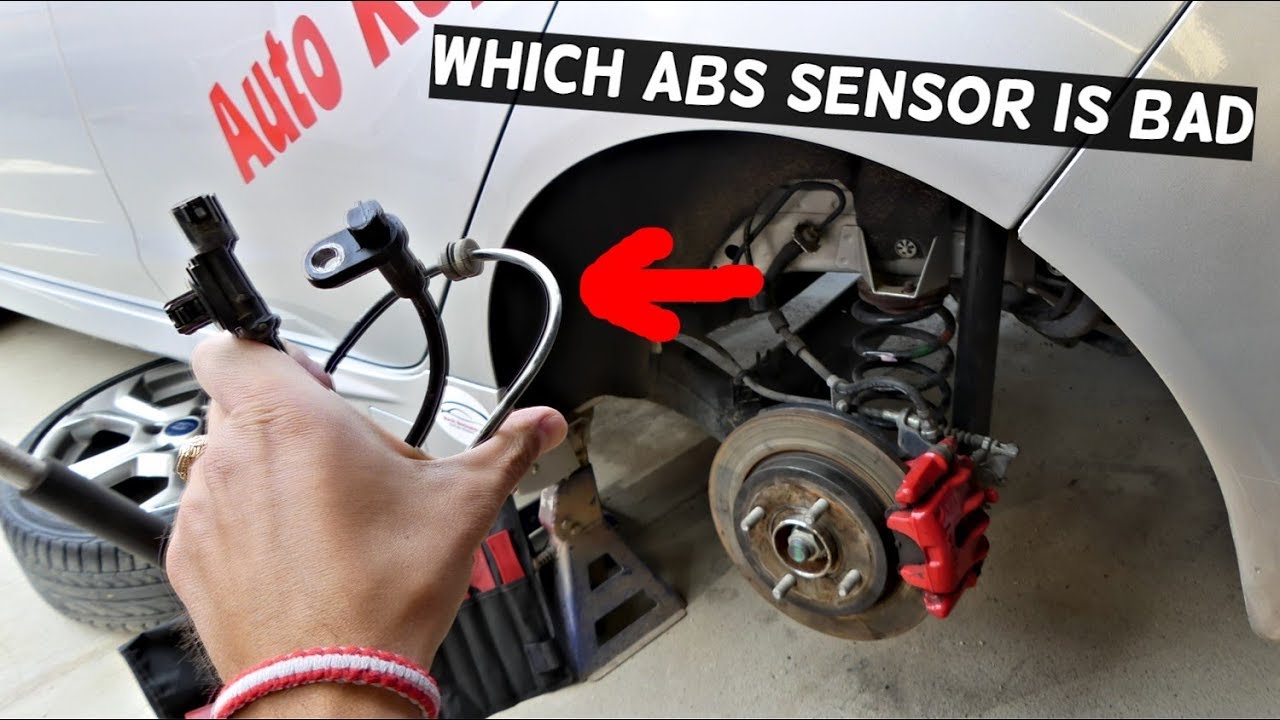
Front wheel ABS sensors are often mounted near the wheel hub. Look close to the brake rotor or drum. The sensor is a small device attached with screws or clips. It connects to a wire running into the wheel well or suspension. Sometimes the sensor is inside the steering knuckle. Dirt or damage here can cause sensor failure.
Rear Wheel Sensors
Rear wheel sensors are similar but usually harder to spot. Check near the rear brake assembly. The sensor may be mounted on the axle or near the wheel bearing. It has a wire leading to the vehicle’s body. Rear sensors can be shielded by brake components or dust shields. Clean the area gently before inspecting the sensor closely.

Credit: www.ersaelectronics.com
Visual Inspection Tips
Visual inspection helps find a bad ABS sensor without a scanner. It reveals obvious problems that cause sensor failure. This method saves time and money. Anyone can do it with simple tools and careful observation.
Checking For Physical Damage
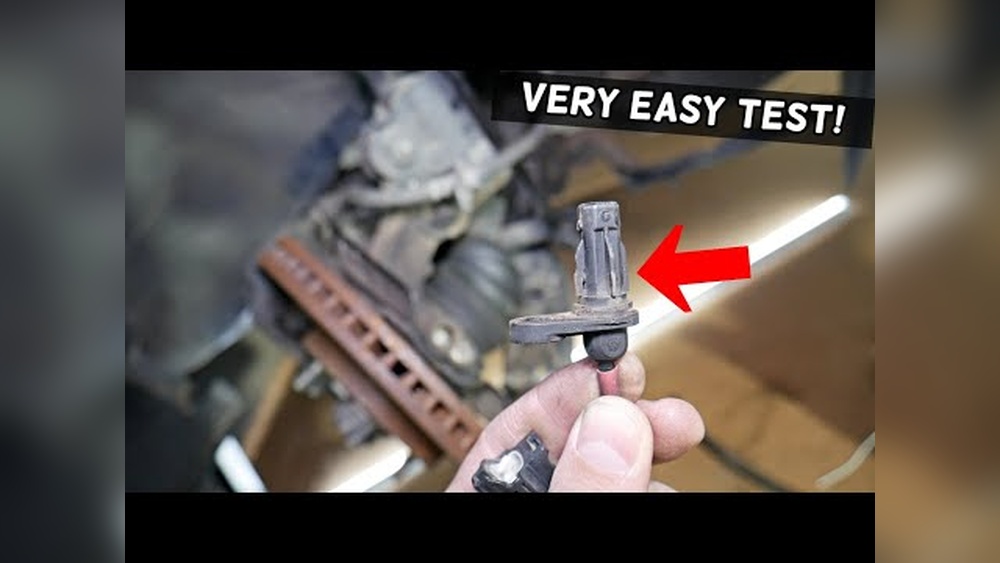
Start by looking at the sensor itself. Check for cracks, dents, or broken parts. Dirt or rust can also block the sensor. Clean the sensor gently with a soft cloth. Avoid using harsh chemicals that may harm it.
Look closely at the sensor’s mounting area. Loose or missing bolts can affect its function. Make sure the sensor sits firmly in place. Damage here can cause false readings or no signal at all.
Inspecting Sensor Wiring
Trace the wiring connected to the ABS sensor. Look for frayed, cut, or exposed wires. Check for melted spots or discoloration caused by heat. These signs often indicate electrical problems.
Make sure all connectors are tight and free from corrosion. Loose or dirty connectors disrupt the signal. Gently clean connectors with electrical contact cleaner if needed. Avoid tugging on wires to prevent further damage.
Testing Abs Sensors With A Multimeter
Testing ABS sensors with a multimeter helps find problems without expensive tools. A multimeter measures electrical signals and resistance in the sensor. This method saves time and money. It lets you check the sensor’s health right at home. Follow these simple steps to test your ABS sensor.
Measuring Resistance
First, turn off the car’s engine. Disconnect the ABS sensor connector. Set the multimeter to measure resistance (ohms). Connect the multimeter leads to the sensor terminals. The reading should match the sensor’s specification. A very high or low reading means the sensor is bad. No reading means an open circuit inside the sensor. This test checks if the sensor’s internal coil is damaged.
Checking Signal Output
Reconnect the sensor to its connector. Set the multimeter to AC voltage mode. Spin the wheel by hand slowly. The sensor should produce a small voltage signal. If the voltage does not change, the sensor may be faulty. This test shows if the sensor generates the proper signal. It helps to find wiring or sensor problems quickly.
Cleaning And Replacing Abs Sensors
Cleaning and replacing ABS sensors help keep your vehicle’s brake system working well. Dirt and grime can block sensor signals. Sometimes, a sensor stops working and needs replacement. Knowing when to clean or change sensors saves time and money. This guide shows clear steps to maintain your ABS sensors.
When To Clean Sensors
Check sensors if the ABS warning light is on. Look for dirt, rust, or metal bits around the sensor. Clean sensors when you see grime buildup. Cleaning helps if the sensor works but sends weak signals. Regular cleaning stops sensor errors and false warnings.
Steps For Sensor Replacement
Start by lifting the car safely and removing the wheel. Find the sensor near the brake rotor. Unplug the sensor’s electrical connector carefully. Remove the sensor mounting bolt with the right tool. Pull the sensor out gently to avoid damage.
Insert the new sensor into the same spot. Tighten the mounting bolt securely. Plug the electrical connector back in. Reattach the wheel and lower the car. Test drive to check if the ABS light stays off. Replacing sensors restores proper ABS function fast.
Frequently Asked Questions
How Can I Identify A Bad Abs Sensor Without A Scanner?
Look for signs like the ABS warning light on your dashboard. Check for uneven braking or strange noises near the wheels. Visual inspection can reveal dirt or damage on the sensor.
What Are Common Symptoms Of A Failing Abs Sensor?
Symptoms include the ABS light staying on, brake pedal pulsation, and reduced braking performance. You might also notice the traction control light activating frequently.
Can I Test Abs Sensors Manually At Home?
Yes, you can check the sensor’s wiring and clean the sensor area. Using a multimeter helps test sensor resistance, but it requires basic electrical knowledge.
Why Does My Abs Light Stay On Without A Scanner?
A dirty, damaged, or disconnected sensor can cause the light to stay on. Wheel speed irregularities or sensor misalignment also trigger the warning.
How Long Does It Take To Diagnose A Bad Abs Sensor?
A quick visual check takes 10 to 15 minutes. Testing wiring or sensor resistance might take up to 30 minutes for beginners.
Conclusion
Testing an ABS sensor without a scanner is possible with simple steps. Check the sensor’s wiring and clean any dirt or debris. Spin the wheel and listen for unusual sounds or vibrations. Use a multimeter to measure resistance for better accuracy.
Remember, a faulty sensor affects your car’s safety and braking. Regular checks help keep your vehicle running smoothly and safely. Stay attentive to signs of sensor problems to avoid costly repairs later. Understanding these basics saves time and money on car maintenance.