What Happens If You Put Transmission Fluid in the Engine: Risks Explained
Have you ever wondered what would happen if you accidentally put transmission fluid in your engine? It might sound like a simple mix-up, but the results can be surprising—and not in a good way.
If you’re curious about the risks, the damage it can cause, and what you should do if it happens to you, this article is for you. Keep reading to learn exactly why your engine and transmission fluid don’t mix, and how to protect your car from costly mistakes.

Credit: www.youtube.com
Differences Between Transmission Fluid And Engine Oil
Transmission fluid and engine oil look similar but serve very different roles in a vehicle. Each fluid protects specific parts and ensures the system works smoothly. Using the wrong fluid can cause serious damage.
Understanding the differences helps explain why transmission fluid should not go into the engine. This knowledge can prevent costly mistakes and keep your car running longer.
Purpose And Function
Engine oil lubricates the engine’s moving parts to reduce friction. It also helps cool the engine and clean away dirt and debris.
Transmission fluid lubricates gears and parts inside the transmission system. It also acts as a hydraulic fluid to help shift gears smoothly.
Viscosity And Composition
Engine oil is thicker and designed to handle high temperatures inside the engine. It contains additives to protect engine components from wear and corrosion.
Transmission fluid is thinner and made to work well under pressure and heat in the transmission. It contains additives for friction control and smooth gear shifting.
Color And Smell
Engine oil is usually amber or dark brown and has a mild smell. Old oil may look dirty or black.
Transmission fluid is often red, pink, or green and has a sweet or sharp smell. Its color helps identify leaks and condition.
Temperature Range And Stability
Engine oil must work well in a wide temperature range, from cold starts to high engine heat. It resists breaking down under extreme heat.
Transmission fluid operates under high pressure and heat but in a narrower temperature range. It stays stable to maintain transmission performance.
Credit: www.meineke.com
Immediate Effects Of Transmission Fluid In The Engine
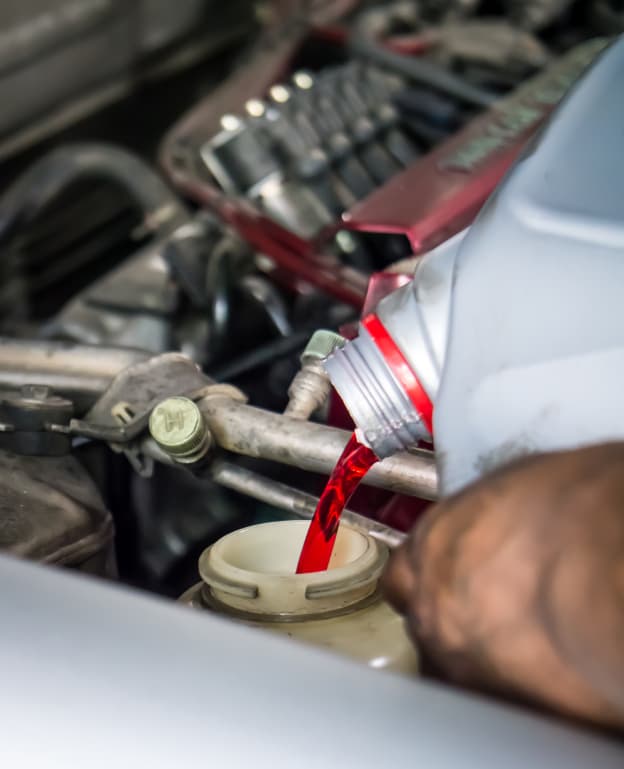
Putting transmission fluid in the engine can cause serious damage fast. The engine may run rough, overheat, or lose power immediately. This mistake clogs engine parts and harms vital components quickly.
Putting transmission fluid in the engine causes problems right away. This fluid is not made to work inside an engine. It has different chemicals and properties than engine oil.
When transmission fluid enters the engine, it changes how the engine oil behaves. The engine oil lubricates and protects the moving parts inside the engine. Transmission fluid can reduce this protection and cause damage.
Loss Of Proper Lubrication
Transmission fluid does not lubricate engine parts well. It is thinner and designed for different parts. Inside the engine, this causes metal parts to rub against each other. This rubbing leads to faster wear and damage.
Increased Engine Wear
The wrong fluid causes engine parts to wear out quickly. Metal surfaces grind and scratch more. This damage can lead to costly repairs or engine failure. The engine may start to make strange noises or lose power.
Overheating And Smoke
Transmission fluid can cause the engine to overheat. It does not cool engine parts properly like engine oil. Overheating may produce smoke from the exhaust or under the hood. The engine may run rough or stall.
Potential Long-term Damage To Engine Components
Engine parts can wear out quickly if transmission fluid is used instead of engine oil. This fluid does not protect or lubricate engine components well. Over time, damage may cause costly repairs or engine failure.
Putting transmission fluid in the engine can cause serious problems over time. The engine and transmission fluids have different chemical compositions. Using the wrong fluid can harm engine parts slowly but surely.
The engine relies on specific oil to protect and cool its components. Transmission fluid does not have the right properties for this task. This mismatch can lead to wear and tear inside the engine.
Breakdown Of Engine Oil Viscosity
Transmission fluid has a different thickness than engine oil. This affects how well it lubricates engine parts. Poor lubrication causes metal parts to rub together. This friction leads to faster wear and engine damage.
Damage To Engine Seals And Gaskets
Engine seals and gaskets are made to work with engine oil. Transmission fluid can cause these seals to swell or crack. Damaged seals allow leaks and reduce engine efficiency. Over time, this can cause costly repairs.
Clogging And Deposits In Engine Passages
Transmission fluid can leave sticky residues inside the engine. These deposits block oil passages and filters. Blocked passages reduce oil flow to vital parts. This restriction increases engine wear and overheating risk.
Increased Engine Wear And Overheating
Wrong fluid reduces the engine’s ability to cool down. Heat builds up and damages metal surfaces. Overheating weakens engine parts and may cause failure. Continuous use of transmission fluid in the engine worsens this damage.
Steps To Take If Transmission Fluid Is Added To The Engine
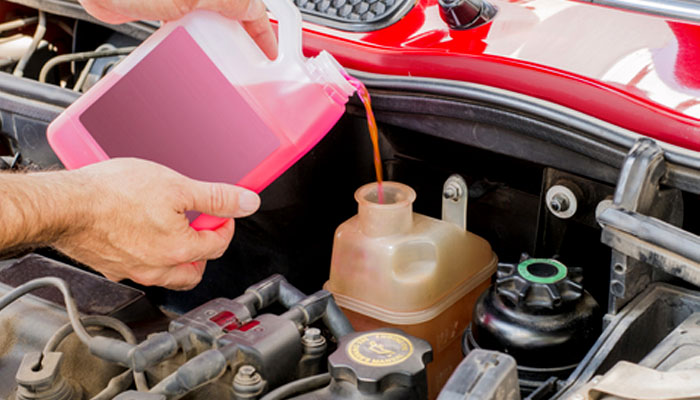
Putting transmission fluid in the engine can cause serious problems. Acting quickly can reduce damage. Knowing the right steps helps protect your vehicle.
Here are clear steps to follow if transmission fluid enters the engine.
Stop The Engine Immediately
Turn off the engine as soon as you notice the mistake. Running the engine spreads the fluid inside. This can harm engine parts fast. Stopping prevents further damage.
Check The Fluid Levels
Look at the engine oil dipstick carefully. Transmission fluid changes the oil’s color and texture. It might look thinner or smell different. This check shows how much fluid mixed with oil.
Drain And Replace The Engine Oil
Drain all the engine oil right away. This removes the contaminated fluid from the engine. Use a new oil filter when changing oil. Then, refill with fresh, correct engine oil. This step clears the harmful mix.
Inspect The Engine For Damage
After oil change, watch the engine closely. Listen for strange noises or poor running. Check for warning lights on the dashboard. These signs may need professional help.
Consult A Professional Mechanic
Visit a mechanic if unsure about the engine’s condition. They can test the oil and engine parts. Early expert help can save costly repairs later.
Credit: carused.jp
Frequently Asked Questions
What Happens If Transmission Fluid Goes Into The Engine?
Transmission fluid in the engine can cause serious damage. It may break down engine oil’s ability to lubricate parts. This can lead to engine wear or failure.
Can Transmission Fluid Harm Engine Performance?
Yes, transmission fluid can reduce engine performance. It affects how the oil protects engine parts. This can cause the engine to run poorly or overheat.
How To Fix Engine Contamination By Transmission Fluid?
Drain the engine oil and replace the oil filter immediately. Refill with fresh engine oil and check for leaks. A mechanic should inspect the engine for damage.
Is Transmission Fluid Safe For Engine Use?
No, transmission fluid is not safe for engines. It has different chemicals meant for transmissions, not engines. Using it can cause engine damage and poor performance.
How To Avoid Mixing Transmission Fluid And Engine Oil?
Always check labels before adding fluids to your car. Use separate containers and tools for each fluid type. Regular maintenance helps prevent costly mistakes.
Conclusion
Putting transmission fluid in the engine can cause serious damage. The engine oil and transmission fluid have different jobs. Transmission fluid can make the engine oil thick and less effective. This might lead to poor engine performance or even engine failure.
Always double-check the fluid type before adding it to your car. If a mistake happens, get professional help right away. Quick action can save you costly repairs. Keep your vehicle running smoothly by using the right fluids every time. Simple steps protect your engine and extend its life.