How to Drain Transmission Fluid Without Dropping the Pan: Easy Steps
If you want to change your transmission fluid but dread the mess and hassle of dropping the pan, you’re not alone. Luckily, there’s a way to drain the fluid without removing the pan at all.
This method saves you time, avoids costly repairs, and keeps your workspace cleaner. You’ll learn simple, step-by-step instructions to do this safely and effectively. Stick with me, and you’ll feel confident tackling this task on your own—no mechanic needed. Ready to get started?
Let’s dive in.
Tools And Materials Needed
Draining transmission fluid without dropping the pan requires specific tools and materials. Having the right items makes the task easier and cleaner. Prepare everything before starting to avoid interruptions.
Transmission Fluid Pump
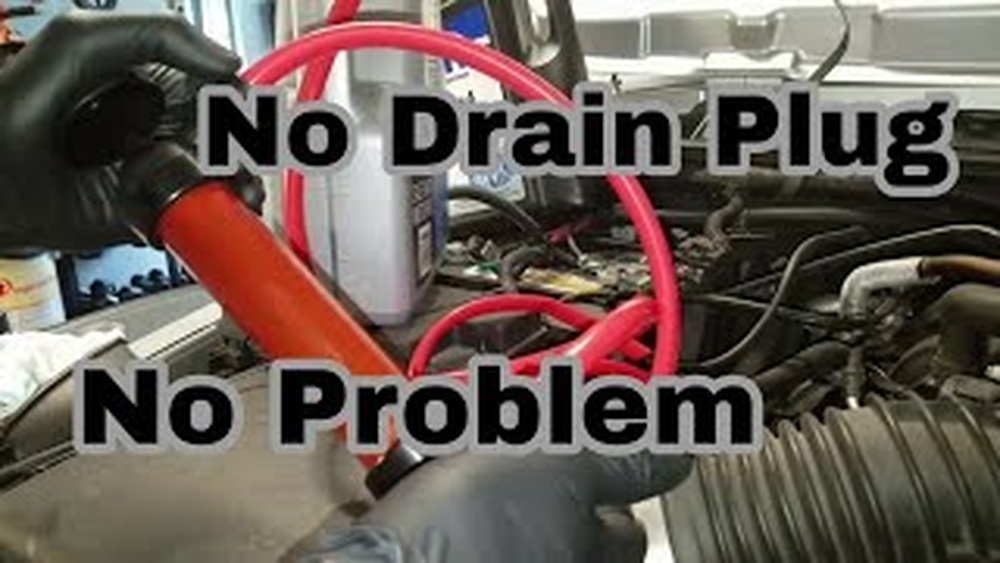
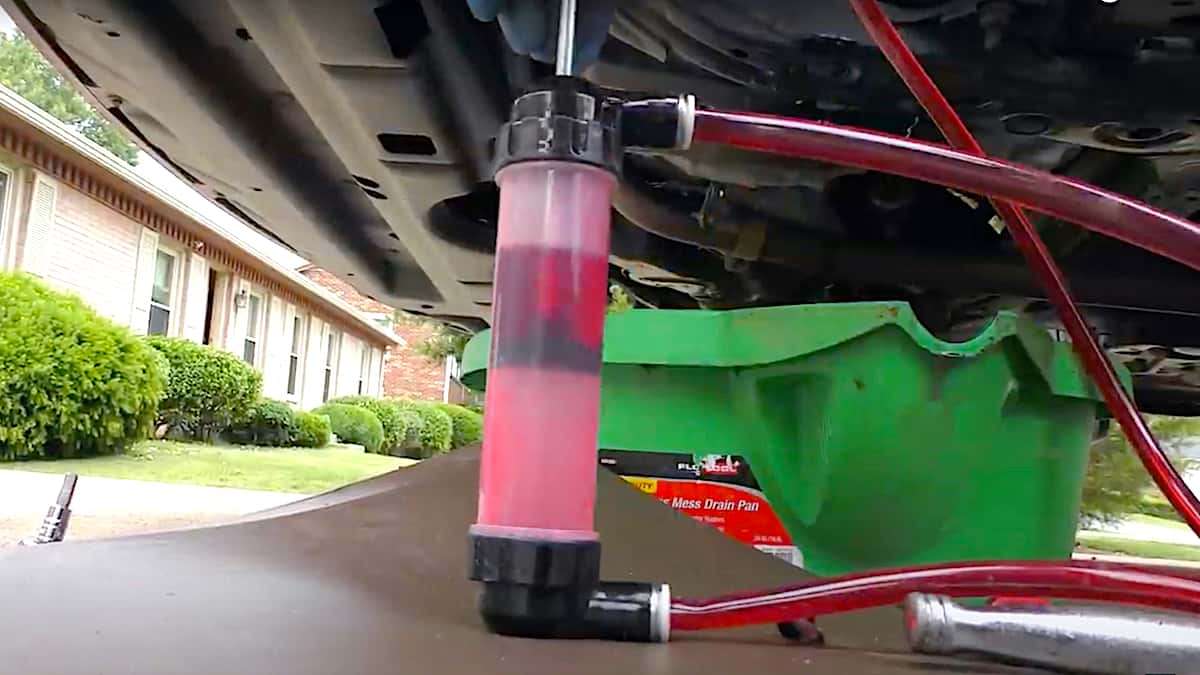
A transmission fluid pump helps remove fluid through the dipstick tube. It avoids the need to remove the pan. Look for a hand or electric pump suitable for your vehicle.
Drain Pan Or Container
A drain pan collects old transmission fluid safely. Choose one with enough capacity to hold all the fluid. Use a container that seals well to prevent spills during disposal.
Wrenches And Screwdrivers
Wrenches and screwdrivers might be needed to open access panels or remove clamps. Keep a set of metric and standard sizes ready. This helps handle different fasteners easily.
Gloves And Safety Glasses
Wear gloves to protect your hands from hot fluid and chemicals. Safety glasses prevent fluid from splashing into your eyes. Safety gear keeps you safe during the process.
Rags And Paper Towels
Use rags and paper towels to clean spills and wipe tools. They keep your workspace tidy and prevent slipping hazards. Have plenty on hand for quick cleanup.
New Transmission Fluid
Keep the correct type and amount of new transmission fluid ready. Check your vehicle’s manual for specifications. Fresh fluid ensures your transmission runs smoothly after draining.
Credit: blog.amsoil.com
Preparing Your Vehicle
Start by parking your vehicle on a flat surface and turning off the engine. Gather all tools and wear gloves to keep your hands clean. Make sure the transmission is cool before beginning to avoid burns.
Gather Necessary Tools And Materials
Start by collecting all tools before you begin. You will need a drain pan, wrench set, clean rags, and fresh transmission fluid. Having everything ready saves time and avoids interruptions. Check that your tools fit your vehicle’s bolts to prevent damage.
Park On A Level Surface
Find a flat, stable area to park your vehicle. A level surface helps the transmission fluid drain evenly. It also keeps the car steady and safe while you work underneath. Avoid slopes or uneven ground to reduce risks.
Secure The Vehicle Properly
Use wheel chocks to block the tires. This stops the car from rolling during the process. Engage the parking brake firmly. For extra safety, place jack stands under the vehicle if you raise it. Never rely on a jack alone.
Allow The Transmission To Cool
Transmission fluid gets very hot after driving. Let the vehicle sit for at least 30 minutes to cool down. Handling hot fluid can cause burns. Cooling also lets the fluid drain more cleanly and safely.
Steps To Drain Transmission Fluid
Draining transmission fluid without dropping the pan saves time and effort. This method avoids a messy job and keeps your vehicle cleaner. Follow these simple steps for a safe and effective fluid change.
Gather the right tools and prepare your workspace before starting. Wear gloves to protect your hands from fluid contact. Make sure your car is on a flat surface and securely lifted if needed.
Locate The Transmission Fluid Drain Plug
First, find the drain plug on the transmission pan. This small plug lets fluid flow out without removing the whole pan. Check your vehicle manual for the exact location.
Place A Drain Pan Underneath
Put a container under the drain plug to catch old fluid. Use a large enough pan to avoid spills. Position it carefully to collect all draining fluid.
Remove The Drain Plug Carefully
Use the correct tool to loosen the drain plug slowly. Let the fluid drain completely. Be patient; this can take several minutes.
Inspect The Fluid And Drain Plug
Look at the drained fluid for any metal bits or dirt. Check the drain plug for a magnet; clean it if necessary. This helps keep your transmission healthy.
Replace And Tighten The Drain Plug
Put the drain plug back in its place. Tighten it firmly but avoid over-tightening. A good seal prevents leaks after refilling.
Refill With New Transmission Fluid
Open the transmission fluid fill port. Pour in the correct amount and type of new fluid. Use a funnel to avoid spills.
Check Fluid Level And Test Drive
Start the engine and shift through all gears. Check the fluid level again and add if needed. A short test drive helps distribute the new fluid evenly.
Credit: www.torquenews.com
Refilling And Checking Fluid Levels
Refilling and checking transmission fluid is a key step after draining the old fluid. It helps keep the transmission running smoothly. The right fluid level prevents damage and ensures good shifting.
Start by using the correct type of transmission fluid. Check your vehicle manual for the exact specification. Pour the fluid slowly to avoid overfilling.
Preparing To Refill Transmission Fluid
Use a clean funnel to pour the new fluid. This prevents dirt from entering the system. Place the funnel securely in the transmission fill hole.
Pour fluid in small amounts. Pause to let the fluid settle. This helps avoid spilling and overfilling.
Checking Transmission Fluid Levels
Check the fluid level with the transmission dipstick. Pull the dipstick out and wipe it clean first. Then insert it fully and remove again to read the level.
The fluid should be between the “Full” and “Add” marks. Add fluid if below the “Add” mark. Avoid filling above the “Full” line to prevent leaks.
Ensuring Proper Fluid Condition
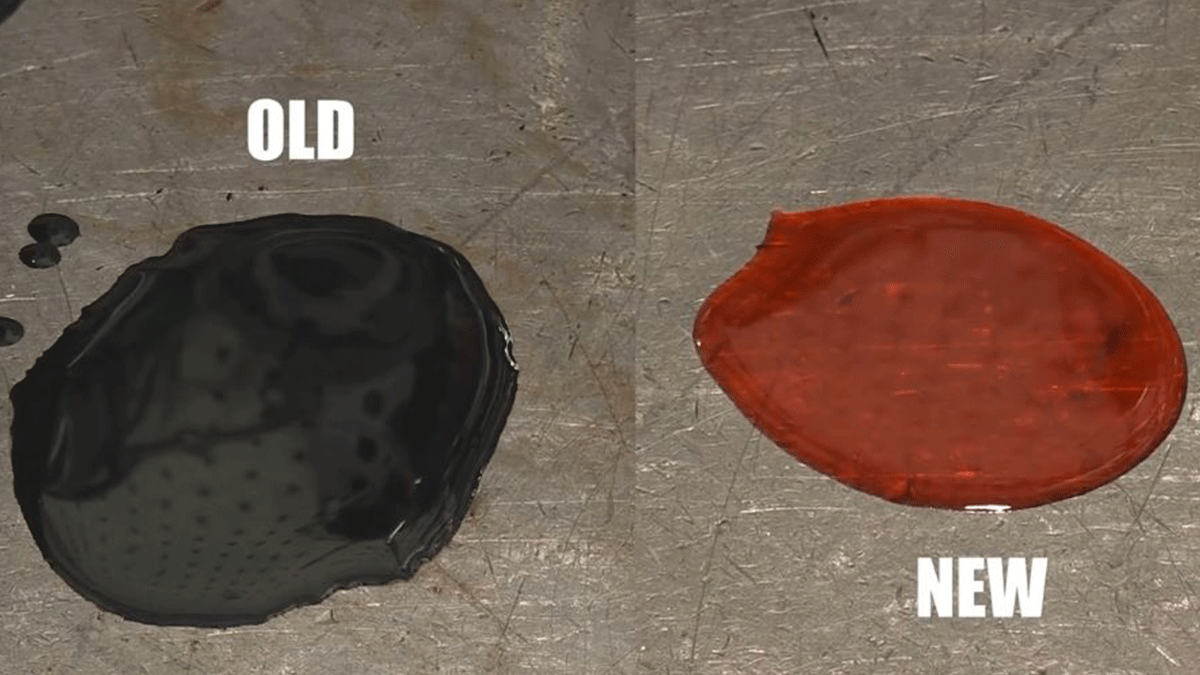
Look at the fluid color and smell. Healthy fluid is bright red and smells clean. Dark or burnt fluid means it needs changing.
Replace fluid if it looks dirty or smells burnt. Clean fluid protects your transmission parts well.

Credit: www.youtube.com
Frequently Asked Questions
How Can I Drain Transmission Fluid Without Removing The Pan?
You can use a fluid extractor or a suction pump to remove fluid through the dipstick tube. This method avoids dropping the pan and saves time. It works well for routine fluid changes.
What Tools Do I Need To Drain Transmission Fluid Safely?
A fluid extractor, gloves, and a catch container are essential. Using these tools helps you avoid spills and keeps the work clean. Basic hand tools may be needed if you remove the drain plug.
Is It Possible To Drain All Transmission Fluid Without Dropping The Pan?
No, some fluid remains in the pan and torque converter. Extracting fluid removes most, but a full drain requires pan removal. Partial draining still improves fluid quality and vehicle performance.
How Often Should I Change Transmission Fluid Without Dropping The Pan?
Check your vehicle’s manual for intervals, usually every 30,000 to 60,000 miles. Regular fluid changes keep transmission healthy and extend its life. Using an extractor makes the process easier and less messy.
Can I Drain Transmission Fluid Myself Without Professional Help?
Yes, with the right tools and instructions, it’s doable for most car owners. Take safety precautions and follow steps carefully. If unsure, consult a mechanic to avoid damage.
Conclusion
Draining transmission fluid without dropping the pan saves time and effort. It keeps the job clean and avoids extra work. Using the right tools makes the process easier and safer. Always check the fluid level after draining to ensure proper function.
Regular fluid changes help your transmission last longer. Simple steps can prevent costly repairs later. Stay patient and careful during the process. This method works well for many vehicles. Try it next time you service your car.