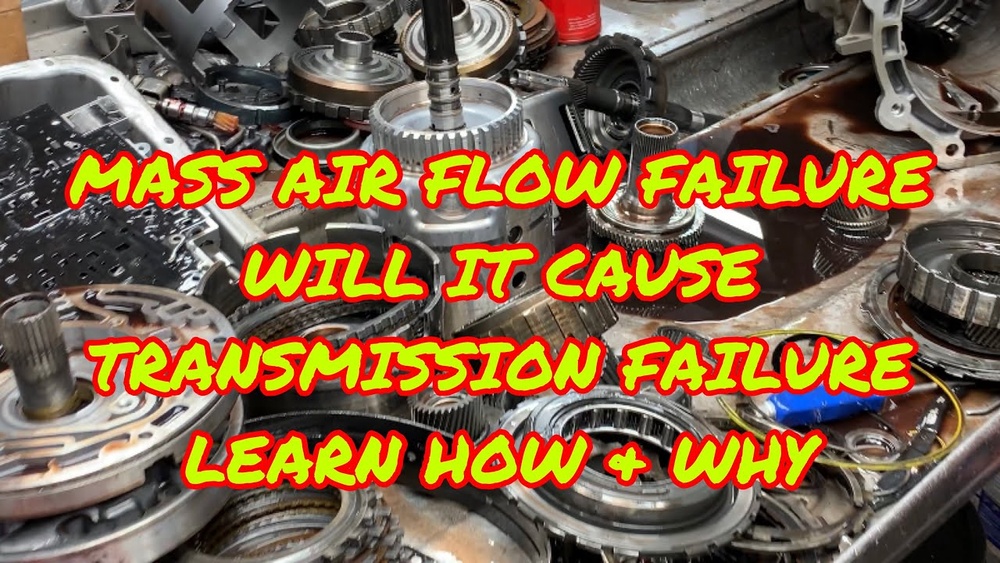
Can a Mass Air Flow Sensor Cause Transmission Problems? Shocking Truths Revealed!
Have you ever wondered if a tiny part like your Mass Air Flow (MAF) sensor could actually mess with your car’s transmission? It might sound surprising, but the answer is yes—your MAF sensor can cause transmission problems.
If your car is shifting oddly or struggling to accelerate, this little sensor could be the hidden culprit. Keep reading to discover how this works, why it happens, and what you can do to fix it before it turns into a costly repair.
Your car’s smooth ride depends on understanding this connection.
Role Of Mass Air Flow Sensor
The mass air flow (MAF) sensor plays a key role in your car’s engine system. It measures the amount of air entering the engine. This information helps the engine control unit (ECU) decide how much fuel to add. Proper fuel and air mix is vital for smooth engine performance.
The MAF sensor ensures the engine runs efficiently. It affects fuel economy, emissions, and power output. A faulty MAF sensor can cause engine problems and may lead to transmission issues. Understanding its role helps diagnose related problems.
How It Measures Air Intake
The MAF sensor uses a small wire or film heated by electricity. As air flows past, it cools the wire or film. The sensor measures how much cooling happens. This cooling amount tells the sensor the volume of air entering the engine.
The sensor sends this data to the ECU. The ECU adjusts fuel injection based on this info. Accurate air measurement helps maintain the correct fuel-air ratio. This ratio is critical for the engine’s combustion process.
Impact On Engine Performance
A well-functioning MAF sensor helps the engine run smoothly. It prevents rough idling, stalling, and poor acceleration. The engine gets the right fuel mix for different driving conditions.
When the MAF sensor fails, the engine may run too rich or too lean. This imbalance causes engine hesitation and increased emissions. Poor engine performance can strain the transmission. The transmission may shift roughly or slip due to incorrect engine signals.
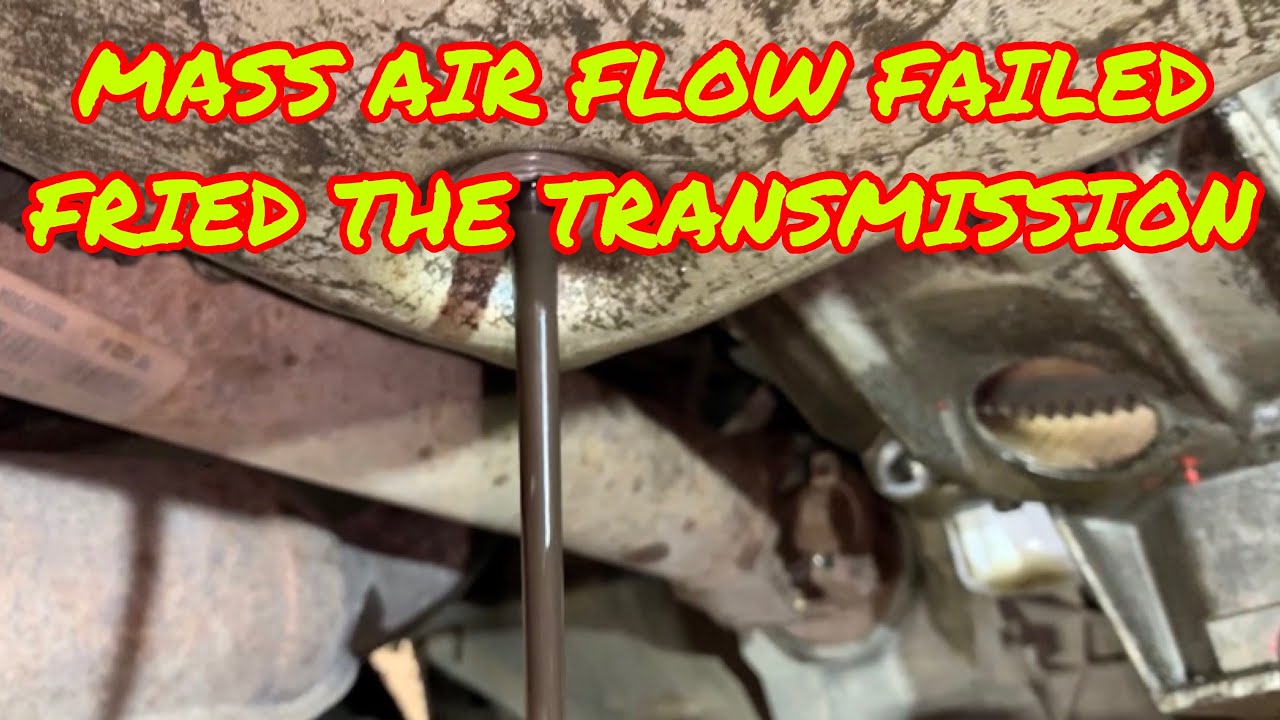
Credit: www.youtube.com
Connection Between Maf Sensor And Transmission
The Mass Air Flow (MAF) sensor plays a key role in your vehicle’s engine. It measures the air entering the engine and sends this data to the engine control unit (ECU). This information helps the engine run smoothly and efficiently. But the MAF sensor also impacts the transmission system.
The connection between the MAF sensor and transmission may not be obvious. Yet, the sensor’s data influences how the transmission behaves. The transmission control module (TCM) uses this data to adjust shift patterns and timing. Problems with the MAF sensor can cause transmission issues.
Influence On Shift Timing
The MAF sensor helps the transmission decide when to shift gears. It provides airflow data that reflects engine load and speed. The transmission uses this to choose the best shift points. A faulty MAF sensor can send wrong data.
Incorrect data may cause rough or delayed gear shifts. The transmission might shift too early or too late. This affects driving comfort and may lead to more wear on transmission parts. A clean and working MAF sensor keeps shift timing accurate.
Effects On Transmission Control Module
The Transmission Control Module relies on accurate input from the MAF sensor. It uses airflow data to manage pressure and clutch engagement. Faulty MAF readings confuse the TCM.
This confusion can cause the transmission to slip or fail to engage properly. The TCM may trigger error codes or limp mode. Repairing or replacing a bad MAF sensor often resolves these problems. The MAF sensor’s role is vital for smooth transmission operation.
Symptoms Of A Faulty Maf Sensor
The Mass Air Flow (MAF) sensor measures the air entering the engine. It helps the engine control unit (ECU) adjust fuel delivery. A faulty MAF sensor can cause various car problems. Some symptoms directly affect the transmission. Recognizing these signs early can prevent further damage to your vehicle.
Transmission Slipping And Hesitation
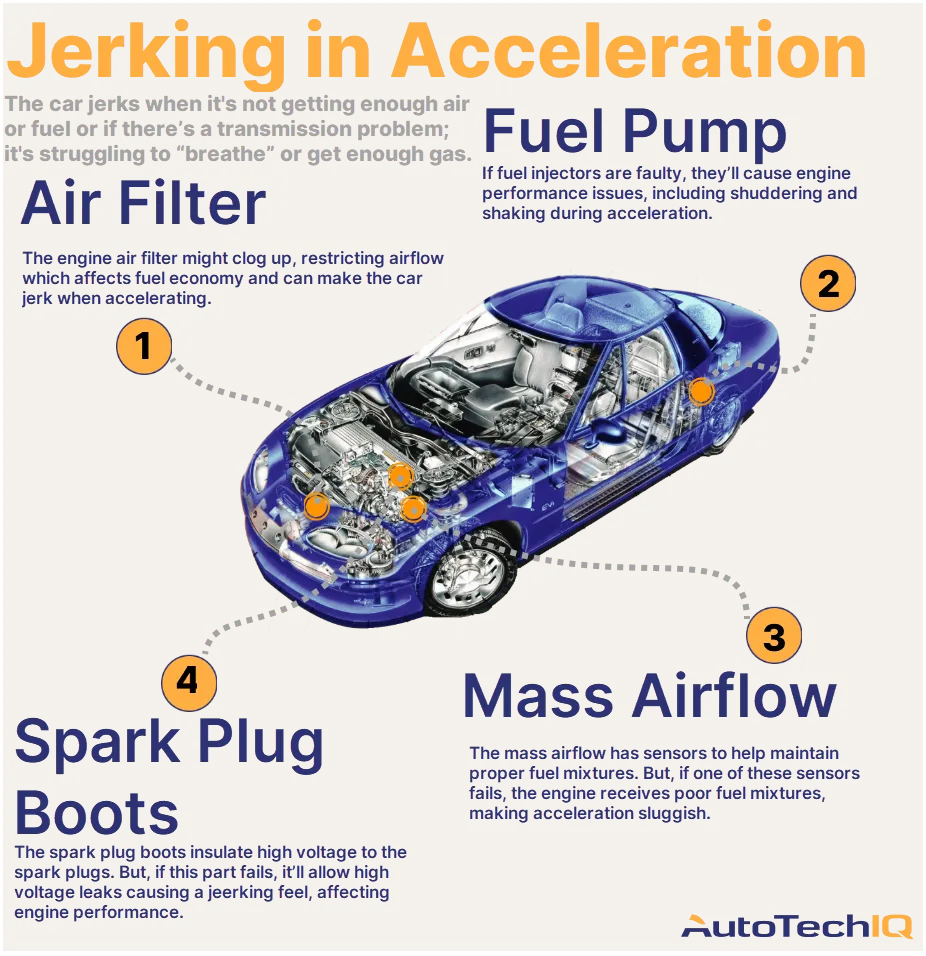
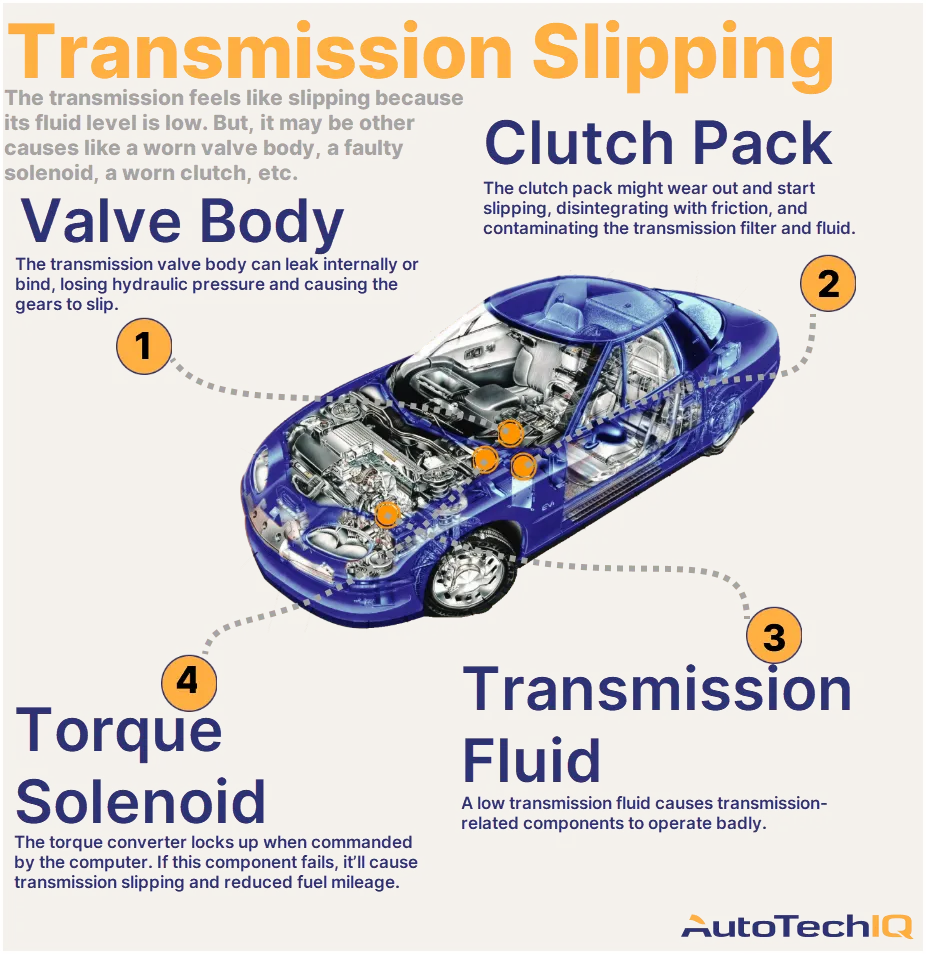
Transmission slipping feels like the car is losing power. The engine revs but the car does not accelerate. Hesitation happens when shifting gears takes longer than usual. A bad MAF sensor can send wrong air data to the ECU. This causes poor fuel mix, leading to rough shifts and slipping. The transmission struggles to respond correctly to speed changes.
Check Engine Light Indicators
The check engine light often turns on with a bad MAF sensor. The car’s computer detects sensor errors and triggers the warning light. The light may blink or stay solid on the dashboard. A diagnostic scan tool can identify MAF sensor issues. Ignoring this warning can lead to more severe transmission problems.
Credit: www.autotechiq.com
Fixing Maf Sensor Related Transmission Issues
Fixing MAF sensor related transmission issues starts with understanding the sensor’s role. The Mass Air Flow (MAF) sensor measures the air entering the engine. This data helps the engine control unit adjust fuel and air mix. A faulty MAF sensor can confuse the system, causing transmission problems like rough shifting or delayed engagement.
Addressing these problems early can prevent costly repairs. The key lies in precise diagnosis and timely repair or replacement of the MAF sensor.
Diagnostic Steps
Begin by scanning the vehicle’s computer for trouble codes. Codes related to airflow or transmission help pinpoint the problem. Next, inspect the MAF sensor for dirt or damage. Use a MAF sensor cleaner to remove buildup carefully. Check wiring and connectors for any signs of wear or corrosion. Testing the sensor with a multimeter confirms if it works properly. Observe engine performance for symptoms like hesitation or stalling. These signs often link to MAF sensor issues affecting transmission.
Repair And Replacement Options
Cleaning the MAF sensor often resolves minor issues. Use specialized cleaner only, avoiding harsh chemicals. If cleaning does not help, consider replacing the sensor. Choose a high-quality replacement part compatible with your vehicle. Professional installation ensures proper connection and calibration. After repair or replacement, clear error codes from the system. Test drive the vehicle to confirm smooth transmission operation. Prompt action restores engine efficiency and transmission response.
Credit: www.autotechiq.com
Frequently Asked Questions
Can A Faulty Mass Air Flow Sensor Affect Transmission Shifting?
Yes, a bad mass air flow sensor can cause rough or delayed shifting. It sends wrong air data, confusing the engine and transmission control.
What Symptoms Link Mass Air Flow Sensor Issues To Transmission Problems?
Common signs include poor acceleration, rough idling, and jerky gear changes. These symptoms show the engine and transmission are not synced well.
How Does The Mass Air Flow Sensor Impact Transmission Performance?
The sensor controls air intake data for fuel mix and engine timing. Wrong data leads to poor engine running, which affects transmission smoothly.
Can Cleaning The Mass Air Flow Sensor Fix Transmission Problems?
Cleaning may help if dirt causes wrong air readings from the sensor. But severe sensor failure often needs replacement for proper transmission function.
Conclusion
A faulty mass air flow sensor can cause transmission issues. It affects engine performance and shifts. Fixing or replacing the sensor helps smooth transmission operation. Regular maintenance keeps both parts working well. Don’t ignore warning signs like rough shifts or poor acceleration.
Early checks save time and money. Keep your car running smoothly by watching these key parts. Simple steps can prevent bigger problems later.